
Drug & Alcohol Rehab Centers in Ohio
Ohio has approximately 1,200 licensed substance abuse treatment facilities, making it one of the most well-served states in the Midwest for addiction care. The state has been among the hardest hit by the opioid epidemic, and its aggressive response — through the RecoveryOhio initiative, Quick Response Teams (QRTs), and expanded medication-assisted treatment (MAT) — has become a model for other states confronting similar crises.
In 2022, Ohio recorded approximately 5,000 drug overdose deaths, with fentanyl and synthetic opioids accounting for the vast majority of fatalities. The crisis has disproportionately affected Appalachian Ohio, Dayton, and Cleveland, though no region has been spared. Alcohol use disorder remains the most prevalent substance use disorder in the state, affecting an estimated 850,000 Ohioans. Methamphetamine use has surged in rural southern and eastern counties, compounding the opioid crisis in many communities.
Ohio's treatment network spans the full ASAM continuum, from medical detoxification at Cleveland Clinic and Ohio State University Wexner Medical Center to residential programs in rural settings, intensive outpatient (IOP) programs in every major metro, and expanding telehealth services reaching Appalachian communities. The state integrates cognitive behavioral therapy (CBT), 12-step facilitation, and peer recovery support through a statewide network of Certified Peer Recovery Supporters.
Addiction Treatment Landscape in Ohio
Ohio's addiction treatment system is overseen by the Ohio Department of Mental Health and Addiction Services (OhioMHAS), which licenses treatment providers, distributes state and federal funding, and coordinates the RecoveryOhio initiative launched by Governor DeWine in 2019. RecoveryOhio established a cross-agency framework focused on prevention, treatment, and recovery support — positioning addiction as a public health priority rather than a criminal justice issue.
Key statistics:
- Approximately 5,000 drug overdose deaths in 2022 (Ohio Department of Health)
- Over 1,200 licensed treatment facilities statewide (SAMHSA N-SSATS)
- Fentanyl involved in over 80% of opioid-related overdose deaths
- Ohio ranks among the top 10 states nationally for overdose death rate per capita
Ohio pioneered Quick Response Teams (QRTs), which pair law enforcement, paramedics, and peer recovery supporters to visit overdose survivors within 24-72 hours and connect them directly to treatment. More than 70 Ohio counties have adopted QRT programs. The state also operates Project DAWN (Deaths Avoided With Naloxone), one of the nation's most successful community naloxone distribution programs.
Regional treatment patterns reflect Ohio's diverse geography. Cleveland and Northeast Ohio benefit from the Cleveland Clinic, University Hospitals, and MetroHealth system affiliations. Columbus has a growing treatment infrastructure anchored by Ohio State University Wexner Medical Center. Cincinnati and the tri-state region face elevated overdose rates and have expanded MAT access through federally qualified health centers. Dayton — once the nation's overdose capital — has seen declines through aggressive intervention. Appalachian Ohio remains underserved, with telehealth and mobile treatment units working to close the gap. Co-occurring mental health disorders are common across all regions, and integrated treatment is increasingly the standard of care.
Types of Treatment Available in Ohio
Ohio offers every ASAM level of care for substance use disorders through its licensed treatment network:
- Medical Detoxification: Hospital-based and standalone detox programs in all major metros. Cleveland Clinic, OSU Wexner Medical Center, and UC Health (Cincinnati) offer medically managed withdrawal services.
- Residential Treatment: 30 to 90+ day programs from urban clinical settings in Columbus and Cleveland to retreat-style facilities in rural Ohio. Specialized residential tracks serve women, veterans, and adolescents.
- Partial Hospitalization (PHP): Intensive day programs available in Cleveland, Columbus, Cincinnati, Dayton, and Akron.
- Intensive Outpatient (IOP): Flexible 3-5 day per week programs across every major Ohio city, commonly used as step-down from residential or PHP.
- Standard Outpatient: Individual and group counseling available through community mental health boards and private providers in all 88 counties.
- Telehealth Services: Ohio expanded telehealth for addiction treatment during COVID-19 and has maintained these flexibilities, providing critical access to Appalachian and rural communities.
Ohio is also known for its robust peer recovery support system. Certified Peer Recovery Supporters — individuals with lived recovery experience — are integrated into many treatment programs and emergency departments. The state supports 12-step programs, SMART Recovery, and faith-based options like Celebrate Recovery. CBT, DBT, and trauma-informed care are widely available at licensed facilities.
Insurance & Ohio Medicaid Coverage
Ohio Medicaid provides comprehensive coverage for substance use disorder treatment. Ohio expanded Medicaid under the ACA in 2014, extending coverage to adults earning up to 138% of the federal poverty level. Covered services include:
- Inpatient detoxification and residential treatment
- Partial hospitalization programs
- Outpatient and intensive outpatient treatment
- Medication-assisted treatment (MAT) — buprenorphine, methadone, naltrexone
- Peer recovery support services
- Crisis intervention and stabilization
- Case management
Approximately 3.5 million Ohioans are enrolled in Ohio Medicaid, which is administered through managed care plans. The state has prioritized removing barriers to MAT access and requires managed care organizations to cover all three FDA-approved medications for opioid use disorder without prior authorization for initial prescriptions.
Private insurance plans in Ohio must cover addiction treatment under federal MHPAEA parity law and Ohio Revised Code Section 3923.281. Major insurers include Anthem Blue Cross Blue Shield, Medical Mutual of Ohio, Aetna, Cigna, UnitedHealthcare, and CareSource.
For uninsured individuals, Ohio's 50 Alcohol, Drug Addiction, and Mental Health (ADAMH) Boards fund safety-net treatment at the county level. OhioMHAS also distributes State Opioid Response (SOR) grant funding to community providers. Contact the OhioMHAS helpline at 1-877-275-6364 or the SAMHSA helpline (1-800-662-4357) for referrals to free or low-cost treatment.
Want us to find the perfect facility for you?
Call now - it's completely free!
Showing 20 of 466 results
Parma Hospital
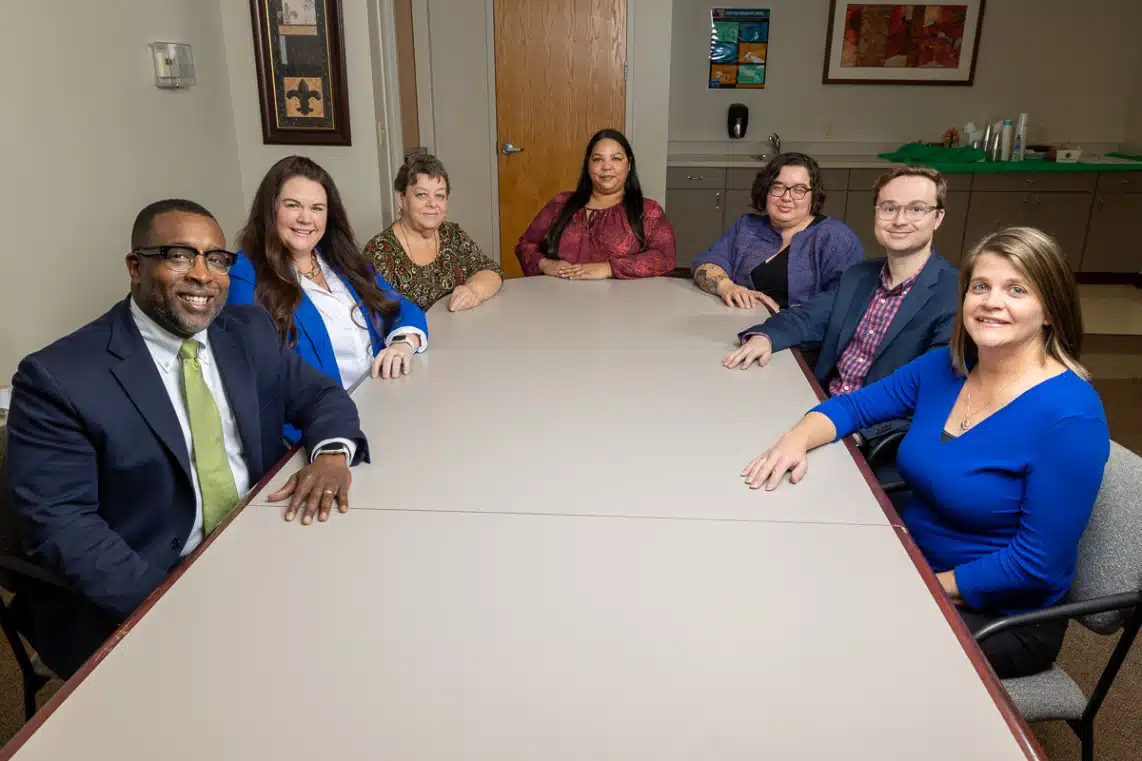
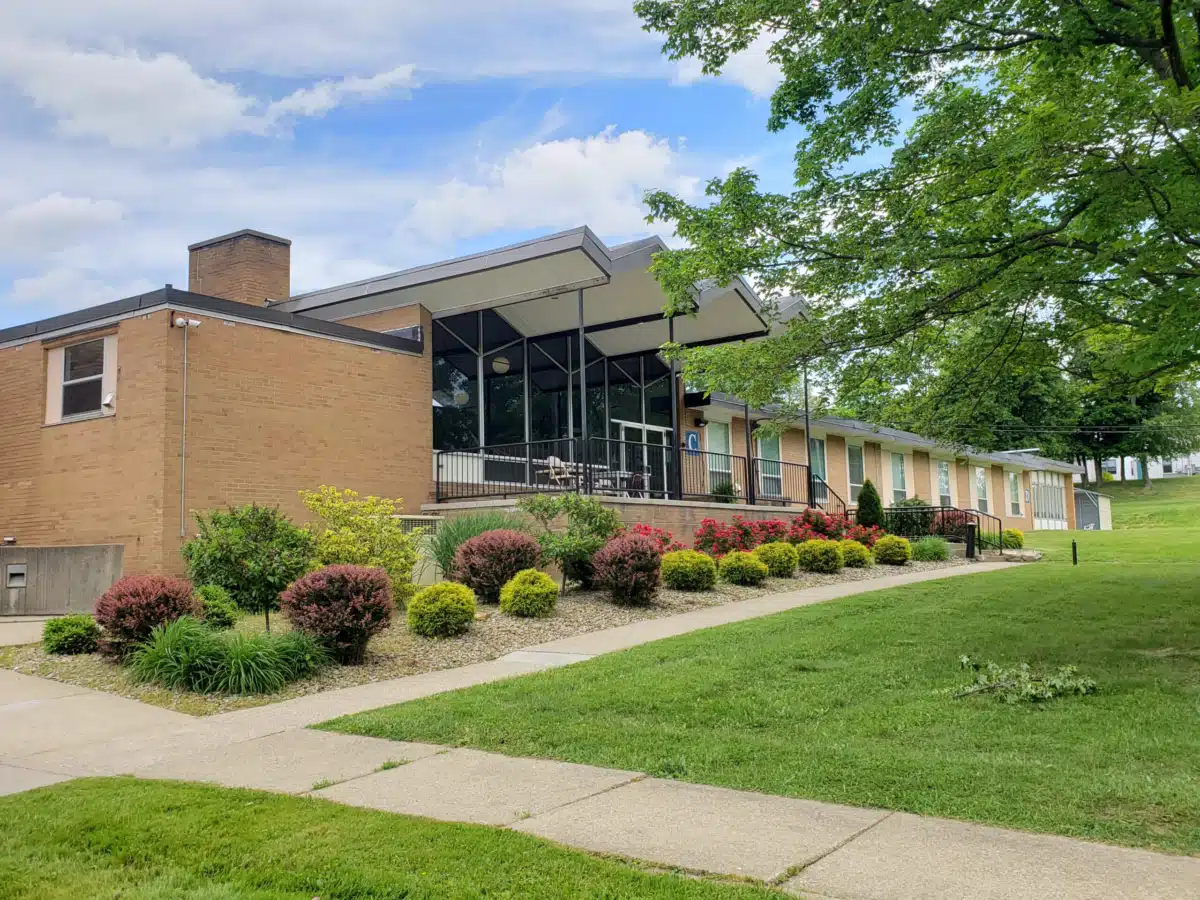
South Campus
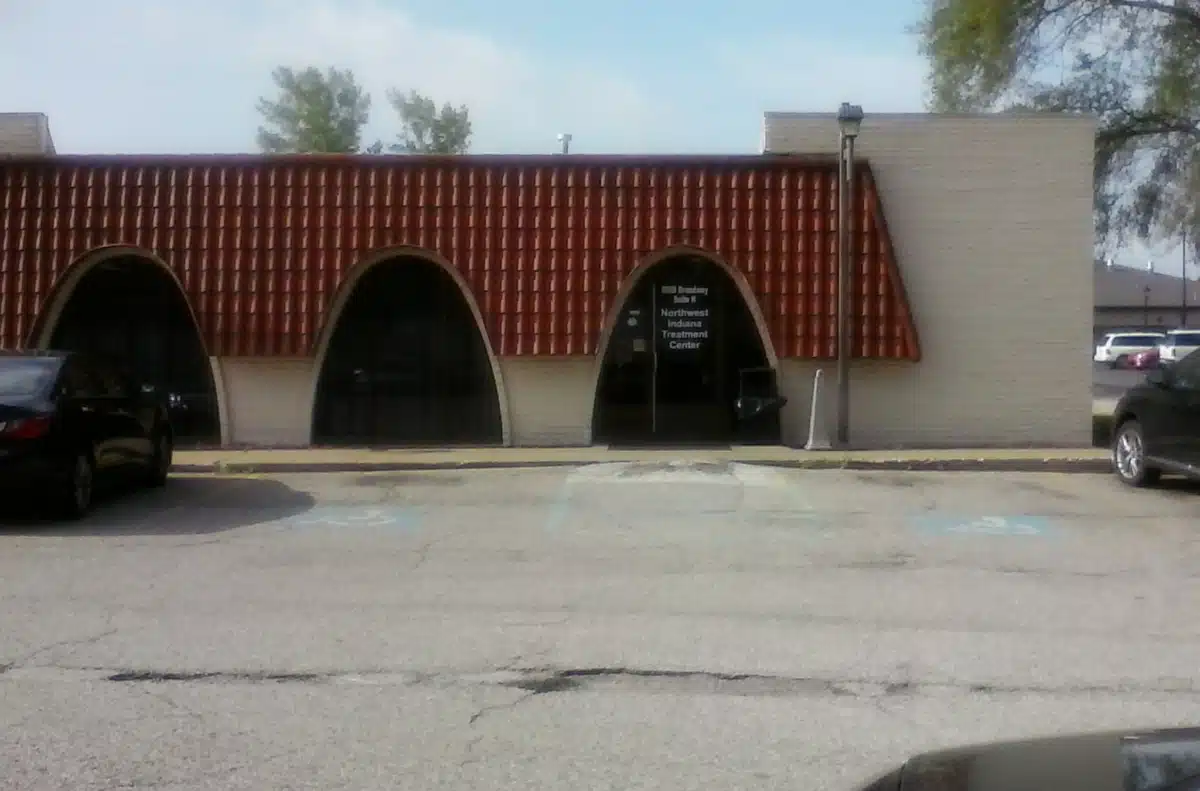

BayMark Health Services

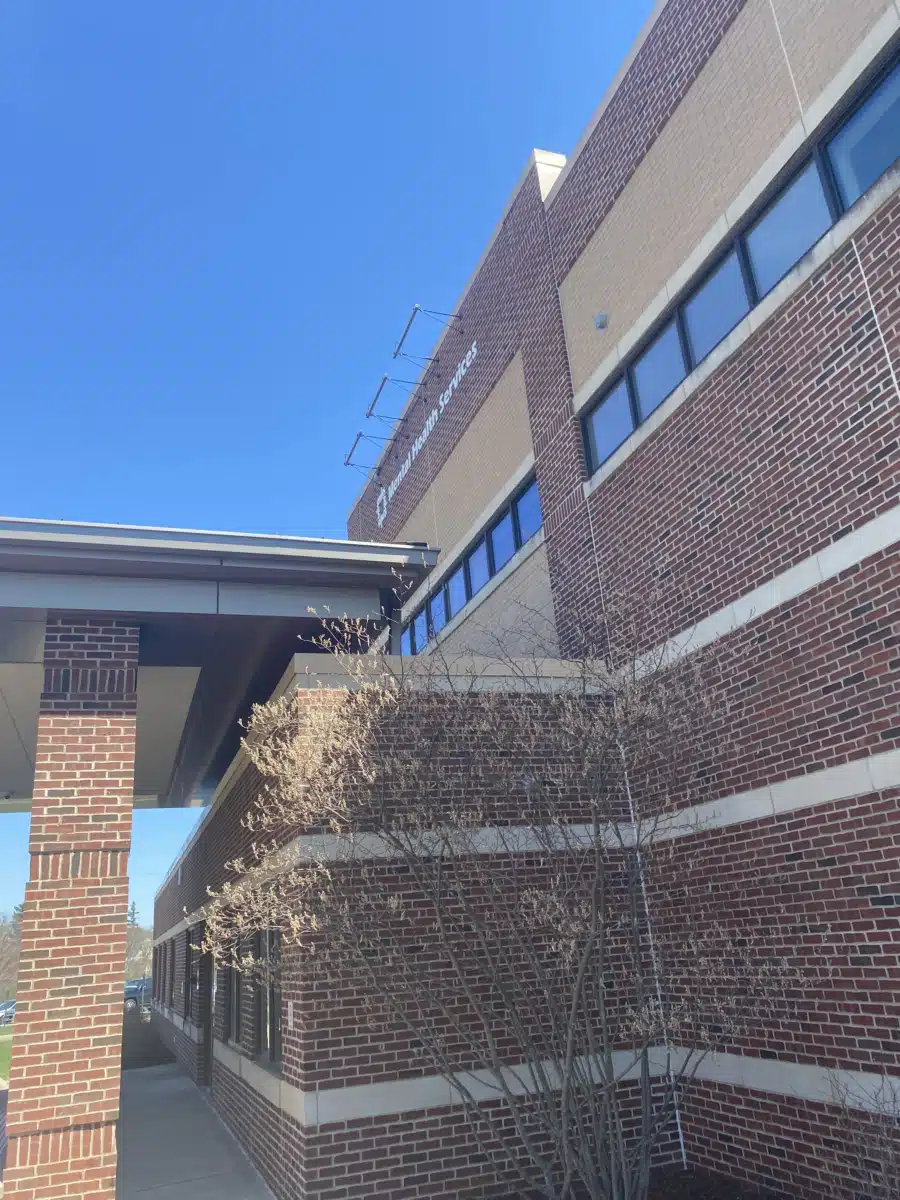
Clark and Madison Counties
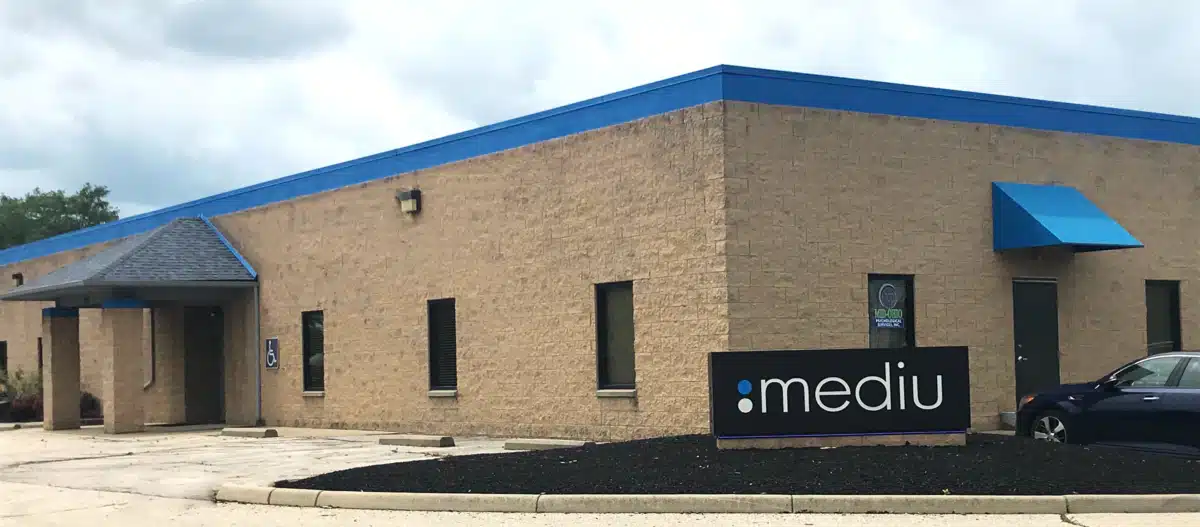
Mediation Services Inc
Mercy REACH
Warren
Treatment Highlights in Ohio
Popular Cities in Ohio
Columbus
41 centers
Cleveland
31 centers
Cincinnati
28 centers
Akron
19 centers
Dayton
17 centers
Toledo
14 centers
Youngstown
14 centers
Canton
10 centers
View all 133 cities in Ohio
Frequently Asked Questions About Treatment in Ohio
Sources
Medical Disclaimer
The information on this page is for educational purposes and is not a substitute for professional medical advice. If you or someone you know is experiencing a substance use crisis, call the SAMHSA National Helpline at 1-800-662-4357 (free, confidential, 24/7). For immediate danger, call 911 or the 988 Suicide & Crisis Lifeline by dialing 988.