
Drug & Alcohol Rehab Centers in North Carolina
North Carolina is home to approximately 700 licensed addiction treatment facilities, serving a state that has been profoundly impacted by the opioid epidemic — particularly in its Appalachian western counties. The North Carolina Department of Health and Human Services (NCDHHS) Division of Mental Health, Developmental Disabilities, and Substance Abuse Services (DMH/DD/SAS) reports that the state recorded approximately 4,000 drug overdose deaths in 2022, making it one of the highest per capita overdose death rates in the Southeast.
The state's treatment infrastructure is anchored by internationally recognized academic medical systems. Duke Health in Durham, UNC Health in Chapel Hill, Wake Forest Baptist Health in Winston-Salem, and Atrium Health in Charlotte provide advanced addiction medicine services including medication-assisted treatment (MAT), cognitive behavioral therapy (CBT), and integrated dual-diagnosis care. The Research Triangle region (Raleigh-Durham-Chapel Hill) has become a hub for treatment innovation, with UNC's Alcohol and Substance Abuse Program and Duke's Addictions Program conducting nationally recognized research on novel interventions.
North Carolina's geographic diversity creates distinct treatment environments. From residential treatment programs in the Blue Ridge Mountains to intensive outpatient (IOP) services in Charlotte and the Triangle, the state provides the full ASAM continuum of care. Medical detoxification, partial hospitalization, and telehealth services reaching rural Appalachian and eastern North Carolina communities round out a comprehensive treatment network that expanded significantly after the state's 2023 Medicaid expansion.
Addiction Treatment Landscape in North Carolina
North Carolina's substance use crisis has been particularly devastating in the state's Appalachian region, where opioid prescribing rates were historically among the highest in the nation. Western North Carolina counties — including Buncombe (Asheville), McDowell, and Rutherford — have experienced overdose death rates far exceeding the state average. Statewide, the transition from prescription opioids to heroin and then fentanyl has driven an escalating death toll that reached roughly 4,000 in 2022.
Key statistics:
- Approximately 4,000 drug overdose deaths in 2022 (NCDHHS)
- About 700 licensed treatment facilities statewide (SAMHSA N-SSATS)
- Fentanyl involved in over 80% of opioid-related overdose deaths
- Western Appalachian counties have overdose death rates 2-3 times the state average
North Carolina's state response has been coordinated through the NC Opioid Action Plan and the Opioid and Substance Use Action Plan (OSAP). The state was a lead plaintiff in the national opioid litigation settlement and is directing hundreds of millions in settlement funds toward treatment expansion, naloxone distribution, and recovery support services through the NC Opioid Settlement Fund. Governor Cooper's Opioid Action Plan established syringe service programs, expanded MAT access, and funded treatment beds in underserved areas.
Regional treatment patterns are distinct. The Research Triangle (Raleigh, Durham, Chapel Hill) is a center for evidence-based and academic-affiliated treatment innovation. Charlotte (Mecklenburg County) has the largest urban treatment network. Asheville and western North Carolina serve as both a treatment destination and the epicenter of the Appalachian opioid crisis. Eastern North Carolina — including Fayetteville (near Fort Liberty) and Wilmington — addresses military-connected populations and alcohol use disorder alongside methamphetamine use that has risen sharply in rural eastern counties. Telehealth has become essential for rural communities across the state.
Types of Treatment Available in North Carolina
North Carolina offers the full ASAM continuum of addiction care:
- Medical Detoxification: Hospital-based and standalone withdrawal management programs available in Charlotte, Raleigh-Durham, Winston-Salem, Asheville, and other metro areas. Duke, UNC, and Wake Forest Baptist Health operate specialized detox services.
- Residential Treatment: Programs range from 30-day to 90+ day options, including mountain-based residential centers in western North Carolina and clinical programs in the Triangle and Charlotte. Pavillon in Mill Spring and the Substance Abuse Program at UNC are among the state's well-established providers.
- Partial Hospitalization (PHP): Structured day programs available in Charlotte, Raleigh-Durham, Greensboro, and Winston-Salem, offering 5-7 days of intensive treatment per week.
- Intensive Outpatient (IOP): Flexible 3-5 day per week programs widely available across all major North Carolina cities, enabling clients to continue working and living at home during treatment.
- Standard Outpatient: Weekly individual and group therapy delivered through Local Management Entities/Managed Care Organizations (LME/MCOs), private practices, and community health centers.
- Telehealth Services: North Carolina has made permanent many COVID-era telehealth flexibilities, providing critical access for rural Appalachian and eastern counties where in-person addiction services are limited.
North Carolina is also home to specialized treatment tracks including programs for military families (near Fort Liberty/Fayetteville and Camp Lejeune/Jacksonville), collegiate recovery programs at UNC and Duke, and culturally responsive services for the state's growing Latino population and Native American communities in the western mountains. 12-step programs and SMART Recovery meetings are widely available in urban and suburban areas.
Insurance & NC Medicaid Coverage
North Carolina expanded Medicaid in December 2023, extending coverage to adults earning up to 138% of the federal poverty level through NC Medicaid (NC Medicaid Managed Care). This expansion has been a landmark development for addiction treatment access, providing coverage to an estimated 600,000 previously uninsured North Carolinians. NC Medicaid covers:
- Screening, assessment, and diagnosis of substance use disorders
- Outpatient and intensive outpatient treatment
- Residential treatment services (with prior authorization)
- Withdrawal management (detoxification)
- Medication-assisted treatment (methadone, buprenorphine, naltrexone)
- Peer support services
- Case management and care coordination
- Crisis services and facility-based crisis stabilization
NC Medicaid transitioned to managed care in 2024, with health plans including WellCare, AmeriHealth Caritas, Healthy Blue, and UnitedHealthcare Community Plan managing behavioral health benefits. The state's seven Local Management Entities/Managed Care Organizations (LME/MCOs) — including Cardinal Innovations and Alliance Health — continue to coordinate specialized behavioral health services for Medicaid enrollees.
Private insurance plans in North Carolina must comply with the federal Mental Health Parity and Addiction Equity Act (MHPAEA). Major insurers including Blue Cross Blue Shield of North Carolina, UnitedHealthcare, Cigna, and Aetna cover the full continuum of addiction treatment.
For uninsured individuals, North Carolina's LME/MCOs provide publicly funded treatment through state and federal block grant funding. The NC Opioid Settlement Fund is also directing resources toward free treatment expansion. The SAMHSA helpline (1-800-662-4357) and NC's HOPE4NC helpline (1-855-587-3463) can connect individuals with local treatment resources.
Want us to find the perfect facility for you?
Call now - it's completely free!
Showing 20 of 449 results
Charlotte

Mental Wellness

Life Changes DWI Center
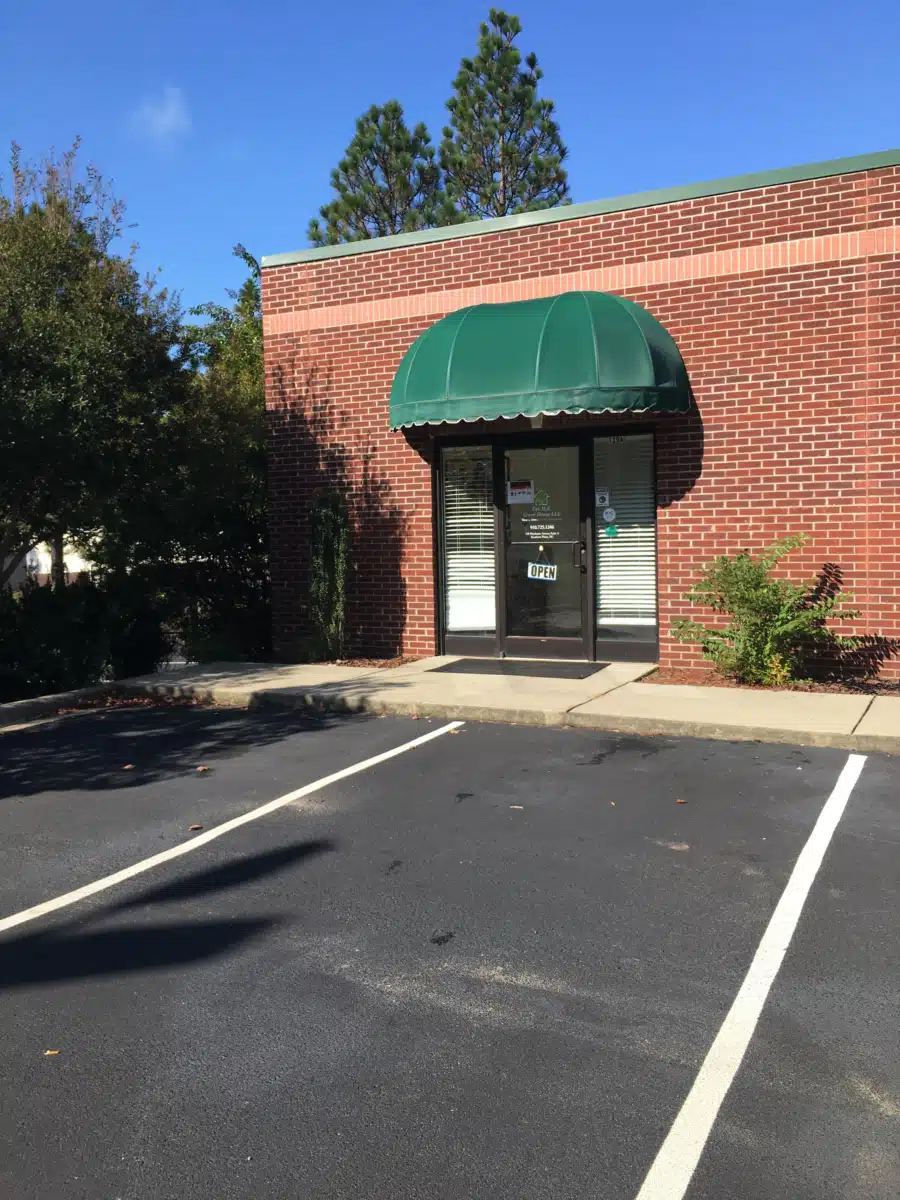
Life Changes Dwi Center
Life Changes Dwi Center
Substance Assessment Counseling Center
Back On Track
Life Changes Dwi Center
Life Changes Dwi Center
Substance Assessment Counseling Center
Treatment Highlights in North Carolina
Popular Cities in North Carolina
Charlotte
24 centers
Raleigh
22 centers
Asheville
20 centers
Durham
18 centers
Fayetteville
18 centers
Greensboro
16 centers
Wilmington
16 centers
Greenville
15 centers
View all 144 cities in North Carolina
Frequently Asked Questions About Treatment in North Carolina
Sources
Medical Disclaimer
The information on this page is for educational purposes and is not a substitute for professional medical advice. If you or someone you know is experiencing a substance use crisis, call the SAMHSA National Helpline at 1-800-662-4357 (free, confidential, 24/7). For immediate danger, call 911 or the 988 Suicide & Crisis Lifeline by dialing 988.