
Drug & Alcohol Rehab Centers in New York, New York
New York City faces one of the most complex substance abuse landscapes in the United States. According to the New York City Department of Health and Mental Hygiene, over 2,600 New Yorkers died from drug overdose in 2022, with opioids involved in approximately 84% of those deaths. The city's five boroughs are home to more than 8.3 million residents, many of whom struggle with opioid addiction, alcohol use disorder, and cocaine dependency.
Fortunately, New York City hosts one of the most extensive treatment infrastructures in the country. The New York State Office of Addiction Services and Supports (OASAS) licenses hundreds of treatment programs across all five boroughs, offering everything from medical detoxification to outpatient counseling. NYC Health + Hospitals operates a network of public facilities that provide addiction treatment regardless of ability to pay, ensuring that uninsured and underinsured New Yorkers have access to evidence-based care.
Medication-assisted treatment (MAT) has become a cornerstone of New York City's response to the opioid crisis. The city expanded buprenorphine prescribing through its Buprenorphine Nurse Care Manager Initiative, bringing MAT directly into primary care settings. Methadone maintenance programs remain widely available, with over 80 Opioid Treatment Programs across the city. For those seeking residential treatment, both short-term and long-term programs operate in every borough, including specialized tracks for veterans, LGBTQ+ individuals, women with children, and adolescents.
New York's approach to addiction treatment emphasizes harm reduction alongside traditional recovery models. Services such as syringe exchange programs, naloxone distribution, and overdose prevention centers complement the clinical treatment system. Whether someone is seeking help for heroin addiction, prescription drug misuse, or benzodiazepine dependence, New York City offers a pathway to recovery supported by world-class medical institutions and a deep network of community-based organizations.
The Addiction Treatment Landscape in New York City
New York City's treatment landscape is shaped by the sheer scale of need and the density of available resources. SAMHSA's National Survey of Substance Abuse Treatment Services lists over 600 treatment facilities within the five boroughs and surrounding metro area. The NYC Health Department reports that the Bronx consistently experiences the highest rate of overdose deaths, followed by Staten Island and Brooklyn, which has driven targeted investments in those areas.
The state's 1115 Medicaid waiver has expanded access to residential treatment and crisis stabilization services. New York was also among the first states to mandate commercial insurance coverage for substance use disorder treatment at parity with medical and surgical benefits. OASAS certifies programs across multiple levels of care including intensive outpatient programs (IOP), medically supervised inpatient, and community residence services.
Major academic medical centers, including NYU Langone, Mount Sinai, and Columbia University Medical Center, operate addiction medicine divisions that combine clinical research with patient care. These programs often offer dual-diagnosis treatment for individuals experiencing co-occurring mental health and substance use disorders. Community health centers across Harlem, the Lower East Side, Williamsburg, and Jamaica, Queens, fill critical gaps by providing culturally and linguistically appropriate services to immigrant and underserved communities.
Types of Addiction Treatment Available in NYC
New York City offers every recognized level of care in the addiction treatment continuum. Medical detox programs are available at hospitals and standalone facilities throughout the city, providing 24-hour medical supervision for safe withdrawal from alcohol, opioids, and benzodiazepines. Following detox, patients may transition to inpatient rehabilitation, which typically lasts 28 to 90 days and provides structured therapeutic programming.
Partial hospitalization programs (PHP) offer a step down from inpatient care, providing several hours of treatment per day while allowing patients to return home in the evening. Intensive outpatient programs (IOP) meet three to five days per week and are well-suited for individuals with stable living situations. Standard outpatient treatment includes individual counseling, group therapy, and family sessions on a weekly basis.
Specialized treatment modalities available in NYC include cognitive-behavioral therapy (CBT), dialectical behavior therapy, motivational interviewing, EMDR for trauma, and holistic approaches such as acupuncture, yoga, and art therapy. Many programs also incorporate medication-assisted treatment with buprenorphine, naltrexone, or methadone as part of a comprehensive recovery plan. Sober living residences across the city provide structured, substance-free housing for individuals transitioning out of formal treatment.
Insurance and Payment Options for NYC Rehab
Most addiction treatment facilities in New York City accept a range of insurance plans. New York State's Mental Health Parity Act and the federal Parity Act require insurers to cover substance use disorder treatment at the same level as other medical conditions. This applies to employer-sponsored plans, individual marketplace plans purchased through the Affordable Care Act, and Medicaid managed care plans.
New York Medicaid covers a comprehensive array of addiction services, including inpatient detox, residential rehabilitation, outpatient counseling, and medication-assisted treatment. Essential Plan coverage, available to lower-income residents who do not qualify for Medicaid, also includes behavioral health and substance abuse services. NYC Health + Hospitals provides treatment on a sliding-fee scale for uninsured individuals.
Private insurance carriers commonly accepted at NYC treatment centers include Aetna, Blue Cross Blue Shield, Cigna, UnitedHealthcare, and Oxford. Many facilities have dedicated insurance verification teams that can confirm benefits before admission. For those without insurance, state-funded programs through OASAS provide treatment at no cost, and federal block grant funding supports additional community-based services throughout the city.
Local Addiction Resources in New York City
New York City maintains an extensive network of addiction support resources beyond formal treatment. The NYC Well helpline (1-888-NYC-WELL) connects callers with free, confidential crisis counseling and referrals to substance use services 24 hours a day in over 200 languages. The SAMHSA National Helpline (1-800-662-4357) also provides referrals for treatment and support groups.
Mutual aid organizations are deeply rooted in the city's recovery community. Alcoholics Anonymous (AA) operates the New York Intergroup, one of the largest AA service bodies in the world, hosting hundreds of meetings daily across all five boroughs. Narcotics Anonymous, SMART Recovery, and Refuge Recovery offer alternative peer support frameworks. The New York state resource page provides additional information on statewide programs and hotlines.
Community organizations like Exponents, Housing Works, and BOOM!Health offer harm reduction services, syringe exchange, naloxone training, and supportive housing for individuals in recovery. New York City's Department of Health distributes free naloxone kits and provides overdose prevention training to community members, family members, and first responders across the city.
Want us to find the perfect facility for you?
Call now - it's completely free!
Showing 13 of 73 results


Manhattan Campus
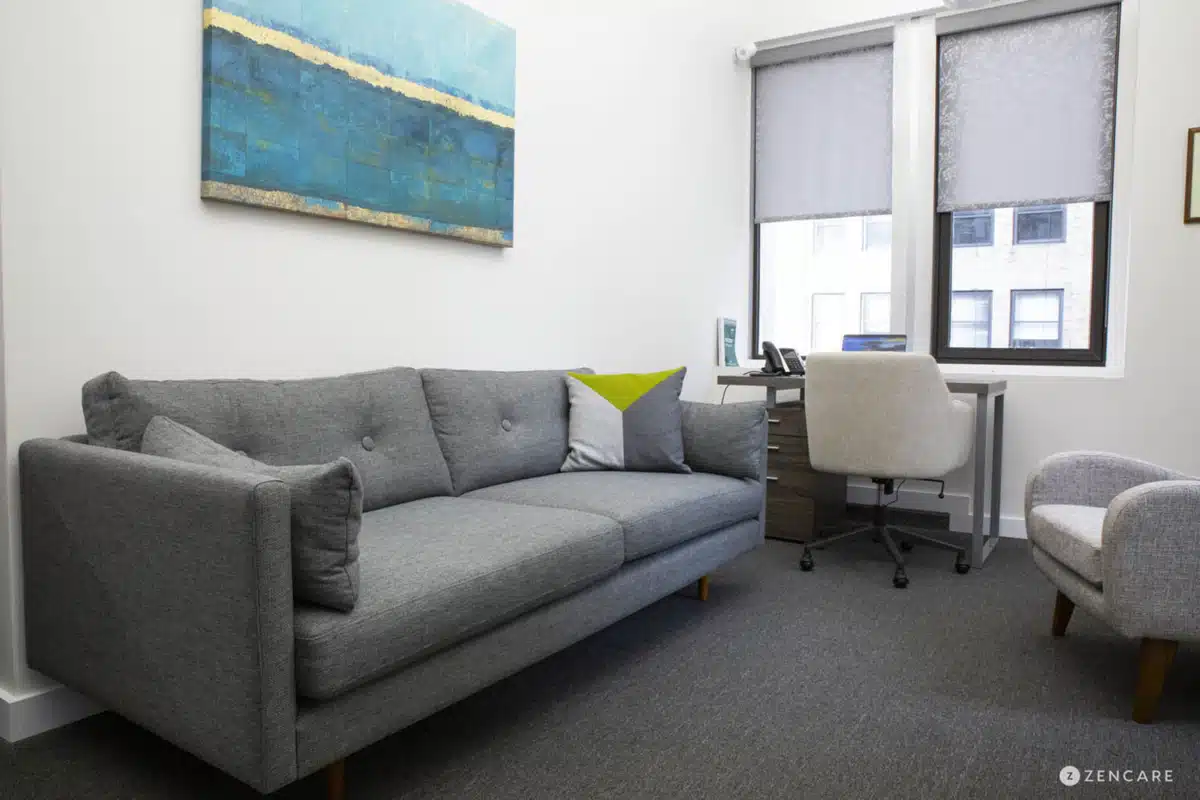
Outpatient Clinic
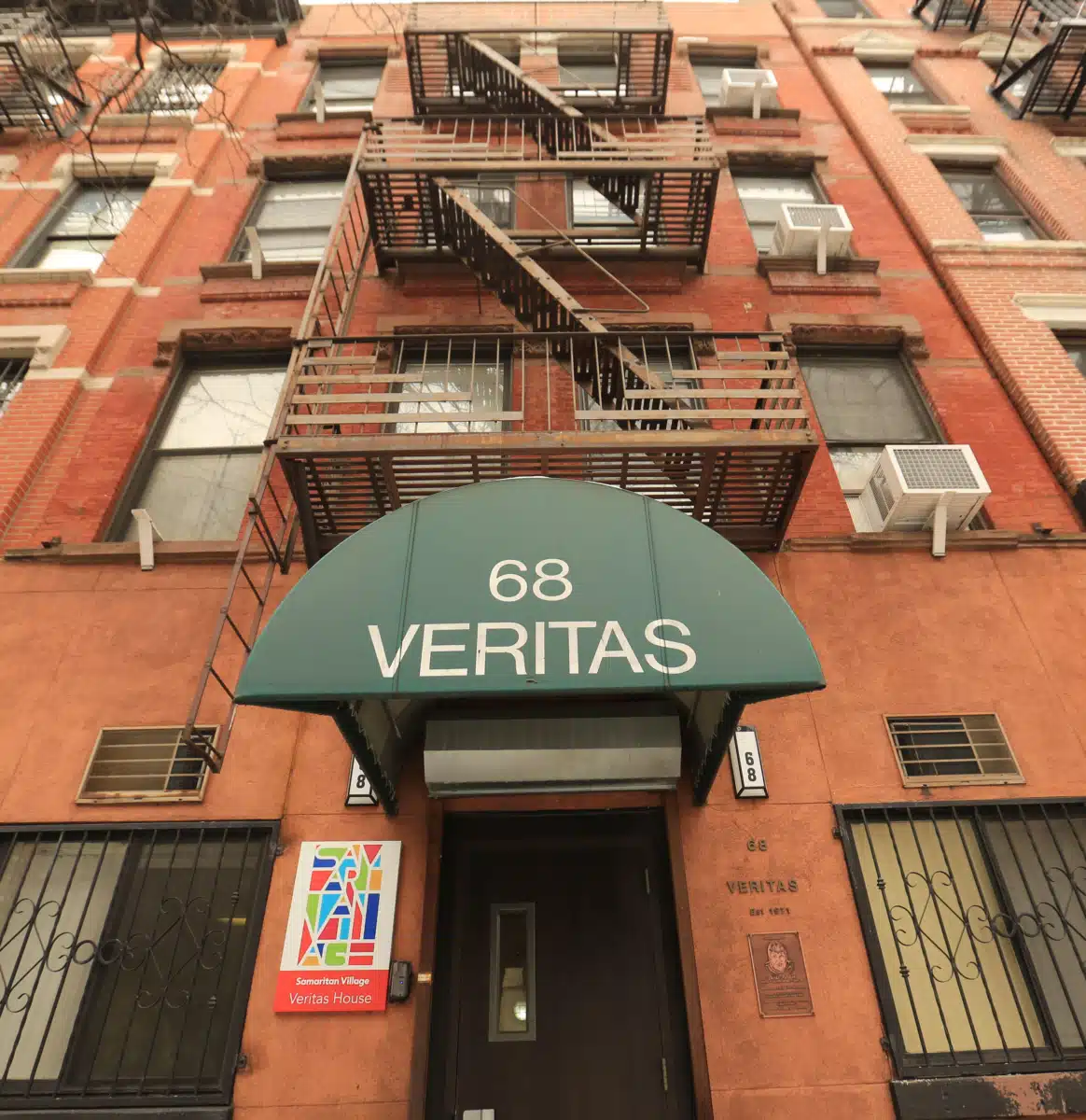
Residential Reintegration

Outpatient Clinic 1

Clinic 23/Third Horizon Clinic

ABLE Halfway House/SA

West Midtown Medical Group OTP 1
IR/Young Mothers/Infants/Toddlers
Outpatient Clinic
Rehab Reintegration
Outpatient Rehabilitation
Outpatient Clinic
Treatment Options in New York
Treatment Locations in New York
Treatment centers are located throughout Manhattan, Brooklyn, Queens, the Bronx, and Staten Island. Each borough offers unique program options from intensive urban outpatient to residential facilities.
More Treatment Centers in New York
Brooklyn
53 centers
Bronx
41 centers
Rochester
20 centers
Albany
17 centers
Staten Island
14 centers
Syracuse
10 centers
View all 172 cities in New York
Frequently Asked Questions About Treatment in New York
Sources
Medical Disclaimer
The information on this page is for educational purposes and is not a substitute for professional medical advice. If you or someone you know is experiencing a substance use crisis, call the SAMHSA National Helpline at 1-800-662-4357 (free, confidential, 24/7). For immediate danger, call 911 or the 988 Suicide & Crisis Lifeline by dialing 988.