
Drug & Alcohol Rehab Centers in Mesa, Arizona
Mesa, Arizona — the largest suburb in the United States and the third-largest city in the state — faces substance abuse challenges closely tied to the broader Phoenix metro area's crisis. Maricopa County, which encompasses Mesa, reported over 2,800 suspected opioid deaths between 2020 and 2022, with fentanyl emerging as the primary driver. Opioid addiction has devastated communities across the East Valley, while methamphetamine and alcohol use disorders remain pervasive throughout the region.
Mesa residents have access to a growing network of treatment providers serving the East Valley. Banner Desert Medical Center and Mountain Vista Medical Center offer medical detoxification and inpatient behavioral health services. Community organizations such as A New Leaf, TERROS Health, and Community Bridges Inc. (CBI) operate outpatient clinics, residential programs, and crisis services throughout Mesa and the surrounding area. The East Valley's rapid population growth has spurred expansion of treatment capacity in recent years.
Arizona's Medicaid program, AHCCCS (Arizona Health Care Cost Containment System), covers substance use disorder treatment for eligible residents. AHCCCS contracts with regional behavioral health authorities, and Mercy Care manages behavioral health services for the Maricopa County region. This integrated system provides access to medication-assisted treatment (MAT), intensive outpatient programs, crisis stabilization, and peer support services for Mesa residents who qualify.
Beyond clinical care, Mesa's recovery community benefits from Arizona's year-round climate, which supports outdoor and adventure-based therapeutic approaches. Programs in the East Valley incorporate desert hiking, equine therapy, and wilderness experiences as complements to traditional treatment. Whether someone is struggling with heroin addiction, prescription drug dependency, or cocaine use, Mesa and the greater East Valley offer diverse pathways to recovery supported by strong community organizations and expanding healthcare infrastructure.
The Addiction Treatment Landscape in Mesa
Mesa's addiction treatment landscape operates within the broader Maricopa County behavioral health system, one of the largest in the nation. SAMHSA lists over 50 treatment facilities within Mesa and the immediate East Valley, with hundreds more across the Phoenix metropolitan area. Maricopa County has experienced a severe opioid crisis, with fentanyl-related deaths increasing dramatically since 2018. The Arizona Department of Health Services declared a public health emergency for opioids, which accelerated funding and expanded treatment capacity across the state.
Arizona's behavioral health system is organized through AHCCCS, which manages care delivery through contracted health plans. Mercy Care serves as the regional behavioral health authority for Maricopa County, coordinating services including substance use treatment, crisis intervention, and housing support. The Arizona Complete Health plan also provides behavioral health coverage to AHCCCS members. This managed-care structure means Mesa residents can access a coordinated continuum of care from withdrawal management through recovery housing with care coordination support.
Major providers in the Mesa area include Community Bridges Inc. (CBI), which operates Access Point crisis facilities and residential treatment, and TERROS Health, which provides integrated behavioral health across the Valley. Banner Behavioral Health Hospital in nearby Scottsdale accepts patients from Mesa for acute psychiatric and substance use stabilization. The Mesa area also hosts numerous private treatment centers offering dual-diagnosis care and specialized programming for professionals, young adults, and families. The Valley's strong holistic therapy tradition means many programs incorporate mindfulness, yoga, and nature-based activities into clinical treatment.
Types of Addiction Treatment Available in Mesa
Mesa and the East Valley offer every level of care in the addiction treatment continuum. Medical detox programs at Banner Desert Medical Center and Mountain Vista Medical Center provide 24-hour supervised withdrawal management for alcohol, opioids, benzodiazepines, and stimulants. Residential treatment programs in the area range from 30-day short-term stays to 90-day or longer therapeutic communities. Community Bridges operates residential facilities in the East Valley that accept AHCCCS and serve individuals with complex needs.
Partial hospitalization programs (PHP) and intensive outpatient programs (IOP) are available at multiple Mesa locations, providing structured treatment several days per week while allowing patients to maintain daily routines. Standard outpatient services include individual therapy, group counseling, and family education sessions. Evidence-based modalities commonly used by Mesa providers include cognitive-behavioral therapy (CBT), motivational interviewing, EMDR for trauma processing, and dialectical behavior therapy.
Medication-assisted treatment (MAT) has expanded significantly across the Mesa area. Multiple clinics offer buprenorphine (Suboxone) prescribing, and opioid treatment programs provide daily methadone dosing. Extended-release naltrexone (Vivitrol) is available for both opioid and alcohol use disorders. Arizona's desert environment supports unique therapeutic opportunities — equine-assisted therapy, adventure-based counseling, and outdoor mindfulness programs are available at several East Valley facilities. Sober living homes in Mesa, Gilbert, and Chandler provide structured transitional housing, and holistic therapies including acupuncture, yoga, and art therapy complement clinical programming at many providers.
Insurance and Payment Options for Mesa Rehab
Most addiction treatment facilities in Mesa accept a variety of insurance plans. The federal Mental Health Parity and Addiction Equity Act and Arizona state regulations require insurers to provide coverage for substance use disorder treatment on par with medical and surgical care. Major private insurers accepted across the East Valley include Blue Cross Blue Shield of Arizona, Aetna, Cigna, UnitedHealthcare, and Banner Health's insurance affiliates.
AHCCCS, Arizona's Medicaid program (Arizona Health Care Cost Containment System), provides extensive behavioral health coverage for eligible residents. AHCCCS covers medical detox, residential treatment, intensive outpatient services, outpatient counseling, medication-assisted treatment, crisis intervention, and peer support. Mercy Care and Arizona Complete Health manage AHCCCS behavioral health services in Maricopa County, coordinating care and authorizing treatment placements for Mesa residents.
For uninsured Mesa residents, Arizona's crisis system provides a safety net. Community Bridges' Access Point facilities accept individuals in crisis regardless of insurance, providing stabilization and treatment referral. TERROS Health and other community providers offer sliding-fee-scale services. The Arizona 2-1-1 information line connects callers with local resources, and the Maricopa County Department of Public Health can assist with AHCCCS enrollment. Many treatment centers in the area also offer payment plans and financial assistance programs for those who do not qualify for public coverage.
Local Addiction Resources in Mesa
Mesa and the East Valley maintain a network of crisis and recovery support resources. The Arizona Crisis Line (1-800-631-1314 or text HOME to 741741) provides 24/7 crisis intervention and referral for substance use and mental health emergencies. Community Bridges' Access Point crisis centers offer walk-in stabilization services. The SAMHSA National Helpline (1-800-662-4357) provides free referrals nationwide, and 988 connects callers to the Suicide and Crisis Lifeline.
Mutual aid meetings are widely available across the East Valley. Alcoholics Anonymous meetings are coordinated through the East Valley AA Intergroup, with meetings held daily in Mesa, Gilbert, Chandler, and Tempe. Narcotics Anonymous Arizona Region hosts regular meetings throughout the Phoenix metro area. SMART Recovery, Celebrate Recovery, and Refuge Recovery also maintain active groups in the East Valley. The Arizona state resource page provides additional statewide recovery information.
Community organizations strengthen Mesa's recovery ecosystem. A New Leaf provides emergency shelter, housing assistance, and behavioral health services in the East Valley. Arizonans for Prevention offers substance abuse prevention education and naloxone training. The Mesa Public Library system hosts recovery-oriented programming and resource guides. Naloxone is available through many Maricopa County pharmacies and community distribution events. Al-Anon and Nar-Anon support groups meet regularly in the East Valley for family members affected by a loved one's addiction.
Want us to find the perfect facility for you?
Call now - it's completely free!
Showing 4 of 24 results
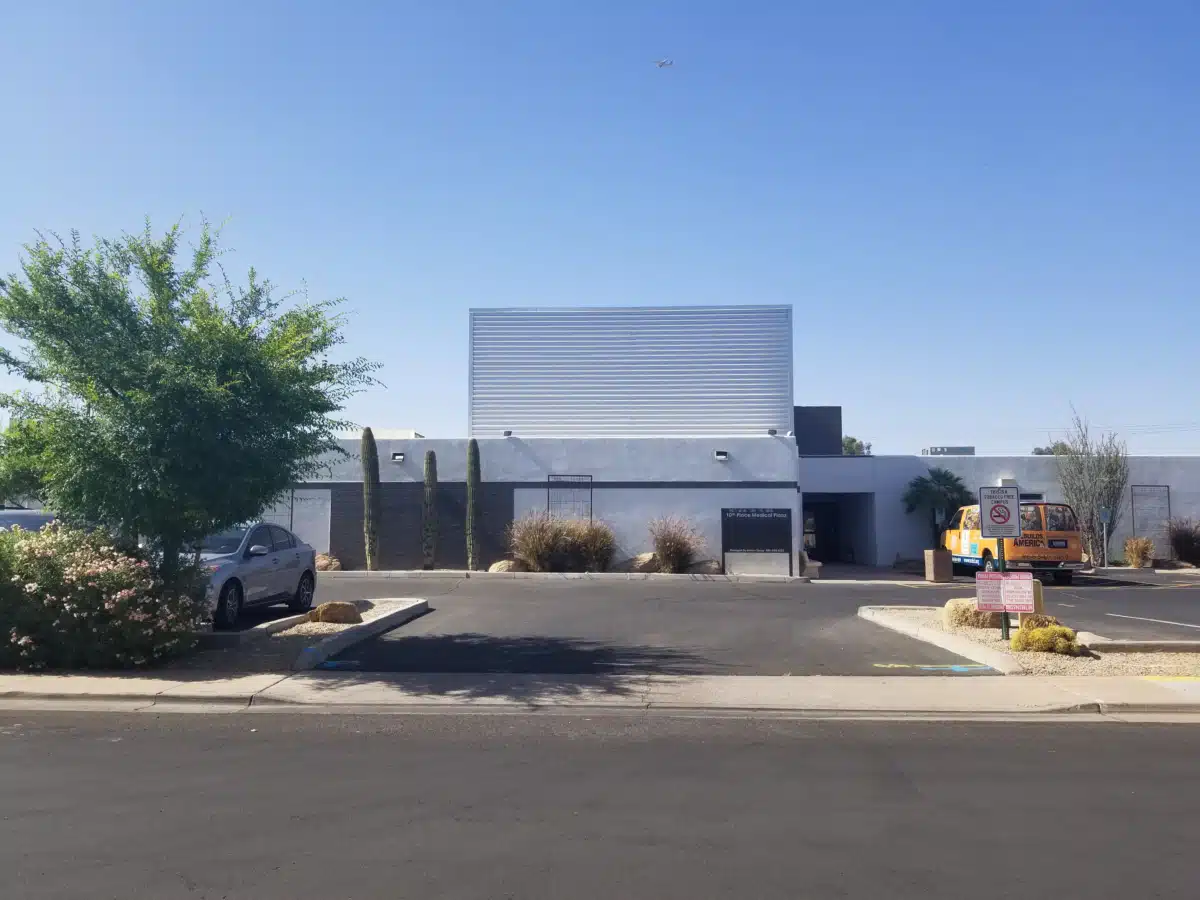
South Mesa
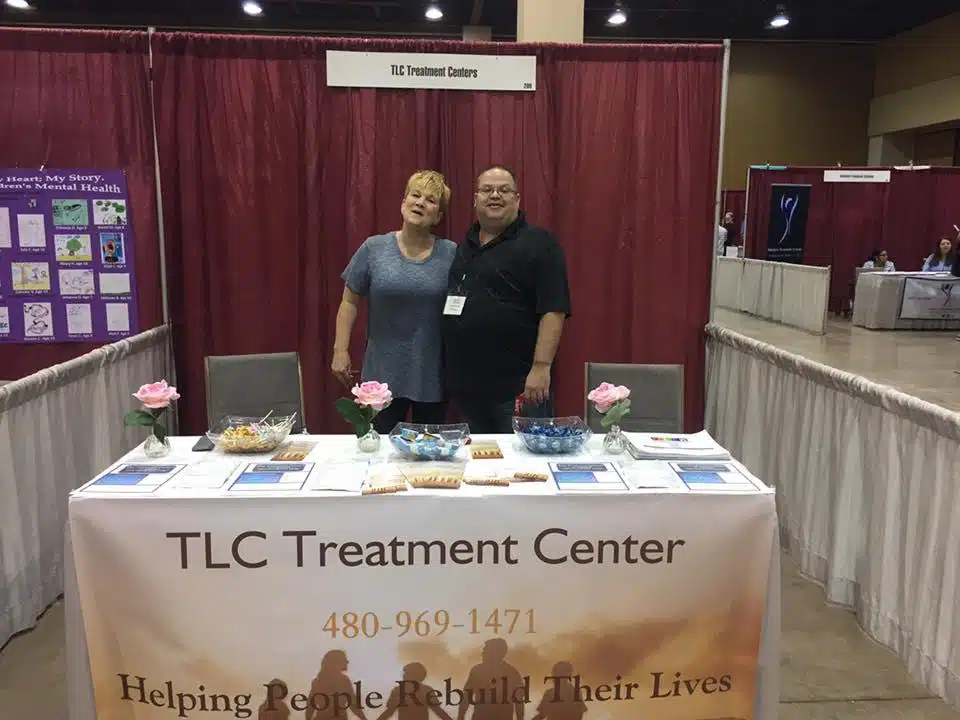
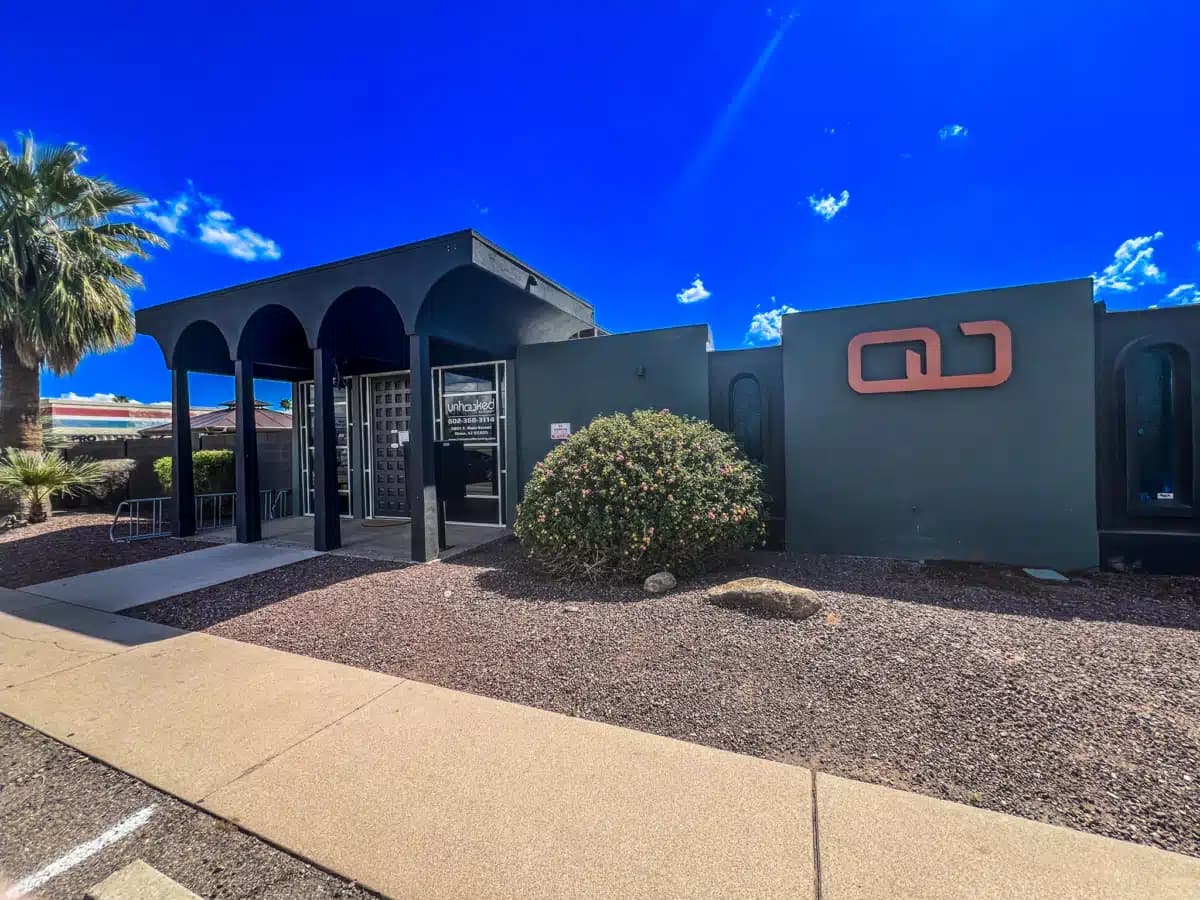
Main Street
Treatment Options in Mesa
Treatment Locations in Mesa
Treatment facilities serve Mesa communities from downtown and the arts district to East Mesa, Superstition Springs, and surrounding East Valley cities including Gilbert, Chandler, and Apache Junction.
More Treatment Centers in Arizona
Phoenix
72 centers
Tucson
54 centers
Scottsdale
21 centers
Prescott
16 centers
Tempe
13 centers
Glendale
12 centers
View all 63 cities in Arizona
Frequently Asked Questions About Treatment in Mesa
Sources
Medical Disclaimer
The information on this page is for educational purposes and is not a substitute for professional medical advice. If you or someone you know is experiencing a substance use crisis, call the SAMHSA National Helpline at 1-800-662-4357 (free, confidential, 24/7). For immediate danger, call 911 or the 988 Suicide & Crisis Lifeline by dialing 988.