
Drug & Alcohol Rehab Centers in Georgia
Georgia is home to approximately 600 licensed addiction treatment facilities, serving a state where substance use disorders affect hundreds of thousands of residents annually. The Georgia Department of Behavioral Health and Developmental Disabilities (DBHDD) reports that the state recorded approximately 2,500 drug overdose deaths in 2022, with opioid-related fatalities — particularly those involving fentanyl — accounting for the majority of those losses.
Atlanta anchors Georgia's treatment infrastructure, with Emory Healthcare, Grady Health System, and Piedmont Healthcare providing clinically advanced addiction services including medication-assisted treatment (MAT), cognitive behavioral therapy (CBT), and integrated dual-diagnosis programs for co-occurring mental health and substance use disorders. Beyond the metro area, Georgia has a notably strong faith-based treatment sector, with Christian recovery programs operating across the state from Savannah to the North Georgia mountains.
Georgia's treatment landscape spans the full ASAM continuum, from medical detoxification and residential programs in Atlanta and Augusta to intensive outpatient (IOP) services in suburban communities and telehealth-based care reaching rural South Georgia. The state's geographic diversity — coastal plains, Piedmont region, and Appalachian foothills — offers varied therapeutic settings, and many residential facilities incorporate outdoor and experiential therapies into their evidence-based clinical models.
Addiction Treatment Landscape in Georgia
Georgia's substance use challenges are shaped by its position as a major Southeast transportation hub and by persistent rural health disparities. The state sits along Interstate 75 and I-85 drug trafficking corridors, contributing to high availability of fentanyl, heroin, and methamphetamine. Rural Georgia counties face some of the highest per capita overdose death rates, combined with the fewest treatment options per resident.
Key statistics:
- Approximately 2,500 drug overdose deaths in 2022 (Georgia DBHDD)
- About 600 licensed treatment facilities statewide (SAMHSA N-SSATS)
- Fentanyl involved in over 65% of opioid-related deaths in Georgia
- Methamphetamine treatment admissions have more than doubled since 2017 in rural Georgia
The DBHDD coordinates behavioral health services through a network of Community Service Boards (CSBs) — 22 regional agencies that provide publicly funded treatment across all 159 Georgia counties. Georgia has also invested in the Georgia Opioid Response program, funded through federal State Opioid Response (SOR) grants, which has expanded naloxone distribution, MAT access, and peer recovery support services in high-need areas.
Regional treatment patterns reflect Georgia's diversity. Metro Atlanta (Fulton, DeKalb, Gwinnett, Cobb counties) has the highest concentration of treatment providers, including Emory-affiliated programs, private residential centers, and community health organizations. Augusta, home to the Medical College of Georgia, serves as an eastern hub. Savannah and coastal Georgia address alcohol use disorder alongside tourism-related substance use patterns. North Georgia mountain communities near Blue Ridge and Dahlonega offer retreat-style residential programs, while South Georgia relies more heavily on telehealth and CSB-delivered services.
Types of Treatment Available in Georgia
Georgia provides the full range of ASAM levels of care for addiction treatment:
- Medical Detoxification: Hospital-based and standalone detox programs in Atlanta, Augusta, Columbus, and Savannah. Grady Memorial Hospital in Atlanta operates one of the largest publicly funded detox units in the Southeast.
- Residential Treatment: Options range from 30-day clinical programs in metro Atlanta to extended-stay faith-based recovery homes and mountain retreat centers in North Georgia. The Ridgeview Institute and Talbott Recovery are among the state's well-known residential providers.
- Partial Hospitalization (PHP): Structured day programs available primarily in Atlanta, Augusta, and Savannah, offering 5-7 days of intensive treatment per week.
- Intensive Outpatient (IOP): Flexible 3-5 day per week programs available across metro Atlanta and other major cities, allowing clients to maintain work and family obligations.
- Standard Outpatient: Weekly individual and group counseling delivered through CSBs, private practices, and community health centers statewide.
- Telehealth Services: Georgia has expanded telehealth for behavioral health services, providing essential access for the state's many rural counties where in-person treatment options are limited.
Georgia's faith-based treatment sector is one of the strongest in the Southeast, with programs like Celebrate Recovery, faith-based residential communities, and church-affiliated counseling centers offering spiritually oriented recovery alongside clinical care. Many programs integrate 12-step facilitation with pastoral counseling. Secular options including SMART Recovery are available primarily in metro areas.
Insurance & Georgia Families Medicaid Coverage
Georgia is one of the states that has not expanded Medicaid under the Affordable Care Act, which limits public coverage options for low-income adults. The state's traditional Medicaid program, Georgia Families, covers substance use disorder treatment for eligible populations including pregnant women, children, individuals with disabilities, and very low-income parents. Georgia Families covers:
- Outpatient substance abuse treatment
- Intensive outpatient services
- Residential treatment (with prior authorization)
- Detoxification services
- Medication-assisted treatment (methadone, buprenorphine, naltrexone)
- Peer support and case management
Georgia implemented a limited Medicaid expansion through the Georgia Pathways to Coverage program in 2023, which provides coverage to adults earning up to 100% of the federal poverty level who meet work or community engagement requirements. However, enrollment has been significantly lower than projected, leaving many low-income Georgians without coverage for addiction treatment.
Private insurance plans in Georgia must comply with the federal Mental Health Parity and Addiction Equity Act (MHPAEA), requiring coverage of addiction treatment at parity with medical benefits. Major insurers including Blue Cross Blue Shield of Georgia (Anthem), UnitedHealthcare, Cigna, Aetna, and Kaiser Permanente (metro Atlanta) cover the full continuum of care.
For uninsured individuals, Georgia's 22 Community Service Boards (CSBs) provide publicly funded treatment regardless of insurance status, supported by SAMHSA block grants and state funding. The DBHDD also funds crisis stabilization units and the Georgia Crisis and Access Line (GCAL) at 1-800-715-4225 for immediate assistance.
Want us to find the perfect facility for you?
Call now - it's completely free!
Showing 20 of 240 results
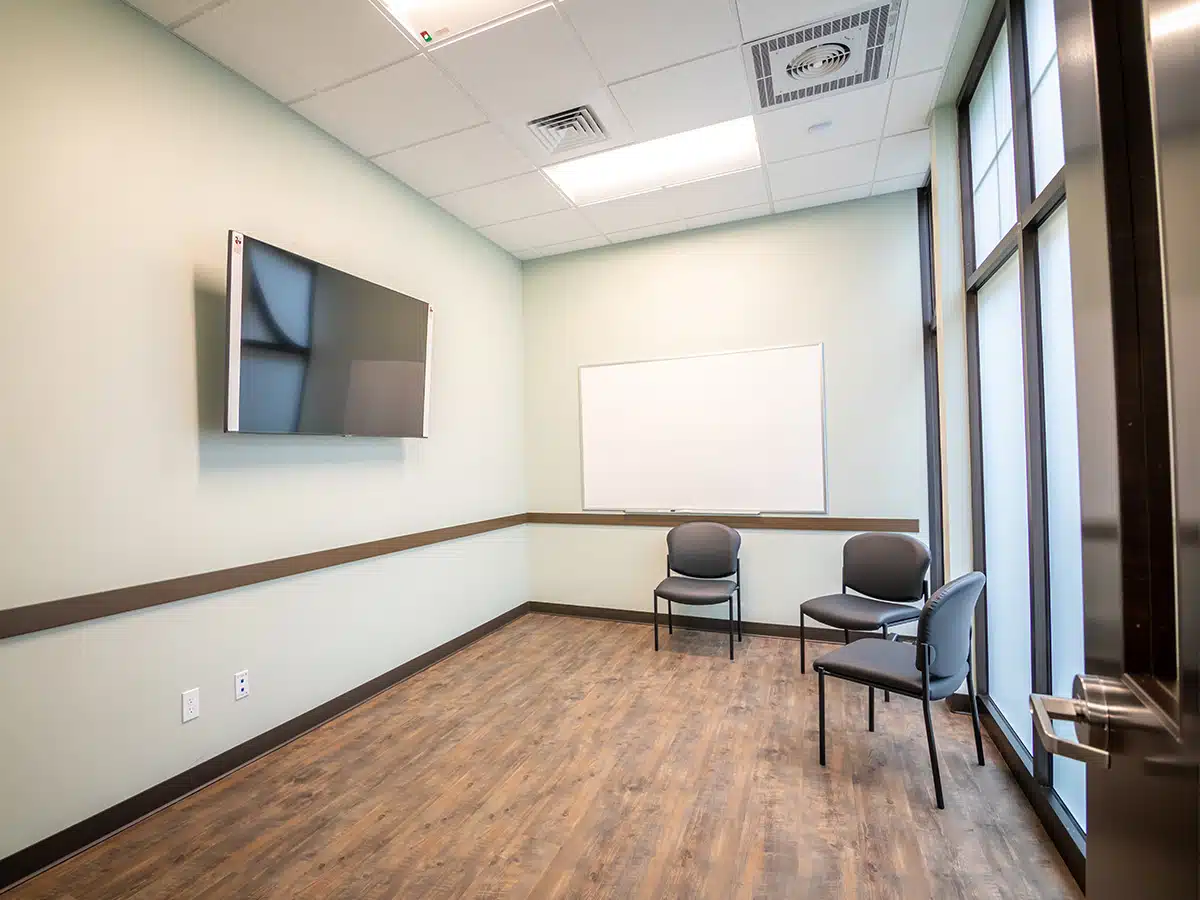
Walton County Treatment Center LLC
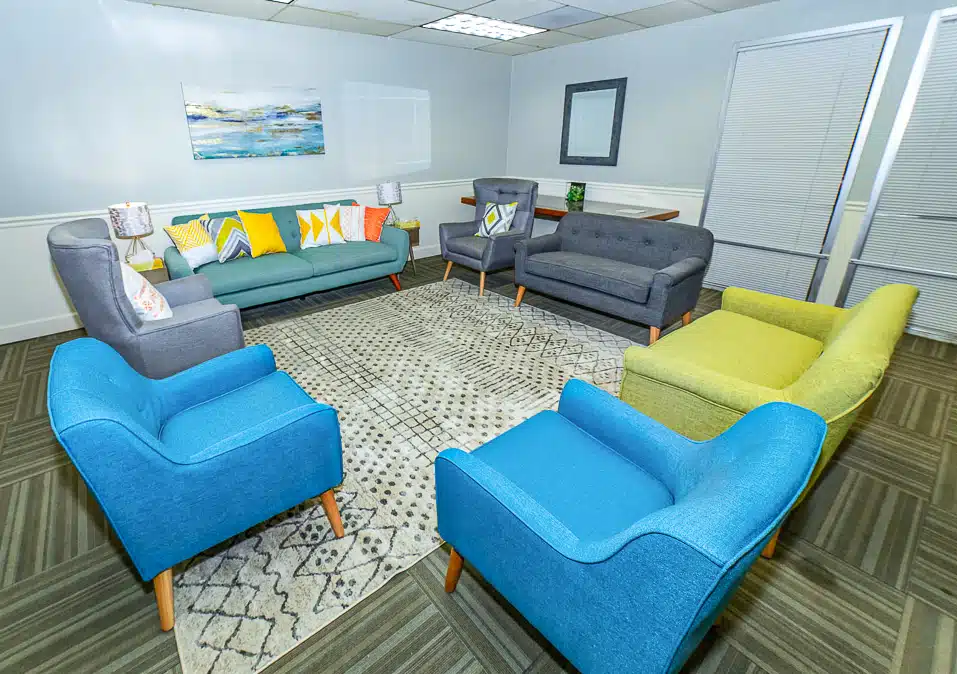
Mens Recovery Center

DeKalb and Fulton Centers
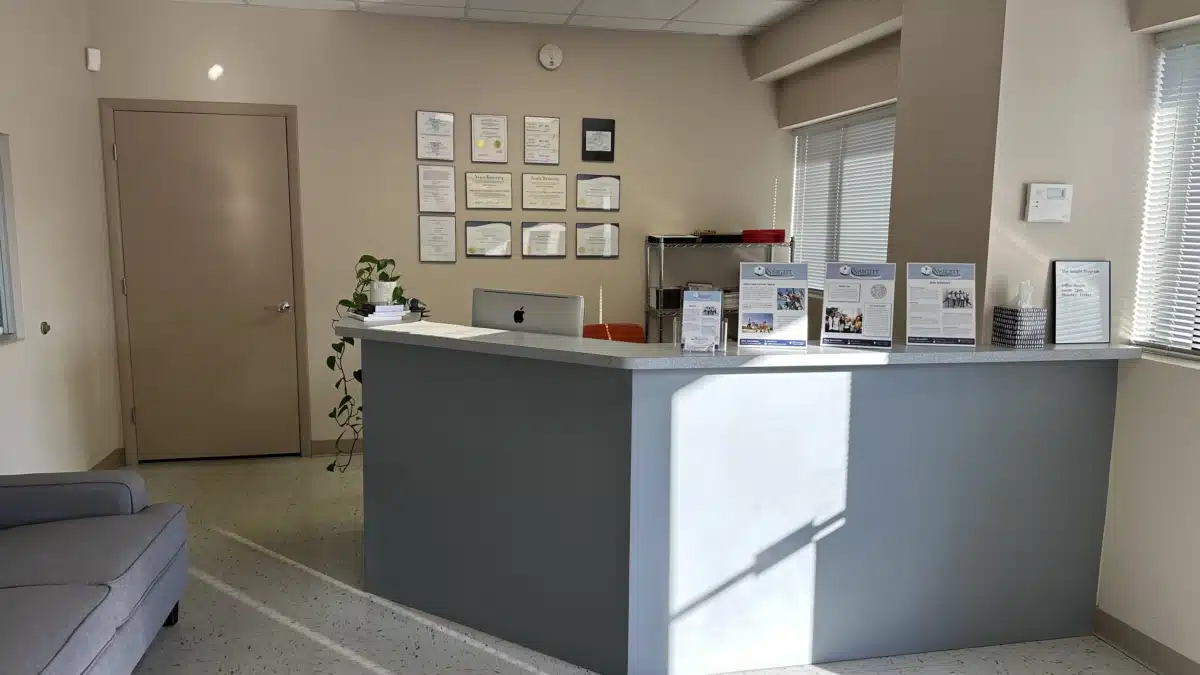
Atlanta
Chatsworth Georgia
Womens Recovery Center
Blairsville
Counseling Services
Behavioral Health Counseling Center
DBA Bishop Foundation
Columbus North
Treatment Highlights in Georgia
Popular Cities in Georgia
Atlanta
29 centers
Decatur
10 centers
Athens
9 centers
Savannah
9 centers
Marietta
8 centers
Augusta
7 centers
Statesboro
6 centers
Valdosta
6 centers
View all 92 cities in Georgia
Frequently Asked Questions About Treatment in Georgia
Sources
Medical Disclaimer
The information on this page is for educational purposes and is not a substitute for professional medical advice. If you or someone you know is experiencing a substance use crisis, call the SAMHSA National Helpline at 1-800-662-4357 (free, confidential, 24/7). For immediate danger, call 911 or the 988 Suicide & Crisis Lifeline by dialing 988.