
Drug & Alcohol Rehab Centers in Denver, Colorado
Denver, Colorado, is the Mile High City and the state's capital, with a metropolitan population exceeding 2.9 million residents. Known for its outdoor lifestyle, booming economy, and proximity to the Rocky Mountains, Denver has also experienced significant substance use challenges as the city's population has grown rapidly. The Colorado Department of Public Health and Environment reports that Denver County experienced over 500 drug overdose deaths in 2023, with fentanyl accounting for the majority of fatalities. Opioid addiction, alcohol use disorder, and methamphetamine misuse are the most commonly treated substance use disorders in the Denver area, while cannabis use disorder has also drawn clinical attention since recreational legalization.
Denver's treatment infrastructure benefits from a strong network of academic medical centers, nonprofit providers, and innovative programs that incorporate Colorado's unique outdoor environment. UCHealth, Denver Health, and SCL Health (now Intermountain Health) operate comprehensive behavioral health and addiction medicine programs. Denver Health, the city's safety-net health system, operates one of the region's largest addiction treatment programs, providing detox, residential, outpatient, and medication-assisted treatment (MAT) services regardless of ability to pay.
Colorado has been at the forefront of integrating outdoor and adventure-based approaches into addiction treatment. The state's mountain environment supports residential treatment programs that incorporate hiking, rock climbing, equine therapy, and wilderness expeditions as therapeutic modalities. Young adult and collegiate recovery programs have expanded in response to Denver's growing population of young professionals. Medical detox facilities, residential programs, and outpatient clinics serve communities throughout the metro area and into the mountain corridor.
Whether someone is seeking help for heroin addiction, prescription drug dependence, cocaine misuse, or benzodiazepine use disorder, Denver provides a unique treatment environment that combines clinical excellence with Colorado's restorative natural landscape. The city's progressive health policies, affordable treatment options, and emphasis on active recovery make it an increasingly popular destination for individuals seeking to rebuild their lives.
The Addiction Treatment Landscape in Denver
Denver's addiction treatment landscape reflects Colorado's progressive approach to behavioral health and the severity of the state's overdose crisis. SAMHSA's treatment locator lists approximately 180 treatment facilities in the Denver-Aurora-Lakewood metropolitan area. The Colorado Office of Behavioral Health (OBH), within the Department of Human Services, oversees the state's substance use treatment system and funds services through managed service organizations, community mental health centers, and direct contracts with treatment providers.
Colorado's overdose crisis has intensified with the proliferation of illicit fentanyl. Denver County has experienced a dramatic increase in fentanyl-related deaths, prompting the city to declare a fentanyl emergency and expand naloxone access through libraries, recreation centers, and community organizations. The Denver Department of Public Health and Environment coordinates overdose prevention strategies, and the Denver Drug Strategy coordinates multi-agency efforts. Methamphetamine remains a persistent concern, and alcohol-related deaths continue to rank among the highest in the nation—Colorado consistently reports some of the highest per capita rates of excessive alcohol use. Co-occurring mental health and substance use disorders are treated as integrated conditions at most Denver-area providers.
Major treatment providers include Denver Health's Behavioral Health division (operating the Denver CARES detox facility and outpatient addiction services), UCHealth's addiction medicine programs, Sandstone Care (specializing in young adults), the Colorado Center for Recovery, and Jefferson Center for Mental Health. Mountain-based residential programs like Jaywalker Lodge and The Recovery Village at Palmer Lake offer treatment in Colorado's mountain environment. Private centers offer intensive outpatient programs, adventure therapy, and dual-diagnosis specialization.
Types of Addiction Treatment Available in Denver
Denver provides a full continuum of addiction treatment services. Medical detoxification is available at Denver CARES (the city's publicly funded detox facility), Denver Health, UCHealth facilities, and private detox centers. These programs provide medically supervised withdrawal management for alcohol, opioids, benzodiazepines, and other substances. Inpatient rehabilitation programs in the Denver metro area and nearby mountain communities offer 28- to 90-day treatment with structured programming, and some programs extend to six months or longer for young adults.
Partial hospitalization programs (PHP) provide structured clinical treatment five to seven days per week while patients reside at home or in sober living. Intensive outpatient programs (IOP) typically meet three to five times per week and accommodate working professionals and students. Standard outpatient treatment includes individual counseling, group therapy, and ongoing recovery management. Collegiate recovery programs at University of Colorado and other institutions support students in recovery.
Denver's treatment community is distinguished by its integration of outdoor and experiential therapies. Cognitive-behavioral therapy (CBT), motivational interviewing, dialectical behavior therapy, and trauma-focused approaches form the clinical foundation. Medication-assisted treatment with buprenorphine, naltrexone, and methadone is widely available across the metro area. Adventure therapy programming includes rock climbing, hiking, mountain biking, skiing, and wilderness expeditions. Equine-assisted therapy is offered at several programs in the foothills. Holistic therapies including yoga, meditation, breathwork, and acupuncture complement clinical approaches. Sober living homes in Cherry Creek, the Highlands, Capitol Hill, and Boulder provide structured transitional housing with access to Colorado's active outdoor lifestyle.
Insurance and Payment Options for Denver Rehab
Most addiction treatment facilities in Denver accept a variety of insurance plans. Colorado law requires health insurers to cover substance use disorder treatment, and the federal Mental Health Parity and Addiction Equity Act mandates comparable behavioral health and medical/surgical benefits. Colorado's Division of Insurance actively enforces parity requirements, and the state has been a leader in behavioral health access legislation.
Health First Colorado, the state's Medicaid program, provides comprehensive substance use disorder coverage including outpatient counseling, medication-assisted treatment, residential rehabilitation, withdrawal management, and recovery support services. Colorado expanded Medicaid under the ACA, significantly increasing access to addiction treatment for low-income residents. Regional Accountable Entities (RAEs) administer Medicaid behavioral health benefits across the state, with multiple RAEs serving the Denver metro area. Connect for Health Colorado, the state's ACA marketplace, offers qualified health plans that include essential health benefits covering addiction treatment.
Private insurance carriers commonly accepted at Denver treatment centers include Anthem Blue Cross Blue Shield, Kaiser Permanente Colorado, Cigna, UnitedHealthcare, Aetna, and Humana. Denver Health provides treatment regardless of ability to pay as the city's safety-net provider. The Denver CARES detox facility accepts individuals regardless of insurance status. State-funded treatment through the Colorado Office of Behavioral Health supports access for uninsured residents through community providers. Many private facilities have insurance verification staff to confirm benefits before admission.
Local Addiction Resources in Denver
Denver offers robust addiction support resources beyond formal treatment. The Colorado Crisis Services line (1-844-493-8255) provides 24/7 support for mental health and substance use crises, including walk-in crisis stabilization centers in the Denver metro area. The SAMHSA National Helpline (1-800-662-4357) provides free, confidential treatment referrals around the clock. Colorado 211 connects residents with local substance abuse resources and community services. The Denver Department of Public Health and Environment provides overdose prevention resources and naloxone access information.
Denver's recovery community is active and diverse. Alcoholics Anonymous meetings are held daily throughout the metro area through the Denver Area Central Committee. Narcotics Anonymous, SMART Recovery, Refuge Recovery, LifeRing, Celebrate Recovery, and Al-Anon meetings provide varied peer support. The Phoenix, a nationwide sober-active community headquartered in Denver, offers free fitness classes, outdoor adventures, and social events for anyone with 48 or more hours of sobriety. The Colorado state resource page provides additional information on statewide treatment programs and hotlines.
Community organizations play a significant role in Denver's addiction response. The Harm Reduction Action Center in Denver operates syringe services and overdose prevention programs. Denver's Co-Responder program pairs mental health clinicians with police officers for behavioral health-related calls. The Denver Drug Court provides supervised treatment as an alternative to incarceration. Young People in Recovery, headquartered in Denver, supports young adults building lives in recovery through employment, education, and housing programs.
Want us to find the perfect facility for you?
Call now - it's completely free!
Showing 20 of 52 results


Colorado

Colfax


IDEA Denver
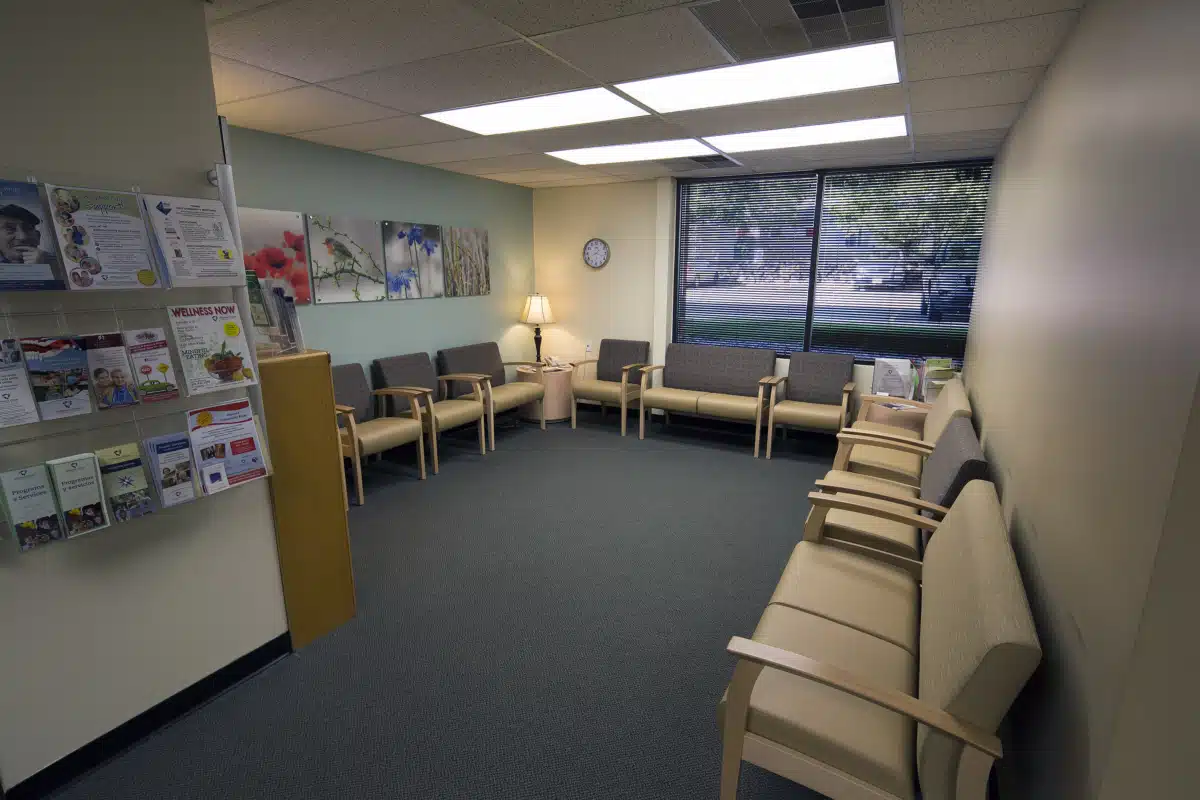
West Colfax Office

IDEA Thornton
Alameda Office
Union Office
Jefferson Plaza
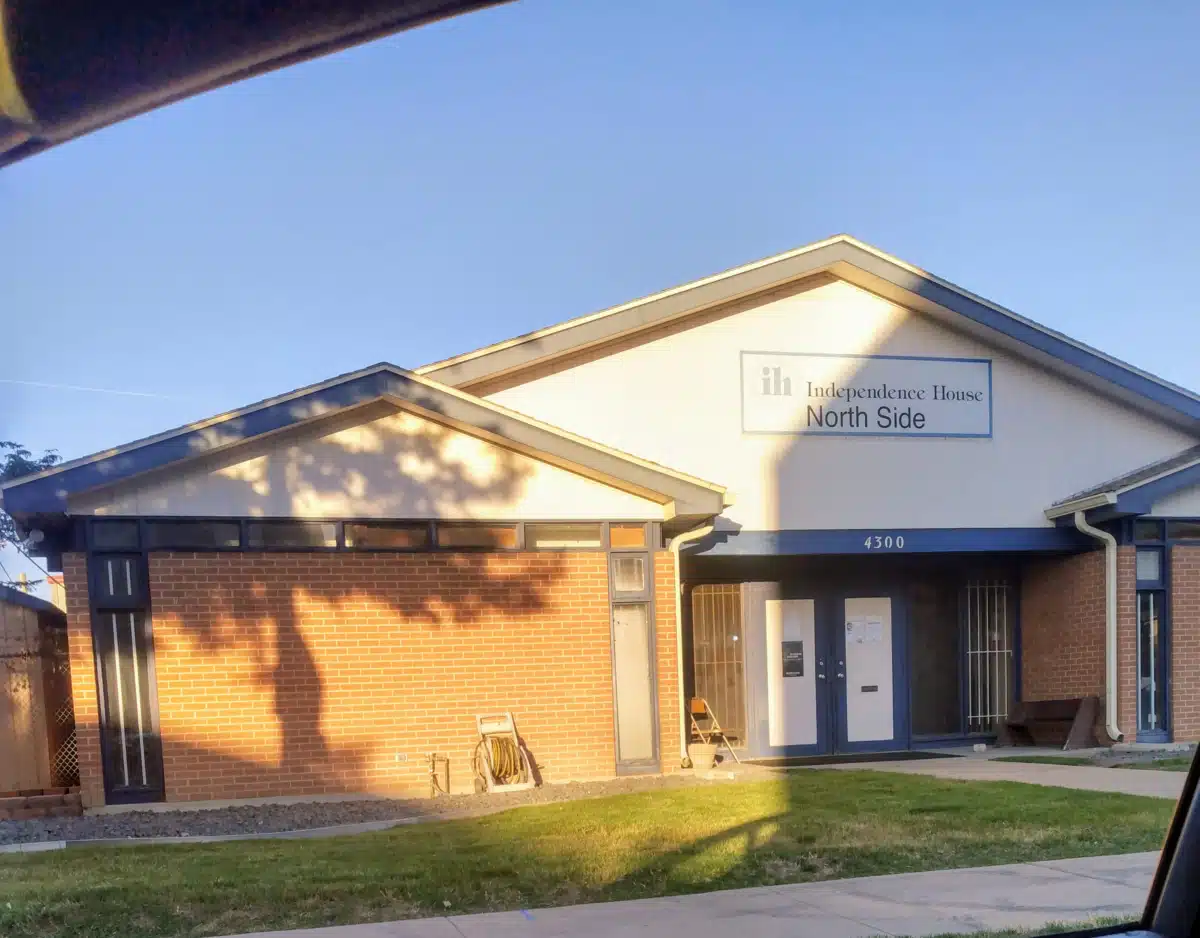
Northside Outpatient Services

Drug Abuse/DBA Mile High Behav Hlth

Thornton
Treatment Options in Denver
Treatment Locations in Denver
Treatment options span from downtown Denver and LoDo to Cherry Creek, the Highlands, and mountain communities within easy reach for residential treatment.
More Treatment Centers in Colorado
Colorado Springs
22 centers
Aurora
13 centers
Pueblo
11 centers
Littleton
8 centers
Wheat Ridge
8 centers
Englewood
7 centers
View all 69 cities in Colorado
Frequently Asked Questions About Treatment in Denver
Sources
Medical Disclaimer
The information on this page is for educational purposes and is not a substitute for professional medical advice. If you or someone you know is experiencing a substance use crisis, call the SAMHSA National Helpline at 1-800-662-4357 (free, confidential, 24/7). For immediate danger, call 911 or the 988 Suicide & Crisis Lifeline by dialing 988.