
Depression Rehab Centers
Depression and addiction frequently occur together, with each condition worsening the other. Research shows that approximately one-third of people with major depression also have a substance use disorder. Specialized treatment centers offer integrated care that addresses both conditions simultaneously through evidence-based therapies, medication management when appropriate, and holistic approaches. Programs focus on treating the underlying causes of depression, developing healthy coping mechanisms, and building a foundation for lasting recovery from both conditions.
Found 11,945 rehab centers specializing in depression across the United States.
Want us to find the perfect facility for you?
Call now - it's completely free!
Showing 20 of 11945 depression rehab centers
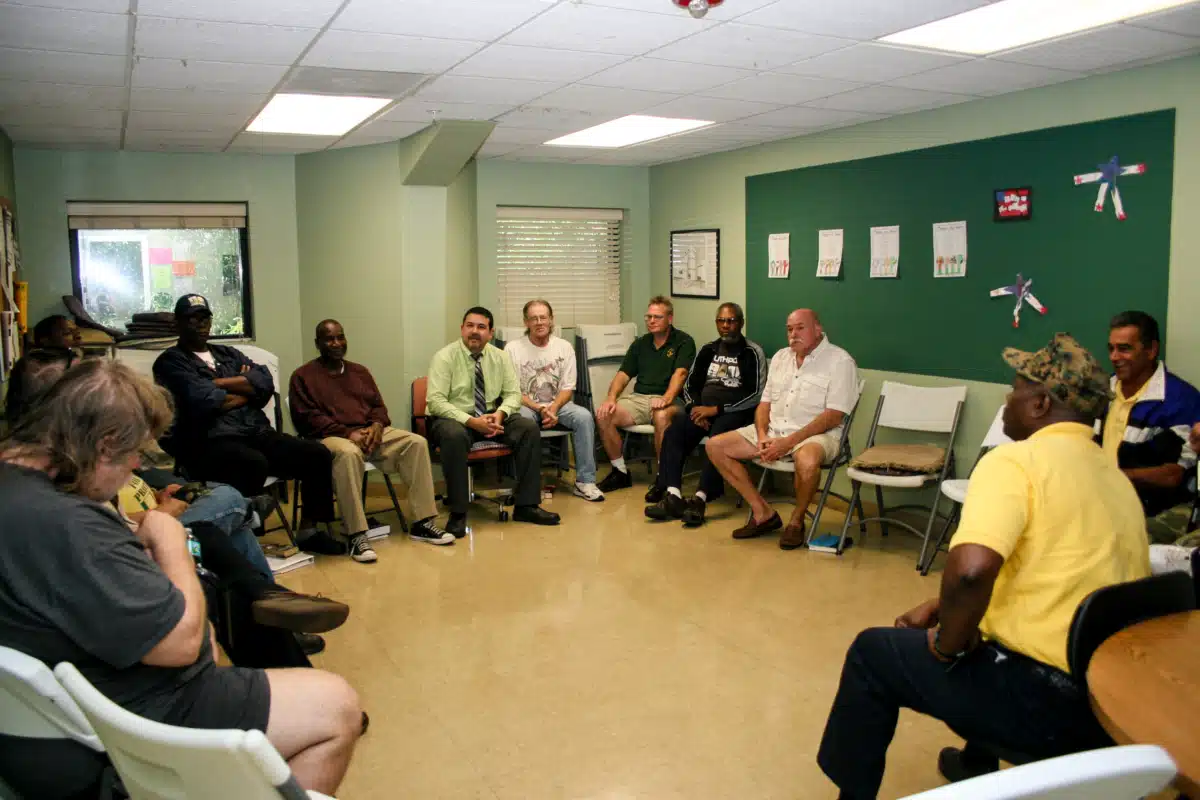
Transition House Inc, located in Saint Cloud, FL, is committed to delivering comprehensive treatment options for substance use disorders among adult men, seniors, and young adults. What sets this facility apart is its specialization in addressing both substance use issues and serious mental health disorders that often coexist. They offer a range of programs tailored to meet varying needs, including long-term, short-term, and 24-hour residential care, ensuring that every individual has access to the level of support that suits their situation best. The center employs a variety of evidence-based approaches, such as 12-step facilitation and anger management, to foster personal growth and recovery. Transition House Inc also pays special attention to the unique challenges faced by active duty military personnel and those who have been affected by intimate partner violence. Their dedicated team is focused on providing high-quality care, which includes implementing brief interventions and creating individualized treatment plans that cater to each person's circumstances and needs. If you or someone you know is looking for an effective rehabilitation experience that prioritizes addressing complex and intertwined issues, Transition House Inc is here to guide and support you on your path to recovery.
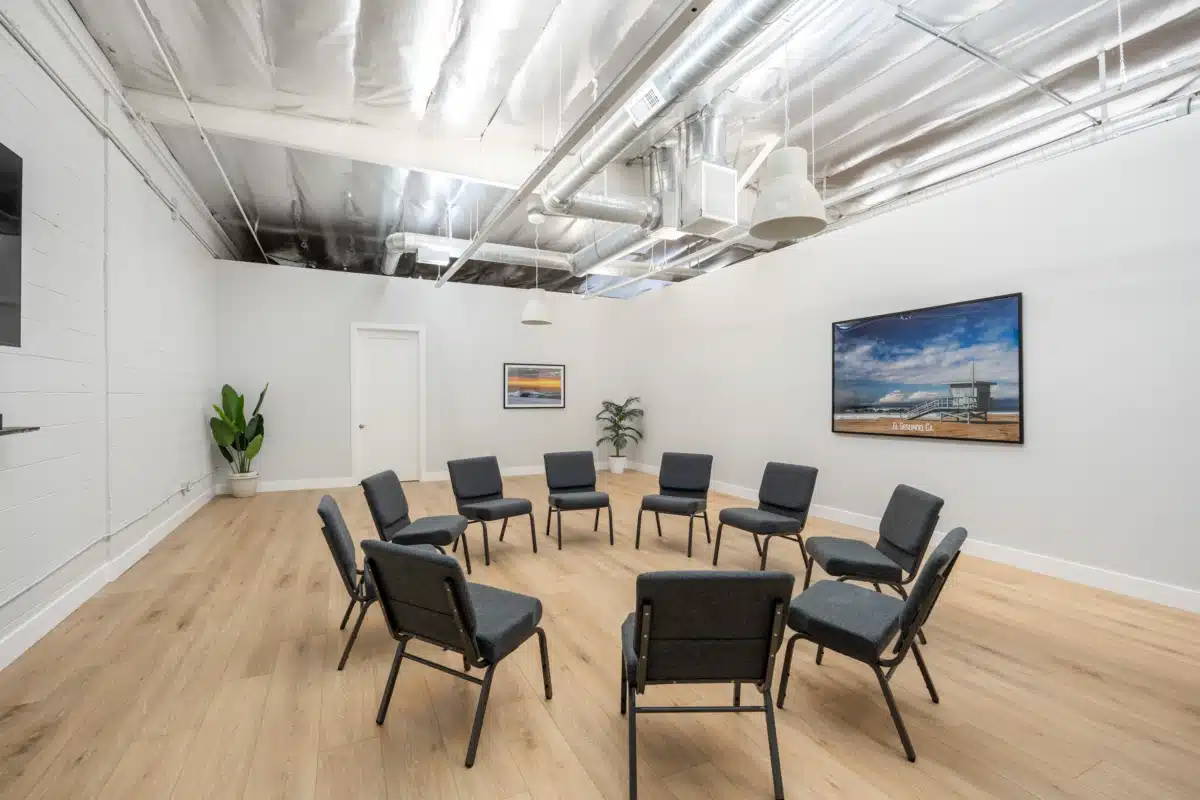
Situated in Van Nuys, California, Insight Treatment Programs is dedicated to providing specialized rehabilitation services tailored for individuals grappling with substance use challenges and co-occurring mental health disorders, whether they are adults or children. The center boasts a variety of treatment options designed to meet diverse needs, which include intensive outpatient programs, outpatient care, and day treatment sessions. With a strong emphasis on approaches such as 12-step facilitation, anger management, and brief interventions, Insight Treatment Programs effectively addresses the complexities faced by both adolescents and those with dual diagnoses. Accommodating clients of all genders and different age groups, the facility focuses on delivering quality care through personalized treatment plans tailored to each individual’s journey toward recovery. By prioritizing holistic wellness and lasting recovery, Insight Treatment Programs aims to provide comprehensive support that nurtures each client's unique path to healing.
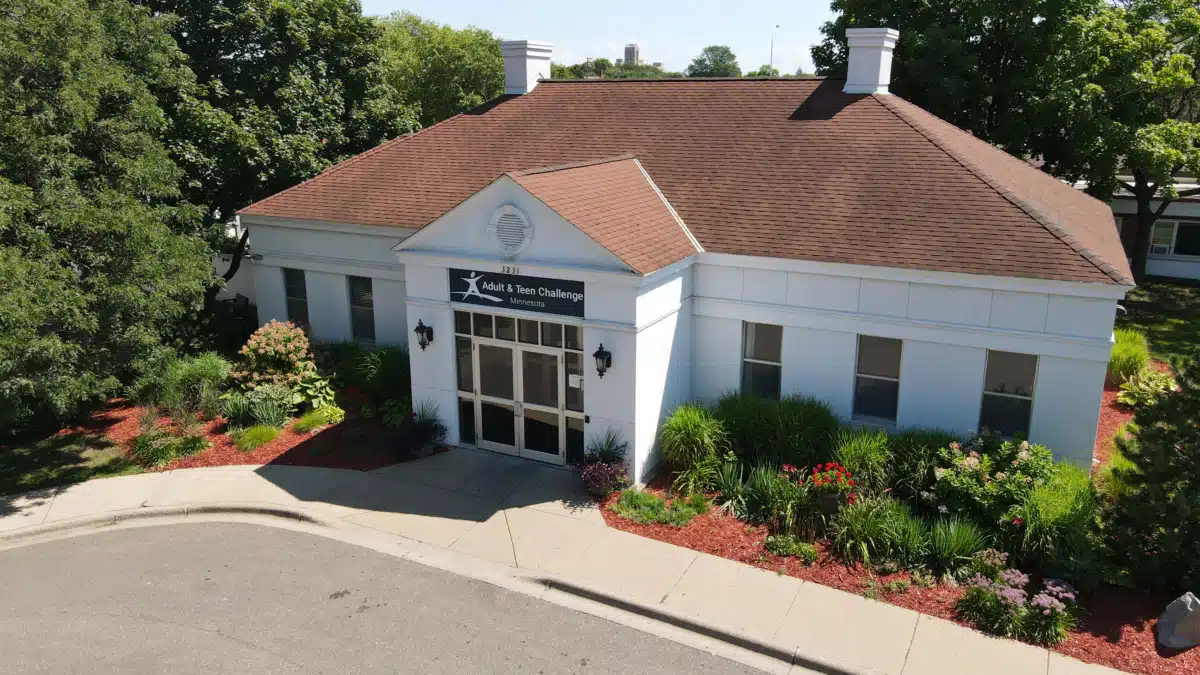
Located in Minneapolis, MN, Minnesota Adult and Teen Challenge is dedicated to providing a wide array of addiction treatment services tailored to meet the diverse needs of its clients. Whether you're seeking detoxification or ongoing substance use treatment, the center is equipped to support individuals struggling with addiction. One of the standout features of this facility is its commitment to addressing not just substance use issues but also co-occurring serious mental health conditions in adults and emotional disturbances in children. This comprehensive approach ensures that every aspect of a person’s well-being is considered during their recovery journey. The center offers residential detoxification options, 24-hour care, and short-term residential programs, all designed to fit the specific requirements of each individual. By employing various therapeutic methods like 12-step facilitation, anger management, and cognitive behavioral therapy, they create a holistic recovery experience that goes beyond mere abstinence from substances. Additionally, Minnesota Adult and Teen Challenge recognizes that different populations have unique challenges. Therefore, they offer specialized programs for adolescents, adult men, and adult women, ensuring that quality care is accessible to all age groups and genders. By prioritizing individualized treatment planning, this facility commits to effectively guiding each person through their path to recovery with the respect and understanding they deserve.
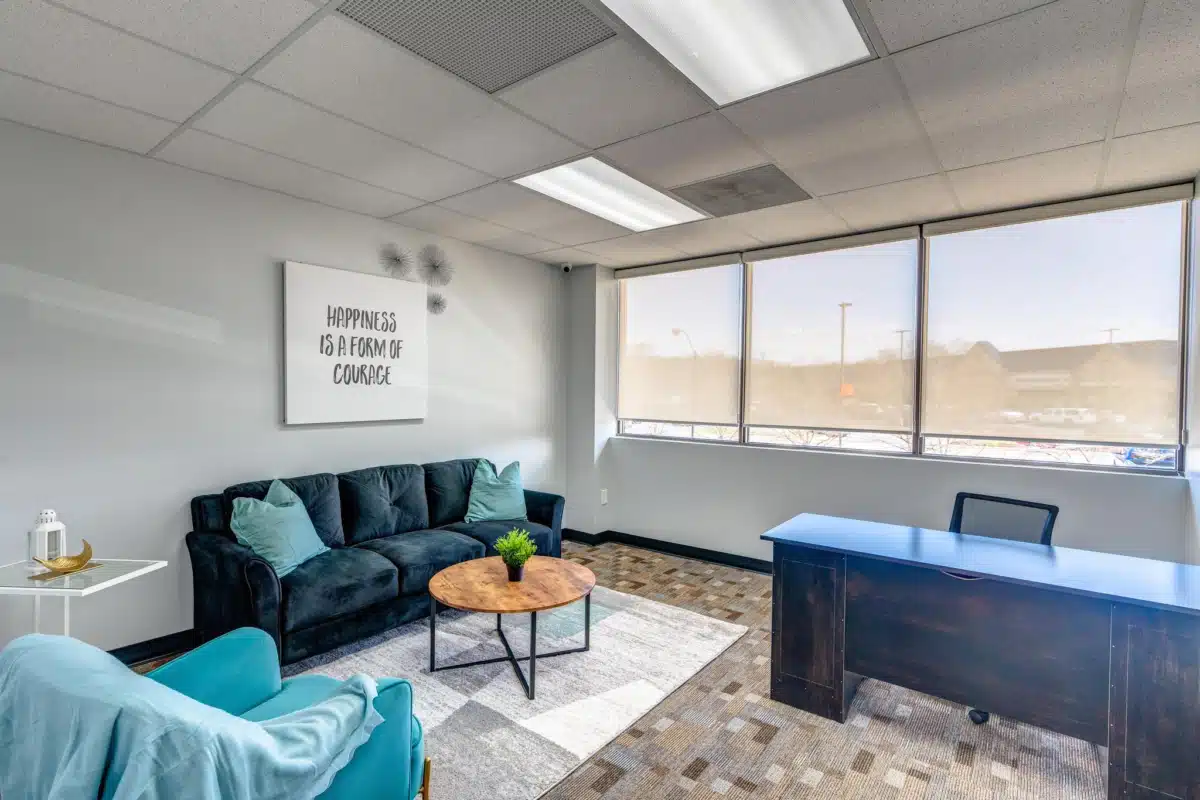
Evolve Residential LLC, located in Millersville, MD, is dedicated to providing a thorough range of substance use treatment options specifically designed for adult men. The center offers several programs, including intensive outpatient services, long-term residential care, and traditional outpatient therapy. Each of these options is geared towards crucial aspects of recovery, such as relapse prevention, counseling for substance use disorders, and accessing support through telemedicine and telehealth services. Evolve Residential LLC is particularly skilled at addressing the complex needs of individuals facing both substance use issues and serious mental health challenges. This includes tailored support not just for adults but also for seniors and young adults, recognizing that recovery can look different at various stages of life. A key feature of Evolve Residential's approach is its emphasis on a male-specific model of care. This enables the team to create customized treatment plans that reflect the unique experiences and needs of their clients. By focusing on quality, individualized care, Evolve Residential LLC strives to foster an environment that promotes recovery, resilience, and overall well-being for everyone who walks through their doors.
WhiteSands Alcohol and Drug Rehab, located in the heart of Plant City, Florida, is dedicated to providing a wide array of treatment options for those grappling with substance use disorders and co-occurring mental health issues. Whether you're looking for detoxification, intensive outpatient treatment, long-term residential programs, or outpatient care, they have a solution tailored to your needs. The facility employs a variety of effective approaches, including 12-step facilitation, anger management, and brief interventions, allowing them to create customized treatment plans that consider each person’s unique circumstances. This level of personalization extends to specialized programs designed specifically for active duty military members, adult men, and adult women, ensuring that all individuals, regardless of gender or age, feel welcome and supported. Young adults also find a place here, as the center embraces a broad range of clients seeking help. Known for their commitment to quality care and a personalized approach, WhiteSands is truly focused on guiding individuals toward lasting recovery and overall wellness. Their expertise and compassionate environment help make the journey to sobriety not just a goal, but a real possibility.
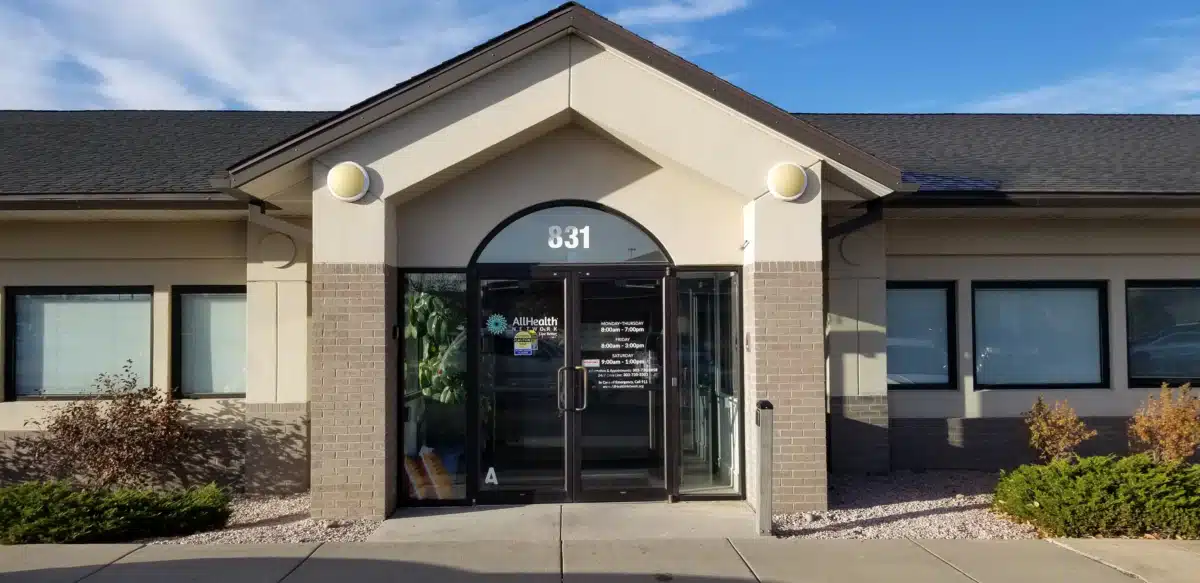
AllHealth Network, situated in the heart of Castle Rock, CO, is committed to providing comprehensive outpatient treatment for substance use issues, catering to both adults and children who are also facing emotional challenges. Their methodology is rooted in evidence-based practices, employing techniques like cognitive behavioral therapy and motivational interviewing to help clients navigate their recovery journey. What sets AllHealth Network apart is its specialization in addressing the needs of trauma survivors and those grappling with the dual complexities of mental health and substance use disorders, particularly among adolescents. The facility prides itself on offering personalized care tailored to meet the unique needs of each individual, including adults and seniors of all genders. With a strong emphasis on delivering high-quality treatment and a variety of specialized programs, AllHealth Network is dedicated to supporting individuals as they work towards achieving not just sobriety, but also enhanced overall mental well-being. Their mission is focused on fostering lasting recovery, making it a pivotal resource for those seeking help in the community.
Burning Tree Recovery Ranch is located in the heart of Kaufman, Texas, where it provides a sanctuary for individuals seeking long-term residential treatment for substance use issues, as well as serious co-occurring mental health conditions. This facility is dedicated to offering specialized programs that cater to both adult men and women, including those who have faced the challenges of intimate partner violence. At Burning Tree, the emphasis is on a holistic approach, utilizing 12-step facilitation as a foundational element alongside anger management strategies and brief intervention techniques. This diverse range of services is designed to meet the unique needs of adults and young adults alike, ensuring that clients receive gender-specific care that resonates with their personal experiences and recovery journeys. One of the key features of the Ranch is its commitment to providing round-the-clock support through its residential and 24-hour services. This constant availability of care means that clients can feel secure and supported at any time, which is crucial during the recovery process. What truly sets Burning Tree Recovery Ranch apart is its individualized approach to addressing substance use disorders and mental health challenges, ensuring that every person receives the high-quality care they deserve as they work towards healing and a healthier future.
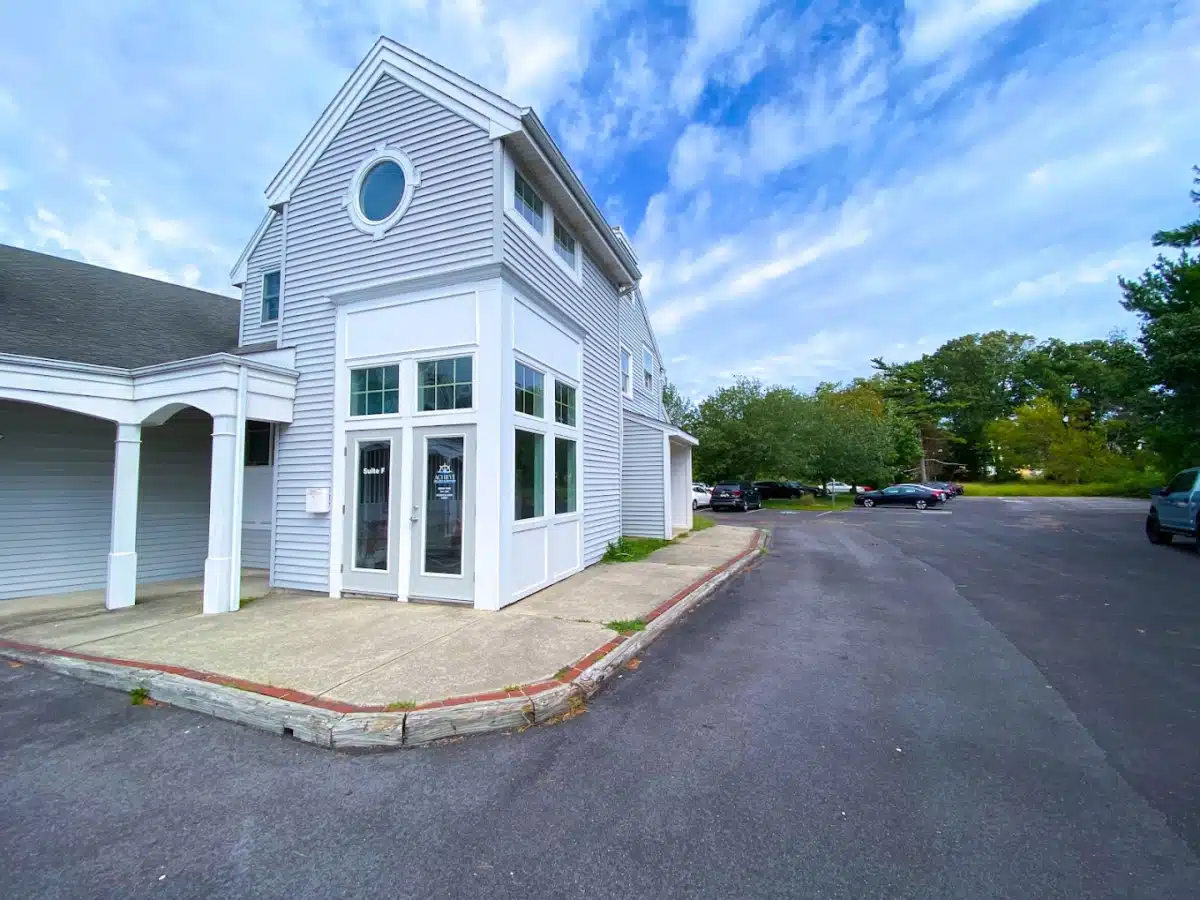
Nestled in Northfield, NJ, Achieve Wellness and Recovery stands out as a dedicated resource for comprehensive substance use treatment, catering to both adults and young adults. This center offers a variety of programs designed to meet diverse needs, including intensive outpatient treatment, standard outpatient services, and specialized outpatient day treatment options. Here, the treatment methodology emphasizes effective techniques such as cognitive behavioral therapy, motivational interviewing, and proactive relapse prevention strategies. What truly distinguishes Achieve Wellness and Recovery is its commitment to personalization. The team works closely with each individual to craft treatment plans tailored to their specific circumstances and goals, ensuring that every client receives the most appropriate care possible. The facility is inclusive and welcoming, accepting both male and female clients, and fostering a supportive atmosphere that encourages everyone on their journey toward lasting recovery.
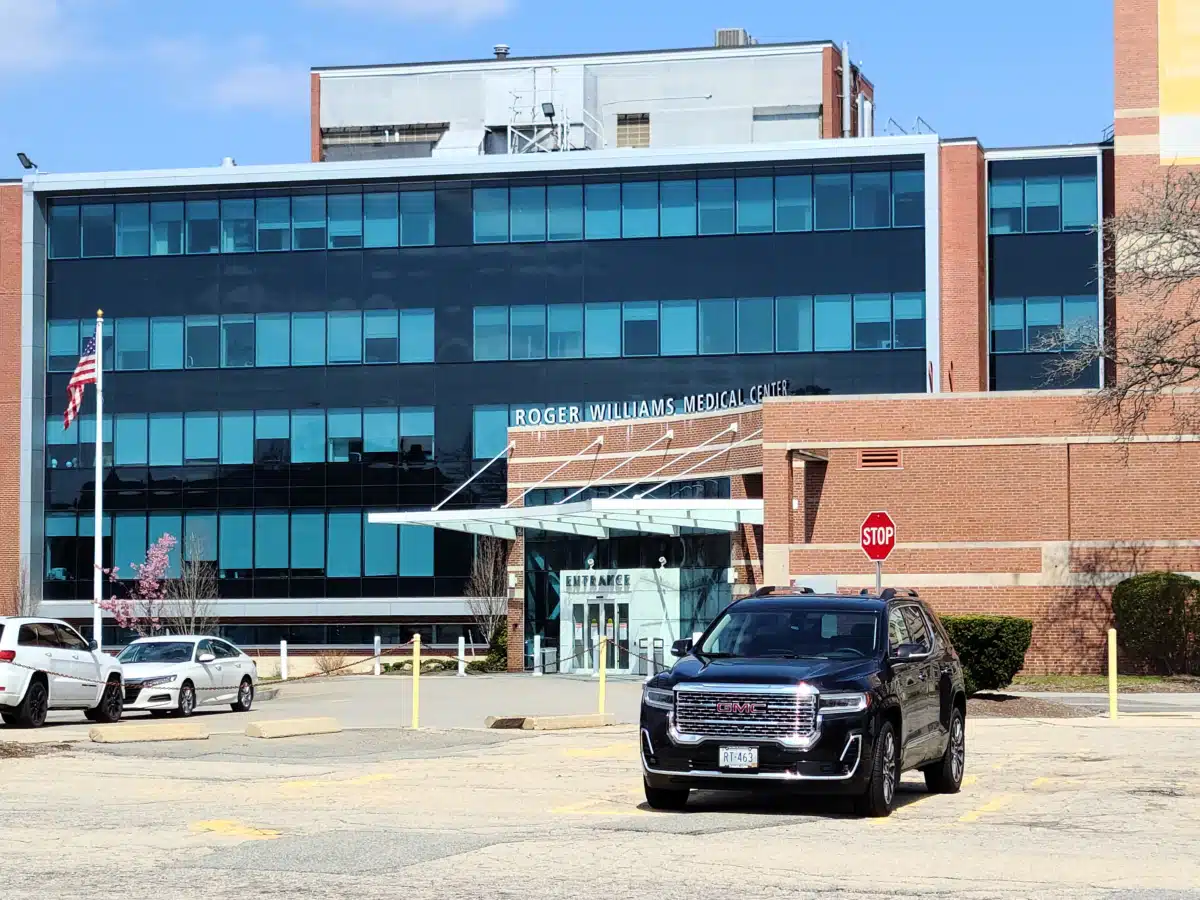
Roger Williams Medical Center, located in Providence, RI, is dedicated to offering a wide range of addiction treatment services designed to meet the needs of those seeking recovery. Their comprehensive programs include detoxification and targeted substance use treatment, making them a crucial resource for individuals facing addiction challenges. At this facility, clients have access to hospital inpatient detoxification—a critical first step for many on their journey to recovery. Recognizing the unique needs of different populations, they offer specialized programs tailored specifically for active duty military personnel, as well as customized services for adult men and women. This attention to individual needs ensures that every person receives the care and support that resonates with their circumstances. The center employs evidence-based methods in its treatment approach. Techniques such as brief intervention, relapse prevention, and substance use disorder counseling are woven into the fabric of their care, laying a solid foundation for effective outcomes. With services designed for both adults and young adults, Roger Williams Medical Center emphasizes high-quality, personalized treatment. Their goal is to empower individuals as they navigate the path to recovery from addiction, fostering an environment where healing and growth can flourish.
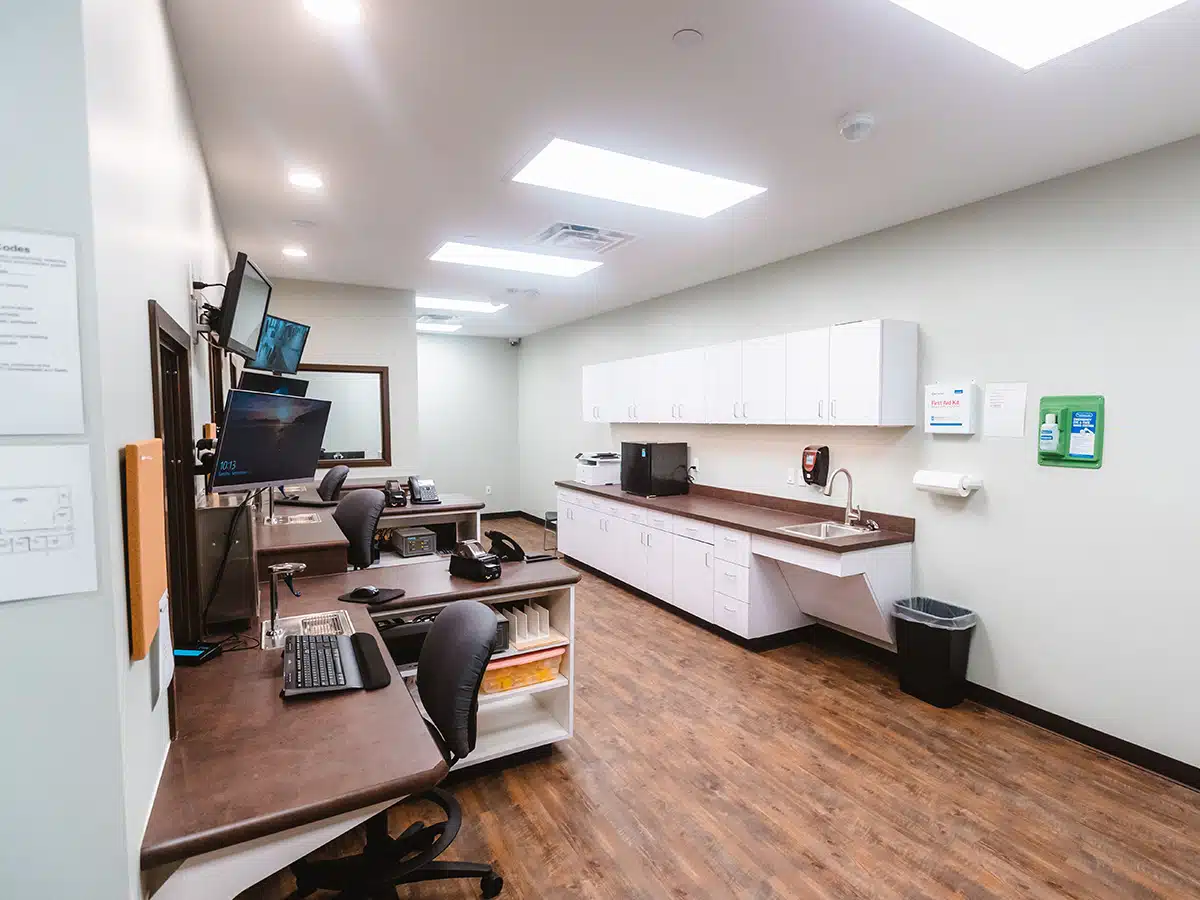
Nestled in the heart of Brattleboro, Vermont, the Brattleboro Comprehensive Treatment Center stands out as a vital resource for those seeking a wide range of outpatient services. This center focuses on detoxification, substance use treatment, and addressing co-occurring disorders, catering to both adults and children. One notable aspect of the center is its commitment to providing specialized programs designed specifically for adult men and women, as well as individuals who have faced intimate partner violence. Here, clients can access outpatient detoxification services and treatments incorporating methadone, buprenorphine, and naltrexone, tailored to meet various needs in the recovery process. What sets the Brattleboro Comprehensive Treatment Center apart is its dedication to utilizing evidence-based methods. Approaches such as anger management, brief interventions, and cognitive behavioral therapy play a crucial role in guiding individuals towards effective recovery. By serving adults and young adults of all genders, this center strives to deliver high-quality care that keeps the unique circumstances of each individual in mind. In sum, the Brattleboro Comprehensive Treatment Center prioritizes a compassionate and personalized approach to recovery, making it a key player in the support system for those on their path to healing.
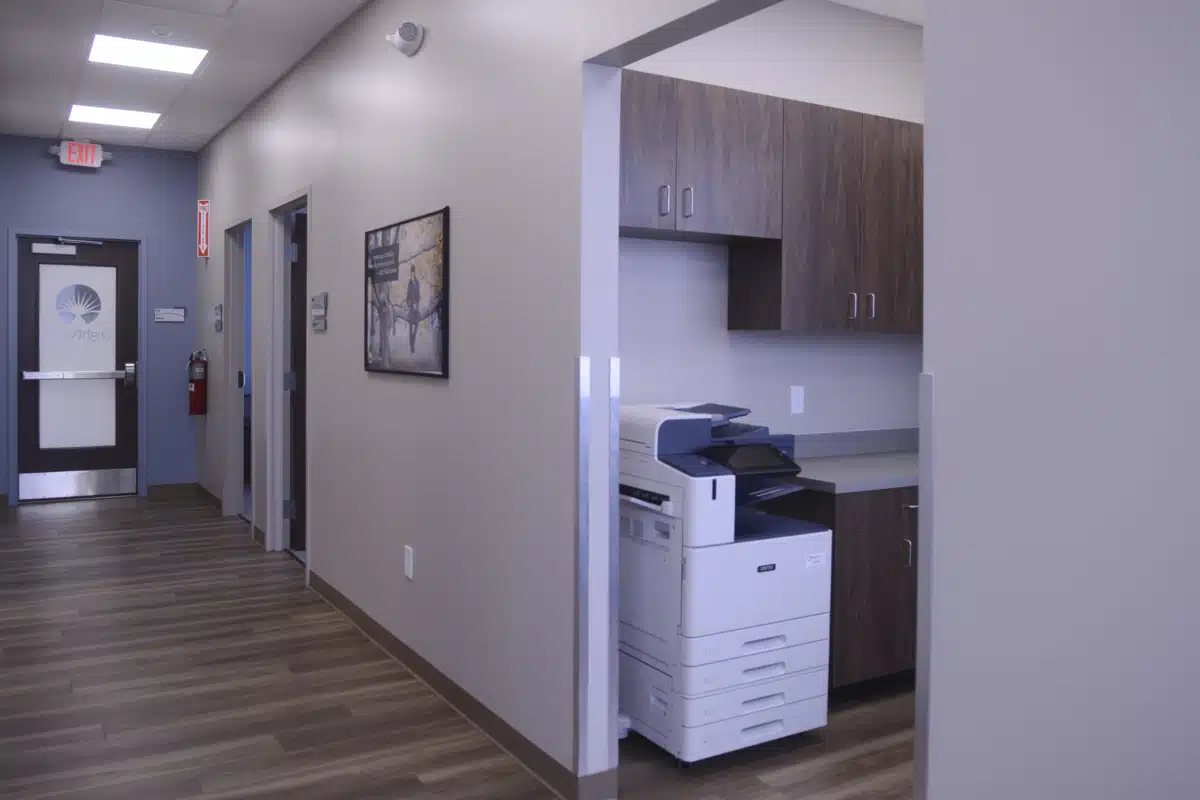
Nestled in the heart of Attleboro, MA, BrightView Health is dedicated to providing a wide range of addiction treatment services designed to support both adults and young adults on their recovery journey. The center offers essential detoxification alongside various treatment modalities, including intensive outpatient, outpatient, and day treatment programs, ensuring that clients have options that best fit their needs. BrightView Health employs evidence-based techniques to guide their therapeutic interventions. Approaches like brief intervention, cognitive behavioral therapy, and community reinforcement plus vouchers are seamlessly integrated into individualized treatment plans. This commitment to personalization ensures that each client receives the tailored support they require to navigate the challenges of recovery. The facility has a strong focus on serving the unique needs of adult men and women, particularly those who have faced the distressing experiences of intimate partner violence. This specialized approach reflects BrightView’s deep understanding of the complexities involved in addiction and recovery. With an unwavering commitment to quality care and personalized support, the team at BrightView Health works tirelessly to empower individuals on their path to lasting recovery.
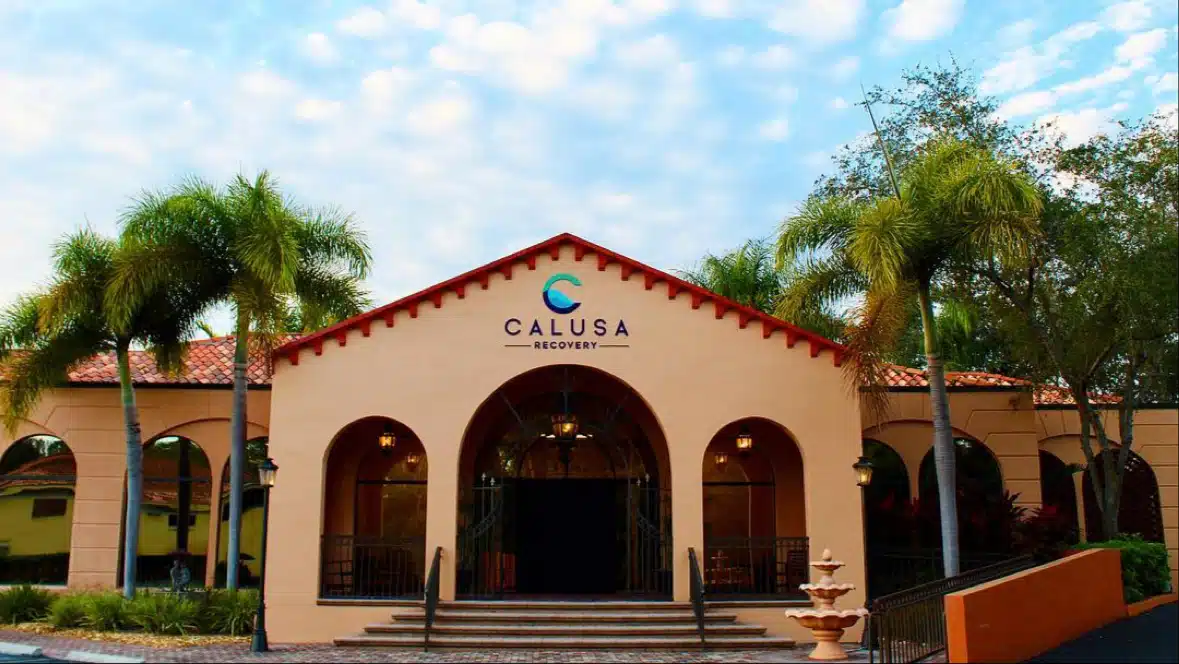
Located in the heart of Fort Myers, Florida, Calusa Recovery is dedicated to providing a wide array of services aimed at addressing substance use challenges. Their approach is notably comprehensive, encompassing both intensive outpatient programs and outpatient day treatment options tailored to meet various needs. One of the facility's significant strengths lies in its expertise in treating co-occurring disorders. This means they not only focus on substance use issues but also the serious mental health conditions that often accompany these struggles in adults. Furthermore, they extend their compassionate care to children experiencing emotional disturbances, ensuring that younger clients also receive the support they need. At Calusa Recovery, the treatment modalities are diverse, including 12-step facilitation, anger management, and brief intervention techniques, all designed to empower individuals on their journey to recovery. They also offer specialized programs for particular groups, such as active-duty military personnel, adolescents, and adult men, reflecting their commitment to accommodating specific demographics. This facility prides itself on creating a supportive environment for both adults and young adults of all genders, affirming their dedication to delivering high-quality care and guidance for those seeking to overcome addiction and embrace a healthier, more fulfilling life. Whether you're looking for personal recovery or seeking help for a loved one, Calusa Recovery stands ready to assist you every step of the way.

The Veterans Affairs Medical Center, situated in Louisville, KY, is a vital resource for veterans seeking specialized addiction treatment. This facility offers a comprehensive range of programs that focus on detoxification, substance use treatment, and support for individuals dealing with co-occurring substance use and significant mental health issues, as well as serious emotional disturbances in children. At this center, the treatment options are diverse, catering to various needs and preferences. Patients can choose from intensive outpatient services, long-term residential care, and outpatient programs, ensuring that everyone can find an approach that suits their lifestyle and recovery goals. The center employs a variety of therapeutic techniques, including anger management, brief interventions, and cognitive behavioral therapy, all designed to foster healing and personal growth. The commitment here is to deliver high-quality care that is not only effective but also tailored to the unique experiences and challenges faced by veterans. Regardless of gender, the facility is focused on serving both adults and young adults, making it a compassionate and supportive environment for all those who seek help.
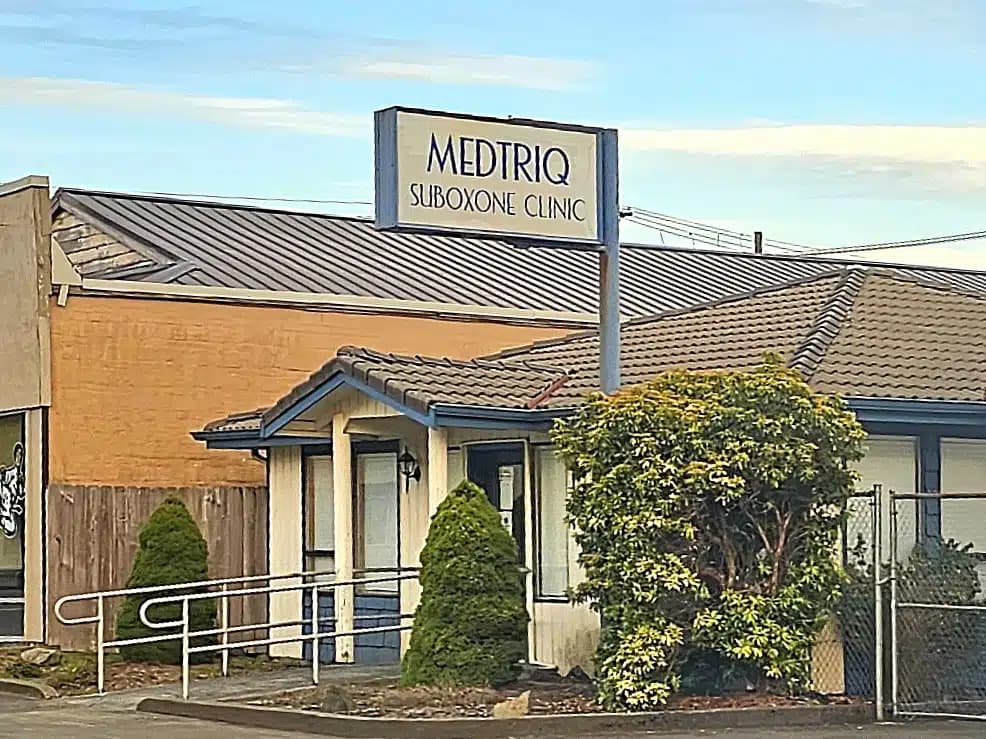
Medtriq Treatment Services, located in Tacoma, WA, specializes in outpatient care for adults grappling with substance use issues alongside serious mental health conditions. Their well-rounded program is designed to meet the unique needs of individuals facing serious emotional challenges. At Medtriq, patients can access various treatment options, including outpatient services that feature methadone, buprenorphine, and naltrexone to assist in recovery. They also emphasize substance use disorder counseling, ensuring support is available through traditional in-person sessions as well as telemedicine and telehealth options. This facility is committed to serving a diverse clientele, including active duty military personnel, adolescents, and adult men. Medtriq Treatment Services prioritizes fostering an inclusive environment, offering quality care tailored to the specific needs of adults and young adults of any gender. Their focus on personalized treatment reflects their dedication to helping each individual achieve a path to recovery.
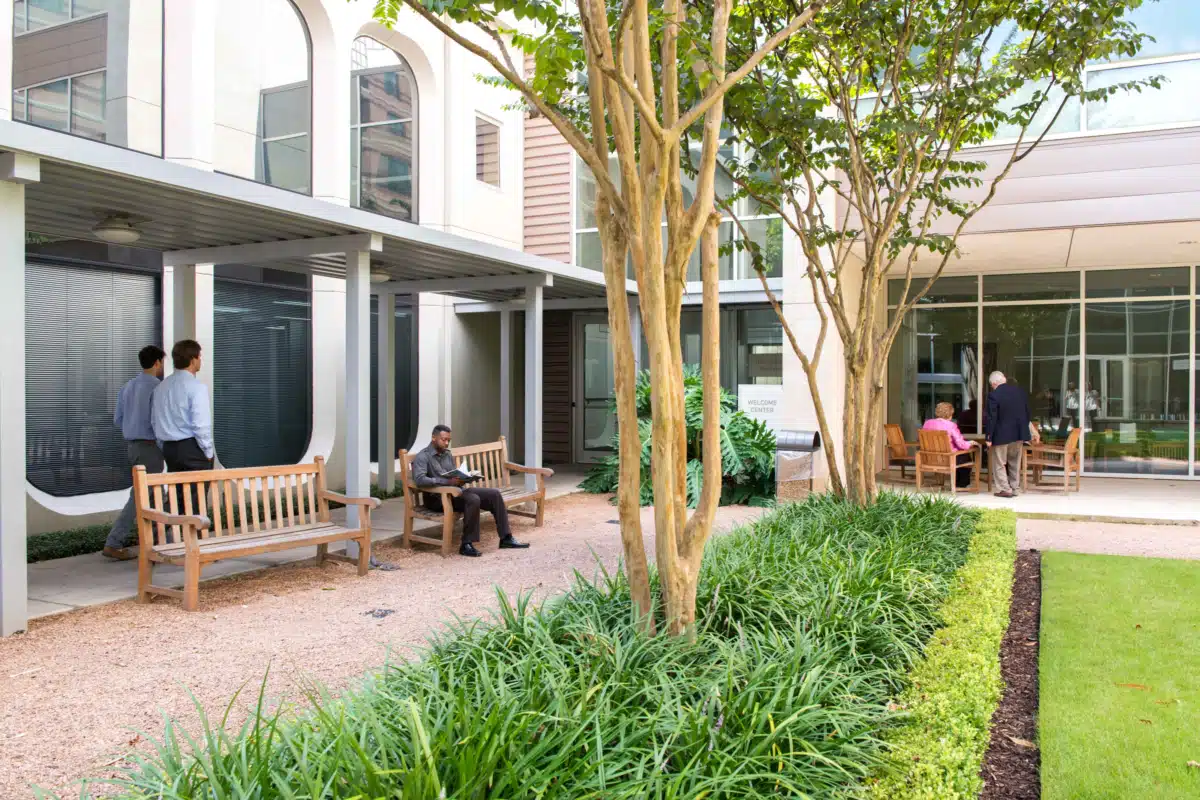
Situated in the heart of Houston, TX, the Council on Recovery stands out for its commitment to providing a wide array of substance use treatment programs tailored specifically for both adults and young adults. The center employs a variety of specialized methods, including brief interventions, cognitive behavioral therapy, and motivational interviewing, all designed to effectively address individual needs. Clients at the Council on Recovery can choose from several treatment options, including intensive outpatient programs, standard outpatient care, and regular outpatient treatments, ensuring that there is a suitable solution for everyone. What truly distinguishes this facility is its personalized approach to care, recognizing the unique circumstances of each client, whether male or female. At the Council on Recovery, the focus is on delivering high-quality, individualized rehabilitation services that empower individuals as they navigate their path to recovery. This dedication to tailored care not only fosters a supportive environment but also enhances the overall effectiveness of the recovery experience.
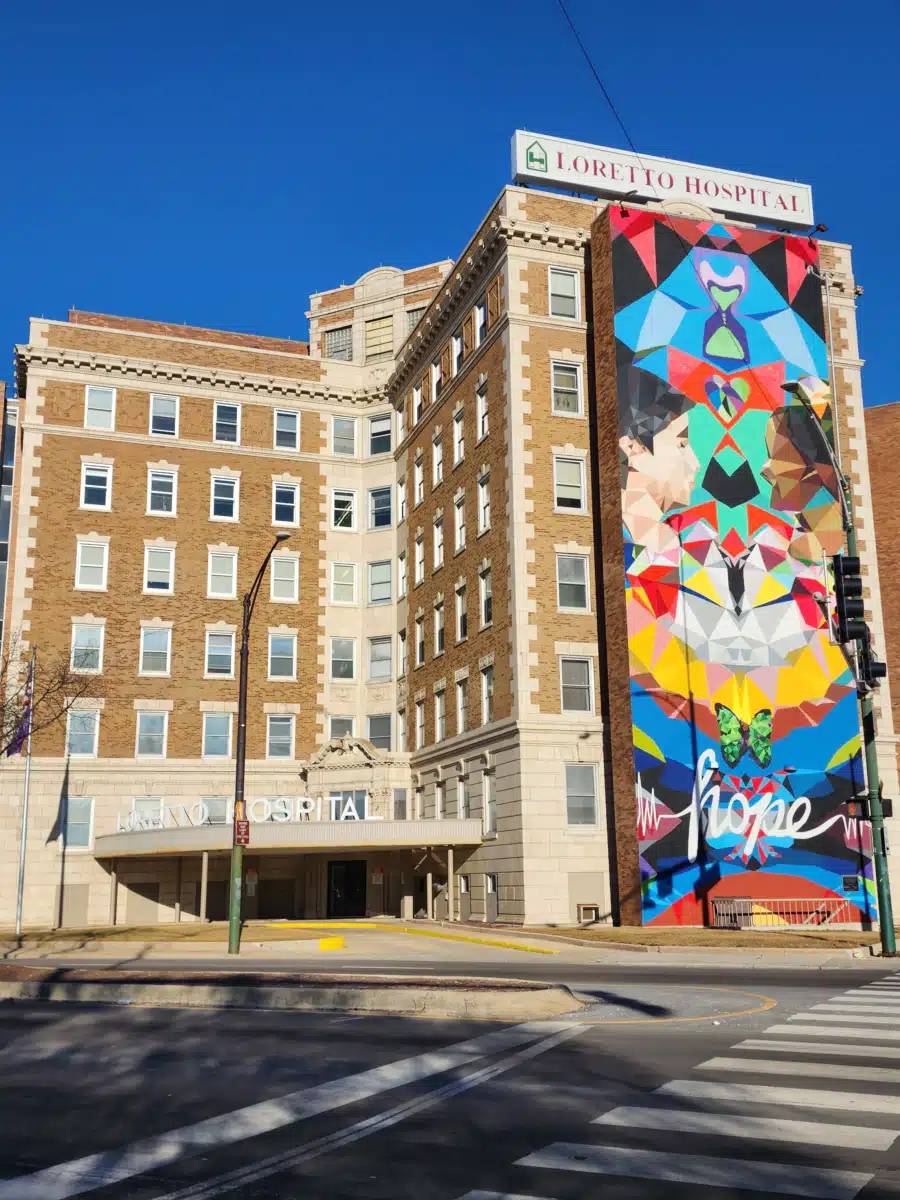
In the heart of Chicago, IL, Loretto Hospital stands out as a beacon of hope for adults and young adults battling substance use disorders alongside co-occurring mental health issues. This facility prides itself on offering a wide range of comprehensive rehabilitation services designed to meet the diverse needs of its patients. At Loretto Hospital, individuals can expect a supportive environment where they receive hospital inpatient detoxification, treatment, and around-the-clock care. The hospital employs various treatment strategies aimed at fostering recovery, including brief interventions to instigate change, relapse prevention techniques to build resilience, and specialized counseling focused on substance use disorders. What sets Loretto Hospital apart is its commitment to personalized care through tailored programs. They cater to adult men and women, as well as individuals who have faced intimate partner or domestic violence, ensuring that everyone receives the attention and support they require. This approach highlights Loretto's dedication to treating all patients—regardless of gender—with compassion and a focus on holistic healing. By emphasizing the importance of understanding each person's unique journey, Loretto Hospital aims to guide individuals toward a path of recovery and empowerment.
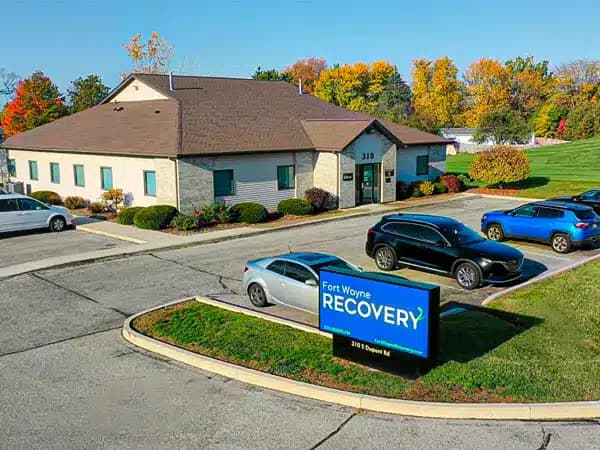
Fort Wayne Recovery, located in Fort Wayne, IN, is dedicated to helping individuals tackle substance use disorders alongside any co-occurring mental health issues they may face. This facility offers a wide array of treatment options designed to meet varying needs and preferences, including intensive outpatient treatment, outpatient day treatment, and partial hospitalization programs. Clients at Fort Wayne Recovery can expect to engage in various therapeutic approaches, such as 12-step facilitation, anger management, and brief intervention, all aimed at fostering recovery. The center understands that each person's journey is unique; therefore, it provides specialized programs tailored to both adult men and women, as well as those who have experienced intimate partner or domestic violence. Catering to both adults and young adults, Fort Wayne Recovery places a strong emphasis on personalized care that addresses the specific challenges faced by each individual. Their unwavering commitment to delivering quality care based on evidence-based practices ensures that this facility is a reliable option for anyone seeking meaningful recovery and rehabilitation services.
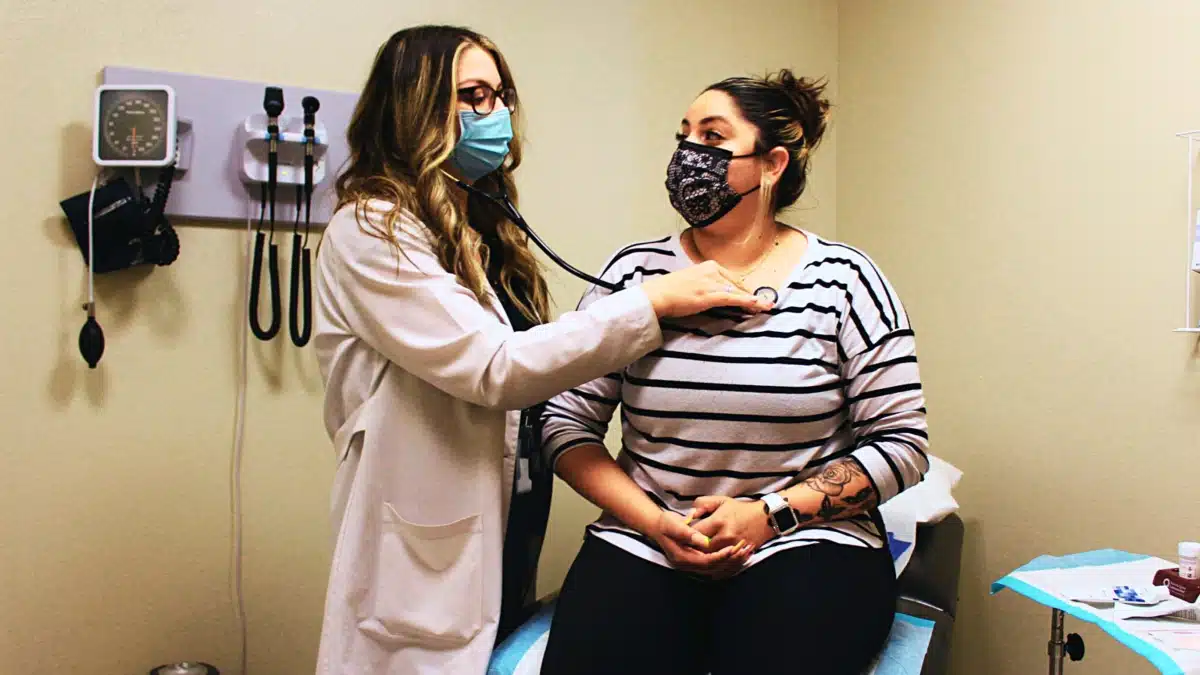
Situated in Florence, Arizona, Horizon Health and Wellness is dedicated to providing specialized care for individuals grappling with substance use as well as co-occurring disorders. They cater to both adults who are facing serious mental health challenges and children dealing with significant emotional disturbances. The facility offers a range of treatment options to meet diverse needs, including intensive outpatient programs, standard outpatient services, and medication-assisted treatments utilizing methadone, buprenorphine, or naltrexone. Their approach encompasses crucial therapies designed to empower clients, including anger management sessions, cognitive behavioral therapy, and the Matrix Model, all tailored to suit each individual's unique circumstances and recovery goals. Horizon Health and Wellness prides itself on creating a welcoming atmosphere for adults and seniors of all genders, emphasizing a supportive environment that fosters both recovery and personal growth. Here, individuals can expect personalized care coupled with evidence-based practices that have earned this rehabilitation center a strong reputation in the community.
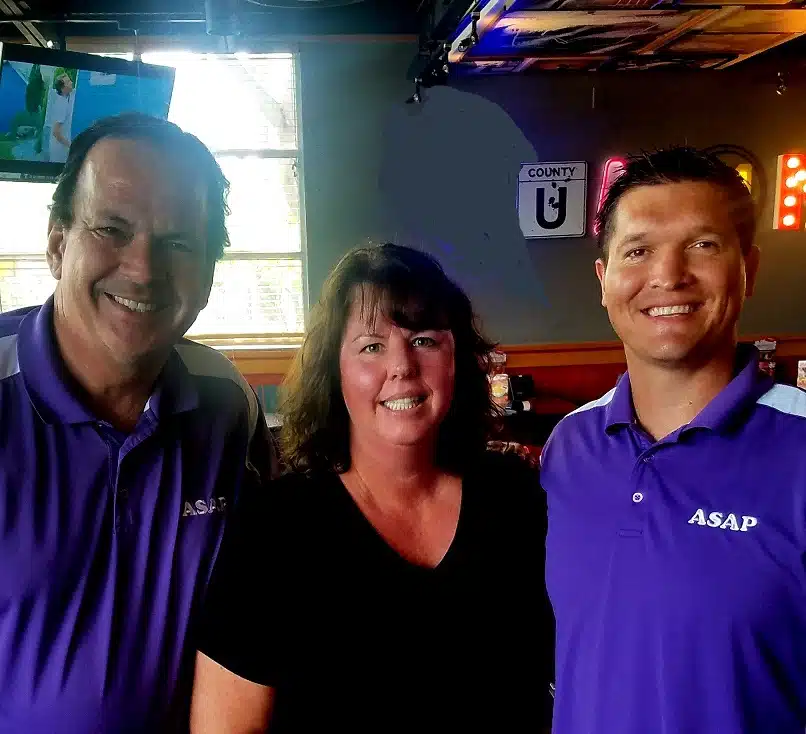
In Glendale, AZ, the Adolescent Substance Abuse Program offers comprehensive treatment options for those grappling with substance use disorders. Specifically designed for adolescents, this facility provides both intensive outpatient and outpatient services. Here, the staff employs effective strategies such as cognitive behavioral therapy, motivational interviewing, and relapse prevention techniques, ensuring that care is not only of high quality but also tailored to the unique needs of young people. The program is inclusive, catering to a wide age range that includes children, adolescents, young adults, and seniors, with a particular focus on supporting females in their recovery journey. By prioritizing evidence-based methods, the center aims to empower individuals to navigate the challenges associated with substance abuse and work towards a sustainable recovery. If you or someone you care about is in search of a nurturing and supportive environment for specialized addiction treatment aimed at adolescents, this program could be an excellent choice. Their commitment to quality care and long-term recovery may provide the right support needed to make meaningful progress.
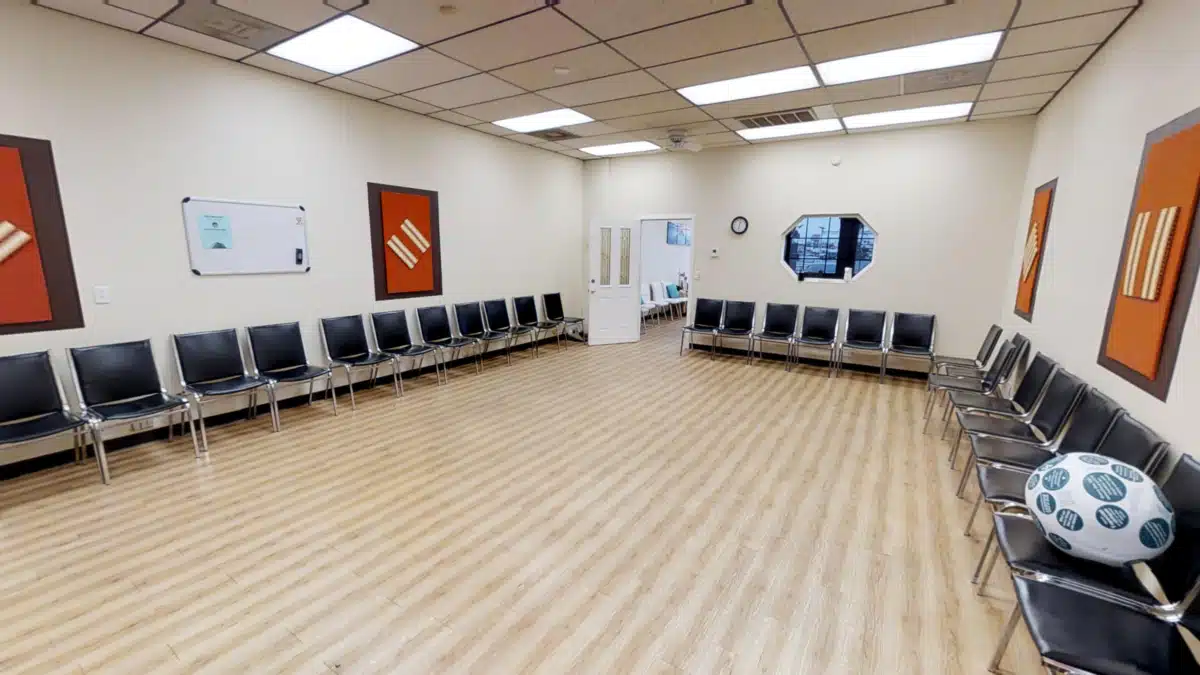
Situated in the heart of Bakersfield, California, Action Family Counseling stands out as a resourceful facility dedicated to addressing substance use disorders, particularly for both adults and children grappling with co-occurring mental health challenges. Their diverse range of services includes intensive outpatient, outpatient, and day treatment programs that are designed thoughtfully to meet the unique needs of each client. In their treatment approach, the center emphasizes evidence-based strategies such as 12-step facilitation, cognitive behavioral therapy, and brief interventions. These methodologies aim to foster meaningful recovery experiences, making a genuine difference for individuals in need. What sets Action Family Counseling apart is its commitment to specialized programs that are tailored for specific populations, including active duty military personnel, adolescents, and adult men. This nuanced focus ensures that clients receive personal care that reflects their distinct circumstances and requirements. The facility proudly serves both male and female clients, creating an inclusive atmosphere where everyone can find support on their journey to recovery. If you are looking for effective and personalized addiction treatment, you’ll find that Action Family Counseling is a highly regarded option in the community, dedicated to fostering lasting recovery through quality care and proven techniques.
About Depression Treatment
Major Depressive Disorder (MDD) co-occurs with substance use disorders at high rates — the National Institute of Mental Health (NIMH) reports that approximately one-third of adults with a substance use disorder also experience major depression. This bidirectional relationship means that untreated depression increases relapse risk, while substance use worsens depressive symptoms. Research consistently demonstrates that integrated dual diagnosis treatment — addressing both conditions simultaneously — produces significantly better outcomes than treating either condition alone.
The Link Between Depression and Addiction
Depression and substance use disorders frequently occur together—this is no coincidence. Many people turn to alcohol or drugs to cope with the pain of depression, while substance use itself can trigger or worsen depressive symptoms, creating a destructive cycle.
Key statistics about co-occurring depression and addiction:
- Approximately 1 in 3 adults with major depression also has a substance use disorder
- People with depression are about twice as likely to develop addiction
- Alcohol is a depressant that worsens depression symptoms over time
- Withdrawal from many substances can trigger depressive episodes
- Treating only one condition often leads to relapse in the other
Recognizing Depression
Depression involves more than feeling sad. Common symptoms include:
- Persistent feelings of sadness, emptiness, or hopelessness
- Loss of interest in activities once enjoyed
- Changes in appetite and weight
- Sleep disturbances (insomnia or oversleeping)
- Fatigue and low energy
- Difficulty concentrating or making decisions
- Feelings of worthlessness or excessive guilt
- Thoughts of death or suicide
Integrated Treatment Approach
Effective treatment for co-occurring depression and addiction addresses both conditions simultaneously through dual diagnosis treatment.
Evidence-Based Therapies
- Cognitive Behavioral Therapy (CBT): Identifies and changes negative thought patterns contributing to both depression and addiction
- Dialectical Behavior Therapy (DBT): Teaches emotional regulation and distress tolerance skills
- Behavioral Activation: Helps rebuild engagement with meaningful activities
- Interpersonal Therapy: Addresses relationship issues that contribute to depression
Medication Management
Many people with co-occurring depression benefit from antidepressant medications. Treatment centers work with psychiatrists to find appropriate medications that are safe and effective for individuals in recovery from addiction.
Holistic Approaches
- Exercise and physical activity programs
- Mindfulness and meditation
- Nutritional counseling
- Art and music therapy
- Sleep hygiene education
Treatment Settings
Depending on severity, various levels of care are available:
- Residential Treatment - For severe depression requiring 24/7 support
- Partial Hospitalization (PHP) - Intensive day treatment
- Intensive Outpatient (IOP) - Flexible treatment while maintaining daily life
What to Expect in Co-Occurring Depression Treatment
Integrated treatment for depression and substance use disorder typically involves concurrent psychiatric and addiction care coordinated by a multidisciplinary team.
- Comprehensive Assessment (Week 1): Psychiatric evaluation for depression severity, suicide risk assessment, substance use history, and determination of appropriate level of care. Distinguishing substance-induced depressive symptoms from independent major depression is important — symptoms that persist beyond 2–4 weeks of abstinence typically indicate independent MDD
- Stabilization (Weeks 1–4): If substance detox is needed, it occurs alongside psychiatric stabilization. Antidepressant medication may be initiated — SSRIs and SNRIs are first-line options with low abuse potential
- Active Therapy (Weeks 4–12): CBT for both depression and addiction, DBT for emotional regulation, Behavioral Activation to rebuild meaningful daily activities, and group therapy
- Medication Optimization: Antidepressant response typically takes 4–8 weeks. Ongoing psychiatric monitoring adjusts medications as needed while avoiding substances with abuse potential
- Aftercare (Ongoing): Continued medication management, step-down to outpatient therapy, relapse prevention for both conditions, and crisis planning
Treatment Outcomes
NIMH-supported research shows that integrated treatment for co-occurring depression and substance use disorder significantly outperforms treating either condition alone. CBT has strong evidence for both conditions simultaneously, and combining psychotherapy with appropriate medication management produces the most robust improvements in depressive symptoms, substance use reduction, and overall functioning.
Authoritative resources for depression and co-occurring addiction:
- NIMH - Depression
- SAMHSA National Helpline: 1-800-662-4357
- Crisis Line: If you're having thoughts of suicide, call 988 (Suicide & Crisis Lifeline)
Insurance & Payment for Depression Treatment
Most health insurance plans are required to cover addiction and mental health treatment under the Mental Health Parity and Addiction Equity Act (MHPAEA) and the Affordable Care Act (ACA). This means treatment for depression is typically covered at the same level as other medical conditions.
Common insurance coverage for depression treatment includes:
- Medical detoxification services
- Inpatient/residential treatment programs
- Intensive outpatient programs (IOP)
- Outpatient therapy and counseling
- Psychiatric medication management
Coverage specifics vary by plan and provider. Contact your insurance company directly or call the treatment center to verify benefits before enrolling. Many facilities offer free insurance verification.
For those without insurance, options include state-funded programs through SAMHSA, Medicaid (eligibility varies by state), sliding-scale payment programs, and nonprofit treatment centers. Learn more about insurance coverage for addiction treatment.
Related Conditions & Treatments
Understanding the connections between conditions, treatment methods, and levels of care can help you make more informed decisions about recovery.
Treatment Methods
Levels of Care
Related Conditions
Medical Disclaimer
The information on this page is intended for educational purposes only and should not replace professional medical advice, diagnosis, or treatment. Always consult a qualified healthcare provider before making decisions about addiction treatment. If you or someone you know is in crisis, call the 988 Suicide & Crisis Lifeline or the SAMHSA National Helpline (1-800-662-4357).