
Art & Music Therapy Treatment Centers
Art and Music Therapy use creative expression as therapeutic tools in addiction recovery. Art therapy allows individuals to explore emotions, reduce anxiety, and process traumatic experiences through drawing, painting, sculpting, and other visual arts. Music therapy uses listening, songwriting, and instrument playing to address emotional, cognitive, and social needs. These modalities are particularly helpful for individuals who struggle to express themselves verbally or have experienced trauma. Creative therapies complement traditional talk therapy and provide healthy outlets for emotional expression.
Found 20 treatment centers offering art & music therapy across the United States.
Want us to find the perfect facility for you?
Call now - it's completely free!
Showing 20 of 20 art & music therapy treatment centers

Situated in the heart of O'Neill, NE, Valley Hope of O’Neill is dedicated to providing a wide range of addiction treatment services tailored to both adults and young adults on their journey to recovery. This facility stands out for its commitment to long-term solutions, offering residential programs that include not only long-term stays but also residential detoxification and round-the-clock care. At Valley Hope, treatment is designed around effective methodologies, utilizing techniques like 12-step facilitation, brief interventions, and cognitive behavioral therapy. This combination allows for a well-rounded approach that addresses the diverse needs of individuals facing addiction. Recognizing that each person's journey is unique, the center also features specialized programs aimed at specific groups, including adult men and women, as well as clients who have experienced trauma. This focus on individualized care helps ensure that both female and male clients receive the support they need in a nurturing and inclusive environment. In essence, Valley Hope of O’Neill serves as a beacon of hope for anyone looking to overcome substance use disorders, blending expert care with compassionate understanding.
View Details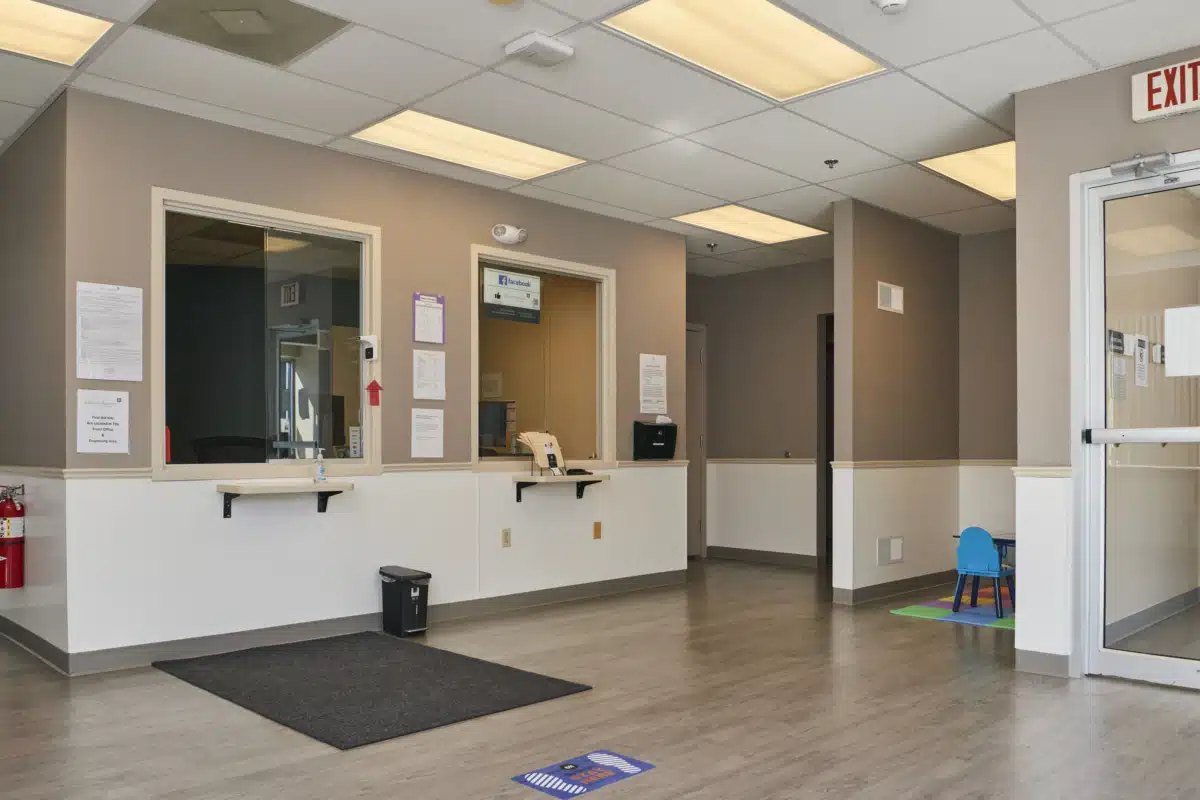
Nestled in Ephrata, PA, ARS of Ephrata stands out as a dedicated resource for those seeking comprehensive treatment for substance use. The facility offers a range of outpatient programs, along with specialized options for methadone, buprenorphine, or naltrexone treatments. Here, you'll find a team that focuses not just on addiction but also on important aspects of mental health, offering services that include anger management, brief intervention techniques, and cognitive behavioral therapy. What makes ARS of Ephrata particularly notable is its commitment to serving diverse communities. They provide unique programs designed specifically for individuals who have faced trauma, members of the LGBTQ community, and pregnant or postpartum women. Recognizing that each person's journey is different, the facility tailors its services for both adults and young adults, ensuring that all clients—regardless of gender—receive the support they need in a welcoming and compassionate setting. If you or someone you care about is in search of substance use treatment that features specialized programs and evidence-based practices, ARS of Ephrata is well-prepared to assist. Their dedicated staff is ready to guide you on the path toward recovery, emphasizing quality care in every step of the process.
View Details
Located in Lake Havasu City, Arizona, Community Medical Services is dedicated to providing outpatient treatment programs designed specifically for adults and young adults grappling with substance use issues. This facility recognizes that individuals have unique needs, which is why it offers specialized care for different groups, including adult men, adult women, and those who are pregnant or in the postpartum stage. Their treatment approaches are diverse and carefully crafted to support recovery. Programs include critical resources such as anger management, brief interventions designed to create impactful change in behavior, and cognitive behavioral therapy, which can help clients understand and reshape their thought patterns related to substance use. Furthermore, Community Medical Services offers outpatient treatment options that involve methadone, buprenorphine, or naltrexone, ensuring that clients have access to a variety of medication-assisted recovery options. With a strong emphasis on delivering high-quality care, the facility strives to be a nurturing environment for individuals on their journey toward overcoming addiction. Male and female clients alike can find programs tailored to their specific situations, all within a supportive and professional atmosphere that encourages healing and growth.
View Details
Located in Torrington, CT, McCall Behavioral Health Network is dedicated to providing a wide range of substance use treatment options that cater to the diverse needs of individuals seeking recovery. They offer a variety of services, including intensive outpatient programs, traditional outpatient treatments, and specialized outpatient options utilizing medications such as methadone, buprenorphine, or naltrexone. The facility adopts a robust, evidence-based approach to therapy, incorporating techniques such as anger management, brief interventions, and cognitive behavioral therapy. This comprehensive strategy ensures that clients receive the tools they need to navigate their recovery journey successfully. McCall Behavioral Health Network is proud to offer specialized programs that address the specific needs of different groups, including adolescents, adult men, and adult women. By serving individuals of all ages and genders, including both adults and children/adolescents, the center is committed to delivering high-quality care designed to empower each person on their path toward overcoming addiction and achieving lasting wellness.
View Details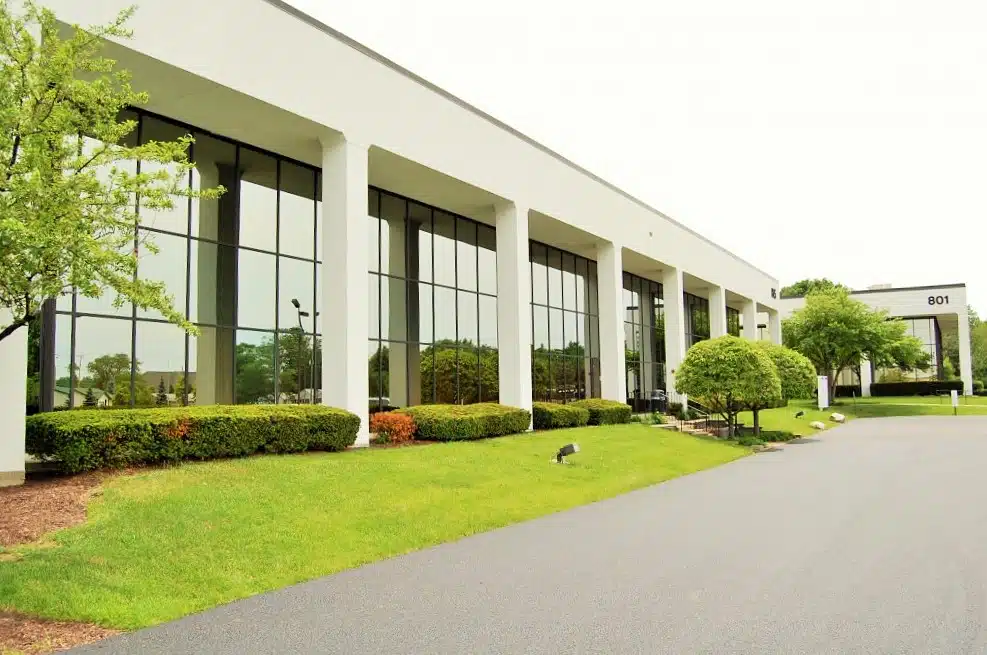
Located in Joliet, IL, Paramos Counseling Center is dedicated to providing specialized treatment for substance use disorders through a variety of programs tailored to fit individual needs. Whether you require intensive outpatient services, standard outpatient care, or just regular outpatient treatment, this facility has options designed for every level of care. At Paramos Counseling Center, the focus is on evidence-based practices that have proven effective. They utilize techniques such as brief interventions, cognitive behavioral therapy, and motivational interviewing to help clients navigate their recovery journey. Understanding that each person's path is unique, the center offers specific programs aimed at supporting both adult men and women, along with young adults, ensuring that everyone receives the attention and care they deserve. Clients can look forward to receiving high-quality treatment in a nurturing environment. The team of experienced professionals is committed to fostering a supportive atmosphere that encourages lasting recovery, making it clear that at Paramos Counseling Center, you are not just another case — you are valued and cared for on your way to healing.
View Details
Scottsdale Recovery II LLC, located in the picturesque Paradise Valley, AZ, provides essential hospital inpatient detoxification services tailored for both adults and young adults who are ready to take the crucial first step towards recovery from substance use disorders. This facility is dedicated to offering round-the-clock hospital inpatient care, ensuring that each client receives the attention and support they need at any hour. At Scottsdale Recovery II LLC, the treatment methodology emphasizes a combination of 12-step facilitation, brief interventions, and cognitive behavioral therapy. This dynamic approach not only addresses substance use but also supports clients in developing healthier coping mechanisms and strategies for long-term recovery. Understanding the complex nature of addiction, the center also specializes in programs designed specifically for individuals facing the dual challenges of mental health and substance use disorders. Catering to both men and women, Scottsdale Recovery II LLC recognizes that each journey to recovery is unique, and they are committed to creating tailored treatment plans that meet the specific needs of their clients. With a strong focus on quality care, Scottsdale Recovery II LLC stands out as a vital resource for those seeking a new beginning on their journey to sobriety. Whether you’re looking for support for yourself or a loved one, this center is equipped to guide you through the recovery process with compassion and expertise.
View Details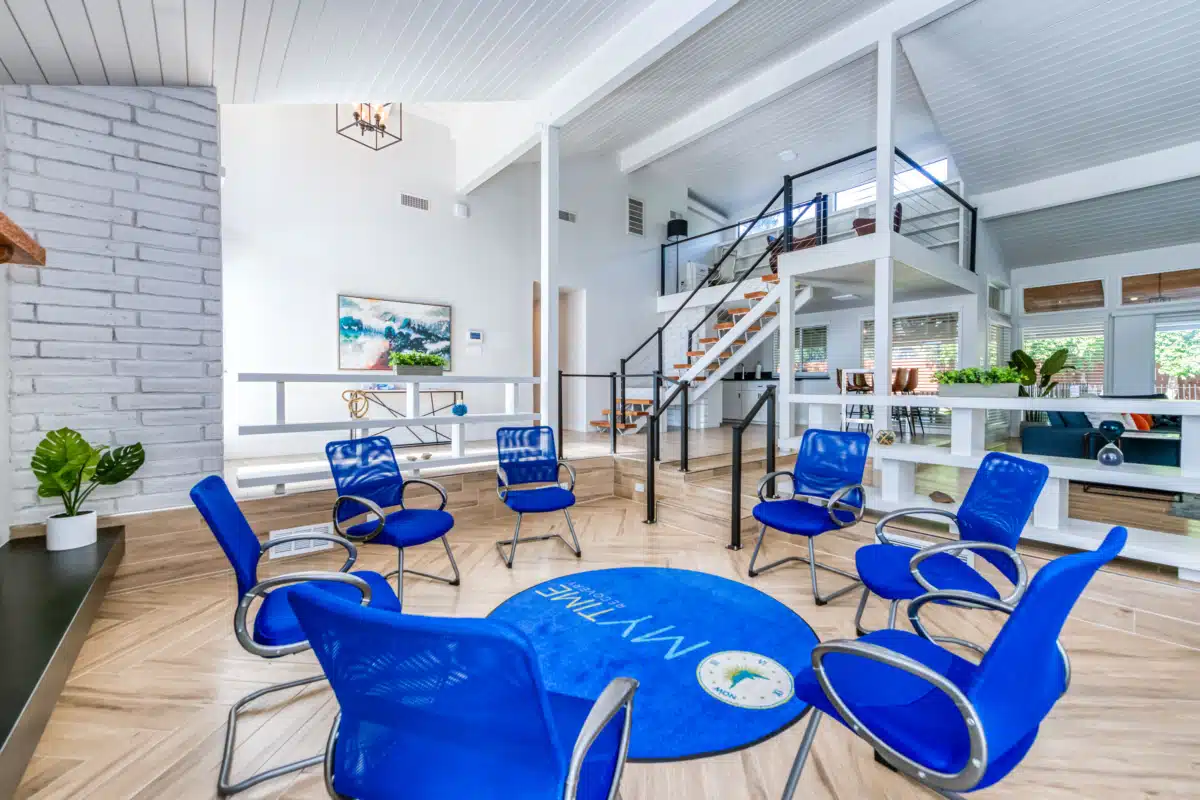
Located in Fresno, CA, Central California Recovery Inc specializes in a wide range of substance use treatment options catered specifically to both adults and young adults. The center provides an array of services, including intensive outpatient programs, standard outpatient treatment, and regular outpatient services, all grounded in evidence-based methodologies. Key approaches like cognitive behavioral therapy and contingency management are utilized to offer clients effective support on their path to recovery. What sets Central California Recovery Inc apart is its dedication to individualized care. The team understands that every person's journey with addiction is unique, and they take the time to customize treatment plans to address the specific needs and circumstances of each client. This attention to detail helps ensure that everyone receives the most appropriate support for their situation. The facility is inclusive, welcoming both male and female clients in a nurturing environment where everyone feels comfortable and supported. If you or a loved one are seeking quality addiction treatment that prioritizes a personalized approach, Central California Recovery Inc is committed to aiding individuals in achieving lasting recovery. Their compassionate team is eager to work with you on this transformative journey.
View Details
Nestled in the picturesque surroundings of Malibu, California, Sunset Malibu stands out as a premier facility offering a wide range of rehabilitation services tailored for adults and young adults struggling with substance use disorders, as well as co-occurring mental health challenges. At Sunset Malibu, clients benefit from the comprehensive inpatient detoxification and treatment programs that emphasize not only recovery from addiction but also the healing of underlying emotional wounds. For individuals who have faced the trauma of intimate partner violence, specialized programs are available, ensuring that their unique experiences are taken into account in the recovery process. The center employs a well-rounded approach to treatment, with a strong emphasis on 12-step facilitation, anger management, and brief interventions. This structured yet adaptable methodology allows the staff to customize care plans that resonate with the distinct needs and circumstances of each client. Sunset Malibu creates a supportive and gender-specific environment, welcoming adult men and women, thus fostering a community where everyone can feel safe and understood as they embark on their journey to recovery. With a deep commitment to delivering high-quality care, this center has earned an excellent reputation for providing both effective and compassionate addiction treatment, making it a leading option for those seeking a path toward healing.
View Details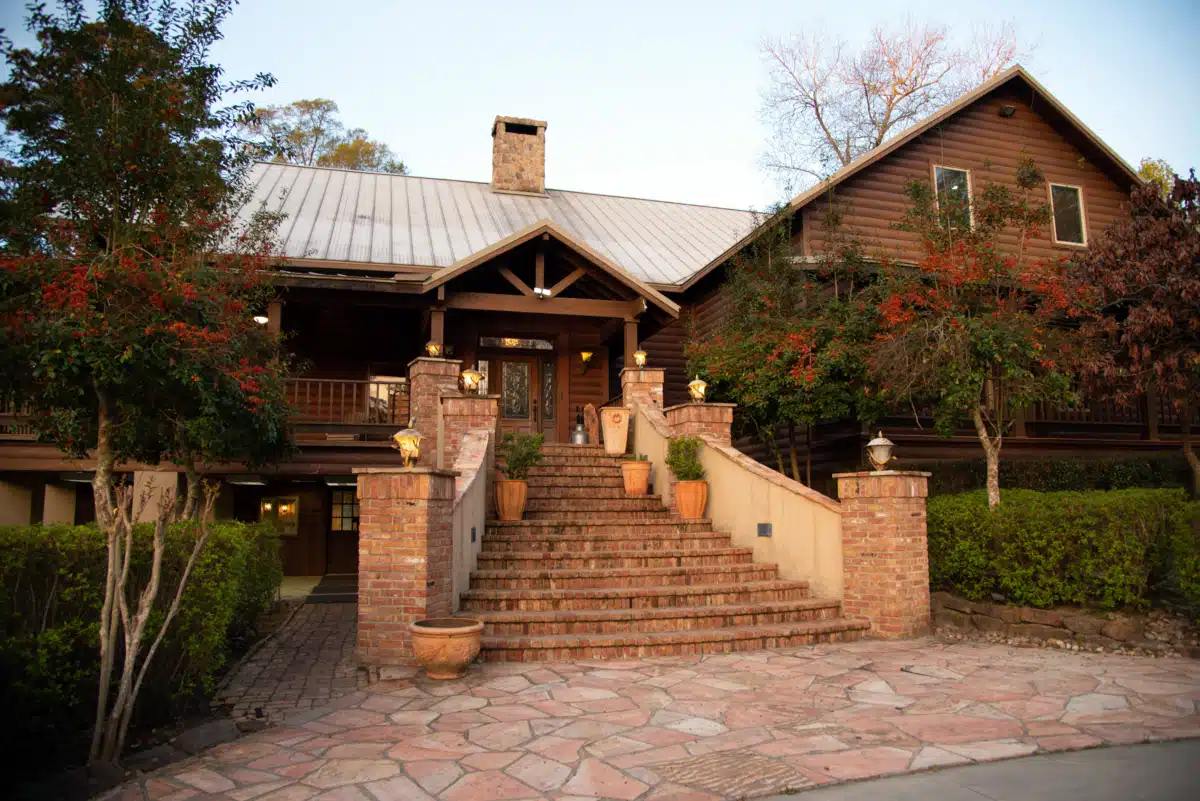
Cypress Lakes Lodge, situated in the heart of Woodville, TX, is dedicated to providing a wide range of rehabilitation services designed for both adults and young adults grappling with substance use issues as well as co-occurring mental health disorders. The facility features a hospital inpatient detoxification program alongside comprehensive treatment options that include 12-step facilitation, anger management, and brief intervention strategies. One of the distinguishing aspects of Cypress Lakes Lodge is its commitment to serving various demographics. They offer specialized programs tailored specifically for active-duty military personnel, as well as adult men and women, ensuring that the unique needs of each group are addressed effectively. Cypress Lakes Lodge places a strong emphasis on delivering high-quality care and crafting individualized treatment plans. This personalized approach not only enhances the rehabilitation experience but also helps to foster a supportive environment, making it an excellent choice for anyone in search of focused and effective solutions for addiction treatment.
View Details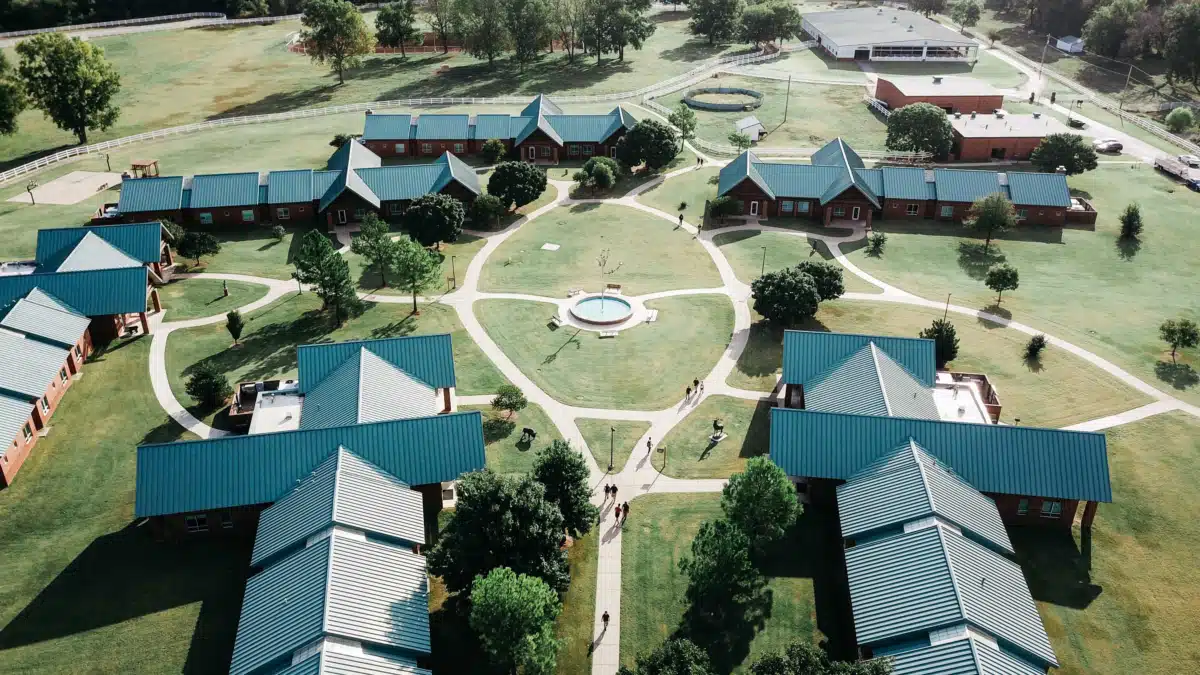
Situated in the heart of Tulsa, Oklahoma, the Tulsa Boys Home is a distinguished facility that specializes in offering high-quality long-term residential treatment for individuals dealing with substance use issues, as well as co-occurring mental health disorders. Catering to males across the age spectrum—from adolescents to seniors—this program is designed to provide a safe and supportive environment for those in need. At Tulsa Boys Home, the emphasis is on delivering comprehensive care that incorporates a variety of therapeutic approaches. Their treatment model focuses on 12-step facilitation, anger management, and brief intervention techniques. This tailored approach is particularly beneficial for clients who have faced challenges such as intimate partner violence, domestic violence, and sexual abuse. What makes Tulsa Boys Home truly stand out is its dedicated focus on serving male clients. The facility has carved out a niche as a specialized rehabilitation center that not only aims for effective treatment but also fosters an atmosphere of compassion and understanding. For individuals seeking recovery, the Tulsa Boys Home represents a vital resource committed to guiding them on their journey toward healing and wellness.
View Details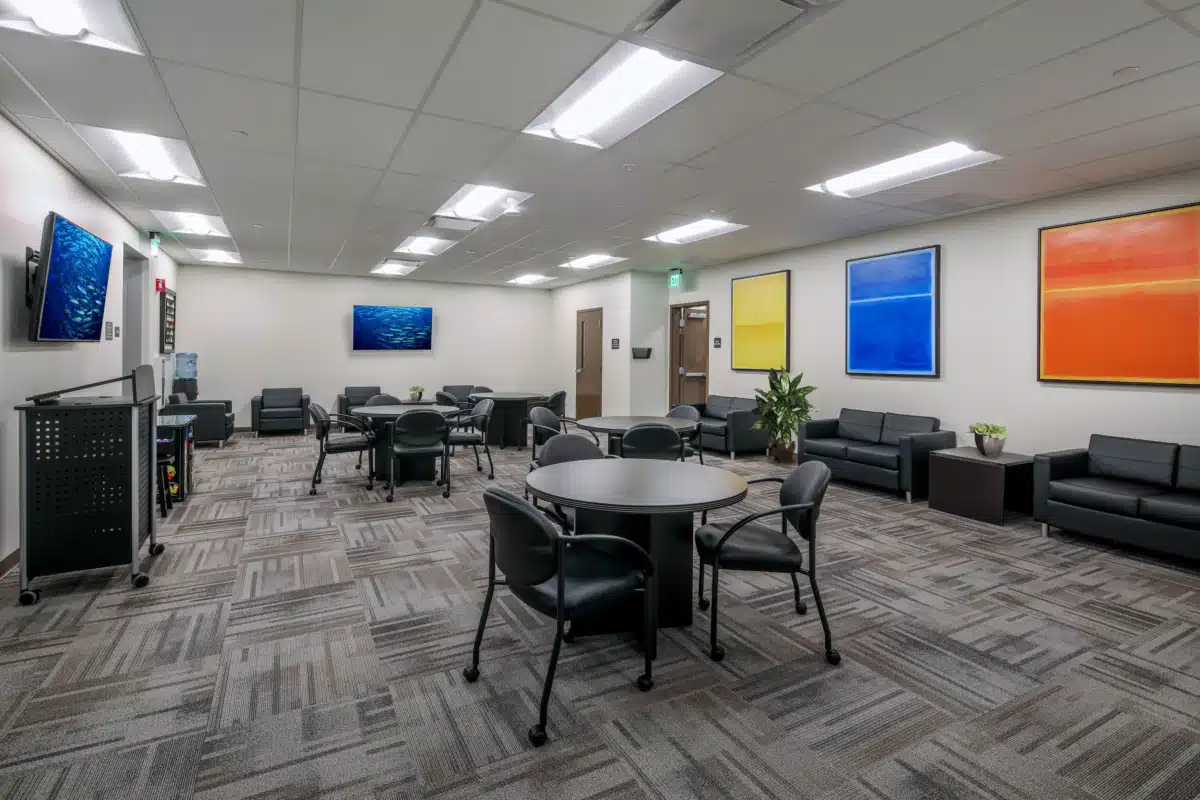
Hotel California by the Sea, located in Kirkland, WA, is dedicated to providing a wide array of rehabilitation services tailored for both adults and young adults grappling with substance use disorders as well as concurrent mental health challenges. This facility stands out with its specialized programs designed specifically for adult men, adult women, and those who have faced intimate partner violence. One of the key features of Hotel California by the Sea is its commitment to long-term residential care. They offer various treatment options, including residential detoxification and round-the-clock residential treatment, to ensure that clients receive the support they need throughout their recovery journey. The center employs evidence-based methods to tailor treatment to each individual’s unique circumstances. Approaches such as 12-step facilitation, anger management, and cognitive behavioral therapy are at the forefront of their programs, allowing for effective and personalized care. With a strong emphasis on quality and individualized treatment, Hotel California by the Sea is devoted to guiding clients as they work towards recovery and rediscovering a healthier, more fulfilling life.
View Details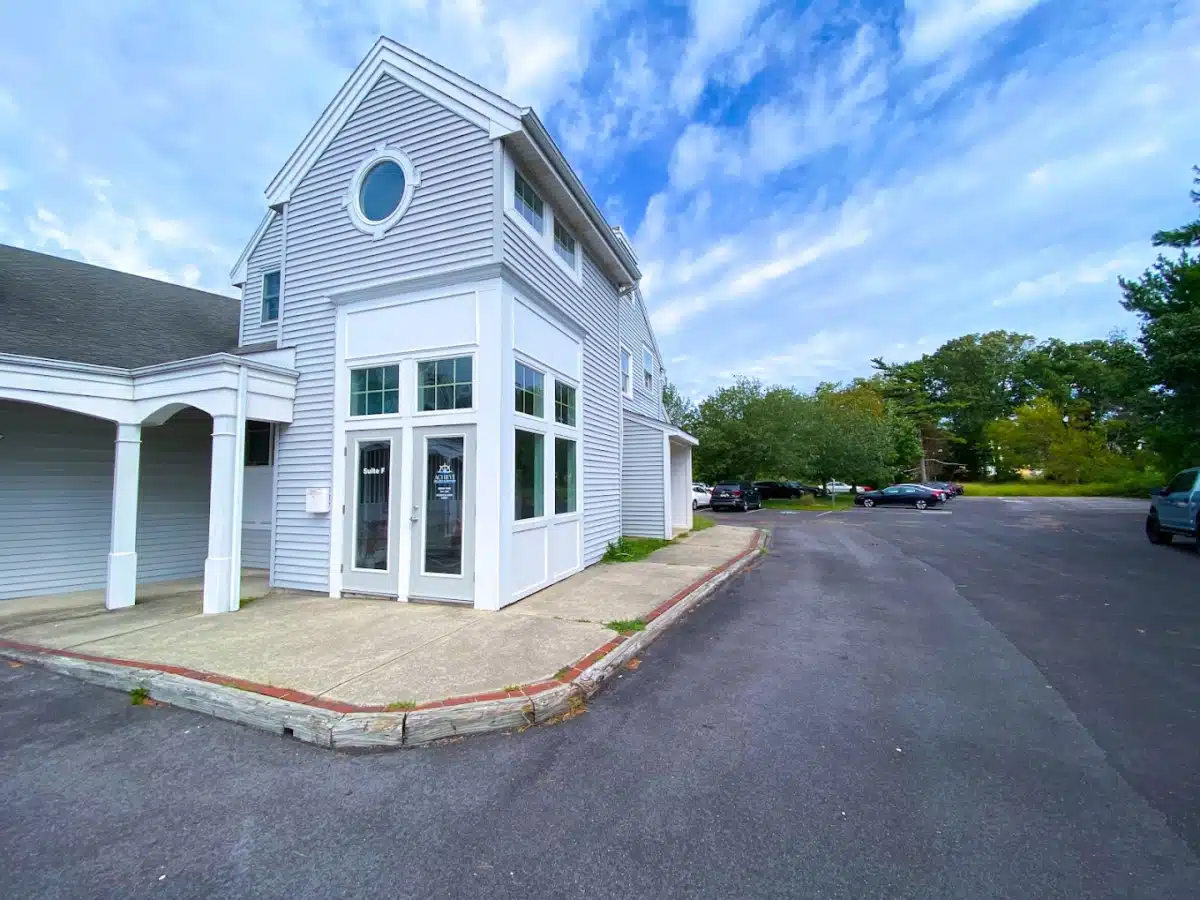
Nestled in Northfield, NJ, Achieve Wellness and Recovery stands out as a dedicated resource for comprehensive substance use treatment, catering to both adults and young adults. This center offers a variety of programs designed to meet diverse needs, including intensive outpatient treatment, standard outpatient services, and specialized outpatient day treatment options. Here, the treatment methodology emphasizes effective techniques such as cognitive behavioral therapy, motivational interviewing, and proactive relapse prevention strategies. What truly distinguishes Achieve Wellness and Recovery is its commitment to personalization. The team works closely with each individual to craft treatment plans tailored to their specific circumstances and goals, ensuring that every client receives the most appropriate care possible. The facility is inclusive and welcoming, accepting both male and female clients, and fostering a supportive atmosphere that encourages everyone on their journey toward lasting recovery.
View Details
Camelback Recovery Treatment Center, located in the heart of Phoenix, AZ, is dedicated to providing thorough addiction treatment services tailored for both adults and young adults. This facility stands out by offering a full spectrum of care that includes detoxification, targeted substance use treatment, and specialized programs designed for those grappling with co-occurring mental health disorders. Among the variety of options available, the center features intensive outpatient treatment, outpatient day programs, and partial hospitalization. Each of these formats is designed with flexibility in mind, allowing clients to choose a path that best suits their personal circumstances and recovery goals. At Camelback Recovery, there's a strong emphasis on evidence-based practices, including 12-step facilitation and anger management, along with brief intervention strategies. The team is committed to creating individualized treatment plans that cater to the specific needs of each client. One of the center's notable strengths is its focus on providing unique services for individuals who have experienced trauma, as well as those facing the challenges of co-occurring disorders. This thoughtful approach is what truly differentiates Camelback Recovery from other treatment facilities. The center is equally dedicated to serving both male and female clients, ensuring that every individual can receive the quality care they deserve on their journey to recovery.
View Details
Transitions By CareSense, located in Reading, PA, specializes in providing tailored substance use treatment through a variety of programs designed to meet the unique needs of each individual. Whether you’re seeking intensive outpatient treatment, standard outpatient care, or the more structured outpatient day treatment or partial hospitalization, this facility has options available. What’s particularly noteworthy about Transitions By CareSense is its commitment to a range of therapeutic approaches. The center employs 12-step facilitation, brief interventions, and cognitive behavioral therapy, creating a supportive environment for its clients. Their services are geared towards active duty military members, as well as adult men, women, and young adults, ensuring that everyone can find the appropriate level of care. Both male and female clients are welcomed, fostering a comprehensive atmosphere for adults looking for effective addiction treatment. As you embark on your recovery journey, you can trust that at Transitions By CareSense, the care you receive will be rooted in evidence-based practices, aimed at helping you achieve your recovery goals.
View Details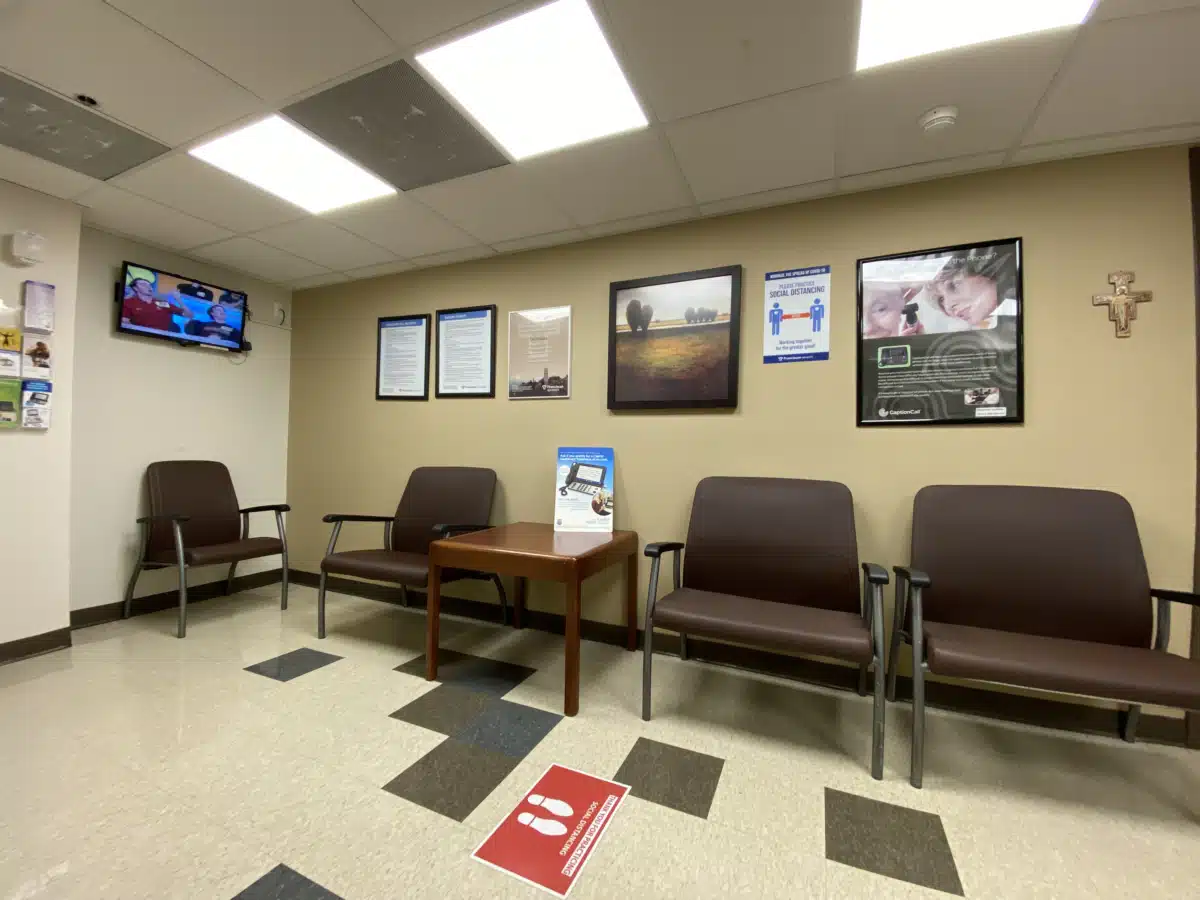
Franciscan Alliance Inc, which is conveniently situated in Dyer, Indiana, is dedicated to providing a wide range of addiction treatment services tailored to both adults and young adults. At this facility, you can find a supportive environment that includes hospital inpatient detoxification as well as comprehensive inpatient care, available 24 hours a day. The center employs strategies rooted in a 12-step approach while also incorporating essential services like anger management and brief interventions. This is particularly beneficial for individuals dealing with both substance use challenges and significant mental health issues, which often co-occur. To ensure that everyone receives the care that best suits their needs, Franciscan Alliance Inc offers specialized programs designed for adult men and women, as well as clients who have faced intimate partner or domestic violence. With a commitment to gender-specific care, the facility ensures that both male and female clients receive high-quality, personalized treatment aimed at supporting their journey toward recovery and overall wellness.
View Details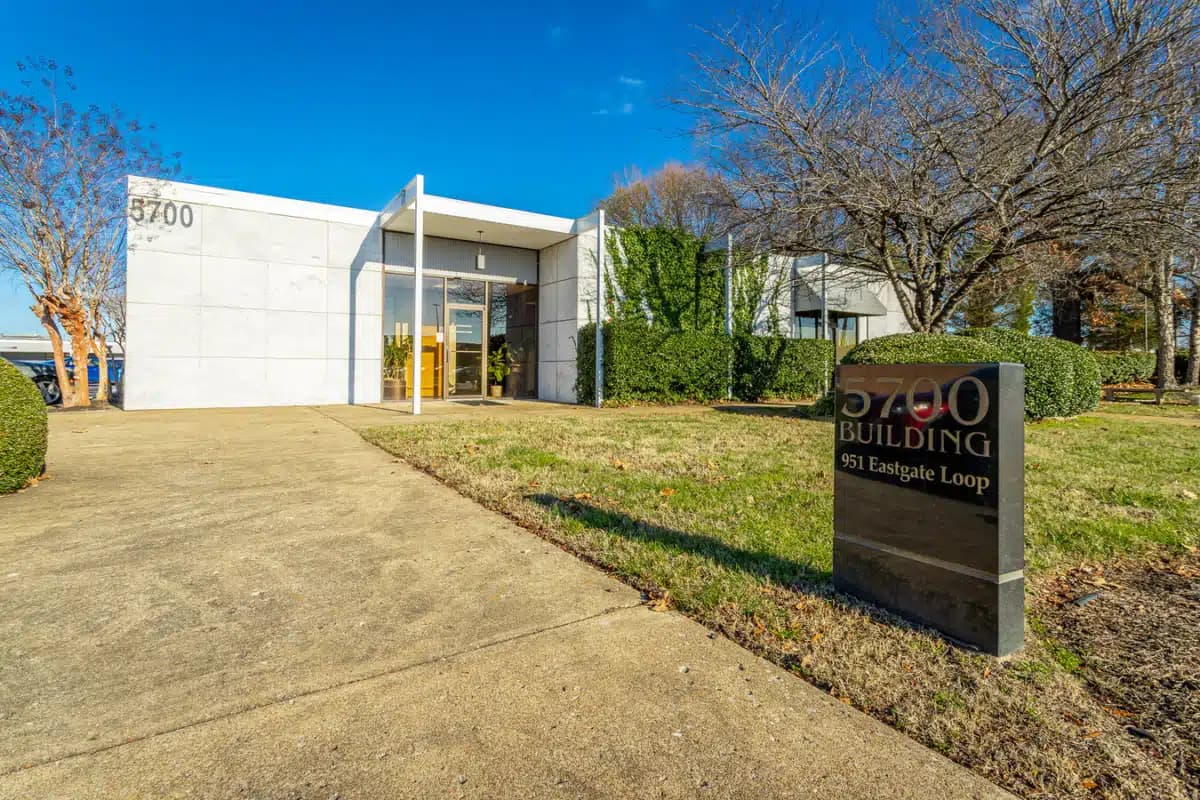
Located in the heart of Chattanooga, TN, "Tennessee Community" stands out as a premier facility dedicated to providing a wide array of addiction treatment services aimed at both adults and young adults. This center is committed to supporting individuals on their journey to recovery through various comprehensive programs. One of the key offerings at Tennessee Community is detoxification, which serves as a crucial first step for many individuals seeking to overcome addiction. Beyond detox, the center also focuses on substance use treatment, which includes a range of therapeutic approaches designed to fit the unique needs of each client. For those who require additional support, transitional housing options and sober living environments are available, providing safe spaces that foster recovery and resilience. The facility’s treatment options are diverse, encompassing intensive outpatient programs, regular outpatient care, and day treatment formats. These varied modalities allow for a tailored approach to recovery, enabling individuals to access the level of care that best suits their circumstances. Tennessee Community employs well-established methodologies such as 12-step facilitation, anger management strategies, and brief intervention techniques. These evidence-based practices contribute to an effective treatment process that empowers clients to engage with their recovery in a structured and supportive manner. Moreover, the center offers specialized programs designed specifically for different demographic groups, including active duty military members, adult men, and adult women. This focus on individualized care underscores Tennessee Community's commitment to understanding the unique challenges faced by each client. Overall, Tennessee Community emphasizes quality and compassionate care for all clients, making it an invaluable resource for those in Chattanooga who are seeking comprehensive and effective rehabilitation services. Whether you are an adult or a young adult in need of support, this center stands ready to guide you through the recovery process with dignity and respect.
View Details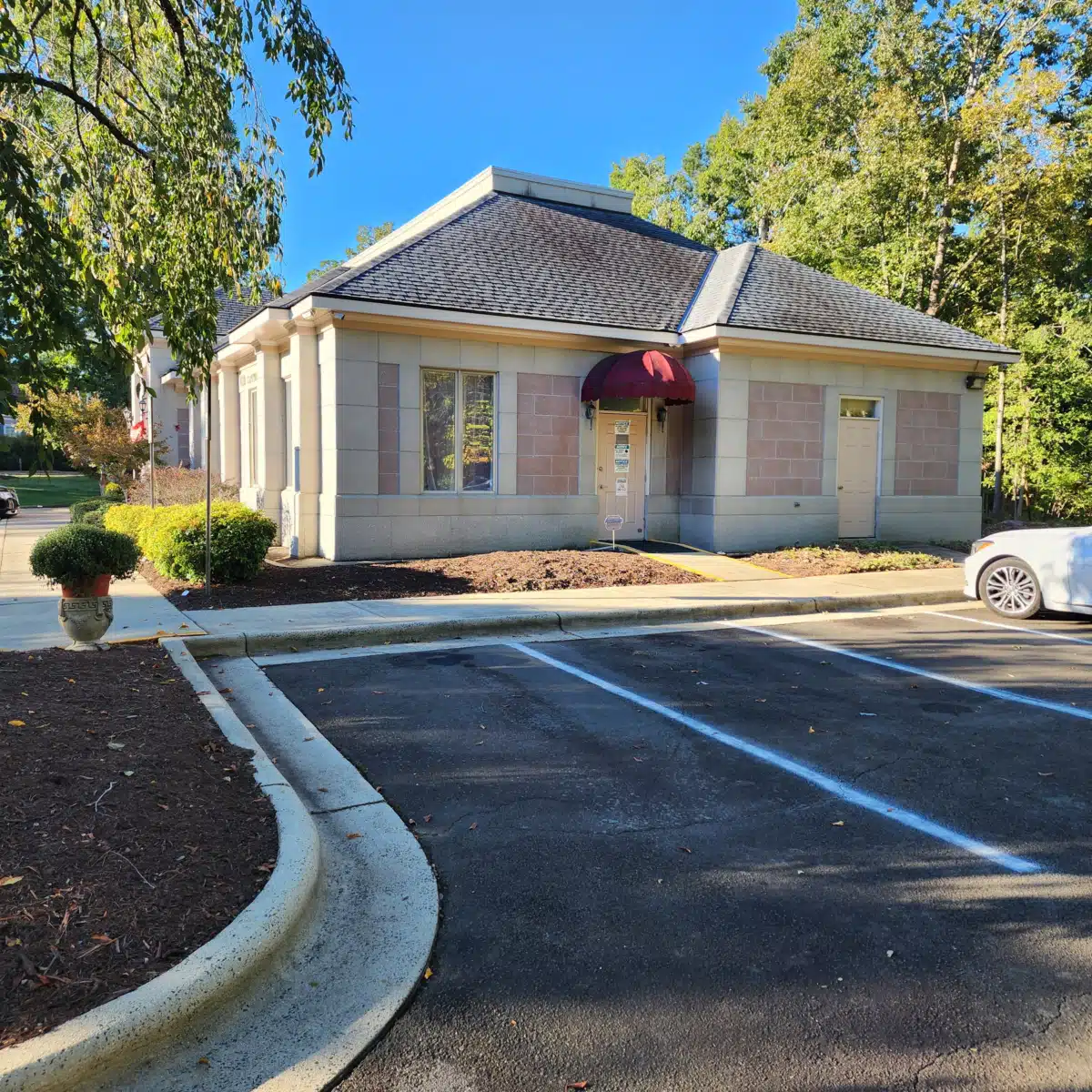
Morse Clinic of Durham PC, located in Durham, NC, provides a wide array of outpatient services aimed at detoxification, treatment for substance use, and support for co-occurring disorders affecting both adults and children. This facility stands out for its expertise in outpatient detoxification, as well as its effective treatments with methadone, buprenorphine, or naltrexone. At the heart of the Morse Clinic's approach is a commitment to evidence-based practices. They focus on strategies such as 12-step facilitation, anger management, and brief intervention techniques. What sets this clinic apart is its dedication to tailoring care for a diverse range of individuals, including active duty military personnel, as well as adult men and women. Moreover, Morse Clinic of Durham PC is inclusive, serving everyone from adults to adolescents, and even young adults across the gender spectrum. The center is committed to delivering quality care through specialized programs designed to meet the unique needs of its varied clientele. With such a comprehensive approach, the clinic strives to ensure that every patient receives the compassionate and personalized support they need on their path to recovery.
View Details
Located in Greenville, NC, PORT Health Services is dedicated to providing outpatient treatment for substance use issues and co-occurring disorders, offering support for both adults and children. Their range of services includes outpatient day treatment as well as partial hospitalization programs, all designed to meet the diverse needs of their clients. The center employs a variety of therapeutic approaches, such as anger management, brief interventions, and cognitive behavioral therapy. This comprehensive strategy allows them to effectively serve clients of all genders and age groups, from adolescents to young adults. Additionally, PORT Health provides specialized programs that focus on critical issues such as intimate partner violence, domestic violence, and sexual abuse, aiming to address the complex challenges many clients face. With an emphasis on delivering high-quality care tailored to individual needs, PORT Health Services stands out as an invaluable resource for those in search of thorough rehabilitation options in the Greenville area. Whether you or someone you know is battling addiction or facing the challenges of co-occurring disorders, this facility is committed to offering the support necessary for a successful recovery journey.
View Details
Located in Gainesville, FL, Meridian Behavioral Healthcare Inc is dedicated to offering outpatient treatment for individuals grappling with substance use issues, whether they be adults or children facing significant emotional challenges. The center prides itself on delivering regular outpatient services grounded in evidence-based practices—including effective techniques like cognitive behavioral therapy and motivational interviewing. One of the standout features of Meridian is its specialized programs designed for unique groups, including active duty military personnel, adolescents, and adult men. This thoughtful approach ensures that services are customized to meet the specific needs of both male and female clients, recognizing that each individual's journey is distinct. By maintaining a strong emphasis on quality care and personalized treatment strategies, Meridian Behavioral Healthcare is committed to empowering those who seek assistance for substance use disorders as well as co-occurring mental health issues. The facility stands as a supportive resource for anyone looking to improve their well-being and reclaim their lives.
View Details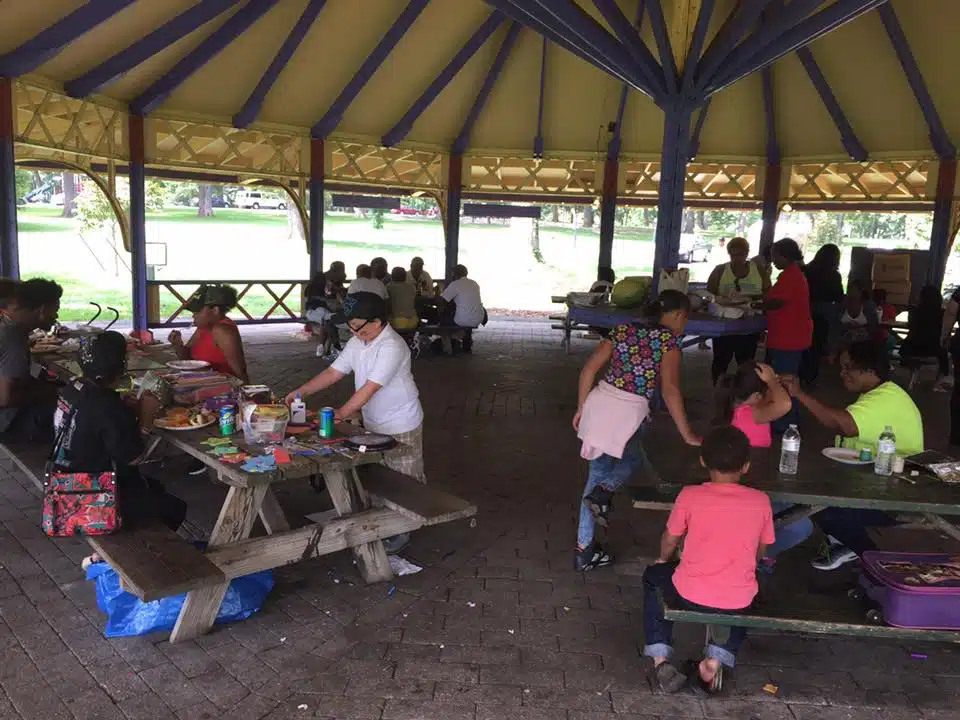
Located in the heart of Baltimore, MD, Maryland Wellness is dedicated to providing a wide array of addiction treatment services tailored to meet the diverse needs of its clients. This center stands out for its commitment to not only detoxification but also comprehensive substance use treatment, particularly for those facing the added challenges of co-occurring disorders. This includes addressing serious mental health conditions in adults and serious emotional disturbances in children. Maryland Wellness offers various programs designed to fit different lifestyles and recovery needs. These range from intensive outpatient treatment to more flexible outpatient care options. They also provide specialized outpatient services that include methadone and buprenorphine therapies, as well as naltrexone treatment, ensuring that individuals receive the most effective care according to their unique situations. The center’s approach is rooted in evidence-based practices, using methodologies such as 12-step facilitation, anger management strategies, and cognitive behavioral therapy. These techniques not only support recovery but also empower clients to develop healthier coping mechanisms. Maryland Wellness also recognizes the importance of tailored support through special programs aimed at specific groups. They offer targeted care for adult men and women, as well as for those who have faced intimate partner violence or domestic violence, ensuring an environment of understanding and respect. With a focus on inclusive care, Maryland Wellness serves adults and seniors of all genders, striving to deliver personalized treatment plans that effectively address the individual needs of each client. This comprehensive approach underscores their dedication to helping individuals navigate their path to recovery with compassion and expertise.
View DetailsAbout Art & Music Therapy
Art and music therapy are recognized by the American Art Therapy Association, the American Music Therapy Association, and SAMHSA as evidence-based complementary therapies for substance use disorders. A meta-analysis in the Journal of Addictions Nursing found creative arts therapies significantly reduce anxiety, depression, and craving severity among individuals in addiction treatment. Over 50% of accredited residential treatment programs in the U.S. now incorporate some form of expressive arts therapy, reflecting growing research support for their role in recovery.
What is Creative Arts Therapy?
Art therapy and music therapy use creative processes to improve mental, emotional, and physical well-being. These expressive therapies are facilitated by licensed professionals and can access and address issues that may be difficult to explore through talk therapy alone.
Art Therapy in Addiction Treatment
Art therapy uses visual art-making to:
- Express emotions that are hard to put into words
- Process trauma safely and symbolically
- Reduce stress and anxiety
- Increase self-awareness and insight
- Develop healthy coping mechanisms
- Build self-esteem through creative accomplishment
- Explore recovery goals and challenges
Music Therapy in Addiction Treatment
Music therapy uses music to:
- Regulate emotions and reduce anxiety
- Express feelings through songwriting or playing
- Process emotions through lyrics analysis
- Improve mood and motivation
- Build connection with others through group music-making
- Create positive associations and memories
No Artistic Skill Required
Art and music therapy focus on the process, not the product. You don't need to be "artistic" or musically talented to benefit. The goal is expression and exploration, not creating masterpieces.
Who Benefits from Creative Therapies?
Creative therapies are particularly helpful for:
- Individuals who have difficulty expressing themselves verbally
- Those with trauma (PTSD) who may find direct discussion overwhelming
- People who haven't responded well to traditional talk therapy
- Those who enjoy creative expression
- Individuals seeking stress relief and relaxation
What to Expect in Creative Arts Therapy
Creative therapies are typically integrated into broader treatment programs:
- Week 1: Introduction & Assessment — A licensed art or music therapist assesses your needs and comfort level. No artistic skill is needed. Sessions often take place in residential or PHP settings
- Weeks 2–4: Exploration — Guided art-making or music activities to express emotions, process experiences, and reduce anxiety. Themes often relate to addiction, identity, and relationships. Complements individual CBT sessions
- Weeks 5–8: Deeper Processing — Address trauma, grief, and shame through symbolic expression. Trauma survivors often find creative expression safer than verbal processing during this phase
- Weeks 9–12: Integration & Expression — Create recovery-focused works, develop personal symbols of strength, and build creative practices to maintain well-being. Many continue creative practices as lifelong coping tools
Treatment Outcomes & Research
A systematic review in the Arts in Psychotherapy found art therapy reduces anxiety by 37% and depression by 34% in substance abuse populations. Music therapy research published in Cochrane Database of Systematic Reviews demonstrated significant improvements in motivation, engagement, and emotional expression during treatment. Neuroimaging studies show creative arts activities activate the brain's reward pathways through healthy dopamine release — helping to repair the reward system disrupted by addiction.
Learn more about creative therapies:
Insurance & Payment for Art & Music Therapy
The Mental Health Parity and Addiction Equity Act (MHPAEA) and the Affordable Care Act (ACA) require most health insurance plans to cover substance use disorder and mental health treatment at the same level as medical and surgical care. This means art & music therapy is typically covered when deemed medically necessary.
Coverage varies by plan and provider. Many treatment centers accept private insurance, Medicaid, Medicare, TRICARE, and offer sliding-scale fees. Contact your insurance company or the treatment center directly to verify benefits.
Helpful resources:
- Learn about insurance coverage for rehab
- Explore standard outpatient programs (often most affordable)
- Consider telehealth services for accessible, lower-cost options
- SAMHSA National Helpline — free, confidential, 24/7 referrals (1-800-662-4357)
- Medicaid.gov — check eligibility for state Medicaid coverage
Related Conditions & Treatments
Related Conditions
Other Treatment Methods
Levels of Care
Medical Disclaimer
This content is for informational purposes only and does not constitute medical advice, diagnosis, or treatment. Always consult a qualified healthcare professional before making decisions about addiction treatment. If you or someone you know is in crisis, contact the 988 Suicide & Crisis Lifeline (call or text 988) or the SAMHSA National Helpline (1-800-662-4357).