
Drug & Alcohol Rehab Centers in Baltimore, Maryland
Baltimore has long been at the epicenter of the nation's opioid crisis, and the city's response to substance use disorders has shaped addiction treatment policy nationwide. According to the Maryland Department of Health, Baltimore City recorded over 1,000 overdose-related deaths in 2022, with fentanyl and opioid addiction driving the majority of fatalities. The city's overdose death rate remains among the highest per capita in the United States, underscoring the urgency of accessible, evidence-based treatment.
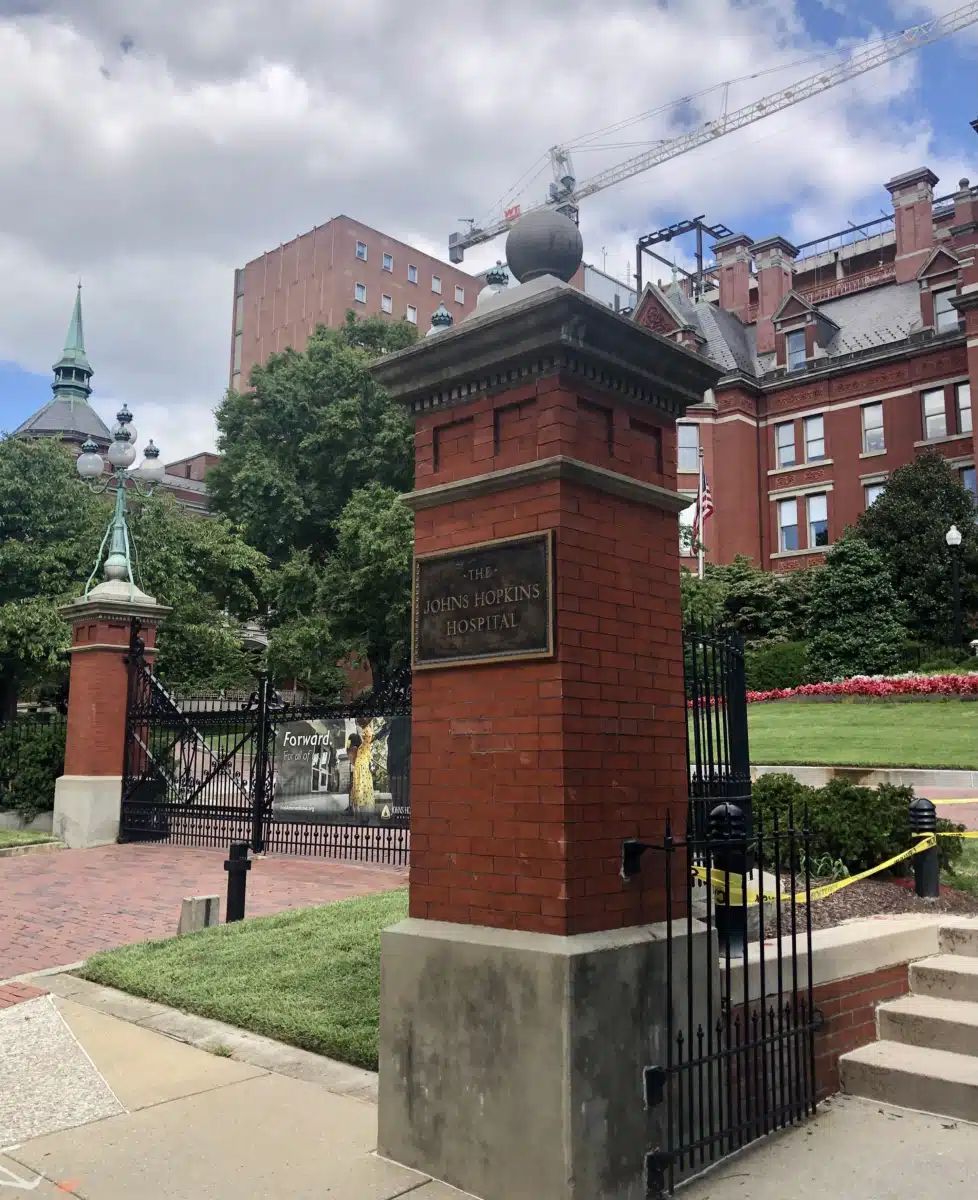
Baltimore's treatment infrastructure is anchored by world-class medical institutions. The Johns Hopkins University School of Medicine operates the Broadway Center for Addiction, one of the oldest and most respected addiction research and treatment programs in the country. The University of Maryland Medical System provides comprehensive behavioral health services, including medical detoxification and inpatient rehabilitation. These academic medical centers bring cutting-edge research directly into clinical practice, offering patients access to the latest treatments for heroin addiction, alcohol use disorder, and cocaine dependency.
Medication-assisted treatment (MAT) is a cornerstone of Baltimore's strategy. The city was among the first to widely implement buprenorphine prescribing in community health settings, and Baltimore's network of Opioid Treatment Programs provides methadone to thousands of residents daily. Behavioral Health System Baltimore (BHSB) coordinates the city's crisis response and connects residents to treatment through its crisis hotline and mobile crisis teams.
Baltimore's harm reduction infrastructure is among the most progressive in the nation, with syringe service programs, naloxone distribution, and overdose education deeply embedded in community health networks. Whether someone is seeking help for fentanyl addiction, prescription drug misuse, or benzodiazepine dependence, Baltimore offers a comprehensive continuum of care supported by some of the country's leading addiction medicine researchers and clinicians.
The Addiction Treatment Landscape in Baltimore
Baltimore's treatment landscape reflects decades of sustained effort to address one of America's most entrenched substance use crises. SAMHSA's National Survey of Substance Abuse Treatment Services identifies over 150 treatment facilities within Baltimore City and the surrounding metropolitan area. The Maryland Behavioral Health Administration oversees licensing and funding for programs across the state, with a significant concentration of resources directed at Baltimore due to the city's disproportionate overdose burden.
The opioid crisis in Baltimore predates the national fentanyl wave. Heroin use became widespread in the city during the 1990s and early 2000s, and Baltimore developed early models for community-based MAT that were later adopted nationally. The city's Buprenorphine Initiative expanded access to office-based opioid treatment in primary care settings, significantly reducing barriers to entry. Today, Baltimore also grapples with rising stimulant use, particularly cocaine and methamphetamine, requiring programs to adapt their treatment approaches.
Major institutions like Johns Hopkins Bayview Medical Center, the University of Maryland Medical Center, and Sinai Hospital operate addiction medicine divisions that combine residential treatment, outpatient services, and research. Community-based organizations, including Man Alive, Tuerk House, and Baltimore Crisis Response Inc., fill critical gaps by providing culturally responsive services in neighborhoods most impacted by addiction. Programs serving individuals with co-occurring mental health and substance use disorders are widely available throughout the city.
Types of Addiction Treatment Available in Baltimore
Baltimore offers every level of care within the addiction treatment continuum. Medical detox programs are available at hospitals and dedicated facilities throughout the city, providing 24-hour medical supervision for safe withdrawal from opioids, alcohol, and benzodiazepines. Detox is typically the first step before transitioning to structured rehabilitation programs.
Inpatient rehabilitation programs in Baltimore range from 28-day short-term programs to extended 90-day tracks, offering individual and group therapy, relapse prevention education, and life skills development. Partial hospitalization programs (PHP) provide several hours of intensive treatment daily while patients reside at home or in transitional housing. Intensive outpatient programs (IOP) typically meet three to five days per week and are suited for individuals with stable living situations.
Specialized treatment modalities available in Baltimore include cognitive-behavioral therapy (CBT), contingency management, motivational enhancement therapy, and trauma-informed care approaches such as EMDR. Holistic therapies including mindfulness meditation, art therapy, and equine-assisted therapy are offered at select programs. Sober living residences throughout Baltimore City and County provide structured, substance-free housing for individuals in early recovery, and standard outpatient treatment offers ongoing support through individual counseling and group sessions.
Insurance and Payment Options for Baltimore Rehab
Most addiction treatment facilities in Baltimore accept a range of insurance plans. Maryland's behavioral health parity laws and the federal Mental Health Parity and Addiction Equity Act require insurers to cover substance use disorder treatment at the same level as other medical conditions. This applies to employer-sponsored plans, individual marketplace plans under the Affordable Care Act, and Medicaid managed care organizations.
Maryland Medicaid provides comprehensive coverage for addiction treatment services, including inpatient detox, residential rehabilitation, outpatient counseling, and medication-assisted treatment with buprenorphine, methadone, or naltrexone. The state's Administrative Services Organization (ASO) coordinates behavioral health benefits for Medicaid recipients, streamlining access to care. Baltimore residents who qualify can enroll in Medicaid through Maryland Health Connection.
Private insurance carriers commonly accepted at Baltimore treatment centers include Aetna, CareFirst Blue Cross Blue Shield, Cigna, UnitedHealthcare, and Amerigroup. Many facilities employ dedicated benefits verification teams to confirm coverage before admission. For uninsured individuals, state-funded treatment slots are available through BHSB, and federally qualified health centers throughout Baltimore provide substance use services on a sliding-fee scale.
Local Addiction Resources in Baltimore
Baltimore maintains a robust network of addiction support resources beyond formal treatment programs. The Baltimore Crisis Response hotline (410-433-5175) provides 24/7 crisis intervention, mobile crisis teams, and referrals to treatment services. The SAMHSA National Helpline (1-800-662-4357) offers free, confidential referrals to treatment facilities and support groups around the clock.
Mutual aid organizations have a strong presence in Baltimore. Alcoholics Anonymous Baltimore Intergroup hosts hundreds of weekly meetings across the city, and Narcotics Anonymous, SMART Recovery, and Celebrate Recovery provide additional peer support options. The Maryland state resource page offers further information on statewide programs, helplines, and regional support services.
Community organizations including Behavioral Health System Baltimore, Baltimore Harm Reduction Coalition, and the Baltimore City Health Department operate naloxone distribution programs, syringe services, and overdose education initiatives. The Health Department's Stable Homes Initiative provides housing support for individuals in recovery, recognizing that stable housing is a critical factor in sustaining long-term sobriety.
Want us to find the perfect facility for you?
Call now - it's completely free!
Showing 20 of 110 results

Wilson House

Addiction Treatment Services

The Rail Inc


Broadway Center

REACH Health Services
Treatment Options in Baltimore
Treatment Locations in Baltimore
Treatment facilities serve communities from downtown Baltimore and Harbor East to neighborhoods throughout the city and Baltimore County.
More Treatment Centers in Maryland
Frederick
17 centers
Glen Burnie
14 centers
Salisbury
12 centers
Hagerstown
10 centers
Towson
10 centers
Rockville
9 centers
View all 97 cities in Maryland
Frequently Asked Questions About Treatment in Baltimore
Sources
Medical Disclaimer
The information on this page is for educational purposes and is not a substitute for professional medical advice. If you or someone you know is experiencing a substance use crisis, call the SAMHSA National Helpline at 1-800-662-4357 (free, confidential, 24/7). For immediate danger, call 911 or the 988 Suicide & Crisis Lifeline by dialing 988.