
Drug & Alcohol Rehab Centers in West Virginia
West Virginia's addiction treatment system operates under extraordinary pressure as the state most devastated by the opioid epidemic in the United States. With approximately 200 licensed treatment facilities, the state provides services from medical detoxification and residential treatment to intensive outpatient programs and telehealth-based recovery support. The West Virginia Department of Health and Human Resources (DHHR), Bureau for Behavioral Health (BBH), licenses treatment programs, administers state and federal funding, and coordinates a public behavioral health system that must serve one of the most geographically challenging states in the eastern United States.
West Virginia has held the grim distinction of the highest per capita drug overdose death rate in America for multiple years. In 2022, the state recorded approximately 900 drug overdose deaths — a staggering figure for a population of only 1.8 million. Opioid use disorder remains the primary driver, with fentanyl now responsible for the majority of fatalities after decades of prescription opioid overprescribing devastated coalfield communities. The pharmaceutical industry's predatory targeting of West Virginia — documented in landmark litigation against distributors — created addiction rates in some counties that were multiples of the national average. Methamphetamine use has surged as a co-occurring crisis, with polysubstance use combining opioids and stimulants becoming increasingly common. Alcohol use disorder remains highly prevalent, compounded by economic despair, isolation, and limited social services across Appalachian communities.
West Virginia University (WVU) anchors the state's clinical treatment infrastructure through the Rockefeller Neuroscience Institute and the WVU Comprehensive Opioid Addiction Treatment (COAT) program, which serves as a hub-and-spoke model extending medication-assisted treatment (MAT) to rural communities. The West Virginia University Practice-Based Research Network connects treatment providers across the state. Evidence-based modalities including cognitive behavioral therapy (CBT), 12-step facilitation, dialectical behavior therapy (DBT), and motivational interviewing are available through clinical centers, though access remains severely limited in the state's most remote hollows and mountain communities. Quick Response Teams (QRTs) — multidisciplinary groups that engage overdose survivors within hours — have become a nationally recognized West Virginia innovation in connecting people to treatment at moments of crisis.
Addiction Treatment Landscape in West Virginia
West Virginia's substance use crisis is a product of devastating economic decline in coal country, predatory pharmaceutical marketing, geographic isolation, and a healthcare infrastructure strained by poverty and population loss. BBH administers state appropriations and federal Substance Abuse Prevention and Treatment (SAPT) Block Grant funding through a network of comprehensive behavioral health centers that serve as the backbone of the public treatment system, supplemented by significant opioid settlement funds flowing to the state and its communities.
Key statistics:
- Approximately 900 drug overdose deaths in 2022 — highest per capita rate in the United States (WV DHHR)
- Roughly 200 licensed substance use treatment facilities statewide (SAMHSA N-SSATS)
- West Virginia ranked #1 nationally for per capita overdose deaths for multiple consecutive years
- Pharmaceutical distributors shipped over 780 million opioid pills to West Virginia from 2006-2012
The opioid epidemic in West Virginia has roots deeper than almost any other state. The pharmaceutical industry flooded the state with pills — some counties of a few thousand residents received millions of doses annually. Landmark lawsuits against McKesson, Cardinal Health, AmerisourceBergen, and others resulted in billions of dollars in settlements, portions of which are now funding treatment expansion. Despite progress, fentanyl has replaced prescription opioids as the primary killer, and the state continues to lose residents at a rate that outpaces even the national opioid crisis.
Methamphetamine has emerged as an equally devastating crisis. As opioid prescribing restrictions tightened, many individuals turned to meth or began using both substances simultaneously. Polysubstance use involving fentanyl and meth creates particularly complex treatment needs and elevated overdose risk. West Virginia's treatment system has responded with innovations including Quick Response Teams, the WVU COAT hub-and-spoke MAT model, and the nation's first comprehensive statewide prescription drug monitoring program. Peer recovery support specialists, many of whom are themselves in long-term recovery, play a critical role in outreach and engagement across rural communities.
Types of Treatment Available in West Virginia
West Virginia offers addiction treatment across the levels of care recognized by the American Society of Addiction Medicine (ASAM), though availability varies dramatically between the Charleston-Huntington corridor and remote Appalachian communities:
- Medical Detoxification: Hospital-based detox programs in Charleston, Huntington, Morgantown, and Wheeling. CAMC (Charleston Area Medical Center) and WVU Medicine provide the most comprehensive medically managed withdrawal services for opioid, alcohol, and benzodiazepine dependence.
- Residential Treatment: Programs ranging from 30-day to extended-stay facilities operate in Charleston, Huntington, and Morgantown. Faith-based and recovery community-based residential programs serve additional capacity, with some offering 6-12 month stays at low or no cost.
- Partial Hospitalization (PHP): Structured day treatment programs available in Charleston, Huntington, and Morgantown. Access is extremely limited in southern coalfield and eastern mountain counties.
- Intensive Outpatient (IOP): Programs meeting 3-5 days per week are available in most larger towns and through comprehensive behavioral health centers operating in smaller communities.
- Standard Outpatient: Weekly individual and group therapy available through behavioral health centers statewide, providing the broadest geographic coverage of any treatment level in the state.
- Telehealth Services: Virtual treatment has become essential in West Virginia for reaching remote hollows and mountain communities with no local providers. WVU and Marshall University have led telehealth expansion for substance use disorder treatment across the state.
Medication-assisted treatment (MAT) is the cornerstone of West Virginia's opioid response. The WVU COAT program operates a hub-and-spoke model that extends buprenorphine treatment to rural communities through primary care partnerships. Methadone clinics operate in Charleston, Huntington, and other cities. 12-step programs and peer recovery support networks are deeply embedded in West Virginia's recovery culture. CBT, contingency management, and trauma-informed care models address the complex intersection of addiction, poverty, and adverse childhood experiences prevalent in affected communities.
Insurance & West Virginia Medicaid Coverage
West Virginia Medicaid provides comprehensive coverage for substance use disorder treatment services. West Virginia expanded Medicaid under the Affordable Care Act, extending eligibility to adults earning up to 138% of the federal poverty level. This expansion has been critical in a state with high poverty rates, significantly increasing the number of West Virginians who can access addiction treatment through Medicaid coverage.
- Outpatient substance use disorder treatment and counseling
- Intensive outpatient programs (IOP)
- Residential treatment with prior authorization
- Medically supervised detoxification and withdrawal management
- Medication-assisted treatment (MAT) including buprenorphine, naltrexone, and methadone
- Mental health services for co-occurring disorders
- Peer recovery support services
- Crisis stabilization and Quick Response Team services
West Virginia Medicaid operates through managed care organizations including Aetna Better Health of West Virginia, The Health Plan, and UniCare Health Plan. Private insurance plans must comply with the federal Mental Health Parity and Addiction Equity Act (MHPAEA). Major insurers including Highmark Blue Cross Blue Shield of West Virginia, UnitedHealthcare, Aetna, and Cigna offer plans with addiction treatment benefits.
For uninsured and underinsured individuals, BBH funds treatment through comprehensive behavioral health centers using state appropriations, federal block grants, and opioid settlement funds. West Virginia has received among the largest per capita opioid settlement allocations in the country, and these funds are being directed toward treatment expansion, recovery housing, and workforce development. SAMHSA's National Helpline (1-800-662-4357) offers free referrals to local treatment providers regardless of insurance status.
Want us to find the perfect facility for you?
Call now - it's completely free!
Showing 20 of 74 results
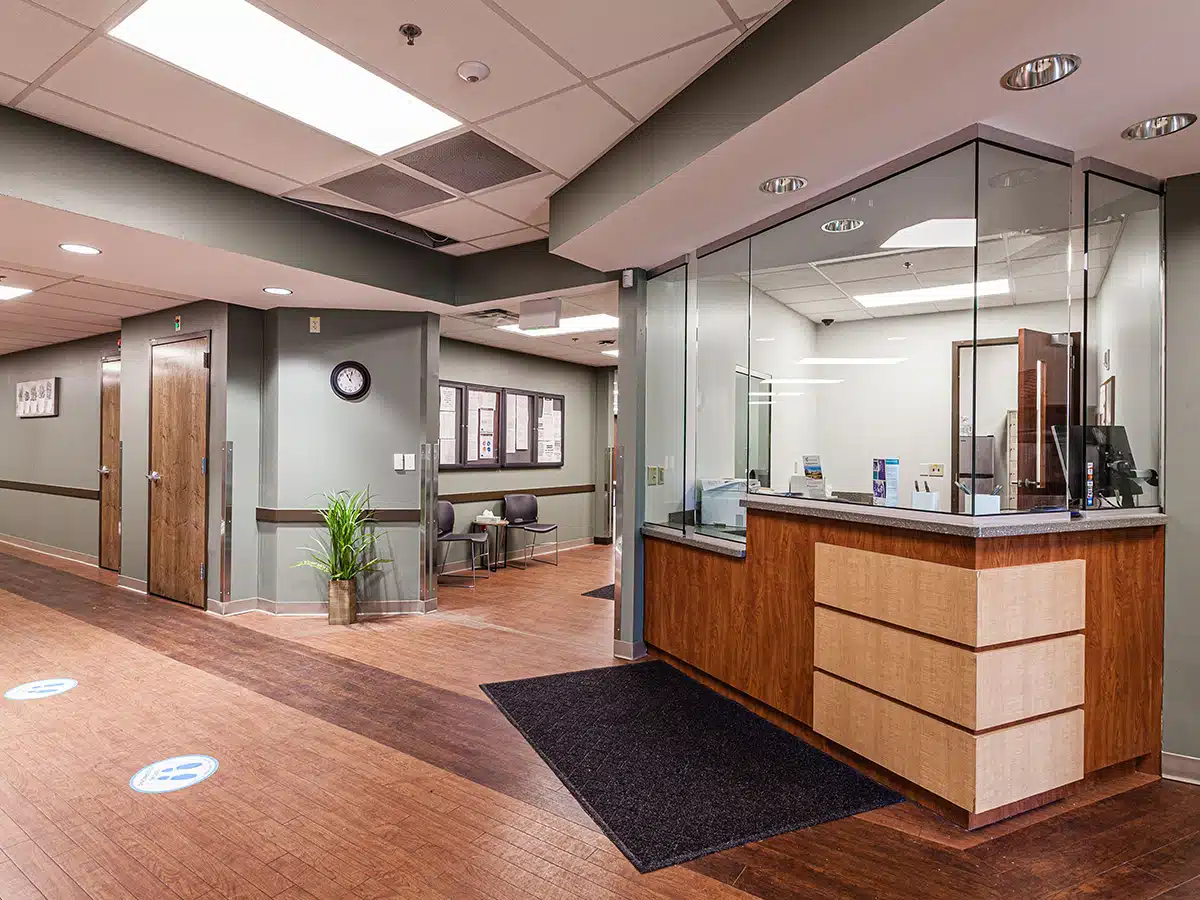
Beckley Treatment Center LLC
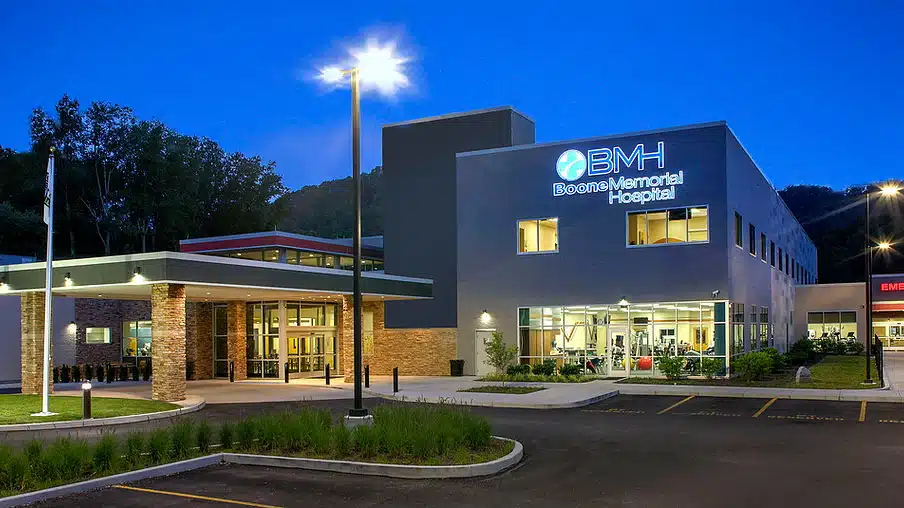
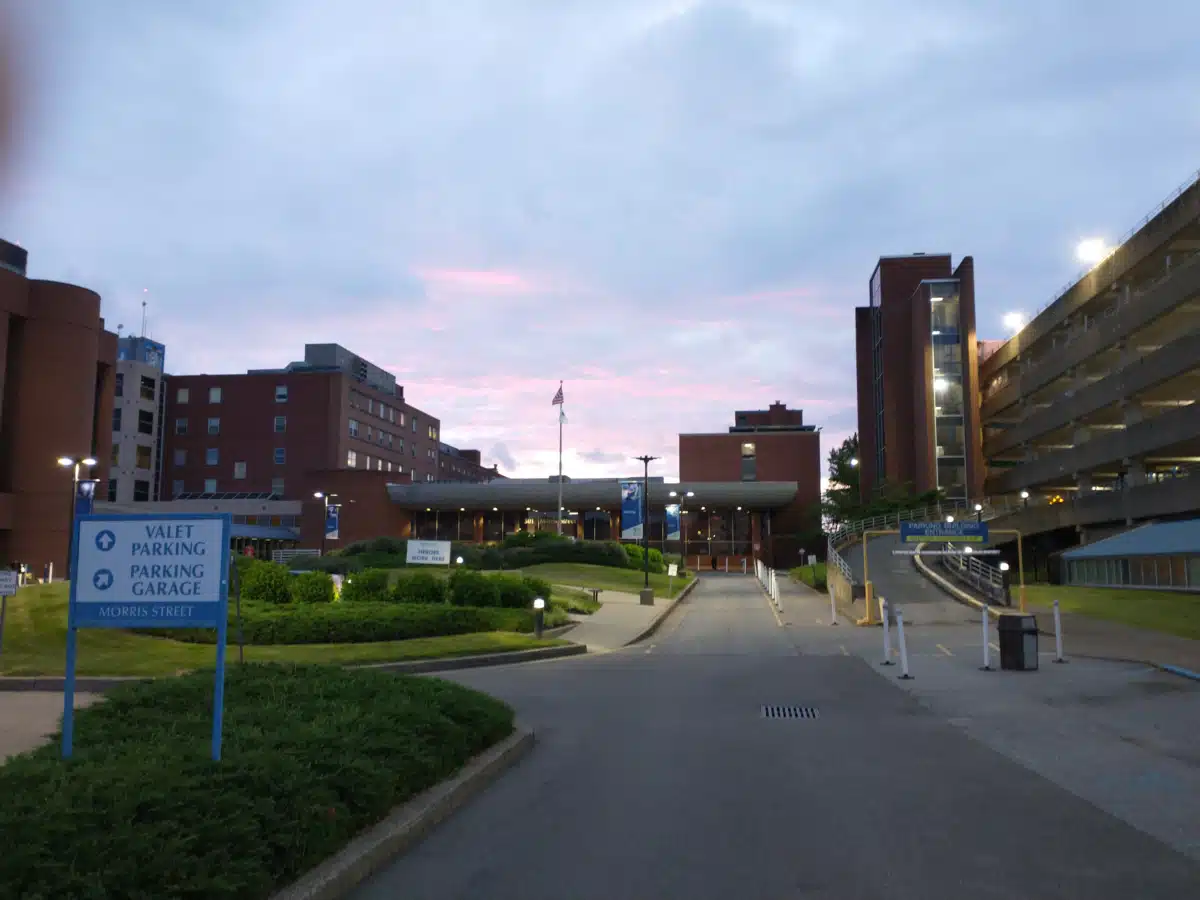
General Hospital

Charleston Treatment Center LLC

Clarksburg Treatment Center LLC

Raleigh County Office
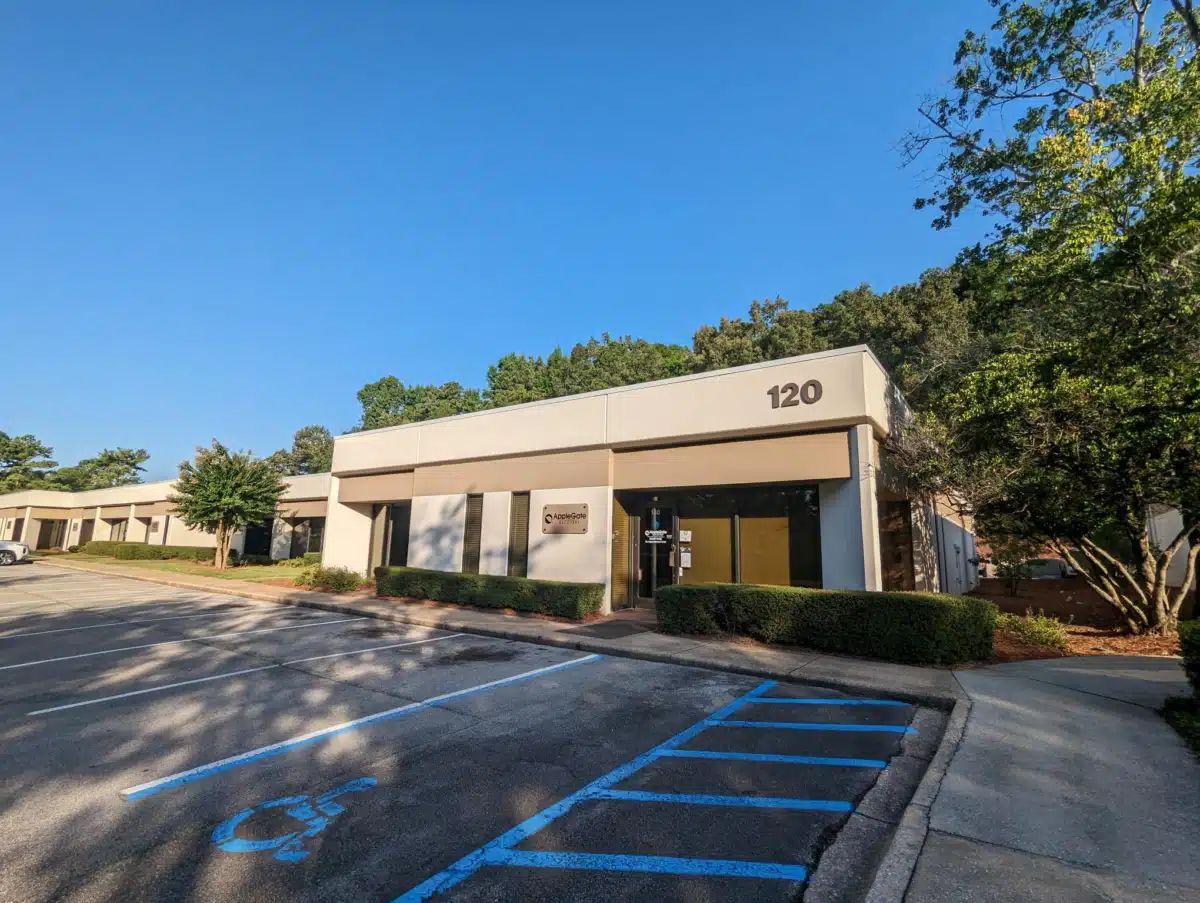

Center Substance Abuse Treatment Prog
Fayette County Office
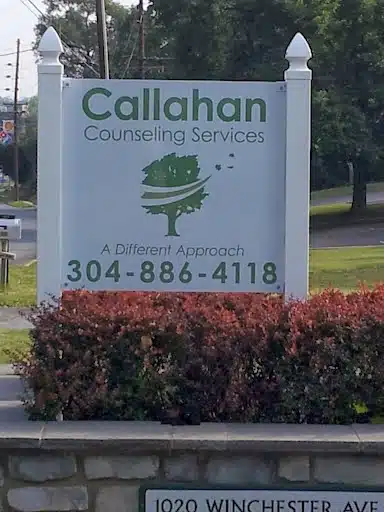
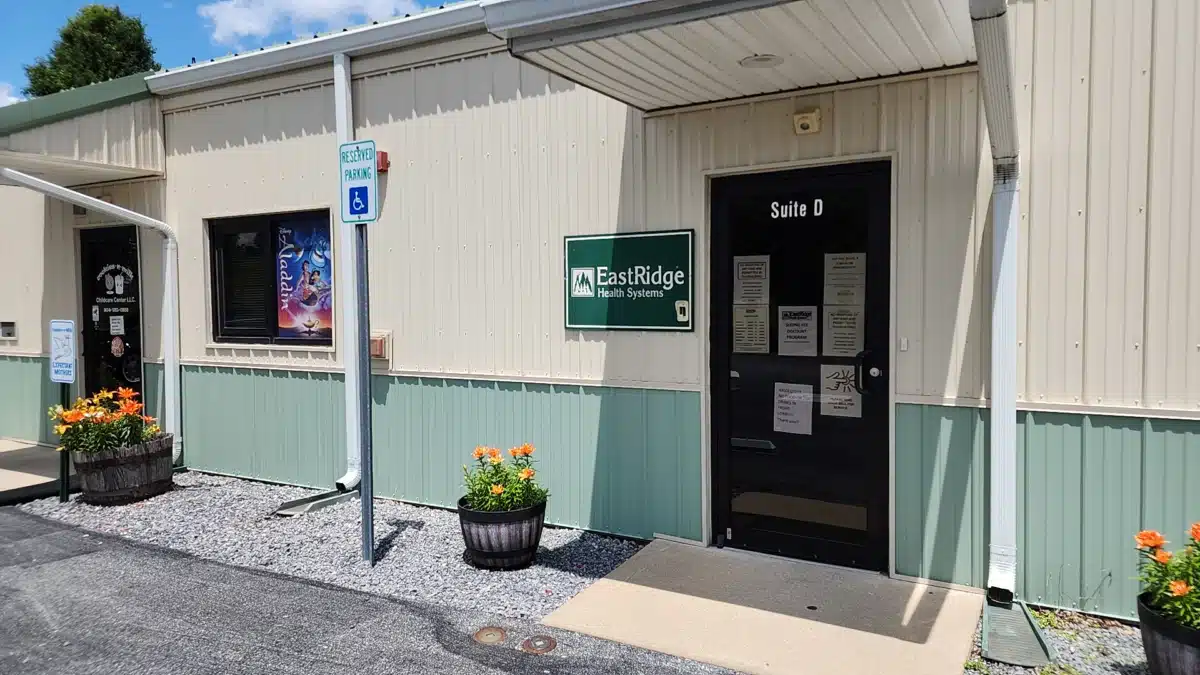
Berkeley County Office

Bluestone Primary Care
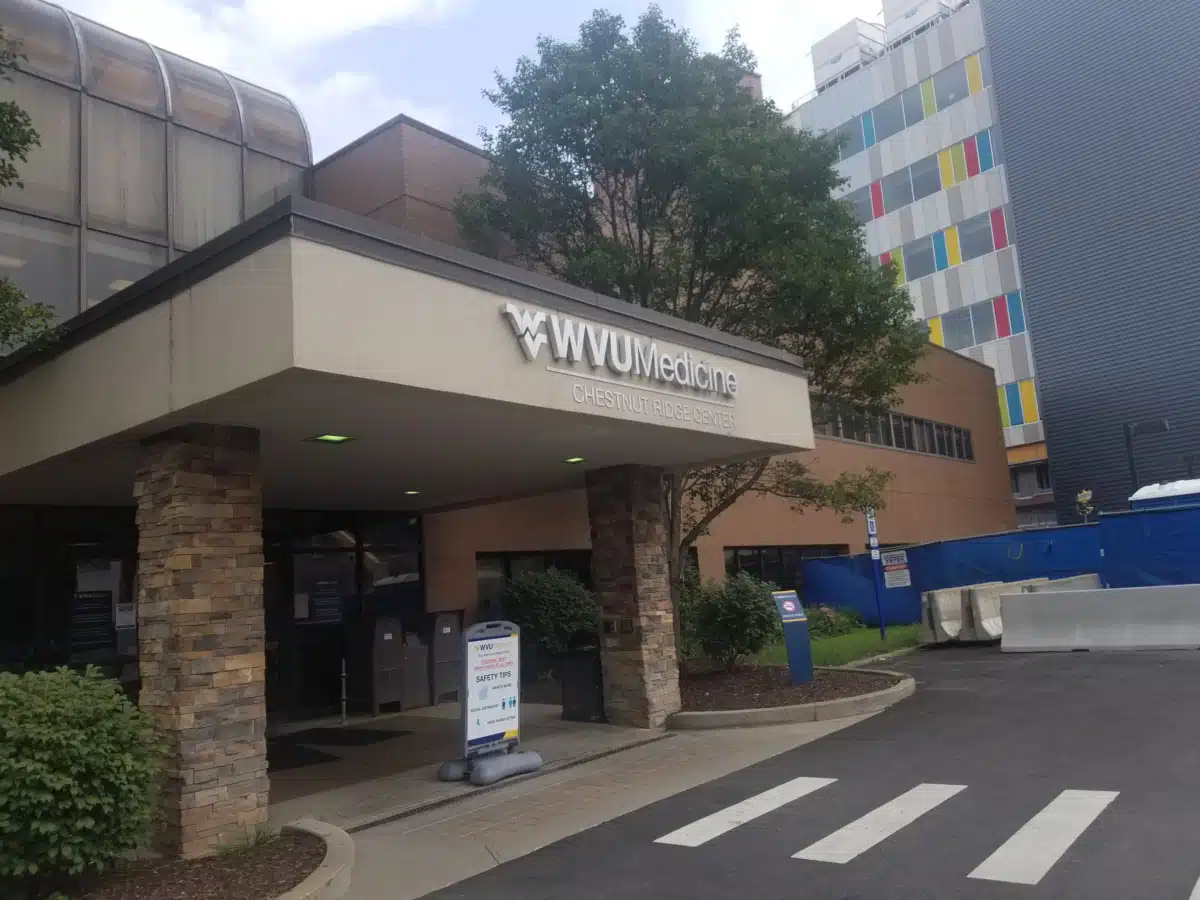
WVU Hospitals Inc
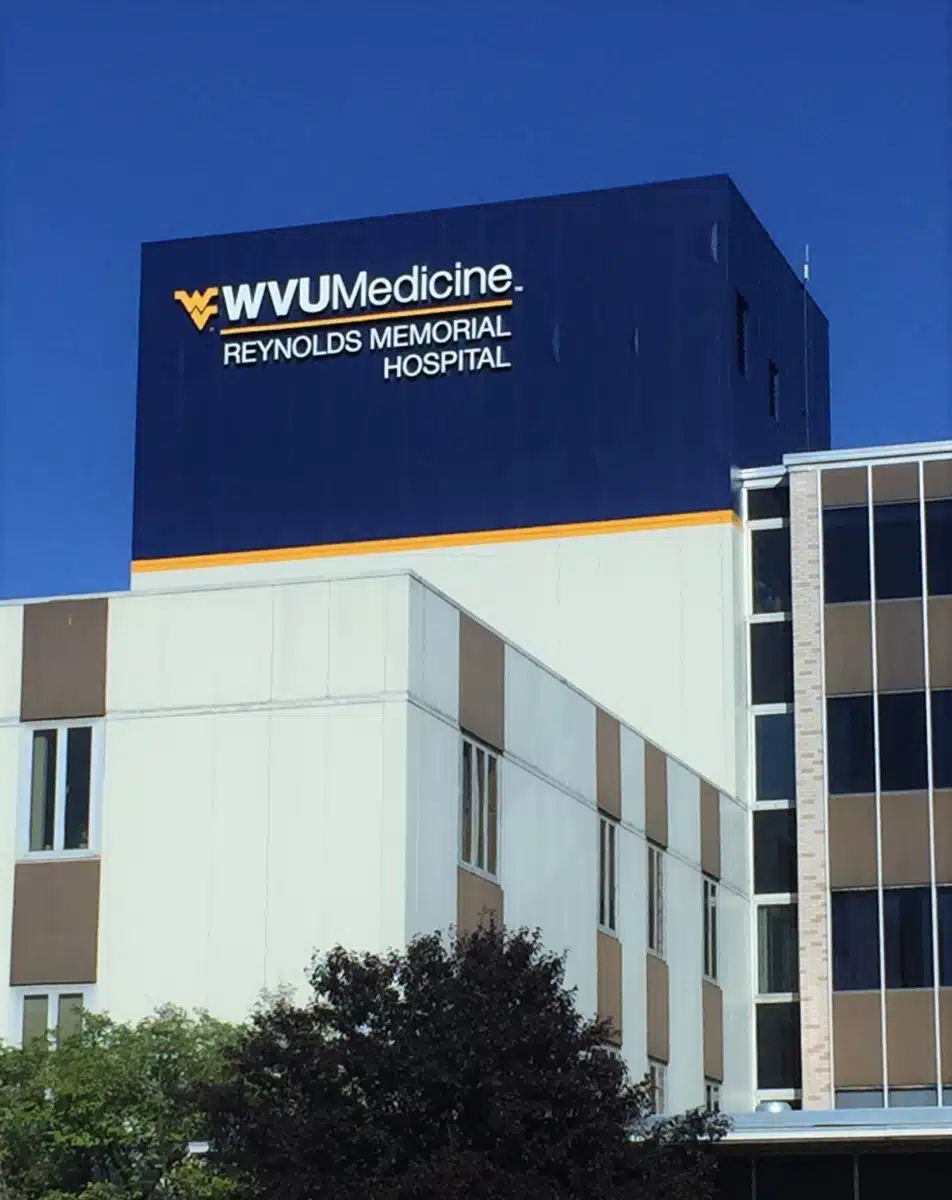
WVU Medicine Reynolds Memorial Hosp
Jefferson County Office
Barbour County Office Adult Services
Randolph County Office Adult Servs
Tucker Cnty Substance Abuse Servs
Morgan County Office
Monroe County Office
Treatment Highlights in West Virginia
Popular Cities in West Virginia
Frequently Asked Questions About Treatment in West Virginia
Sources
Medical Disclaimer
The information on this page is for educational purposes and is not a substitute for professional medical advice. If you or someone you know is experiencing a substance use crisis, call the SAMHSA National Helpline at 1-800-662-4357 (free, confidential, 24/7). For immediate danger, call 911 or the 988 Suicide & Crisis Lifeline by dialing 988.