
Drug & Alcohol Rehab Centers in Utah
Utah's addiction treatment system encompasses roughly 250 licensed facilities offering services across the full continuum of care, from medical detoxification and residential treatment to intensive outpatient programs and telehealth-based recovery support. The Division of Substance Abuse and Mental Health (DSAMH), within the Utah Department of Health and Human Services, serves as the state authority overseeing substance use disorder prevention, treatment, and recovery services. DSAMH contracts with 13 Local Authority agencies that provide or coordinate publicly funded treatment in every county.
Utah's substance use challenges exist within a distinctive cultural context. The state's large Church of Jesus Christ of Latter-day Saints (LDS) population — roughly 60% of residents — creates a social environment where alcohol and drug use carry heightened stigma, which can paradoxically discourage treatment-seeking. Despite lower-than-average rates of alcohol consumption, Utah faces significant challenges with prescription opioid misuse, which became a major public health crisis as prescribing rates climbed through the 2000s. In 2022, Utah recorded approximately 700 drug overdose deaths, with fentanyl rapidly displacing prescription opioids as the primary driver. Alcohol use disorder affects a meaningful segment of the population despite lower per-capita consumption, and methamphetamine use has grown in rural Utah communities and among populations outside the LDS cultural mainstream.
Utah's treatment landscape emphasizes family-based treatment models, reflecting the state's strong family-oriented culture. Programs frequently involve family therapy, parenting support, and intergenerational healing components. The University of Utah Health operates the state's most comprehensive addiction medicine program, with research and clinical services through the Huntsman Mental Health Institute. Intermountain Health, Utah's largest healthcare system, provides addiction services across the Wasatch Front and rural communities. Evidence-based treatments including medication-assisted treatment (MAT), cognitive behavioral therapy (CBT), dialectical behavior therapy (DBT), and motivational interviewing are integrated into programs statewide, alongside 12-step and faith-compatible recovery approaches.
Addiction Treatment Landscape in Utah
Utah's substance use crisis is shaped by the intersection of prescription opioid legacy, evolving fentanyl threats, cultural stigma around substance use, and growing meth challenges in rural areas. DSAMH coordinates treatment delivery through 13 Local Authority agencies and distributes state appropriations and federal Substance Abuse Prevention and Treatment (SAPT) Block Grant funds. The state has also directed opioid settlement proceeds toward expanding treatment capacity and prevention programs.
Key statistics:
- Approximately 700 drug overdose deaths in 2022 (Utah Department of Health and Human Services)
- Roughly 250 licensed substance use treatment facilities statewide (SAMHSA N-SSATS)
- Prescription opioid misuse rates historically higher than national average despite lower illicit drug use
- Utah expanded Medicaid fully in 2020 following voter approval of Proposition 3
The opioid crisis in Utah follows a distinctive trajectory. Rather than illicit heroin driving early addiction rates, Utah's crisis was rooted in prescription opioid overprescribing — the state ranked among the top 10 nationally for per-capita opioid prescriptions through the early 2010s. The cultural environment may have contributed, as some individuals who avoided alcohol or illicit drugs perceived prescription medications as socially acceptable. The crisis has since evolved as illicitly manufactured fentanyl has entered the state's drug supply, accounting for an increasing share of overdose deaths. The Utah Overdose Fatality Review Committee coordinates the state's analytical response to overdose trends.
Methamphetamine use has grown in Utah, particularly in rural communities in southern and eastern Utah and among populations outside the LDS cultural mainstream. Meth-involved treatment admissions have increased steadily, and the drug is often the primary substance in admissions in rural Local Authority areas. Cultural stigma around any substance use in Utah's predominantly LDS communities can create barriers to treatment-seeking — individuals may delay seeking help due to shame, fear of community judgment, or concerns about religious standing. Treatment providers in Utah have developed sensitive approaches that respect religious and cultural values while providing evidence-based addiction care.
Types of Treatment Available in Utah
Utah offers addiction treatment across all levels of care recognized by the American Society of Addiction Medicine (ASAM):
- Medical Detoxification: Hospital-based detox programs in Salt Lake City, Provo, and Ogden provide medically supervised withdrawal management for opioid, alcohol, and benzodiazepine dependence. University of Utah Health and Intermountain Health operate the state's most comprehensive detox services.
- Residential Treatment: Programs ranging from 30-day to 90+ day stays are concentrated along the Wasatch Front. Utah is known for residential programs that emphasize family involvement, and several programs offer tracks specifically designed to be compatible with LDS recovery principles alongside secular evidence-based care.
- Partial Hospitalization (PHP): Structured day treatment programs providing 5-7 days per week of intensive clinical services, primarily available in the Salt Lake City, Provo-Orem, and Ogden metro areas.
- Intensive Outpatient (IOP): Programs meeting 3-5 days per week are the most widely available level of structured treatment in Utah, offered by DSAMH-contracted Local Authority providers and private treatment centers along the Wasatch Front and in larger rural communities.
- Standard Outpatient: Weekly individual, group, and family therapy sessions for ongoing recovery maintenance, relapse prevention, and co-occurring disorder management.
- Telehealth Services: Virtual treatment is critical in Utah given the vast distances between communities in southern and eastern Utah. Telehealth helps bridge the access gap for rural residents in areas like St. George, Moab, and the Uintah Basin where in-person providers are limited.
Utah's treatment system emphasizes family-based approaches more than most states, reflecting its cultural values. Family therapy, parenting programs, and intergenerational treatment components are integrated into many programs. Medication-assisted treatment (MAT) with buprenorphine, naltrexone, and methadone is available across the Wasatch Front, though rural access remains limited. The state supports 12-step programs alongside LDS-compatible recovery groups like the church's Addiction Recovery Program (ARP), SMART Recovery, and secular peer support networks certified through DSAMH.
Insurance & Utah Medicaid Coverage
Utah Medicaid provides coverage for substance use disorder treatment services. Utah's path to Medicaid expansion was complex: voters approved full expansion through Proposition 3 in 2018, the legislature initially passed a partial expansion alternative, and full expansion was ultimately implemented in 2020. Utah Medicaid now covers adults earning up to 138% of the federal poverty level, significantly increasing access to addiction treatment for previously uninsured residents.
- Outpatient substance use disorder treatment and counseling
- Intensive outpatient programs (IOP)
- Residential treatment (with prior authorization)
- Medically supervised detoxification
- Medication-assisted treatment (MAT) including buprenorphine, naltrexone, and methadone
- Mental health services for co-occurring disorders
- Peer support specialist services
- Crisis intervention services
Utah Medicaid is administered through accountable care organizations (ACOs) in the Wasatch Front and fee-for-service in rural areas. The program has expanded behavioral health coverage since full Medicaid expansion, and DSAMH works closely with the Medicaid program to coordinate benefits for individuals receiving publicly funded substance use disorder treatment.
Private insurance plans in Utah must comply with the federal Mental Health Parity and Addiction Equity Act (MHPAEA), requiring equivalent coverage for substance use disorder and medical/surgical benefits. Major insurers including Regence BlueCross BlueShield, SelectHealth (Intermountain Health's insurance arm), UnitedHealthcare, Cigna, and Aetna operate in the state marketplace. For uninsured individuals, DSAMH funds treatment through the 13 Local Authority agencies on a sliding-fee basis. SAMHSA's National Helpline (1-800-662-4357) offers free referrals regardless of insurance status.
Want us to find the perfect facility for you?
Call now - it's completely free!
Showing 20 of 251 results

North Program
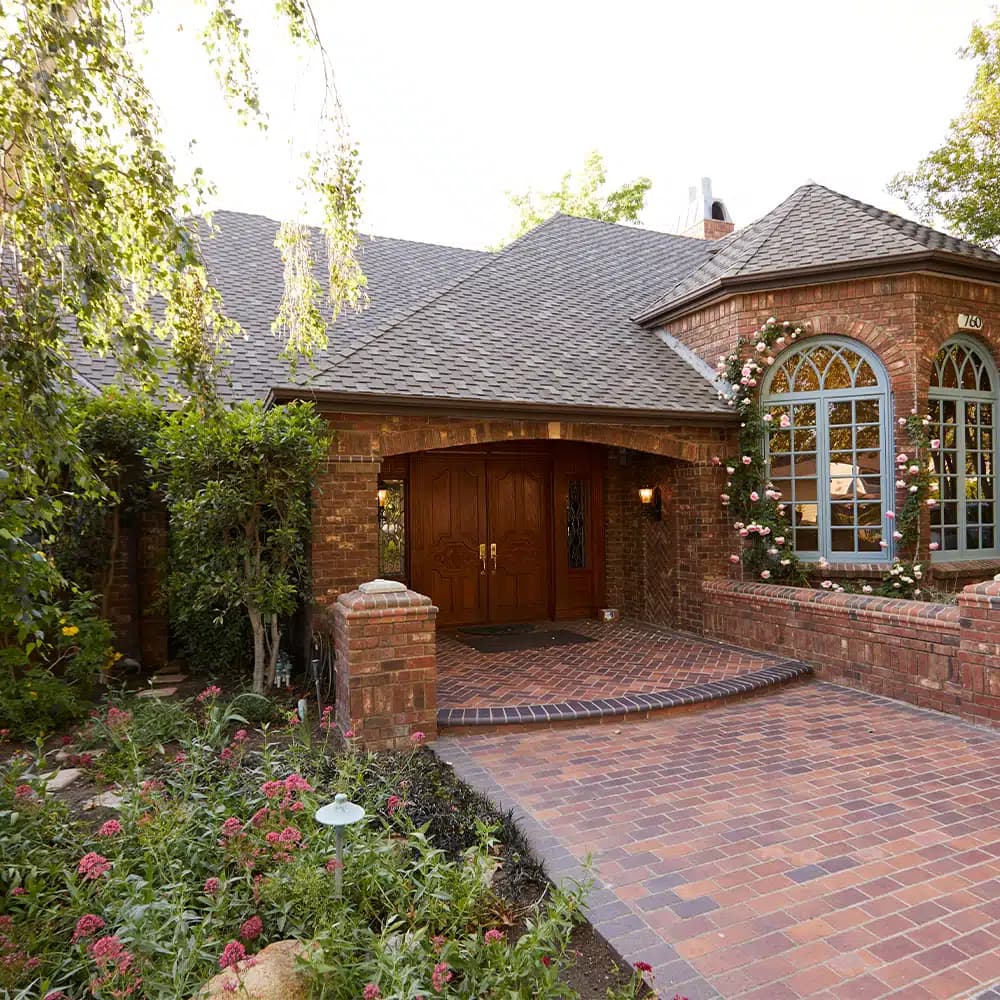
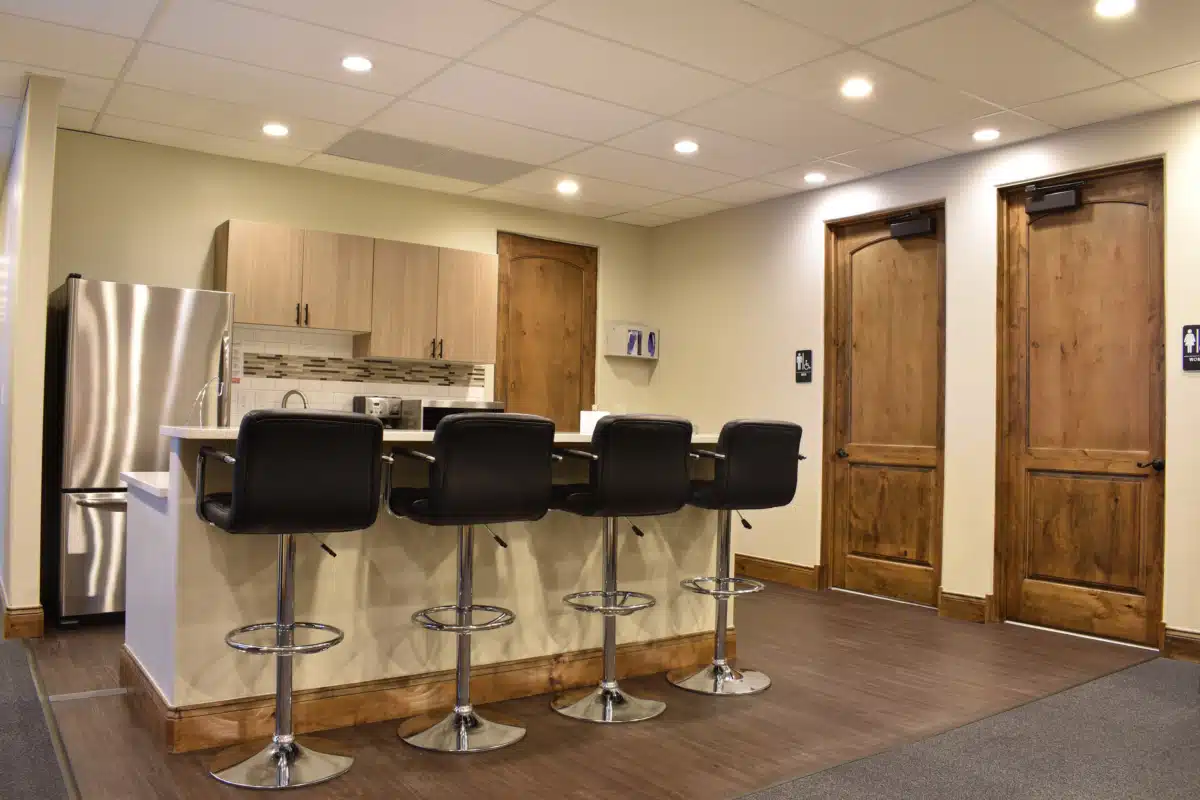
Rightway Recovery

New Season 410 411 Treatment Center
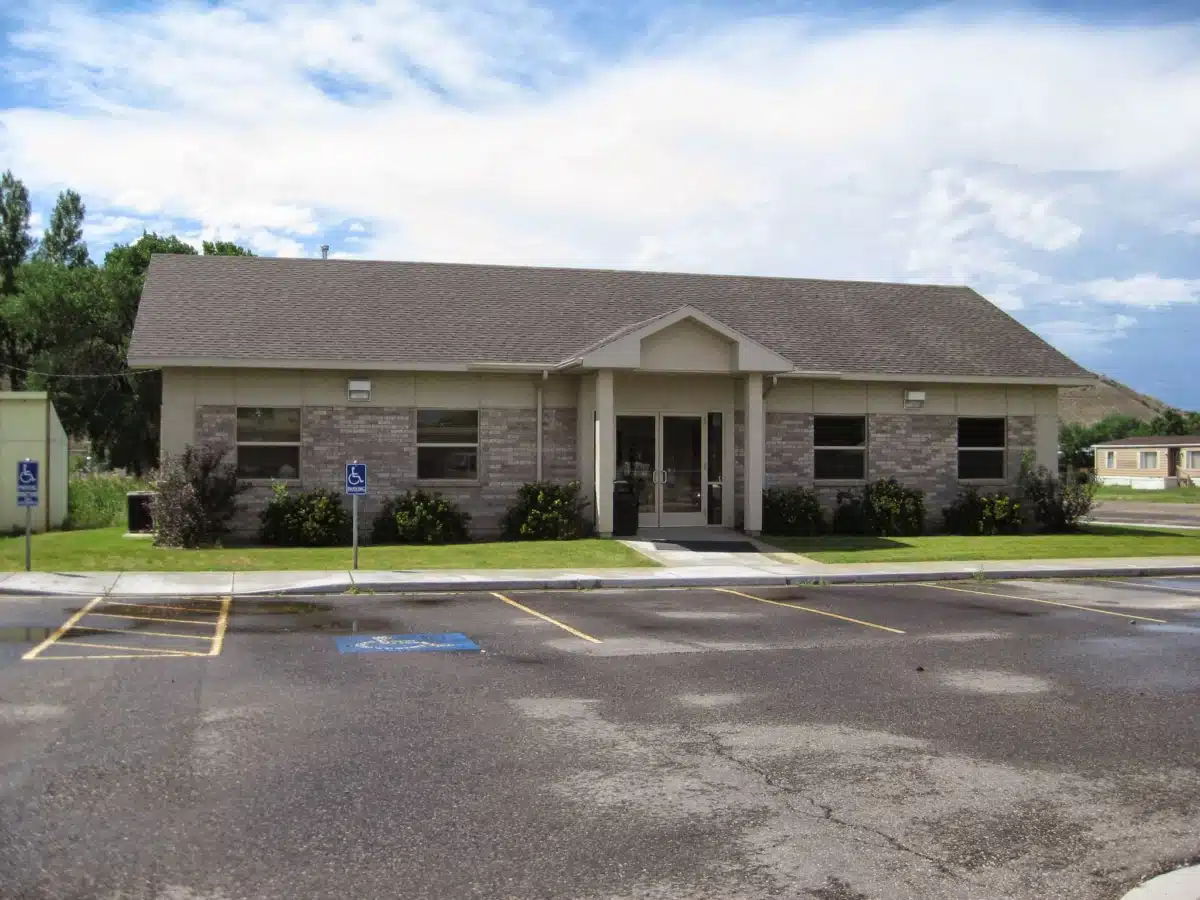

New Season 410 412 Treatment Center
No Excuse for Abuse LLC
No Excuse for Abuse LLC
Treatment Highlights in Utah
Popular Cities in Utah
Salt Lake City
65 centers
Orem
16 centers
Ogden
15 centers
Sandy
11 centers
Provo
10 centers
Saint George
10 centers
West Jordan
10 centers
Draper
6 centers
View all 66 cities in Utah
Frequently Asked Questions About Treatment in Utah
Sources
Medical Disclaimer
The information on this page is for educational purposes and is not a substitute for professional medical advice. If you or someone you know is experiencing a substance use crisis, call the SAMHSA National Helpline at 1-800-662-4357 (free, confidential, 24/7). For immediate danger, call 911 or the 988 Suicide & Crisis Lifeline by dialing 988.