
Motivational Interviewing Treatment Centers
Motivational Interviewing (MI) is a client-centered, directive counseling approach that helps individuals explore and resolve ambivalence about changing addictive behaviors. Rather than telling people what to do, MI helps them discover their own reasons for change and builds their confidence in their ability to achieve it. This approach is particularly effective for individuals who are uncertain about recovery or resistant to treatment. MI can be used as a standalone intervention or integrated with other therapies, and research consistently shows it improves treatment engagement and outcomes.
Found 1,916 treatment centers offering motivational interviewing across the United States.
Want us to find the perfect facility for you?
Call now - it's completely free!
Showing 20 of 1916 motivational interviewing treatment centers
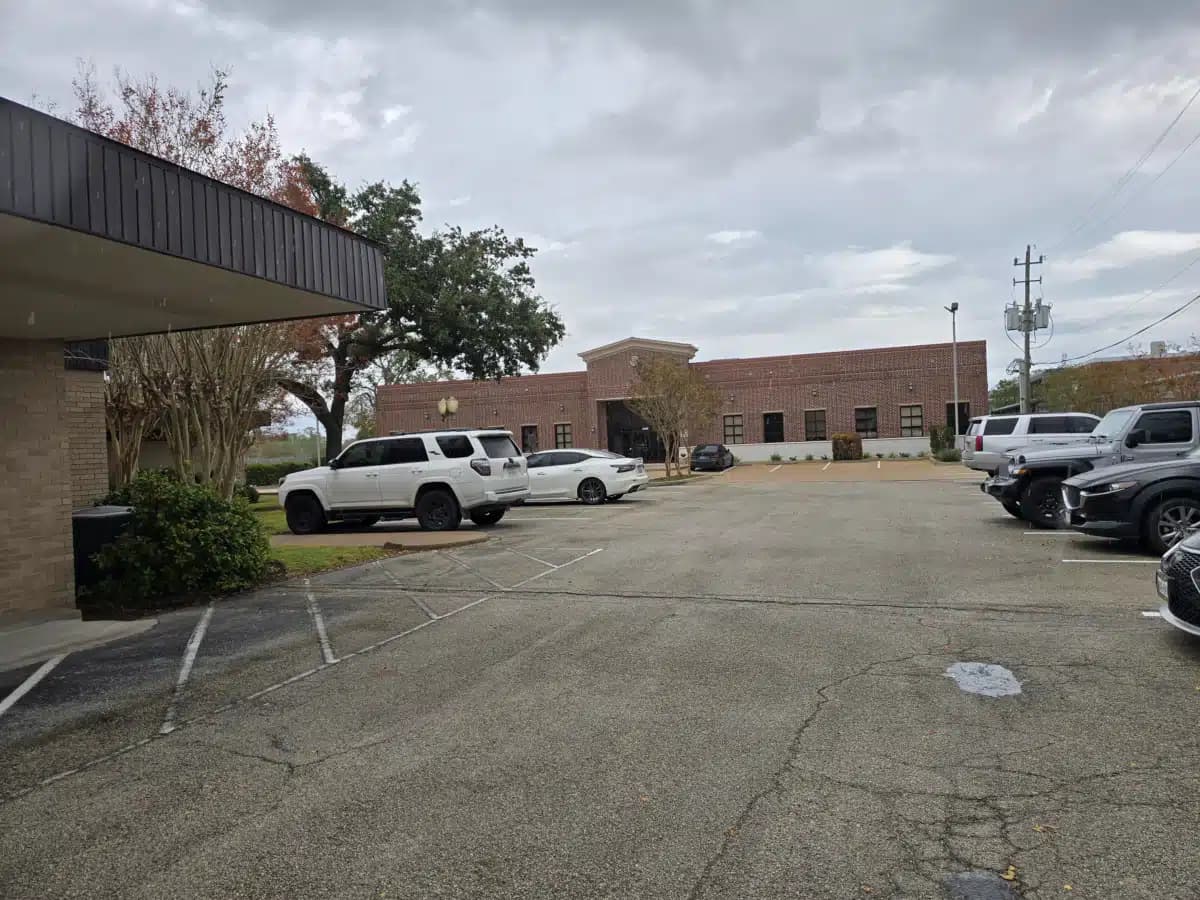
Situated in Houston, TX, the Texas Clinic stands out for its dedicated approach to treating substance use through a variety of outpatient programs designed to meet the unique needs of each individual. The clinic employs evidence-based methodologies, including cognitive behavioral therapy, motivational interviewing, and strategies aimed at preventing relapse. This ensures that clients receive not only effective treatment but also a compassionate and comprehensive care experience. The Texas Clinic caters to adult men, women, and those who are pregnant or postpartum, making it a vital resource for a diverse range of individuals. Its commitment to fostering an inclusive and supportive environment enables both adults and young adults of all genders to embark on their recovery journeys with confidence. In addition to outpatient services, the center offers specialized treatment options such as methadone, buprenorphine, and naltrexone. These treatments, combined with regular outpatient care, highlight the clinic’s focus on providing high-quality, holistic healing for anyone looking to overcome addiction and rebuild their lives.
View Details
Located in Mansfield, TX, Texas Health Recovery stands out for its extensive array of addiction treatment services designed to meet the unique needs of individuals struggling with substance use issues. The center takes a holistic approach, specializing not only in detoxification but also in addressing substance use disorders alongside co-occurring mental health challenges. Texas Health Recovery provides specialized programs for both adults and young adults, offering several treatment options including intensive outpatient treatment, outpatient day treatment, and even partial hospitalization. Each of these options aims to provide flexibility and support, ensuring that clients can find a program that fits their lifestyle and recovery needs. The facility employs evidence-based treatment methods, such as 12-step facilitation, cognitive behavioral therapy (CBT), and motivational interviewing. This variety ensures that every client receives care that is not only personalized but also grounded in established practices known to foster recovery. In addition to their standard programs, Texas Health Recovery also features unique initiatives specifically designed for adult men and women, as well as those who have faced domestic violence. This thoughtful approach reflects their commitment to addressing the specific circumstances that may influence a person’s recovery journey. With a strong emphasis on quality care and customized treatment plans, Texas Health Recovery is dedicated to supporting clients on their path to achieving lasting recovery and rebuilding their lives. If you or someone you know is seeking help, Texas Health Recovery is ready to assist with compassion and expertise.
View Details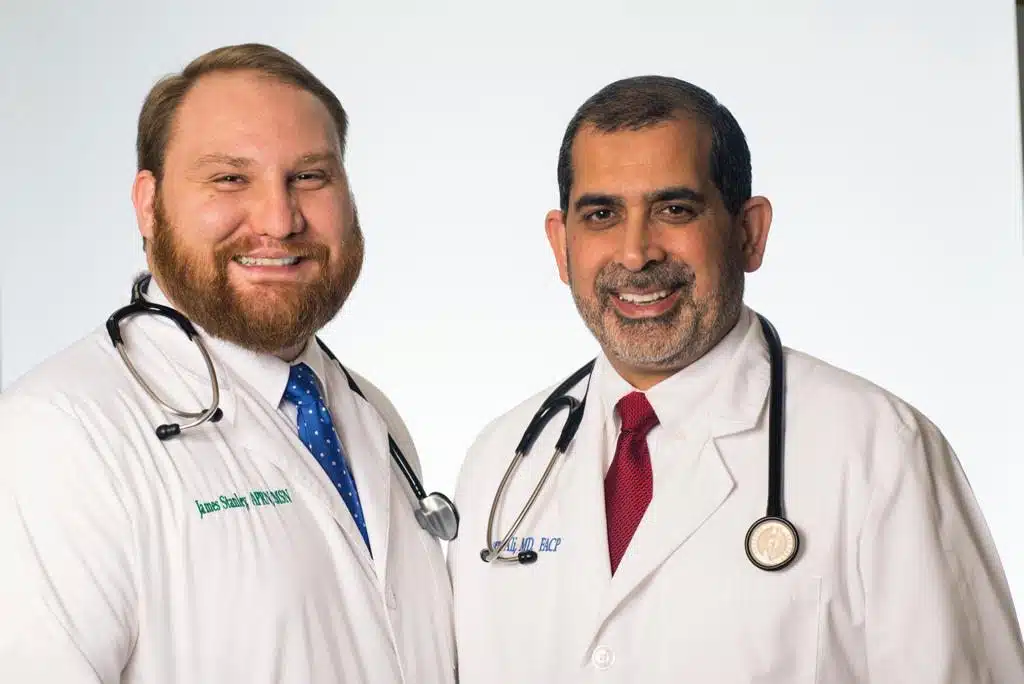
Located in South Williamson, KY, "The Clinic" provides a wide range of addiction treatment services aimed at helping individuals overcome substance use challenges. Their offerings include detoxification and specialized treatment for substance use, all designed to meet the diverse needs of clients. At the heart of their approach is an emphasis on intensive outpatient treatment, alongside outpatient care and outpatient detoxification. This facility is committed to delivering personalized support, employing techniques such as motivational interviewing and substance use disorder counseling. Furthermore, they embrace modern technology by incorporating telemedicine and telehealth therapy, making support more accessible than ever. "The Clinic" also recognizes the unique requirements of different groups, which is why they have developed specialized programs for active duty military personnel, adult men, adult women, and even both adults and children/adolescents. Their gender-specific approach ensures that both male and female clients receive the tailored care that best suits their needs. When you choose "The Clinic," you're opting for a high-quality, individualized care experience that is dedicated to fostering recovery and encouraging lasting sobriety.
View Details
Therapeutic Health Services, located in Seattle, WA, is dedicated to providing specialized substance use treatment that addresses the unique needs of adults facing co-occurring mental health conditions. This includes supporting children who experience significant emotional challenges. The center offers both intensive outpatient and outpatient programs designed to deliver personalized care. Here, effective techniques such as cognitive behavioral therapy, motivational interviewing, and relapse prevention strategies are utilized to help clients achieve their recovery goals. What sets this facility apart are its unique programs tailored to various demographics, including adult men and women, as well as individuals who have experienced intimate partner or domestic violence. By welcoming adults and young adults of all genders, Therapeutic Health Services emphasizes the importance of quality care and individualized support. Their commitment is to foster a nurturing environment that encourages lasting recovery and overall well-being for all who seek help.
View DetailsLocated in Seattle, WA, Therapeutic Health Services is dedicated to providing a wide range of rehabilitation programs specifically designed for individuals facing substance use disorders alongside co-occurring mental health issues. The facility features several treatment options, including intensive outpatient, outpatient, and regular outpatient programs. These approaches are rooted in evidence-based practices, incorporating techniques like cognitive behavioral therapy, motivational interviewing, and strategies focused on preventing relapse. In addition to its core offerings, Therapeutic Health Services recognizes the unique needs of various populations. They have specialized programs tailored for adolescents and individuals who have experienced intimate partner violence or sexual abuse, ensuring that they provide support to adults, children, and young adults regardless of gender. Clients can look forward to receiving compassionate care paired with personalized treatment plans that cater to their specific needs. This thoughtful approach aims to empower individuals on their path to lasting recovery, fostering a sense of hope and understanding throughout the healing process.
View DetailsTherapeutic Health Services, situated in Kent, WA, is dedicated to providing outpatient treatment for adults and young adults grappling with substance use issues, especially those facing the added challenge of serious mental health conditions. This center recognizes the unique needs of its clients and offers tailored programs specifically designed for adult men and women, as well as for individuals who have experienced intimate partner or domestic violence. The facility employs a variety of effective treatment methods, including cognitive behavioral therapy and motivational interviewing, which are aimed at creating a nurturing and individualized approach to care. What sets Therapeutic Health Services apart is its commitment to ensuring that every client receives personal attention, fostering an environment where recovery can truly thrive. In addition to its wide-ranging support for mental health and substance use disorders, the center also offers outpatient treatments such as methadone, buprenorphine, and naltrexone, which are critical components in many recovery journeys. By blending a comprehensive treatment model with compassionate support, Therapeutic Health Services remains focused on delivering high-quality care that empowers all clients on their path to recovery. Whether you're seeking help for substance use challenges or mental health concerns, this facility stands ready to assist with the resources and care you need.
View DetailsLocated in Seattle, WA, Therapeutic Health Services provides a range of outpatient treatment programs specifically designed for individuals dealing with substance use issues. Their expertise lies in administering methadone, buprenorphine, and naltrexone treatments, making them a valuable resource for those in need of such therapies. The center prides itself on employing evidence-based techniques in its therapeutic approach. These include cognitive behavioral therapy, motivational interviewing, and strategies for preventing relapse, all aimed at supporting individuals on their journey to recovery. Recognizing that each person’s experience with addiction is unique, Therapeutic Health Services emphasizes personalized care in its programs. Additionally, the facility offers specialized services tailored to adult men and women, as well as those who may have endured intimate partner violence or domestic violence. This inclusive approach ensures that everyone seeking help—regardless of gender—receives the support they need. By focusing on a comprehensive and customized treatment plan, Therapeutic Health Services promotes not just recovery from addiction, but also a better quality of life overall for adults and young adults alike.
View DetailsTherapeutic Health Services, located in Bellevue, WA, is dedicated to providing specialized substance use treatment tailored for adults who are grappling with both serious mental health issues and emotional challenges. The center offers various levels of care, including intensive outpatient and outpatient options, designed to meet the unique needs of each individual. At Therapeutic Health Services, a range of evidence-based practices is utilized, such as cognitive behavioral therapy, motivational interviewing, and relapse prevention strategies. This multifaceted approach ensures that clients receive not only the support they need but also the tools to navigate their recovery effectively. The center recognizes the diverse experiences of its clients and offers specially designed programs for adult men, women, and those who have endured intimate partner violence. This thoughtful focus on inclusivity extends to all adults and young adults regardless of gender, creating a welcoming atmosphere for everyone seeking help. What sets Therapeutic Health Services apart is its commitment to developing comprehensive, individualized treatment plans. By leveraging evidence-based methods, the facility offers a supportive environment where clients can embark on their journey toward lasting recovery and enhanced mental well-being. Here, every member of the team strives to empower individuals on their path to healing, making a genuine difference in their lives.
View DetailsNestled in the heart of Seattle, WA, Therapeutic Health Services stands out as a dedicated provider of specialized treatment for individuals grappling with substance use issues. They focus particularly on adults facing co-occurring serious mental health challenges and offer support for children experiencing emotional disturbances. At this center, a range of programs is available, including both intensive outpatient and outpatient options. Among their offerings are treatments utilizing methadone/buprenorphine and naltrexone. Therapeutic Health Services employs a variety of effective therapeutic methods, including cognitive behavioral therapy, motivational interviewing, and relapse prevention strategies. This comprehensive approach ensures that their services are tailored to meet the diverse needs of clients, which includes adult men and women, as well as those who have dealt with the impact of intimate partner or domestic violence. Therapeutic Health Services is committed to providing quality care for adults and young adults from all backgrounds. By prioritizing personalized treatment, the center has established itself as an invaluable asset for anyone seeking effective rehabilitation services in the Seattle area. Whether you’re looking for support for yourself or a loved one, you can find a nurturing environment that emphasizes recovery and well-being right here at Therapeutic Health Services.
View Details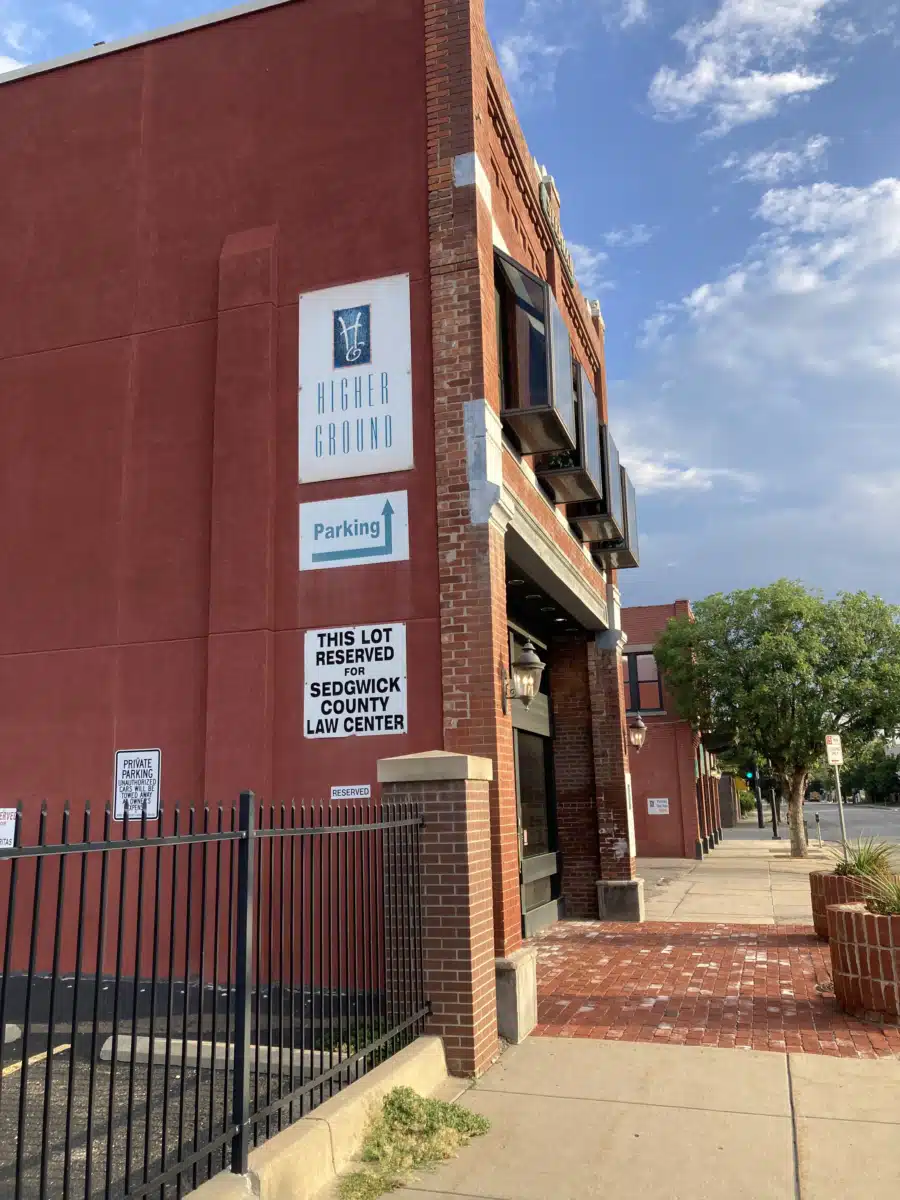
Situated in Wichita, Kansas, Tiyospaye Inc is dedicated to providing an array of substance use treatment programs designed for individuals of all ages, including adults, adolescents, and children. The center offers a variety of options, such as intensive outpatient treatment, outpatient care, and regular outpatient services, ensuring that there is a suitable path for everyone seeking help. What truly sets Tiyospaye Inc apart is its personalized approach to treatment. With a strong emphasis on methods like anger management, cognitive behavioral therapy, and motivational interviewing, the facility customizes its programs to meet the distinct needs of each individual. They also feature specialized programs tailored specifically for adolescents and for those involved in the criminal justice system, or forensic clients, making their services particularly unique in the region. Tiyospaye Inc prides itself on delivering quality care to both male and female clients, ensuring that everyone has the support they need during their journey toward recovery. By focusing on effective rehabilitation services, they play an essential role in enhancing the well-being of those struggling with substance use issues in the Wichita community.
View Details
Nestled in Torrance, California, the Thelma McMillen Recovery Center is dedicated to providing thorough treatment for adults facing substance use issues alongside serious mental health conditions. Additionally, the center extends its compassionate services to children grappling with significant emotional disturbances. The facility emphasizes several effective therapeutic strategies, including 12-step facilitation, cognitive behavioral therapy (CBT), and motivational interviewing. These approaches form the foundation of both their intensive outpatient and outpatient programs, which are carefully crafted to meet the unique needs of each individual seeking help. What sets the Thelma McMillen Recovery Center apart is its commitment to catering to a diverse range of clients, including specialized programs for adolescents, adult men, and adult women. This inclusivity ensures that the center provides a supportive environment for both genders and various age groups, making recovery accessible to everyone. With a strong focus on evidence-based practices, the center offers specialized programs designed to deliver high-quality care. If you or a loved one are on the journey toward recovery from addiction and mental health obstacles, the Thelma McMillen Recovery Center is equipped to support you every step of the way.
View DetailsIn Everett, WA, Therapeutic Health Services stands out as a beacon of hope, offering an extensive array of treatment programs designed specifically for individuals grappling with substance use issues and co-occurring disorders, whether they be adults or children. The center prides itself on its variety of programs, including intensive outpatient treatment, outpatient day treatment, and even partial hospitalization services, all aimed at meeting the diverse needs of its clients. At the core of its offerings are evidence-based therapies, including cognitive behavioral therapy, motivational interviewing, and relapse prevention strategies. These approaches are meticulously chosen to provide the best support for adults, including both men and women, as well as individuals who have endured intimate partner violence or domestic violence. Understanding that no two clients are alike, Therapeutic Health Services develops specialized programs tailored for both adults and young adults. This personalized approach ensures that everyone receives the specific care necessary for their unique situation and challenges. With a steadfast commitment to quality and individualized treatment, Therapeutic Health Services has emerged as a premier destination for those in search of effective rehabilitation services.
View Details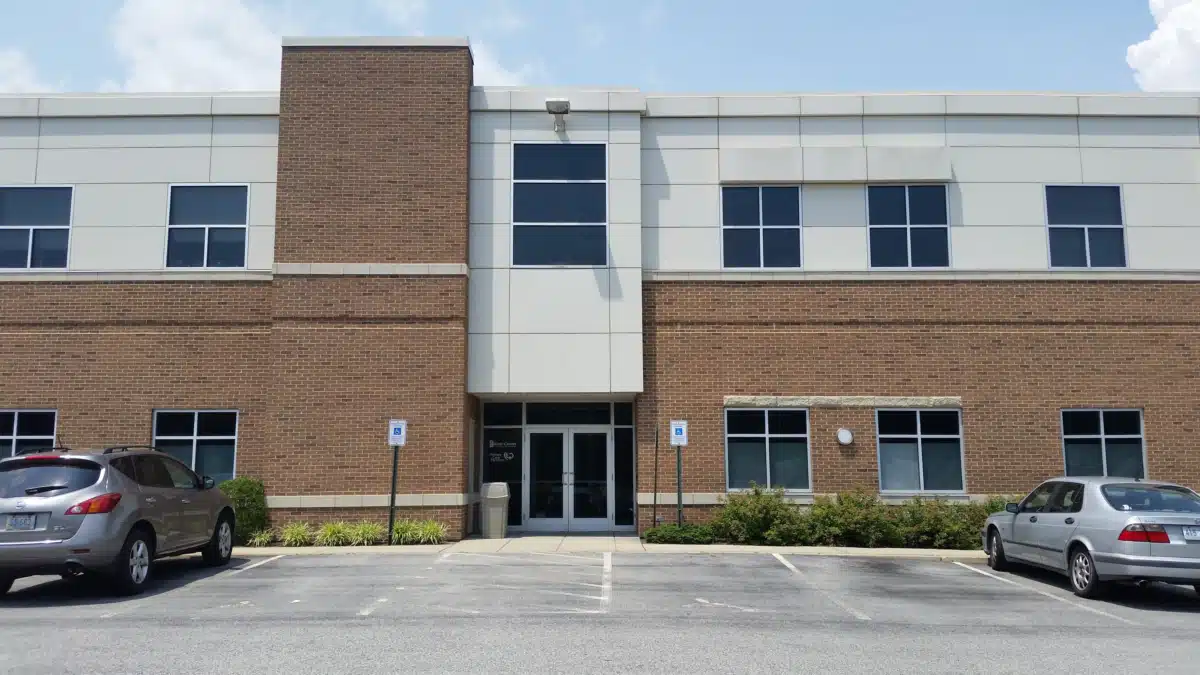
Thrive Behavioral Health, situated in Warwick, RI, is committed to providing outpatient treatment for substance use issues, serving both adults and children grappling with significant mental health challenges. This center holds a special focus on co-occurring disorders, recognizing the complexities that arise when mental health issues and substance use intersect. At Thrive, clients benefit from a variety of evidence-based approaches to care, including 12-step facilitation, brief interventions, and motivational interviewing. These methods are thoughtfully integrated into programs designed specifically for individuals facing both mental and substance use disorders. The facility welcomes adults and seniors from all backgrounds and genders, ensuring that everyone receives personalized support that prioritizes quality and individual need. For those in search of a holistic treatment experience within a nurturing environment, Thrive Behavioral Health stands out as a beacon of hope. Their dedicated team is focused on fostering lasting recovery, empowering clients to not only overcome their challenges but to truly thrive. If you're looking for comprehensive care that meets you where you are, look no further than Thrive Behavioral Health.
View Details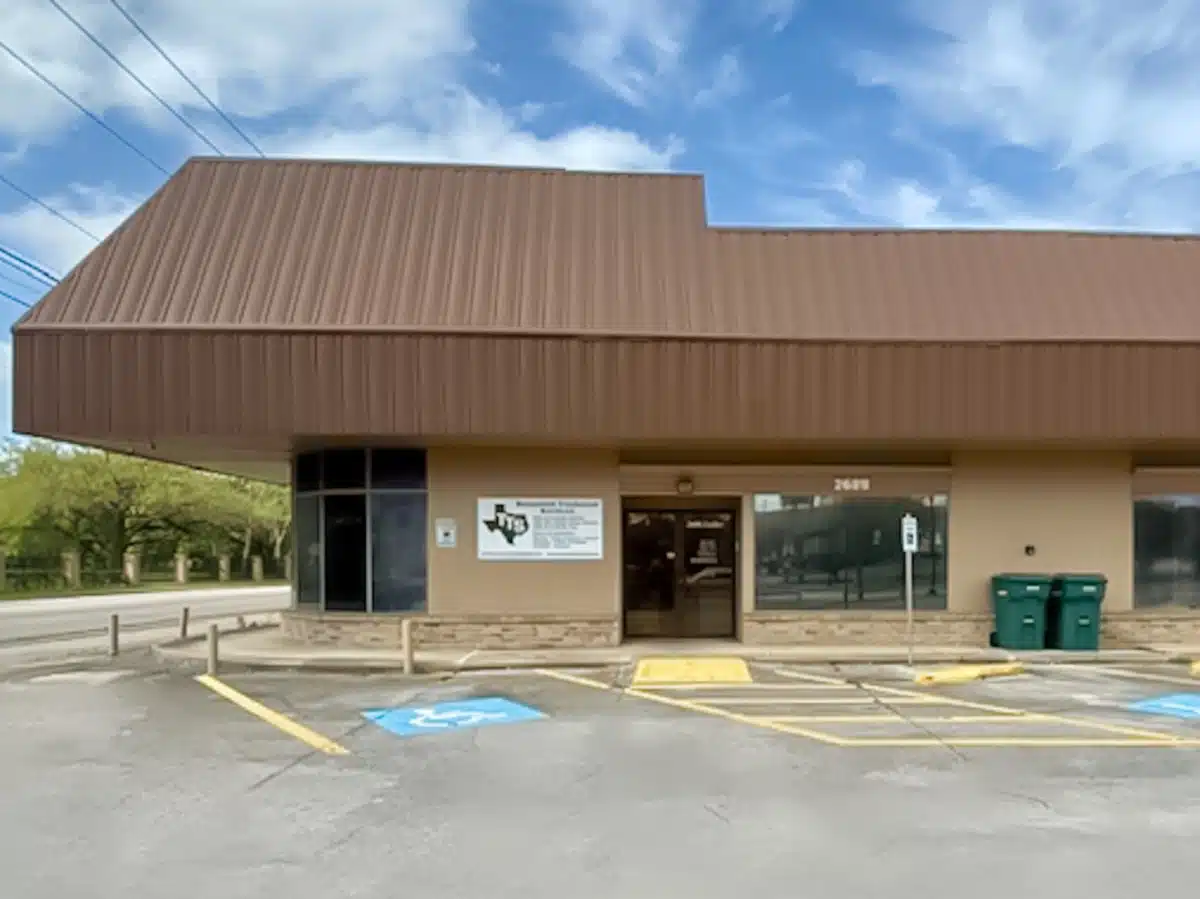
At Texas Treatment Services LLC, located in Beaumont, TX, you’ll find a welcoming environment dedicated to outpatient substance use treatment. This facility specializes in offering a range of effective programs, including outpatient treatments using methadone, buprenorphine, or naltrexone. In addition to these options, they provide regular outpatient services that draw on proven evidence-based practices. The therapeutic approaches utilized here include cognitive behavioral therapy, motivational interviewing, and strategies to prevent relapse—all tailored to help individuals overcome their challenges. Texas Treatment Services is particularly attuned to the unique needs of various groups, offering specialized programs designed specifically for active duty military personnel, as well as programs for adult men and women. They strive to accommodate adults and young adults of all genders, ensuring each client receives personalized care that addresses their specific circumstances. If you’re seeking high-quality support and customized treatment plans, Texas Treatment Services LLC stands out as a top rehabilitation center in Beaumont, committed to helping individuals on their journey to recovery.
View Details
Located in San Antonio, TX, Texas Treatment Services LLC is a dedicated facility that specializes in outpatient substance use treatment, prioritizing individualized care for every client. The center offers a range of therapeutic approaches, including anger management, cognitive behavioral therapy, and motivational interviewing, all designed to support adults and young adults of any gender. One of the key features of this facility is its flexible outpatient treatment options, which include methadone or buprenorphine, as well as naltrexone. This broad spectrum of services ensures a comprehensive strategy for recovery, accommodating the diverse needs of those seeking help. At Texas Treatment Services, clients can expect to receive high-quality care that is carefully tailored to their unique circumstances, providing a nurturing environment that fosters healing and personal growth. If you or someone you care about is looking for effective addiction treatment in San Antonio, you can trust that Texas Treatment Services LLC is committed to guiding you on your journey to recovery.
View DetailsNestled in New Haven, CT, The Connection provides an extensive array of substance use treatment services within a comfortable residential environment. This facility offers various housing solutions, including transitional housing, a halfway house, and sober living homes, catering specifically to adult men and women who are navigating the complexities of co-occurring mental health and substance use disorders. What sets The Connection apart is its commitment to utilizing evidence-based methods that have proven effective in the recovery journey. The programs here integrate a variety of therapeutic approaches, including 12-step facilitation, motivational interviewing, and relapse prevention strategies—each thoughtfully designed to empower clients on their path to sobriety. Focusing primarily on adults and young adults, The Connection takes pride in delivering personalized care that aligns with the unique needs of each individual. By fostering a supportive and structured environment, this facility is steadfast in its mission to help clients not only recover but also thrive, ultimately paving the way for them to achieve lasting recovery and a brighter future.
View DetailsNestled in the heart of Saint Paul, MN, The Heights stands out as a dedicated facility offering a full range of substance use treatment tailored specifically for adult women, seniors, and young adults. What sets this center apart is its specialization in addressing both substance use and serious mental health challenges that often occur together. At The Heights, clients can choose from various programs that suit their individual needs, including long-term, short-term, and 24-hour residential options. The center emphasizes evidence-based practices, employing techniques such as 12-step facilitation, cognitive behavioral therapy, and motivational interviewing to guide individuals on their paths to recovery. Moreover, The Heights offers unique programs designed to support those who have faced intimate partner violence, domestic violence, or sexual abuse. This thoughtful approach underscores the facility's commitment to providing quality care that meets each client's specific circumstances and background. With its focus on personalized treatment and a holistic understanding of recovery, The Heights has established itself as a respected refuge for individuals seeking healing and transformation.
View DetailsSituated in the heart of Chicago, IL, Thresholds stands out as a dedicated provider of addiction treatment, specifically designed for adults facing the challenges of substance use disorders coupled with mental health issues. The center offers a variety of services tailored to meet individual needs, including intensive outpatient programs and regular outpatient services. Additionally, clients can access medication-assisted treatments with options such as methadone, buprenorphine, or naltrexone to support their recovery journey. At Thresholds, the focus is on implementing evidence-based practices. Techniques like cognitive behavioral therapy and motivational interviewing play a pivotal role in the treatment process, ensuring that the care provided is both effective and personalized. Recognizing the unique struggles of clients dealing with both addiction and mental health conditions, Thresholds takes a holistic approach, offering thorough support tailored to both men and women. Here, individuals can find the resources and encouragement they need to overcome addiction and enhance their mental health, fostering a path toward lasting recovery and well-being.
View DetailsNestled in the heart of Woodstock, IL, Thresholds stands as a beacon of hope for adults grappling with substance use issues, particularly those also facing co-occurring mental health challenges. This dedicated facility specializes in tailored substance use treatment, offering a range of intensive outpatient programs designed to cater to individual needs. At Thresholds, you’ll find a variety of therapeutic approaches, including cognitive behavioral therapy and motivational interviewing, both of which play crucial roles in navigating the complexities of substance use disorders. The center also provides comprehensive counseling specifically aimed at those battling addiction, ensuring that each client receives the focused support they require. For individuals with dual diagnoses, Thresholds offers outpatient treatment options using medications such as methadone, buprenorphine, or naltrexone, each aimed at facilitating recovery in a compassionate and structured setting. Prioritizing quality care, Thresholds serves both male and female adult clients, ensuring that everyone seeking assistance for substance use and mental health issues finds a welcoming and understanding environment. If you or someone you care about is looking for specialized treatment that provides comprehensive support, rest assured, Thresholds is ready and willing to help you on the journey to recovery.
View DetailsTides Family Services, situated in West Warwick, RI, is dedicated to providing outpatient treatment for substance use, along with specialized care for individuals grappling with co-occurring mental health conditions. The center stands out for its commitment to utilizing evidence-based methods, including brief interventions, motivational interviewing, and techniques aimed at preventing relapse. Particularly focused on supporting adolescents, trauma survivors, and individuals facing dual diagnoses, Tides Family Services welcomes a diverse clientele. They offer quality care designed for adults, children, adolescents, and young adults, regardless of gender. By tailoring programs to meet the unique needs of each person, Tides Family Services has established itself as a critical resource for those seeking comprehensive rehabilitation services in the area. If you or someone you know is looking for support, Tides Family Services can be an excellent place to begin the journey toward recovery.
View DetailsAbout Motivational Interviewing
Motivational Interviewing (MI) was developed in 1983 by clinical psychologists William Miller and Stephen Rollnick and has since accumulated over 1,500 published clinical trials. A meta-analysis of 119 studies published in Clinical Psychology Review confirmed MI produces significant improvements in substance use outcomes, treatment engagement, and behavioral change. SAMHSA and NIDA both recognize MI as an evidence-based practice for addiction treatment.
What is Motivational Interviewing?
Motivational Interviewing (MI) is a counseling approach developed by psychologists William Miller and Stephen Rollnick. Rather than telling you what to do or confronting denial, MI helps you explore your own ambivalence about change and discover your own motivation for recovery.
The Spirit of MI
MI is guided by four key principles:
- Partnership: Therapist and client work together as equals
- Acceptance: Recognizing your inherent worth and autonomy
- Compassion: Prioritizing your well-being
- Evocation: Drawing out your own wisdom and motivation
Core MI Techniques
Therapists using MI employ specific techniques:
- Open-ended questions that encourage reflection
- Affirmations that acknowledge strengths and efforts
- Reflective listening that shows understanding
- Summarizing to pull together key points
- Eliciting "change talk"—your own statements about wanting, needing, or being able to change
Who Benefits from MI?
MI is particularly helpful for:
- Individuals who are ambivalent or unsure about recovery
- Those who have resisted treatment in the past
- People early in the change process
- Anyone who responds better to collaboration than confrontation
MI in Treatment Settings
MI can be used as a standalone approach or integrated with other treatments. It's often used at the beginning of treatment to build motivation, or throughout treatment to address ambivalence when it arises. MI works well alongside CBT, 12-step programs, and other approaches.
What to Expect with Motivational Interviewing
MI can be delivered as brief intervention or extended therapy:
- Session 1: Building Rapport — The therapist establishes a collaborative, non-judgmental relationship. You explore your current relationship with substances and what concerns you have
- Sessions 2–4: Exploring Ambivalence — Using open-ended questions and reflective listening, the therapist helps you identify your own reasons for change. You may complete a decisional balance exercise
- Sessions 4–6: Strengthening Commitment — As your own motivation crystallizes, sessions focus on building confidence and developing a concrete plan. This often transitions into CBT or other active treatments
- Ongoing: Integration with Treatment — MI principles continue throughout treatment at any level of care, addressing ambivalence whenever it resurfaces
Treatment Outcomes & Research
A meta-analysis of 119 studies found MI produces clinically significant effects on substance use, with the largest effects seen for alcohol and cannabis use disorders. Research in Addiction journal demonstrated that even a single MI session before treatment entry increases engagement by 50%. When combined with contingency management, MI shows additive benefits for stimulant use disorders.
Learn more about Motivational Interviewing:
Insurance & Payment for Motivational Interviewing
The Mental Health Parity and Addiction Equity Act (MHPAEA) and the Affordable Care Act (ACA) require most health insurance plans to cover substance use disorder and mental health treatment at the same level as medical and surgical care. This means motivational interviewing is typically covered when deemed medically necessary.
Coverage varies by plan and provider. Many treatment centers accept private insurance, Medicaid, Medicare, TRICARE, and offer sliding-scale fees. Contact your insurance company or the treatment center directly to verify benefits.
Helpful resources:
- Learn about insurance coverage for rehab
- Explore standard outpatient programs (often most affordable)
- Consider telehealth services for accessible, lower-cost options
- SAMHSA National Helpline — free, confidential, 24/7 referrals (1-800-662-4357)
- Medicaid.gov — check eligibility for state Medicaid coverage
Related Conditions & Treatments
Related Conditions
Other Treatment Methods
Levels of Care
Medical Disclaimer
This content is for informational purposes only and does not constitute medical advice, diagnosis, or treatment. Always consult a qualified healthcare professional before making decisions about addiction treatment. If you or someone you know is in crisis, contact the 988 Suicide & Crisis Lifeline (call or text 988) or the SAMHSA National Helpline (1-800-662-4357).