
Medication-Assisted Treatment (MAT) Treatment Centers
Medication-Assisted Treatment (MAT) combines FDA-approved medications with counseling and behavioral therapies to treat substance use disorders. For opioid addiction, medications like buprenorphine (Suboxone), methadone, and naltrexone (Vivitrol) reduce cravings and withdrawal symptoms, significantly improving treatment outcomes. For alcohol use disorder, medications like naltrexone, acamprosate, and disulfiram help maintain sobriety. Research shows MAT reduces overdose deaths, improves treatment retention, and increases the likelihood of long-term recovery. Despite stigma, MAT is considered the standard of care for opioid use disorder.
Found 6,244 treatment centers offering medication-assisted treatment (mat) across the United States.
Want us to find the perfect facility for you?
Call now - it's completely free!
Showing 20 of 6244 medication-assisted treatment (mat) treatment centers

Nestled in the heart of Colorado Springs, CO, Achieve Whole Recovery stands out as a beacon of hope for those seeking support in their journey to wellness. This facility specializes in Outpatient services that cater to a wide range of needs, including detoxification, treatment for substance use, and addressing co-occurring disorders, whether for adults or children. At Achieve Whole Recovery, you'll find a dedicated approach to outpatient detoxification, as well as tailored treatment options involving methadone and buprenorphine. Additionally, the center offers specialized care for individuals grappling with severe mental health issues. One of the hallmarks of their program is the use of evidence-based strategies aimed at fostering recovery. Techniques such as 12-step facilitation, motivational interviewing, and brief interventions are meticulously integrated into the treatment plans. The philosophy at Achieve Whole Recovery centers on creating personalized treatment options that resonate with each individual’s unique experiences and challenges. This commitment extends to all adults and seniors, regardless of gender, ensuring that everyone receives the compassionate support they deserve. When you step into Achieve Whole Recovery, you can expect quality care within a nurturing environment specifically crafted to encourage holistic healing. Here, the focus is not just on overcoming addiction, but on promoting overall well-being for every individual who walks through their doors.
View Details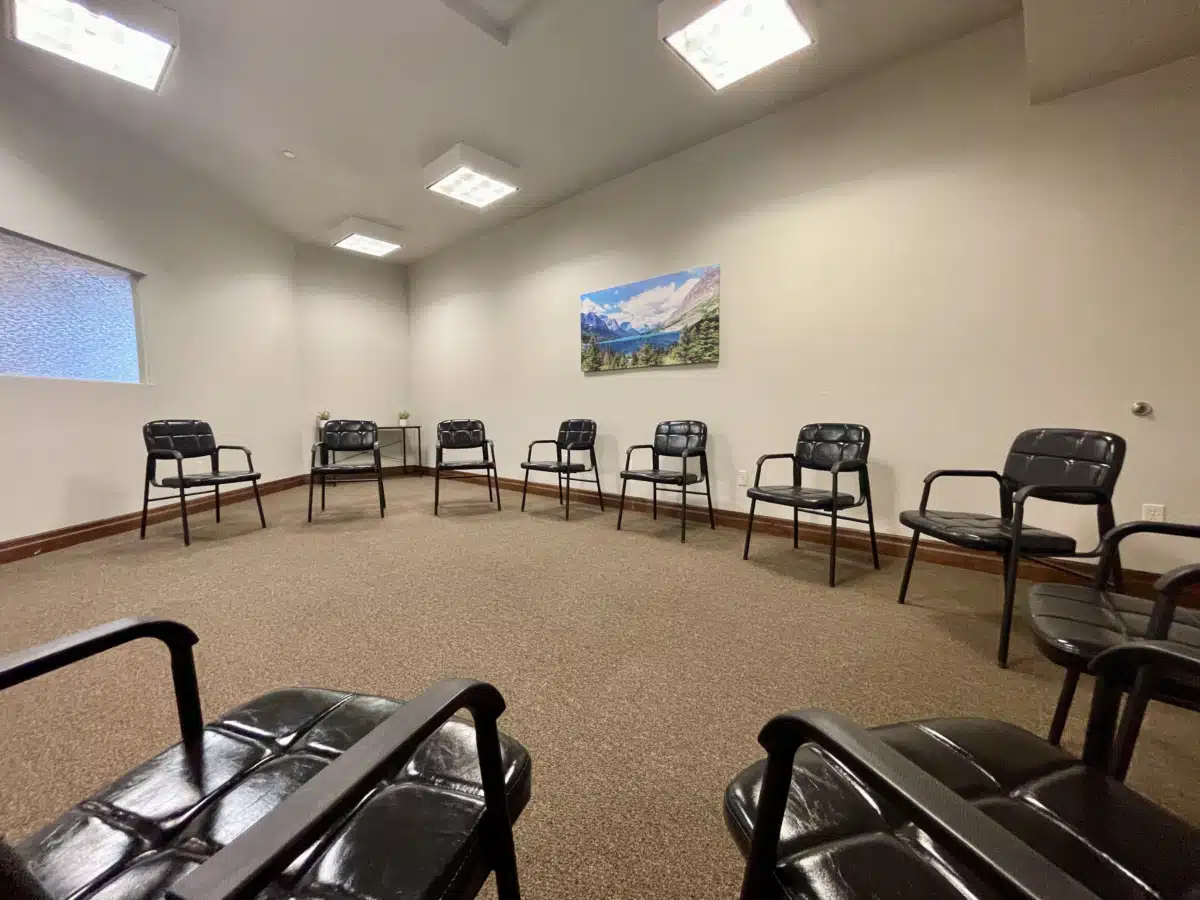
Nestled in the scenic town of Midway, UT, Acqua Recovery is dedicated to providing a wide array of addiction treatment services designed to support individuals on their journey to recovery. This comprehensive center specializes in detoxification, substance use treatment, transitional housing, and sober living arrangements, all tailored for adult men and women seeking healing and support. At Acqua Recovery, you’ll find treatment options that cater to various needs, including intensive outpatient services, long-term residential care, and flexible outpatient programs. This diverse range of formats ensures that each person can find a path that resonates with their unique situation and requirements. What sets Acqua Recovery apart is its commitment to using evidence-based practices. Their approaches include 12-step facilitation, anger management techniques, and cognitive behavioral therapy, all aimed at fostering personal growth and overcoming addiction. Additionally, they offer specialized programs designed to meet the distinct needs of active duty military personnel, as well as tailored options for adult men and women. Acqua Recovery is dedicated to serving both adults and young adults, prioritizing individualized treatment to facilitate meaningful and lasting recovery. With a focus on each person’s specific journey, the center strives to deliver quality care that empowers clients to reclaim their lives.
View Details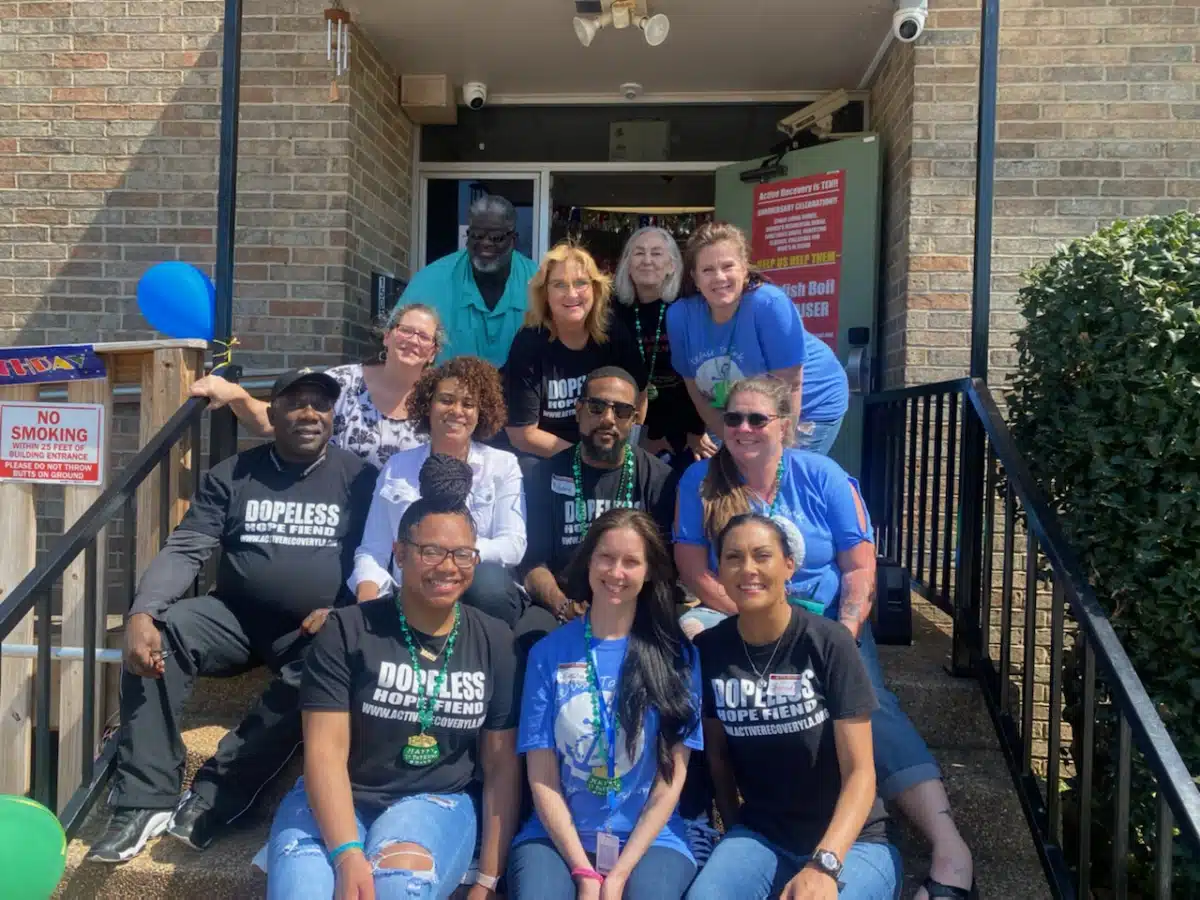
Active Recovery, situated in the heart of Bossier City, Louisiana, specializes in comprehensive treatment options designed to meet the diverse needs of individuals battling substance use disorders. They provide a range of services including intensive outpatient treatment, traditional outpatient services, and specific programs that utilize methadone, buprenorphine, or naltrexone. What truly sets Active Recovery apart is its commitment to a personalized treatment approach. This facility employs various therapeutic techniques such as anger management, brief intervention strategies, and cognitive behavioral therapy to cater to the unique circumstances of each person. By focusing on the individual, Active Recovery ensures that every participant receives the support and care they need to foster their recovery journey. Welcoming adults and young adults from all backgrounds and genders, Active Recovery is dedicated to creating a nurturing environment where clients can thrive. Their emphasis on quality, effective treatment makes this center an outstanding option for anyone looking for specialized addiction recovery services. If you're seeking a facility that combines professionalism with a warm, supportive atmosphere, Active Recovery might just be the perfect fit for your needs.
View Details
Access Westside Family Health, located in the heart of Chicago, IL, delivers outpatient treatment for adults and young adults grappling with substance use issues, particularly those who also face serious mental health challenges. Their range of services is comprehensive and is thoughtfully designed to address varying needs. The center offers specialized outpatient treatment options, including methadone/buprenorphine and naltrexone therapies, which are essential for those in need of medication-assisted treatment. Additionally, clients can benefit from cognitive behavioral therapy, alongside the well-regarded Matrix Model approach, which emphasizes a structured framework for recovery. Access Westside Family Health serves a diverse clientele, including adult men and women, and they extend their care to individuals living with HIV or AIDS, tailoring their services to ensure that each client receives the right support. Their commitment to brief interventions and high-quality care reflects their mission to help clients navigate the path to recovery effectively. Moreover, the facility prides itself on fostering a safe and inclusive atmosphere, welcoming both male and female clients to ensure everyone feels comfortable seeking the treatment they need. This supportive environment is crucial for promoting healing and growth among all participants.
View DetailsNestled in Shreveport, Louisiana, Active Recovery is dedicated to offering a wide range of substance use treatment options for both adults and young adults. Their services cater to various needs, featuring intensive outpatient programs, standard outpatient care, and specialized treatments using methadone, buprenorphine, or naltrexone. What sets Active Recovery apart is its commitment to crafting individualized treatment plans that address each person's unique situation. The facility places a strong emphasis on methods such as anger management, brief interventions, and cognitive behavioral therapy, which are all designed to foster personal growth and healing. Additionally, the center recognizes the importance of gender-specific care, ensuring that both males and females receive support that resonates with their experiences. Clients can look forward to receiving high-quality, tailored care as they embark on their paths toward sustainable recovery. Active Recovery is dedicated to guiding each individual through the challenging journey, providing the tools and support necessary for long-lasting change.
View Details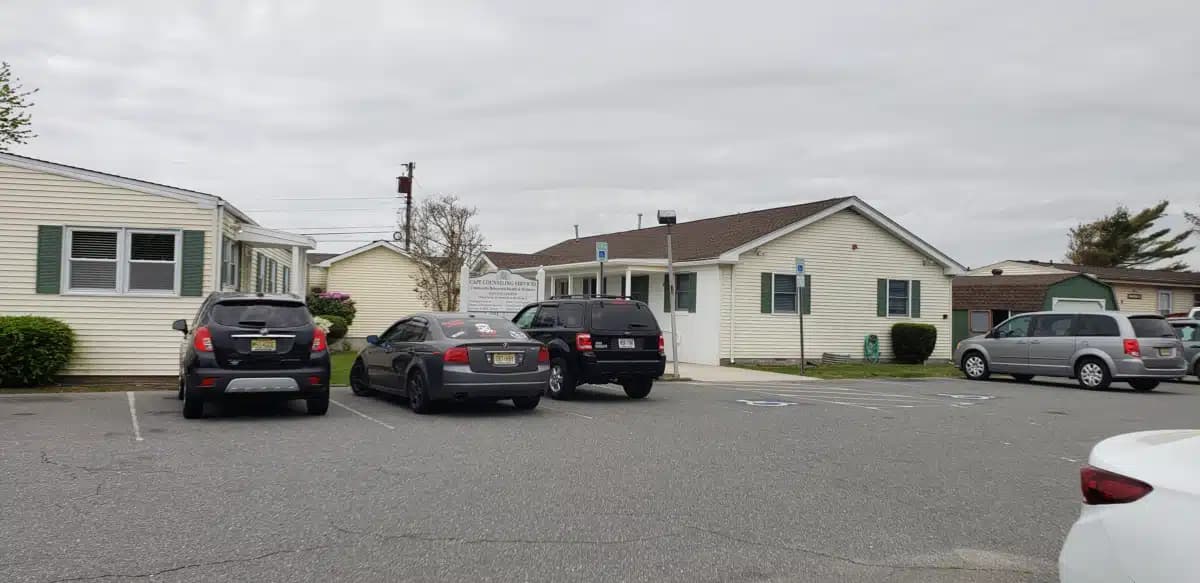
Acenda Integrated Health, located in Morristown, NJ, is dedicated to providing a wide range of substance use treatment options that are carefully designed to meet the unique needs of each individual. This facility offers a variety of programs, including intensive outpatient treatment, regular outpatient care, and specialized outpatient services that feature methadone, buprenorphine, or naltrexone therapies. The team at Acenda employs a range of evidence-based practices to ensure that each patient receives the most effective support on their path to recovery. Some of the methods used include brief interventions, cognitive behavioral therapy, and motivational interviewing, all tailored to foster personal growth and sustainable recovery. Furthermore, Acenda recognizes that various populations require different care approaches. They offer targeted programs specifically for adolescents, adult men, and adult women, allowing for a more personalized treatment experience that addresses the distinct challenges faced by each group. Importantly, Acenda Integrated Health serves individuals of all genders, including both adults and children/adolescents, ensuring that everyone has access to high-quality addiction treatment. Their commitment to individualized care means that each person can find the support they need on their journey toward recovery.
View DetailsAcenda Integrated Health, located in Flemington, NJ, is committed to offering a diverse range of substance use treatment programs that are specifically designed to meet the unique needs of each individual. At this center, you can find options such as intensive outpatient treatment and traditional outpatient care, as well as specialized outpatient programs that incorporate medications like methadone, buprenorphine, or naltrexone. The facility takes a holistic approach to recovery, employing techniques like brief interventions, cognitive behavioral therapy, and motivational interviewing. This ensures that clients receive thorough support as they navigate their path to recovery. Importantly, Acenda offers specialized programs for different groups, including adolescents, adult men, and adult women, so they can tailor the experience to the specific challenges and circumstances faced by each demographic. Furthermore, the center makes its services accessible to both adults and younger individuals, with dedicated support for children and adolescents. In fostering an environment that is both welcoming and inclusive, Acenda Integrated Health ensures that every client, regardless of gender, feels supported as they seek quality addiction treatment services.
View DetailsActive Recovery, situated in Minden, Louisiana, presents a range of treatment options for substance use, including intensive outpatient services, standard outpatient programs, and medication-assisted treatment. This center stands out for its specialized programs that address not just addiction, but also crucial areas such as anger management, brief interventions, and cognitive behavioral therapy. What makes Active Recovery particularly unique is its tailored support for individuals who have been impacted by intimate partner violence and domestic violence. They offer a welcoming environment for adults and young adults of all genders, ensuring that care is comprehensive and inclusive. The team at Active Recovery emphasizes the importance of evidence-based practices, combining them with a strong commitment to quality care and personalized treatment plans. Their goal is to provide the necessary support to help clients navigate the various challenges of recovery from addiction, fostering a path toward a healthier, more fulfilling life.
View Details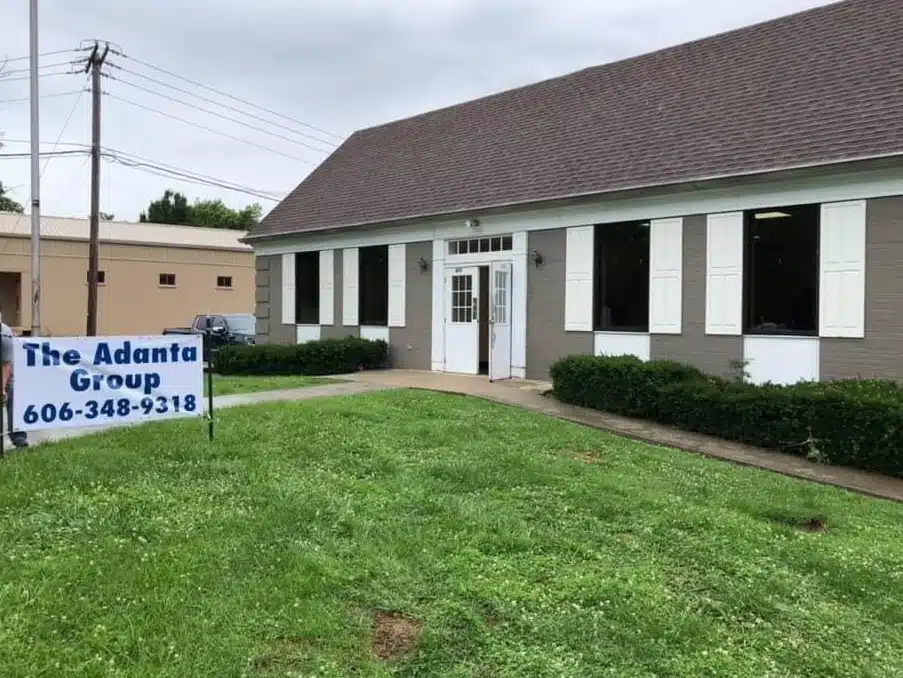
Nestled in Monticello, KY, the Adanta Group is dedicated to providing a thorough range of outpatient services aimed at individuals grappling with substance use issues. They cater specifically to adults who might also be facing significant mental health challenges, as well as children dealing with serious emotional disturbances. What sets the Adanta Group apart is its commitment to various therapeutic techniques. Their specialties include anger management, cognitive behavioral therapy, and the renowned Matrix Model approach, all designed to support individuals on their journey toward recovery. They offer regular outpatient treatment options, along with specialized programs that include methadone, buprenorphine, or naltrexone treatment for those in need of medication-assisted therapy. Recognizing the unique challenges faced by pregnant and postpartum women, the center has developed tailored programs to meet their specific needs. Adanta Group serves a diverse clientele, welcoming adults and seniors of all genders to their facilities. With a strong emphasis on providing quality care through evidence-based methods, the Adanta Group is truly dedicated to helping individuals navigate their recovery paths with compassion and expertise.
View Details
Nestled in the heart of West Chicago, IL, Access West Chicago Family Health Center stands out as a vital resource for those seeking help with substance use issues. This facility is dedicated to providing comprehensive treatment options tailored specifically for adults and young adults grappling with co-occurring serious mental health conditions or emotional challenges. At Access West Chicago, you'll find a range of outpatient services, including methadone and buprenorphine programs, as well as naltrexone treatment. The center also offers regular outpatient care, ensuring that every client receives the level of support they need. Additionally, they have specialized programs designed specifically for adult men and women, as well as services for clients living with HIV or AIDS. What truly sets this center apart is its commitment to evidence-based practices. By employing techniques such as cognitive behavioral therapy and motivational interviewing, Access West Chicago not only addresses addiction but also fosters a nurturing environment for both men and women. This focus on high-quality treatment, coupled with a supportive atmosphere, makes it a valuable option for anyone looking to reclaim their life from addiction.
View DetailsLocated in Costa Mesa, CA, Action Consultants Therapy is dedicated to providing outpatient treatment for adults dealing with substance use issues. This facility is equipped to support both men and women, making it a welcoming space for individuals seeking help. One of the standout features of Action Consultants Therapy is its expertise in several therapeutic approaches, including 12-step facilitation, anger management, and brief interventions. These methods are especially beneficial for clients who have faced the challenges of intimate partner violence or domestic violence, recognizing the need for tailored support during recovery. The center serves a diverse group, including adults and young adults, and emphasizes a personalized approach to care. By concentrating on each individual's unique needs, Action Consultants Therapy ensures that clients receive the specific assistance they require on their paths to recovery. Their commitment to quality care and specialized programs truly sets them apart in the realm of addiction recovery support.
View DetailsSituated in the heart of Rochester, NY, "Action for a Better Community" serves as a vital resource for those grappling with substance use issues and co-occurring serious mental health disorders. This facility is committed to providing an array of outpatient treatment programs designed to meet the diverse needs of its clients. Among these offerings are methadone and buprenorphine treatments, which are crucial for individuals dealing with opioid dependency. What sets "Action for a Better Community" apart is its holistic approach to healing. The center emphasizes 12-step facilitation, anger management strategies, and brief intervention techniques, ensuring that adult men and women, as well as children and adolescents who have faced intimate partner violence, receive the support they need. With a thoughtful emphasis on gender-specific services, this facility is dedicated to delivering quality care tailored to the unique experiences of each client. Their comprehensive programs aim not only to support recovery from substance use disorders but also to address related mental health challenges, fostering a path toward a healthier, more fulfilling life.
View DetailsNestled in the heart of Honolulu, HI, "Action with Aloha LLC" stands as a dedicated provider of substance use treatment services tailored for both adults and seniors. This facility offers a variety of programs to meet the diverse needs of its clients, including intensive outpatient, outpatient, and regular outpatient treatment options. The focus here goes beyond just traditional methods; the skilled team embraces 12-step facilitation, anger management, and brief intervention strategies to support individuals on their path to recovery. They understand that everyone’s journey is unique, which is why they also provide specialized programs designed specifically for adult men and women. Notably, they extend their support to clients who have faced the challenges of intimate partner violence or domestic violence, ensuring that those in need receive compassionate care. "Action with Aloha LLC" prides itself on its commitment to delivering quality treatment for individuals dealing with both substance use issues and serious mental health concerns or emotional disturbances. Whether male or female, clients can trust that they will find a nurturing environment where they can work towards healing and reclaiming their lives.
View DetailsNestled in Centerville, Utah, Active Recovery stands out as a beacon of hope for those seeking to overcome addiction. This facility is deeply committed to helping individuals navigate their recovery journeys with a wide range of comprehensive addiction treatment services. At Active Recovery, the focus is not only on substance use treatment but also on addressing the complexities of transitional housing and the intertwined nature of substance use with serious mental health illnesses in adults, as well as serious emotional disturbances in children. The treatment offerings at Active Recovery are thoughtfully designed to suit varying needs and preferences. They include intensive outpatient programs and outpatient day treatment, allowing clients to choose a schedule that fits their lifestyles. To further support recovery, the center incorporates essential therapeutic approaches such as 12-step facilitation, anger management, and brief interventions, which can be pivotal in fostering personal growth and healing. Active Recovery understands that different populations require tailored support, which is why they extend their services specifically to active duty military personnel, as well as adult men and women. This specialized focus helps ensure that each individual receives care that meets their unique circumstances and challenges. In essence, Active Recovery welcomes adults and young adults of all genders, creating an inclusive environment dedicated to delivering high-quality care. Their ultimate goal is to empower individuals on their paths to lasting recovery, making every step of the journey a little bit easier with the right support.
View DetailsAdanta Group, located in Greensburg, KY, provides a broad range of outpatient services for individuals grappling with substance use issues, including both adults and children who may also be experiencing co-occurring serious mental health disorders or emotional disturbances. This facility stands out for its specialized approaches, offering effective anger management strategies, cognitive behavioral therapy, and the Matrix Model, each tailored to meet the unique needs of their clients. Additionally, the center extends its services to include regular outpatient care, as well as specific treatments such as methadone, buprenorphine, or naltrexone therapy for those requiring medication-assisted options. Importantly, their programs are designed to support pregnant and postpartum women, as well as adults and seniors of all gender identities. Adanta Group is committed to delivering individualized care grounded in evidence-based practices. This emphasis on personalized treatment ensures that individuals seeking recovery from addiction, alongside any mental health challenges, receive the highest quality of support throughout their journey. With their comprehensive approach, the center remains a vital resource for those in the community looking to reclaim their lives from the grips of substance use and related issues.
View DetailsNestled in the heart of Liberty, KY, the Adanta Group is dedicated to providing a wide array of outpatient treatment programs aimed at addressing substance use issues for both adults and children, particularly those grappling with co-occurring mental health challenges. The facility embraces evidence-based practices, including anger management strategies, cognitive behavioral therapy, and the Matrix Model, ensuring that each client receives tailored care designed to meet their unique needs. What sets the Adanta Group apart is its commitment to inclusivity, evident in its specialized programs for pregnant and postpartum women. This particular focus underscores the center's dedication to providing comprehensive, compassionate care to all demographics. In addition to serving adults, the facility also extends its services to seniors, fostering a welcoming and supportive space for individuals of all ages and genders. Whether individuals are looking for ongoing outpatient treatment or considering options like methadone or buprenorphine therapy, they can expect to receive not just high-quality care, but also personalized attention that prioritizes their journey to recovery. At the Adanta Group, clients can find a path forward, supported by a team committed to their well-being.
View DetailsLocated in Campbellsville, KY, Adanta Group is dedicated to providing outpatient treatment for adults grappling with substance use issues, especially those who are also dealing with serious mental health conditions. They understand that each individual’s journey is unique, and that understanding extends to their care for children who experience serious emotional disturbances. The center offers a variety of treatment options to accommodate different needs. Patients can choose from outpatient services that include methadone or buprenorphine, as well as naltrexone. For those who may prefer more traditional routes, regular outpatient services are available too. At Adanta Group, the focus on delivering comprehensive care is evident through their use of evidence-based practices. Patients can benefit from programs incorporating anger management techniques, cognitive behavioral therapy, and the highly regarded Matrix Model. What truly sets Adanta Group apart is their dedicated services for pregnant and postpartum women, specifically tailored to meet their unique challenges during this critical time. Additionally, the facility is committed to serving adults and seniors from all gender identities, ensuring that everyone receives quality and personalized rehabilitation services that cater to their specific circumstances. With such a holistic approach to treatment, Adanta Group stands out as a vital resource for those seeking help on their path to recovery.
View DetailsAdanta Group, located in Glasgow, KY, is dedicated to providing specialized outpatient treatment for individuals grappling with substance use and co-occurring mental health issues, catering to both adults and children. The facility adopts a variety of therapeutic techniques, such as anger management, cognitive behavioral therapy, and the Matrix Model, allowing for a flexible and personalized approach to each individual's treatment plan. One of the standout features of Adanta Group is its commitment to serving diverse populations, including tailored programs specifically designed for pregnant and postpartum women. This comprehensive care ensures that the unique needs of different groups are met with sensitivity and expertise. The center is inclusive of all genders, aiming to support adults and seniors alike in their recovery journeys. Adanta Group firmly believes in providing high-quality, evidence-based care, which is essential for effective recovery. Whether someone is looking for outpatient methadone or buprenorphine treatment or seeking regular outpatient services, they can expect a welcoming environment that offers personalized support at every step of their path to recovery.
View DetailsNestled in Whitley City, Kentucky, the Adanta Group stands out as a dedicated provider of substance use treatment, especially for those grappling with co-occurring mental health issues. This center offers a variety of outpatient services aimed at both adults and children, employing effective treatment options such as methadone, buprenorphine, and naltrexone. What sets the Adanta Group apart is its commitment to evidence-based therapeutic methods. Clients can benefit from programs that include anger management, cognitive behavioral therapy, and the Matrix Model, all of which are designed to ensure a thorough and supportive recovery experience. Additionally, the facility recognizes the unique needs of pregnant and postpartum women, offering tailored programs that specifically address their circumstances. Moreover, the Adanta Group welcomes both male and female clients of all ages, fostering an inclusive environment that prioritizes personalized care. With an unwavering focus on quality and individualized treatment paths, this facility serves as a vital resource for anyone striving to overcome their challenges and embark on the journey to recovery.
View DetailsNestled in the heart of Somerset, KY, the Adanta Group is dedicated to providing targeted outpatient treatment for adults grappling with substance use disorders and co-occurring serious mental health conditions. They also cater to children facing serious emotional disturbances. The facility offers a range of treatment options, including outpatient programs featuring methadone, buprenorphine, or naltrexone, as well as more traditional outpatient care. Recognizing that every individual has unique needs, the Adanta Group emphasizes personalized treatment strategies that incorporate proven methods such as anger management, cognitive behavioral therapy, and the Matrix Model. Notably, the center also provides specialized programs tailored for pregnant and postpartum women, addressing their specific challenges with compassion and understanding. Additionally, services extend to adults and seniors of all genders, ensuring that comprehensive care is accessible to a diverse population. What truly sets the Adanta Group apart is its commitment to delivering high-quality care through a variety of treatment modalities, ensuring that every client receives the support they need on their journey to recovery.
View DetailsAbout Medication-Assisted Treatment (MAT)
Medication-Assisted Treatment is the gold-standard, evidence-based approach for opioid use disorder, endorsed by the World Health Organization, SAMHSA, and the American Society of Addiction Medicine. According to NIDA, MAT reduces opioid overdose deaths by more than 50%. Despite this, only about 18% of the 2.5 million Americans with opioid use disorder receive MAT (SAMHSA 2023 National Survey on Drug Use and Health), representing a critical treatment gap.
Understanding MAT
Medication-Assisted Treatment combines FDA-approved medications with counseling and behavioral therapies. MAT is not "replacing one drug with another"—it is medical treatment for a chronic brain disorder that normalizes brain chemistry, reduces cravings, and allows individuals to focus on recovery.
FDA-Approved Medications for Opioid Addiction
- Buprenorphine (Suboxone, Subutex): A partial opioid agonist that reduces cravings and withdrawal. Can be prescribed by certified physicians in office settings.
- Methadone: A full opioid agonist dispensed through specialized clinics. Highly effective for severe addiction.
- Naltrexone (Vivitrol): An opioid blocker available as daily pills or monthly injection. Prevents opioid effects if someone uses.
FDA-Approved Medications for Alcohol Addiction
- Naltrexone: Reduces cravings and the pleasurable effects of alcohol
- Acamprosate (Campral): Helps maintain abstinence by reducing discomfort from not drinking
- Disulfiram (Antabuse): Creates unpleasant effects if alcohol is consumed
Why MAT Works
Research consistently shows MAT:
- Reduces overdose deaths by 50% or more
- Improves treatment retention significantly
- Reduces illicit drug use
- Decreases criminal activity
- Improves employment outcomes
- Reduces transmission of infectious diseases
Combining MAT with Therapy
MAT is most effective when combined with counseling and behavioral therapies. Treatment centers offering MAT typically also provide individual therapy, group counseling, CBT, and connections to support groups.
Addressing Stigma
Despite strong evidence, MAT faces stigma from some who view it as not "true recovery." Medical and addiction specialists, however, recognize MAT as essential healthcare. Just as diabetics take insulin, people with opioid addiction may need medication to maintain recovery.
What to Expect with MAT
MAT follows a structured medical protocol:
- Phase 1: Medical Assessment (Days 1–3) — Comprehensive evaluation including physical exam, substance use history, and medication selection. Medically managed detox may begin simultaneously
- Phase 2: Induction (Days 3–7) — Careful medication initiation under medical supervision. For buprenorphine, this requires a specific withdrawal state before starting. Methadone begins at low doses with gradual increases
- Phase 3: Stabilization (Weeks 2–8) — Dose optimization while beginning counseling and CBT or other behavioral therapies. Transition to intensive outpatient if appropriate
- Phase 4: Maintenance (Months 3+) — Ongoing medication management via standard outpatient, regular counseling, and recovery support. Duration varies — many experts recommend at least 12 months, some indefinitely
Treatment Outcomes & Research
A landmark study in The Lancet found MAT reduces all-cause mortality among people with opioid use disorder by 50%. The New England Journal of Medicine reported that buprenorphine doubles 12-month retention in treatment compared to placebo. The CDC confirms that expanding MAT access is the single most effective strategy for reducing opioid overdose deaths, which claimed over 80,000 lives in the U.S. in 2023.
Learn more about MAT:
Insurance & Payment for Medication-Assisted Treatment (MAT)
The Mental Health Parity and Addiction Equity Act (MHPAEA) and the Affordable Care Act (ACA) require most health insurance plans to cover substance use disorder and mental health treatment at the same level as medical and surgical care. This means medication-assisted treatment (mat) is typically covered when deemed medically necessary.
Coverage varies by plan and provider. Many treatment centers accept private insurance, Medicaid, Medicare, TRICARE, and offer sliding-scale fees. Contact your insurance company or the treatment center directly to verify benefits.
Helpful resources:
- Learn about insurance coverage for rehab
- Explore standard outpatient programs (often most affordable)
- Consider telehealth services for accessible, lower-cost options
- SAMHSA National Helpline — free, confidential, 24/7 referrals (1-800-662-4357)
- Medicaid.gov — check eligibility for state Medicaid coverage
Related Conditions & Treatments
Related Conditions
Other Treatment Methods
Levels of Care
Medical Disclaimer
This content is for informational purposes only and does not constitute medical advice, diagnosis, or treatment. Always consult a qualified healthcare professional before making decisions about addiction treatment. If you or someone you know is in crisis, contact the 988 Suicide & Crisis Lifeline (call or text 988) or the SAMHSA National Helpline (1-800-662-4357).