
Contingency Management Treatment Centers
Contingency Management (CM) is a behavioral therapy that provides tangible rewards for positive behaviors like maintaining sobriety, attending treatment sessions, or meeting treatment goals. Research shows CM is one of the most effective treatments for stimulant addiction (cocaine, methamphetamine), where no FDA-approved medications currently exist. Rewards may include vouchers, prizes, or privileges that increase in value with continued abstinence. While it may seem simple, CM is grounded in solid behavioral science and consistently produces better outcomes than treatment without incentives.
Found 669 treatment centers offering contingency management across the United States.
Want us to find the perfect facility for you?
Call now - it's completely free!
Showing 20 of 669 contingency management treatment centers
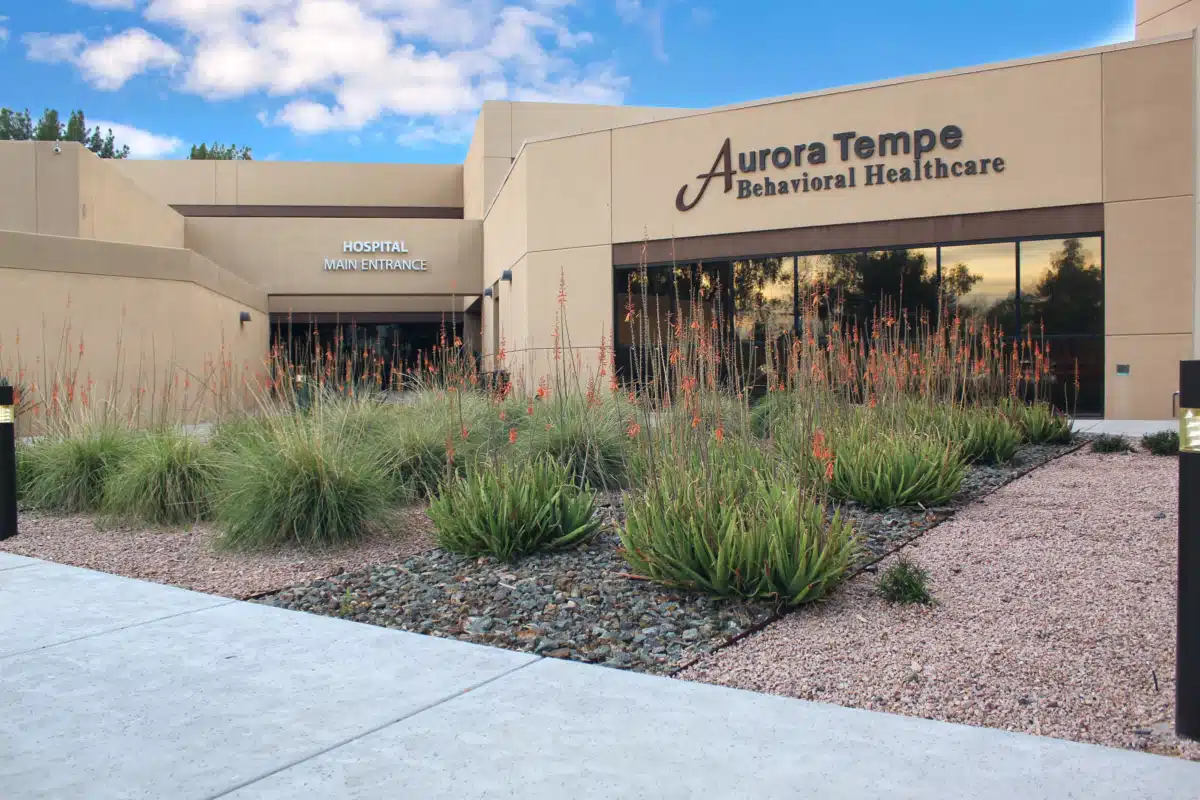
Located in Tempe, AZ, Aurora Behavioral Healthcare is dedicated to offering a full spectrum of rehabilitation services designed for those grappling with substance use disorders and accompanying mental health issues. The facility is particularly well-equipped to provide specialized support through its hospital inpatient detoxification and treatment programs. These services cater to adults facing severe mental health challenges as well as children dealing with emotional disturbances. At Aurora, the treatment approach is personalized, ensuring that each individual receives a plan that aligns with their unique circumstances. The center employs evidence-based methods such as brief intervention, cognitive behavioral therapy, and contingency management, all aimed at fostering a pathway to recovery. In addition to its general programs, Aurora Behavioral Healthcare features distinctive offerings tailored for specific groups, including active duty military personnel, adolescents, and adult men. This ensures that the services can address the diverse needs of individuals effectively. With a commitment to providing high-quality, gender-specific care, the center serves not only male and female adults but also children and adolescents, promoting overall wellness and recovery for all its clients.
View Details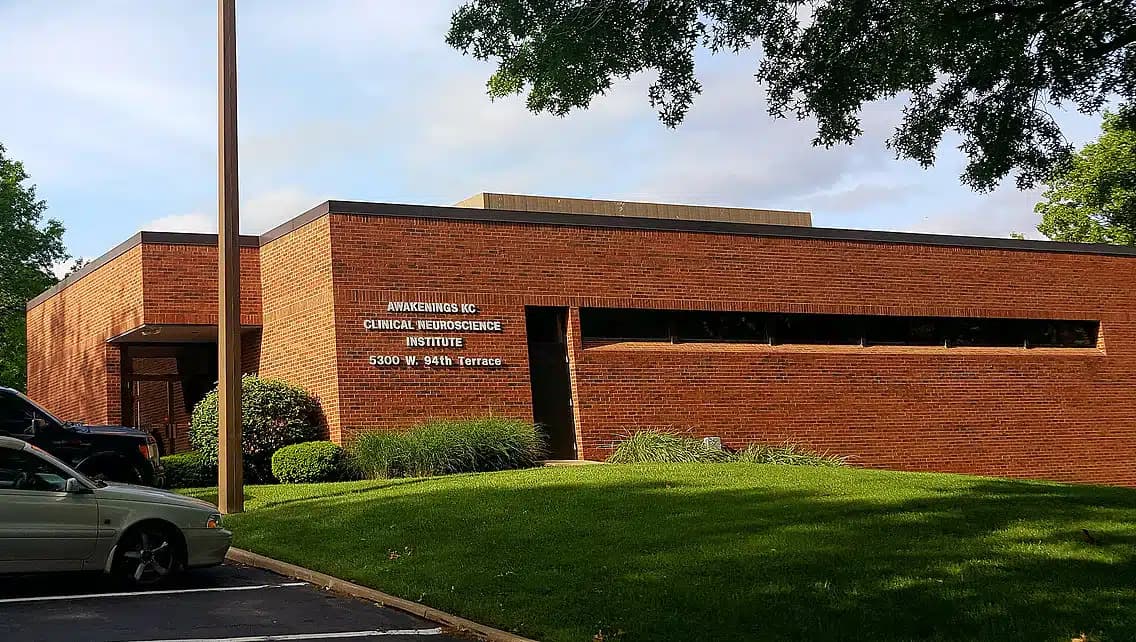
Awakenings KC, nestled in Overland Park, Kansas, is committed to providing a diverse array of addiction treatment services tailored for both adults and young adults. This facility stands out by offering specialized programs designed explicitly for active duty military personnel, as well as dedicated treatments for adult men and women. When it comes to treatment options, Awakenings KC provides several formats, including intensive outpatient programs, outpatient services, and outpatient detoxification. Each of these paths is structured to accommodate individual needs and circumstances, ensuring a personalized approach to recovery. The center employs a variety of therapeutic techniques aimed at fostering positive change. These include anger management, cognitive behavioral therapy, and the use of contingency management along with motivational incentives. These evidence-based methods are particularly effective for individuals facing co-occurring substance use disorders, especially when these issues are accompanied by significant mental health challenges in adults or serious emotional disturbances in children. With a steadfast focus on customized care, Awakenings KC is devoted to guiding individuals on their journey towards healing and recovery, using proven practices that truly make a difference. If you or someone you know is seeking support, this facility could be a compassionate and effective resource on the road to recovery.
View Details
Situated in North Kingstown, Rhode Island, Aware Recovery Care is committed to offering specialized outpatient detoxification and treatment services tailored specifically for adults and young adults grappling with substance use issues. The facility prides itself on providing both intensive outpatient programs and standard outpatient care that are customized to meet the diverse needs of each client. At Aware Recovery Care, clients benefit from evidence-based treatment methods, including 12-step facilitation, cognitive behavioral therapy, and contingency management. These approaches are designed to provide personalized support, helping individuals navigate their recovery journey more effectively. The center is equipped to assist adult men and women, including those facing the added challenges of co-occurring mental health and substance use disorders. With a strong emphasis on high-quality and individualized care, Aware Recovery Care is dedicated to empowering clients as they work towards lasting recovery.
View Details
Nestled in the heart of Indianapolis, IN, Aware Recovery Care of Indiana LLC is dedicated to offering a wide array of addiction treatment services specifically designed for both adults and young adults. This facility excels in detoxification and treatment for substance use, featuring a variety of programs including intensive outpatient, outpatient, and outpatient detoxification options. Aware Recovery Care employs a range of evidence-based strategies to ensure effective treatment. These include well-established methods such as 12-step facilitation, cognitive behavioral therapy (CBT), and contingency management. The focus here is on providing customized care that addresses the unique needs of individuals grappling with co-occurring mental health and substance use disorders. Understanding that each individual's journey to recovery is distinct, the facility offers specialized programs that cater to adult men and women alike, as well as tailored services that consider various age groups and gender identities. This thoughtful approach helps to create a supportive and nurturing environment where every client can thrive. When you choose Aware Recovery Care of Indiana LLC, you can expect top-quality care delivered in a warm and welcoming setting. The combination of personalized treatment and professional support makes for a powerful and effective recovery experience.
View Details
Nestled in Bessemer, Alabama, the BHG Bessemer Treatment Center is dedicated to offering outpatient treatment for substance use issues, catering to both adults and young adults. This facility stands out for its specialized approach, addressing not only substance use disorders but also recognizing the complexities that can arise when they coexist with serious mental health conditions or emotional challenges. At BHG Bessemer, individuals can access a range of treatment options, including outpatient therapies utilizing methadone, buprenorphine, or naltrexone. The center also provides traditional outpatient services and has developed tailored programs specifically for active duty military members, as well as distinct offerings for adult men and women. What truly sets this center apart is its commitment to employing evidence-based strategies like brief interventions, motivational interviewing, and contingency management with motivational incentives. This thoughtful approach ensures that each person receives high-quality care tailored to their unique needs and circumstances. For those on the path to recovery, whether men or women, seeking a comprehensive and personalized treatment experience, BHG Bessemer Treatment Center may prove to be an invaluable ally in their journey toward healing and lasting change.
View Details
Located in Aiken, SC, the BHG Aiken Treatment Center specializes in outpatient substance use treatment programs designed specifically for those on their journey to recovery. The center offers a variety of treatment options that cater to different needs, including outpatient methadone, buprenorphine, and naltrexone treatments, alongside regular outpatient therapy and brief intervention services. What sets BHG Aiken apart is its commitment to delivering high-quality care through evidence-based practices. The facility incorporates methods like cognitive behavioral therapy and contingency management along with motivational incentives, ensuring that clients receive the most effective support for their recovery. In addition to its general treatment offerings, BHG Aiken features specialized programs aimed at supporting active duty military personnel, as well as tailored services for adult men and women. This inclusive approach allows the center to serve adults and young adults across the gender spectrum, reinforcing its dedication to helping individuals not just achieve sobriety, but maintain it for the long term.
View Details
Situated in Fort Smith, Arkansas, BHG LLC is a dedicated provider of comprehensive substance use treatment services. They offer a range of outpatient programs tailored to meet the diverse needs of their clients, including specialized outpatient treatments revolving around methadone, buprenorphine, and naltrexone, in addition to the standard outpatient care options. At BHG LLC, the treatment methods are rooted in evidence-based practices. These include brief interventions, cognitive behavioral therapy, and motivational incentives through contingency management—a combination designed to effectively address addiction. The center prides itself on serving a wide array of clients, which encompasses active duty military members, adults of all genders, as well as young adults seeking help. What sets BHG LLC apart is their commitment to delivering high-quality care through personalized treatment plans. They aim to support individuals throughout their recovery journey, ensuring that each person receives the tailored assistance they need to overcome the challenges of addiction. Whether you’re just beginning your path to recovery or are looking to enhance your existing treatment, BHG LLC stands ready to help you take the next steps toward a healthier future.
View Details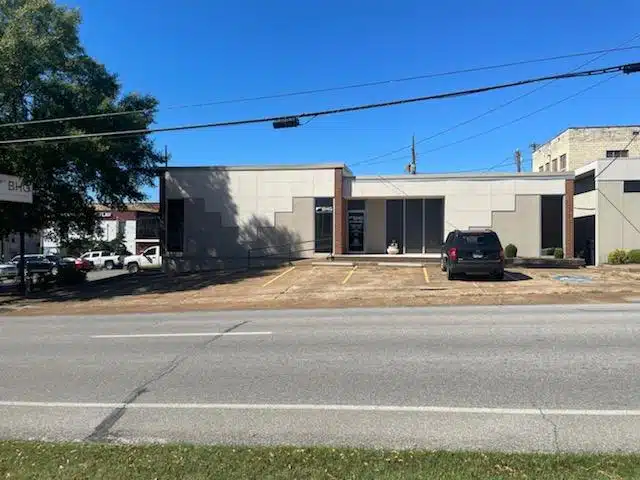
Nestled within the serene surroundings of Hot Springs National Park in Arkansas, BHG Medical Services stands out for its exceptional outpatient substance use treatment programs. The facility has honed its expertise in offering specialized treatments that include methadone, buprenorphine, and naltrexone, alongside comprehensive outpatient care tailored to fit each individual's needs. At BHG Medical Services, the commitment to a holistic healing journey is evident through their application of evidence-based practices. These methods comprise cognitive behavioral therapy, contingency management with motivational incentives, and motivational interviewing. Each of these approaches is designed to support clients in overcoming their challenges and achieving lasting recovery. BHG Medical Services is dedicated to serving a diverse clientele, which includes active duty military personnel, adult men and women, as well as young adults. This inclusivity is a cornerstone of their philosophy, ensuring that anyone seeking help finds a welcoming atmosphere that promotes growth and recovery. The facility prioritizes individualized care, tailoring treatment plans to match the unique needs and circumstances of each adult seeking assistance. BHG Medical Services takes pride in fostering a compassionate environment where both male and female clients can feel safe and supported on their path to recovery. Whether you’re seeking help for yourself or a loved one, this center is prepared to provide the care and support needed for a successful journey toward healing.
View DetailsBHG Medical Services, located in Batesville, Arkansas, provides a range of outpatient treatment options for those grappling with substance use issues. Their offerings include specialized outpatient programs that utilize medications like methadone, buprenorphine, and naltrexone, as well as comprehensive outpatient care designed to support recovery. At the heart of their approach is a commitment to evidence-based practices. The center emphasizes cognitive behavioral therapy (CBT), which helps clients address negative thought patterns and behaviors, as well as contingency management and motivational incentives to encourage positive changes. Additionally, motivational interviewing techniques are used to help individuals find their own reasons for recovery, ultimately fostering a greater sense of personal motivation. BHG understands the unique needs of different populations, which is why they offer tailored programs specifically for active duty military personnel, along with specialized services for both adult men and women. Their treatment options are thoughtfully designed for adults and young adults, making them accessible and effective for individuals of all genders. Overall, BHG Medical Services stands out as a supportive and caring environment, dedicated to providing high-quality addiction treatment that prioritizes the well-being of their clients. Whether you're looking for help for yourself or someone you care about, this facility aims to create a nurturing space conducive to lasting recovery.
View DetailsBHG Medical Services, located in Texarkana, Arkansas, provides a range of specialized outpatient treatment programs specifically designed for both adults and young adults grappling with substance use issues. Their offerings include treatments using methadone, buprenorphine, or naltrexone, alongside regular outpatient services. One of the distinguishing features of this facility is its commitment to evidence-based practices, which ensures that clients receive the most effective care possible. They incorporate methods such as cognitive behavioral therapy, motivational interviewing, and contingency management to promote recovery. Moreover, BHG understands the unique challenges faced by different groups, offering tailored programs for active duty military personnel as well as specific services for adult men and women. This thoughtful approach fosters a welcoming and supportive atmosphere for all clients. By focusing on personalized treatment plans, the center endeavors to provide high-quality care that guides individuals on their path to recovery. Each client can look forward to a treatment experience that acknowledges their specific needs and goals, helping to pave the way for a healthier future.
View Details
Nestled in the heart of Minneapolis, MN, Avivo stands out as a beacon of support for those navigating the complexities of substance use and mental health challenges. The center is dedicated to providing an extensive array of treatment services, transitional housing options, and tailored programs specifically designed for individuals grappling with co-occurring mental health conditions. Avivo offers a variety of treatment formats to accommodate different needs, including intensive outpatient programs, outpatient services, and regular outpatient care. Each of these options is grounded in evidence-based practices, such as cognitive behavioral therapy and contingency management, ensuring that clients receive the most effective support available. What sets Avivo apart is its commitment to inclusivity. The center serves a wide range of individuals, from active duty military personnel to adult men and women, as well as young adults seeking guidance on their recovery journeys. With a keen focus on enhancing skills such as anger management and providing motivational incentives, Avivo prioritizes high-quality care that empowers individuals to overcome addiction and improve their mental health. Whether you’re just starting your recovery or are well on your way, Avivo is equipped to support you on your path to healing and personal growth.
View Details
Nestled in the heart of Minneapolis, MN, the BHG Brooklyn Park Treatment Center is dedicated to providing tailored substance use treatment designed specifically for adults and young adults. This center offers a range of services, including intensive outpatient programs and traditional outpatient treatments, along with specialized outpatient options for those needing methadone, buprenorphine, or naltrexone therapy. The center employs evidence-based strategies to ensure the most effective treatment. Some of the key therapeutic approaches utilized here include brief interventions, cognitive behavioral therapy, and motivational incentives through contingency management. This combination of methods supports clients in navigating their recovery journey successfully. BHG Brooklyn Park places a unique emphasis on addressing the needs of individuals with co-occurring mental health and substance use disorders. Additionally, they provide specific support for pregnant women and those in the postpartum period, recognizing the unique challenges faced during this time. With a commitment to personalized care, BHG Brooklyn Park offers programs designed to meet the specific needs of both male and female clients. By fostering a comprehensive and nurturing environment, the center aims to facilitate an effective recovery experience for all who walk through its doors.
View DetailsNestled in the heart of Conway, Arkansas, BHG Medical Services stands as a beacon of hope for those seeking help with substance use issues. This facility prides itself on providing a range of outpatient programs that are not just comprehensive but also tailored to meet the unique needs of each individual on their recovery journey. Here, you'll find specialized care that integrates effective treatment modalities like cognitive behavioral therapy, motivational interviewing, and contingency management, ensuring that clients receive the most suitable support for their circumstances. BHG Medical Services is dedicated to serving a diverse clientele, including active duty military members, adult men and women, and young adults. This inclusivity speaks to their commitment to understanding and addressing the specific challenges that each demographic faces. The center emphasizes quality care, always prioritizing the well-being of its clients throughout the treatment process. Among the variety of services offered, individuals can access outpatient treatments that include options such as methadone, buprenorphine, or naltrexone. Additionally, they provide regular outpatient treatment designed to support both men and women as they navigate their paths to recovery. The approach is holistic and personal, ensuring that every client feels cared for and equipped to take the next steps towards a healthier, substance-free life.
View Details
Nestled in the heart of Lansing, MI, the BHG Lansing Treatment Center is dedicated to helping adults and young adults navigate the challenges of substance use. This center specializes in a variety of treatment options, ensuring that each individual receives the care they need. Whether you're looking for intensive outpatient treatment, general outpatient care, or specific outpatient services involving methadone, buprenorphine, or naltrexone, BHG Lansing has you covered. The facility employs time-tested, evidence-based strategies to facilitate recovery. Some of these approaches include brief interventions, cognitive behavioral therapy, and contingency management with motivational incentives. What sets BHG Lansing apart is its commitment to customizing treatment plans that cater to the unique needs of every client. Furthermore, the center recognizes the distinct experiences of different groups within the community. They offer specialized programs for active duty military personnel, as well as tailored support for adult men and women. With an emphasis on delivering high-quality care, BHG Lansing Treatment Center stands as a comprehensive resource for anyone on the path to recovery from substance use disorders, providing robust support for both male and female clients alike.
View Details
Situated in the heart of Charlotte, NC, Atrium Health Addiction Services is dedicated to providing specialized care for individuals grappling with substance use issues, as well as those facing co-occurring serious mental health conditions in adults and significant emotional challenges in children. At this center, a variety of treatment options are available to cater to different needs. They offer intensive outpatient programs, standard outpatient services, and outpatient treatments that include methadone, buprenorphine, and naltrexone. By employing techniques such as brief interventions, cognitive behavioral therapy, and contingency management coupled with motivational incentives, Atrium Health ensures that its treatment plans are carefully customized to address the distinct circumstances of each individual. The facility is committed to serving adults and young adults across all gender identities, emphasizing a tailored approach that truly prioritizes quality care. If you or someone you know is on the lookout for effective and personalized addiction treatment, Atrium Health Addiction Services is a reputable option worth considering. Their dedication to helping individuals overcome their challenges speaks to their expertise and commitment to sustainability in recovery.
View DetailsSituated in Charlotte, NC, Atrium Health Addiction Services is dedicated to providing specialized treatment for individuals grappling with substance use and co-occurring mental health challenges, catering to both adults and children. The center offers a range of services, including intensive outpatient programs, outpatient care, and medication-assisted treatment options, all designed to meet the diverse needs of its clientele. What truly sets Atrium Health apart is its commitment to crafting treatment plans that are as unique as the individuals they serve. By employing evidence-based approaches such as cognitive behavioral therapy and contingency management, the facility ensures that each program is tailored to fit the specific circumstances and goals of each patient. This focus on personalized care embraces all adults and young adults, regardless of gender, making it an inclusive haven for those in need. For anyone searching for comprehensive and effective addiction treatment within a nurturing atmosphere, Atrium Health Addiction Services shines as a beacon of hope. Their individualized programs reflect a deep commitment to quality care, aiming to empower individuals on their journey to recovery.
View DetailsNestled in Fayetteville, Arkansas, Aurora stands out as a dedicated rehabilitation center that focuses on outpatient treatment for both adults and young adults grappling with substance use issues. This facility offers a comprehensive range of treatment options designed to meet varying needs, including standard outpatient services as well as specialized programs such as outpatient methadone, buprenorphine, or naltrexone treatment. At Aurora, the approach to care is highly personalized. Staff members emphasize important aspects such as contingency management, relapse prevention strategies, and counseling specifically tailored to address substance use disorders. The center’s programs are uniquely designed to meet the needs of both male and female clients, ensuring that each individual feels understood and supported throughout their recovery journey. By placing a strong emphasis on creating individualized treatment plans, Aurora is committed to delivering high-quality care that truly aids individuals in navigating their path to recovery. Each step of the way, clients receive the guidance and support they need to overcome challenges and achieve lasting change.
View DetailsBAART Behavioral Health Services Inc, located in Port Angeles, WA, specializes in offering outpatient substance use treatment programs designed specifically for adults and young adults. At this facility, you’ll find a range of options, including outpatient treatments such as methadone or buprenorphine, and naltrexone, all delivered alongside regular outpatient services. What sets BAART apart is its commitment to utilizing evidence-based methodologies. These include brief interventions, cognitive behavioral therapy, and contingency management, which incorporates motivational incentives—all designed to create personalized treatment plans that cater to each individual's unique needs. The center takes pride in focusing on an individualized approach, ensuring that both men and women seeking effective addiction treatment receive the tailored support they deserve. If you’re in search of a comprehensive and compassionate environment for substance use treatment, BAART Health Services is dedicated to providing the care and resources necessary for recovery and support on your journey.
View DetailsBAART Behavioral Health Services Inc., located in Menlo Park, California, is dedicated to providing a range of outpatient services designed to assist individuals in overcoming substance use challenges. Their offerings include detoxification, various forms of substance use treatment, and medication-assisted therapies using methadone, buprenorphine, or naltrexone. What sets BAART apart is its commitment to addressing the unique needs of specific populations, including pregnant and postpartum women, as well as adults and young adults. The center employs a variety of evidence-based techniques such as brief interventions, contingency management with motivating incentives, and motivational interviewing to ensure that the care provided is both effective and personalized. At BAART Behavioral Health Services, the focus is always on delivering high-quality treatment within a nurturing environment. Their goal is to create a supportive space where both men and women can embark on their journey to recovery from substance use disorders, empowering their clients every step of the way.
View DetailsNestled in Ogden, UT, BAART Programs is dedicated to providing outpatient substance use treatment specifically designed for both adults and young adults. This facility recognizes the unique challenges faced by different demographics and offers specialized programs tailored for adult men, adult women, and pregnant or postpartum women. At BAART Programs, the emphasis is on delivering personalized care that truly addresses the diverse needs of each individual. Their treatment modalities incorporate evidence-based approaches, including cognitive behavioral therapy, community reinforcement along with vouchers, and contingency management combined with motivational incentives. This comprehensive approach facilitates a supportive atmosphere that fosters recovery. To further assist those on their journey to sobriety, BAART Programs offers flexible outpatient treatment options, including methadone, buprenorphine, and naltrexone therapies, alongside traditional outpatient care. This variety ensures that each participant can find a pathway that resonates with their personal recovery goals. With its unwavering commitment to quality and a wide range of treatment options, BAART Programs has established itself as a reliable ally for individuals seeking to overcome substance use challenges and reclaim their lives.
View DetailsAbout Contingency Management
Contingency Management (CM) is one of the most effective behavioral interventions for substance use disorders, yet remains significantly underutilized. According to a meta-analysis published in JAMA Psychiatry, CM produces the largest effect sizes of any behavioral treatment for stimulant use disorders — conditions for which no FDA-approved medications exist. In 2023, the U.S. Department of Veterans Affairs expanded its CM programs, and California became the first state to offer CM through Medicaid, reflecting growing recognition of its efficacy.
How Contingency Management Works
Contingency Management (CM) is based on simple behavioral principles: behaviors that are rewarded are more likely to be repeated. In CM, you receive tangible rewards (vouchers, prizes, or privileges) for positive behaviors like submitting drug-free urine samples, attending treatment sessions, or meeting treatment goals.
Why CM is Especially Important for Stimulant Addiction
CM is one of the most effective treatments for cocaine and methamphetamine addiction, where no FDA-approved medications currently exist. Research consistently shows CM produces better outcomes than treatment without incentives for stimulant use disorders.
Types of CM Programs
Common CM approaches include:
- Voucher-Based Reinforcement: Earning vouchers exchangeable for goods and services
- Prize Incentives: Drawing from a fishbowl for prizes with each negative drug test
- Escalating Rewards: Rewards that increase with continued abstinence
What CM Rewards
CM programs typically reinforce:
- Negative drug tests (confirmed abstinence)
- Attendance at treatment sessions
- Completion of treatment goals
- Medication adherence (for MAT patients)
- Engagement in prosocial activities
Research Support
Studies consistently show CM:
- Increases treatment retention
- Reduces substance use
- Improves treatment outcomes
- Is cost-effective (the cost of incentives is offset by better outcomes)
What to Expect with Contingency Management
CM programs typically follow a structured protocol:
- Week 1: Enrollment & Baseline — Initial assessment, explanation of the incentive program, and baseline drug testing. Often delivered alongside intensive outpatient treatment
- Weeks 2–12: Active Incentive Phase — Regular (often twice-weekly) drug testing with immediate rewards for negative results. Incentive values typically escalate with consecutive negative tests, building momentum
- Weeks 13–24: Tapering & Skill Transfer — Gradual reduction in incentive frequency while reinforcing intrinsic motivation through CBT and motivational interviewing
- Ongoing: Maintenance — Transition to standard outpatient with continued recovery support and peer connections through 12-step or SMART Recovery groups
Treatment Outcomes & Research
A meta-analysis in JAMA Psychiatry found CM increases abstinence rates by 22–54% compared to standard treatment alone. The California pilot program (Recovery Incentives) demonstrated 63% of participants with stimulant use disorders achieved abstinence during the active CM phase. Research in Drug and Alcohol Dependence shows CM is cost-effective: every $1 spent on incentives saves $2–$4 in reduced healthcare utilization and criminal justice costs.
Learn more about Contingency Management:
Insurance & Payment for Contingency Management
The Mental Health Parity and Addiction Equity Act (MHPAEA) and the Affordable Care Act (ACA) require most health insurance plans to cover substance use disorder and mental health treatment at the same level as medical and surgical care. This means contingency management is typically covered when deemed medically necessary.
Coverage varies by plan and provider. Many treatment centers accept private insurance, Medicaid, Medicare, TRICARE, and offer sliding-scale fees. Contact your insurance company or the treatment center directly to verify benefits.
Helpful resources:
- Learn about insurance coverage for rehab
- Explore standard outpatient programs (often most affordable)
- Consider telehealth services for accessible, lower-cost options
- SAMHSA National Helpline — free, confidential, 24/7 referrals (1-800-662-4357)
- Medicaid.gov — check eligibility for state Medicaid coverage
Related Conditions & Treatments
Related Conditions
Other Treatment Methods
Levels of Care
Medical Disclaimer
This content is for informational purposes only and does not constitute medical advice, diagnosis, or treatment. Always consult a qualified healthcare professional before making decisions about addiction treatment. If you or someone you know is in crisis, contact the 988 Suicide & Crisis Lifeline (call or text 988) or the SAMHSA National Helpline (1-800-662-4357).