
Drug & Alcohol Rehab Centers in South Carolina
South Carolina's addiction treatment system encompasses roughly 350 licensed facilities offering services across the full continuum of care, from medical detoxification and residential treatment to intensive outpatient programs and telehealth-based recovery support. The South Carolina Department of Alcohol and Other Drug Abuse Services (DAODAS) serves as the state authority overseeing substance use disorder prevention, treatment, and recovery, working with a network of 33 county-level alcohol and drug abuse authorities that provide or coordinate services locally.
The opioid crisis has struck South Carolina with devastating force, particularly across rural Upstate communities. In 2022, the state recorded over 1,800 drug overdose deaths, a figure that has more than doubled since 2015, driven largely by illicitly manufactured fentanyl. Opioid use disorder accounts for the fastest-growing category of treatment admissions. At the same time, methamphetamine use has surged across the state, becoming the second most common illicit substance in treatment admissions in many counties. Alcohol use disorder remains the single most prevalent reason for entering treatment statewide, reflecting a pattern consistent with southern states where alcohol-related mortality rates exceed national averages.
South Carolina's treatment infrastructure is anchored by academic health systems including the Medical University of South Carolina (MUSC) in Charleston, which operates one of the Southeast's leading addiction psychiatry programs and has pioneered research on contingency management and cognitive behavioral therapy (CBT) for substance use disorders. Prisma Health, the state's largest health system, provides addiction services across the Upstate and Midlands regions. Evidence-based modalities including medication-assisted treatment (MAT), dialectical behavior therapy (DBT), and 12-step facilitation are widely available, though rural access gaps remain a persistent challenge.
Addiction Treatment Landscape in South Carolina
South Carolina's substance use crisis reflects the broader southeastern pattern of escalating opioid deaths layered over long-standing alcohol and methamphetamine challenges. DAODAS coordinates treatment delivery through 33 county alcohol and drug abuse authorities, which serve as the primary points of entry for publicly funded treatment. The agency distributes state appropriations and federal Substance Abuse Prevention and Treatment (SAPT) Block Grant funds to support services for uninsured and underinsured residents.
Key statistics:
- Over 1,800 drug overdose deaths in 2022 (SC DHEC)
- Approximately 350 licensed substance use treatment facilities statewide (SAMHSA N-SSATS)
- Fentanyl-involved deaths increased over 300% between 2018 and 2022
- Methamphetamine treatment admissions have tripled in the past decade across rural Upstate counties
The opioid epidemic in South Carolina has shifted from prescription pills to fentanyl at an alarming pace. The rural Upstate — counties like Oconee, Pickens, and Anderson — has experienced disproportionately high overdose mortality rates relative to population. Charleston and the Lowcountry region, while better resourced with treatment options, have also seen sharp increases in fentanyl-related emergency department visits. DAODAS launched the state's Opioid Emergency Response initiative to expand naloxone distribution, fund treatment beds, and support MAT access in underserved areas.
Methamphetamine has become a growing crisis across the Midlands and Upstate, with law enforcement agencies reporting record seizures. Unlike opioid use disorder, there is no FDA-approved medication for meth addiction, making behavioral therapies like CBT and contingency management the primary treatment approaches. MUSC's research into stimulant use disorder treatments has contributed to national best practices adopted across the state.
Types of Treatment Available in South Carolina
South Carolina offers addiction treatment across all levels of care recognized by the American Society of Addiction Medicine (ASAM):
- Medical Detoxification: Hospital-based and standalone detox facilities in Charleston, Greenville, Columbia, and Spartanburg provide medically supervised withdrawal management for opioid, alcohol, and benzodiazepine dependence.
- Residential Treatment: Programs ranging from 30-day to 90+ day stays operate across the state, with clinical and faith-based options. MUSC and Prisma Health-affiliated programs offer evidence-based residential care.
- Partial Hospitalization (PHP): Day treatment programs providing 5-7 days per week of structured clinical services, primarily available in Charleston, Greenville, and Columbia metro areas.
- Intensive Outpatient (IOP): Programs meeting 3-5 days per week are the most widely available level of care in South Carolina, with options in nearly every county through the DAODAS provider network.
- Standard Outpatient: Weekly individual and group therapy sessions for ongoing recovery maintenance, relapse prevention, and co-occurring disorder management.
- Telehealth Services: Virtual treatment options expanded during the pandemic and remain critical for reaching rural communities in the Pee Dee, Lowcountry, and Upstate regions with limited local providers.
MUSC's addiction sciences division has been instrumental in advancing medication-assisted treatment (MAT) protocols using buprenorphine, naltrexone, and methadone across South Carolina. The state also supports 12-step programs, SMART Recovery, and faith-based recovery communities, which play a particularly prominent role in rural and small-town settings throughout the state.
Insurance & Healthy Connections Medicaid Coverage in South Carolina
South Carolina's Medicaid program, Healthy Connections Medicaid, provides coverage for substance use disorder treatment services. South Carolina has not expanded Medicaid under the Affordable Care Act, which means eligibility remains limited primarily to children, pregnant women, parents/caretakers with very low income, the elderly, and individuals with disabilities. This coverage gap leaves many low-income adults without Medicaid access for addiction treatment.
- Outpatient substance use disorder treatment and counseling
- Intensive outpatient programs (IOP)
- Residential treatment (with prior authorization)
- Medically supervised detoxification
- Medication-assisted treatment (MAT) including buprenorphine and methadone
- Mental health services for co-occurring disorders
- Peer support specialist services
- Crisis stabilization services
Private insurance plans in South Carolina are subject to the federal Mental Health Parity and Addiction Equity Act (MHPAEA), requiring equivalent coverage for substance use disorder and medical/surgical benefits. Major insurers including BlueCross BlueShield of South Carolina, Cigna, UnitedHealthcare, and Aetna offer plans in the state marketplace.
For uninsured individuals, DAODAS funds treatment through the 33 county alcohol and drug abuse authorities using state appropriations and federal block grant funding. These authorities provide or arrange services on a sliding-fee basis. SAMHSA's National Helpline (1-800-662-4357) offers free referrals to local treatment providers and support groups regardless of insurance status.
Want us to find the perfect facility for you?
Call now - it's completely free!
Showing 20 of 92 results

Outpatient and Withdrawal Management
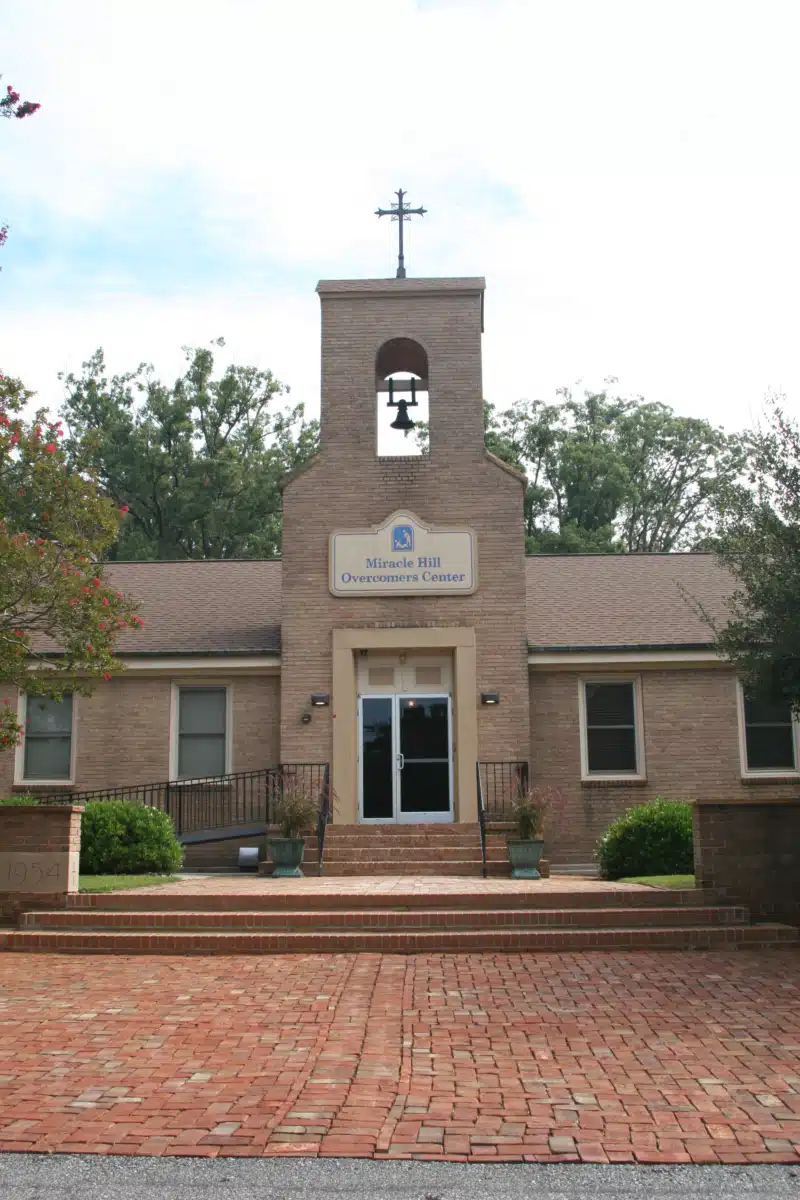
Overcomers Center
Outpatient

Metro Treatment of South Carolina LP
Substance Abuse Center


Alcohol and Drug Abuse Commission
Treatment Highlights in South Carolina
Popular Cities in South Carolina
Greenville
11 centers
Florence
7 centers
Myrtle Beach
4 centers
Aiken
3 centers
Charleston
3 centers
Columbia
3 centers
Greenwood
3 centers
North Charleston
3 centers
View all 52 cities in South Carolina
Frequently Asked Questions About Treatment in South Carolina
Sources
Medical Disclaimer
The information on this page is for educational purposes and is not a substitute for professional medical advice. If you or someone you know is experiencing a substance use crisis, call the SAMHSA National Helpline at 1-800-662-4357 (free, confidential, 24/7). For immediate danger, call 911 or the 988 Suicide & Crisis Lifeline by dialing 988.