
Drug & Alcohol Rehab Centers in Rhode Island
Rhode Island's addiction treatment system serves the nation's smallest state, where a compact geography belies an outsized substance use crisis. With approximately 150 licensed treatment facilities, the state provides services from medical detoxification and residential treatment to intensive outpatient programs and telehealth-based recovery support. The Rhode Island Department of Behavioral Healthcare, Developmental Disabilities and Hospitals (BHDDH) licenses treatment programs, distributes funding, and coordinates the state's response to a drug overdose crisis that has been among the most devastating in New England.
Rhode Island has been severely impacted by the opioid epidemic. The state recorded approximately 430 drug overdose deaths in 2022, giving it one of the highest per-capita overdose mortality rates in the United States. Fentanyl drives the vast majority of opioid-related fatalities, and the drug has infiltrated cocaine and counterfeit pill supplies throughout the state. Alcohol use disorder remains highly prevalent, with Rhode Island's bar and restaurant culture contributing to elevated consumption patterns. Cocaine use remains a significant concern, particularly in Providence and urban communities, often in combination with opioids.
Rhode Island has emerged as a national leader in innovative addiction treatment approaches. Brown University's Center for Alcohol and Addiction Studies conducts internationally recognized research on medication-assisted treatment (MAT), co-occurring disorders, and harm reduction strategies. The state pioneered a statewide initiative to provide MAT to incarcerated individuals at the Adult Correctional Institutions (ACI), becoming the first state to offer all three FDA-approved medications for opioid use disorder behind bars. Rhode Island's Centers of Excellence model coordinates comprehensive care through designated treatment hubs that integrate cognitive behavioral therapy (CBT), 12-step facilitation, and peer recovery support.
Addiction Treatment Landscape in Rhode Island
Rhode Island's substance use crisis has been shaped by its position as a small, densely populated New England state with deep ties to the opioid epidemic. BHDDH oversees the state's behavioral health treatment system, working with community-based providers, hospitals, and federally qualified health centers to deliver services across Rhode Island's five counties.
Key statistics:
- Approximately 430 drug overdose deaths in 2022 (Rhode Island Department of Health)
- Roughly 150 licensed substance use treatment facilities statewide (SAMHSA N-SSATS)
- Rhode Island ranks among the top 10 states for per-capita overdose mortality
- Fentanyl is involved in over 80% of opioid-related overdose deaths in the state
The state has embraced a comprehensive, evidence-based approach to the overdose crisis. Governor McKee's Overdose Prevention and Intervention Task Force coordinates strategies across state agencies. Rhode Island was the first state in the nation to offer all three FDA-approved medications for opioid use disorder — methadone, buprenorphine, and naltrexone — to incarcerated individuals, resulting in a 60% reduction in post-release overdose deaths. This groundbreaking program has been studied and replicated nationally.
Brown University's Center for Alcohol and Addiction Studies anchors Rhode Island's research and clinical innovation. Faculty lead federally funded studies on MAT efficacy, harm reduction, and treatment for co-occurring disorders. The state's Centers of Excellence model designates high-performing treatment organizations that integrate MAT, behavioral health, and peer recovery services into coordinated care. Rhode Island's compact size allows for a relatively integrated treatment system where no resident is more than 30 minutes from a licensed facility.
Types of Treatment Available in Rhode Island
Rhode Island offers addiction treatment across all levels of care recognized by the American Society of Addiction Medicine (ASAM), with relatively strong geographic access given the state's small size:
- Medical Detoxification: Hospital-based and standalone detox programs are available in Providence, Warwick, Cranston, and Woonsocket. Butler Hospital in Providence, affiliated with Brown University, provides comprehensive medically managed withdrawal services.
- Residential Treatment: Programs ranging from short-term stabilization to extended 90-day stays operate across the state. Providence and surrounding communities have the highest concentration of residential beds. CODAC Behavioral Healthcare and Phoenix House are prominent residential providers.
- Partial Hospitalization (PHP): Structured day treatment programs available through hospital-affiliated and community-based providers in the Providence metro area and across the state.
- Intensive Outpatient (IOP): Programs meeting 3-5 days per week are widely available across Rhode Island, offered through Centers of Excellence, community health centers, and private clinics.
- Standard Outpatient: Weekly individual and group therapy sessions are available through community providers statewide, with extensive options in the Providence metro area.
- Telehealth Services: Rhode Island expanded telehealth access during COVID-19 and has maintained flexibility for virtual addiction treatment, useful for individuals with transportation or scheduling barriers.
Medication-assisted treatment (MAT) is central to Rhode Island's treatment strategy. The state has worked aggressively to expand buprenorphine prescriber capacity and methadone access. CODAC Behavioral Healthcare operates the state's largest network of opioid treatment programs. 12-step programs, SMART Recovery, peer recovery coaching, and harm reduction services including naloxone distribution and syringe services complement clinical treatment across the state.
Insurance & Rhode Island Medicaid Coverage
Rhode Island Medicaid provides comprehensive coverage for substance use disorder treatment. Rhode Island expanded Medicaid under the Affordable Care Act, covering adults earning up to 138% of the federal poverty level. The expansion significantly increased treatment access, particularly for individuals with opioid use disorder who previously lacked insurance coverage.
- Outpatient substance use disorder treatment and counseling
- Intensive outpatient programs (IOP)
- Residential treatment (with prior authorization)
- Medically supervised detoxification and withdrawal management
- Medication-assisted treatment (MAT) including buprenorphine, methadone, and naltrexone
- Mental health services for co-occurring disorders
- Peer recovery support services
- Crisis stabilization services
Rhode Island Medicaid is administered through managed care organizations including Neighborhood Health Plan of Rhode Island, UnitedHealthcare Community Plan, and Tufts Health Plan. These plans coordinate substance use disorder treatment benefits and work with BHDDH-licensed providers across the state.
Private insurance plans in Rhode Island must comply with the federal Mental Health Parity and Addiction Equity Act (MHPAEA). Major insurers including Blue Cross Blue Shield of Rhode Island, UnitedHealthcare, Aetna, and Cigna offer plans covering addiction treatment. For uninsured individuals, BHDDH funds treatment through community providers on a sliding-fee basis. SAMHSA's National Helpline (1-800-662-4357) offers free referrals regardless of insurance status.
Want us to find the perfect facility for you?
Call now - it's completely free!
Showing 20 of 52 results
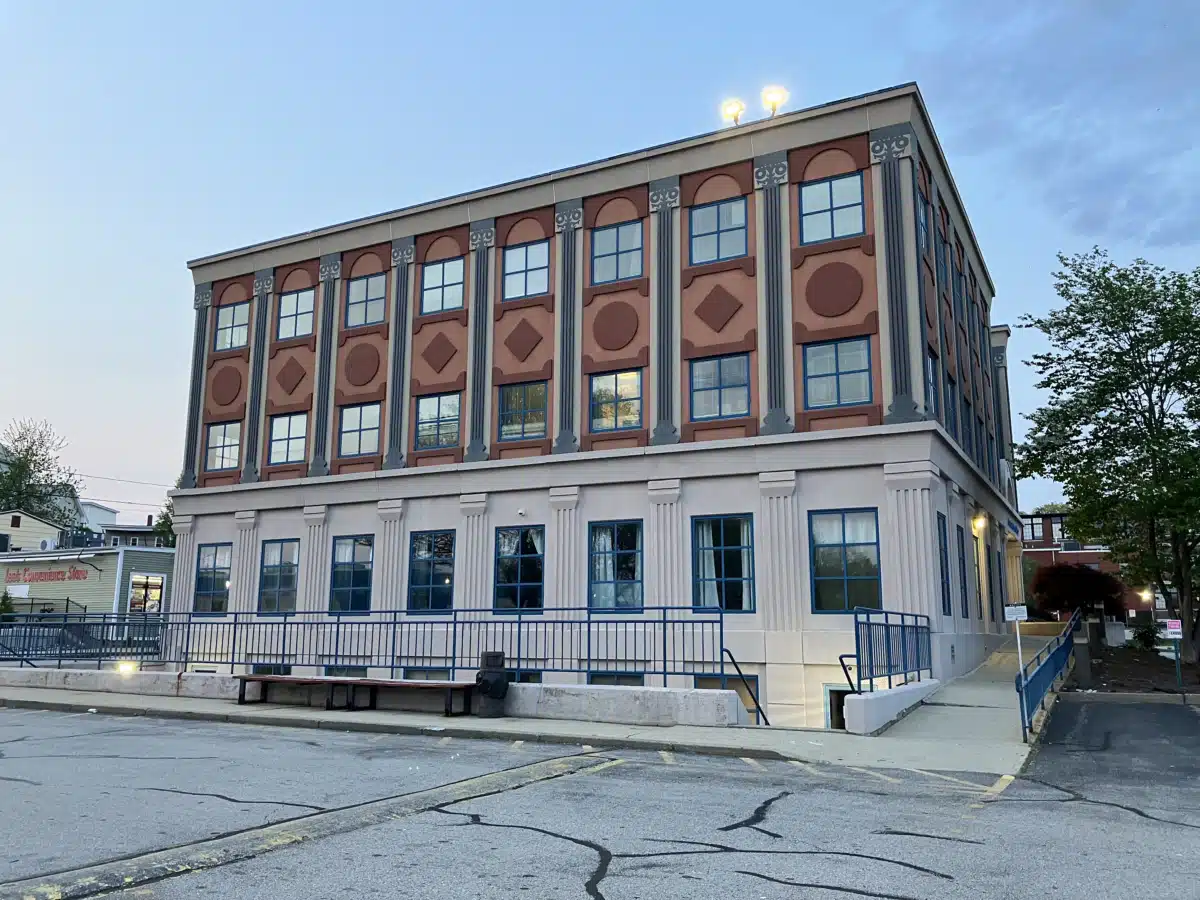
Wilson House
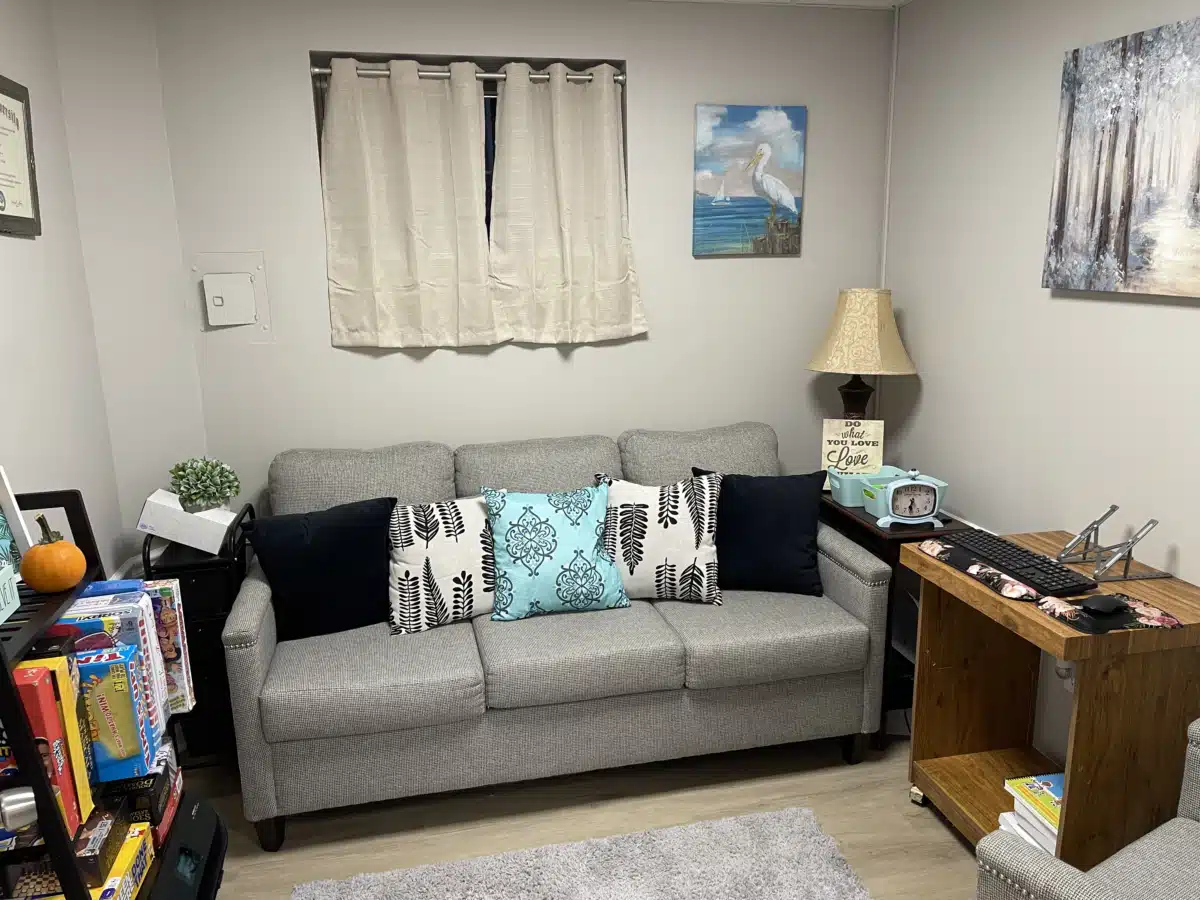

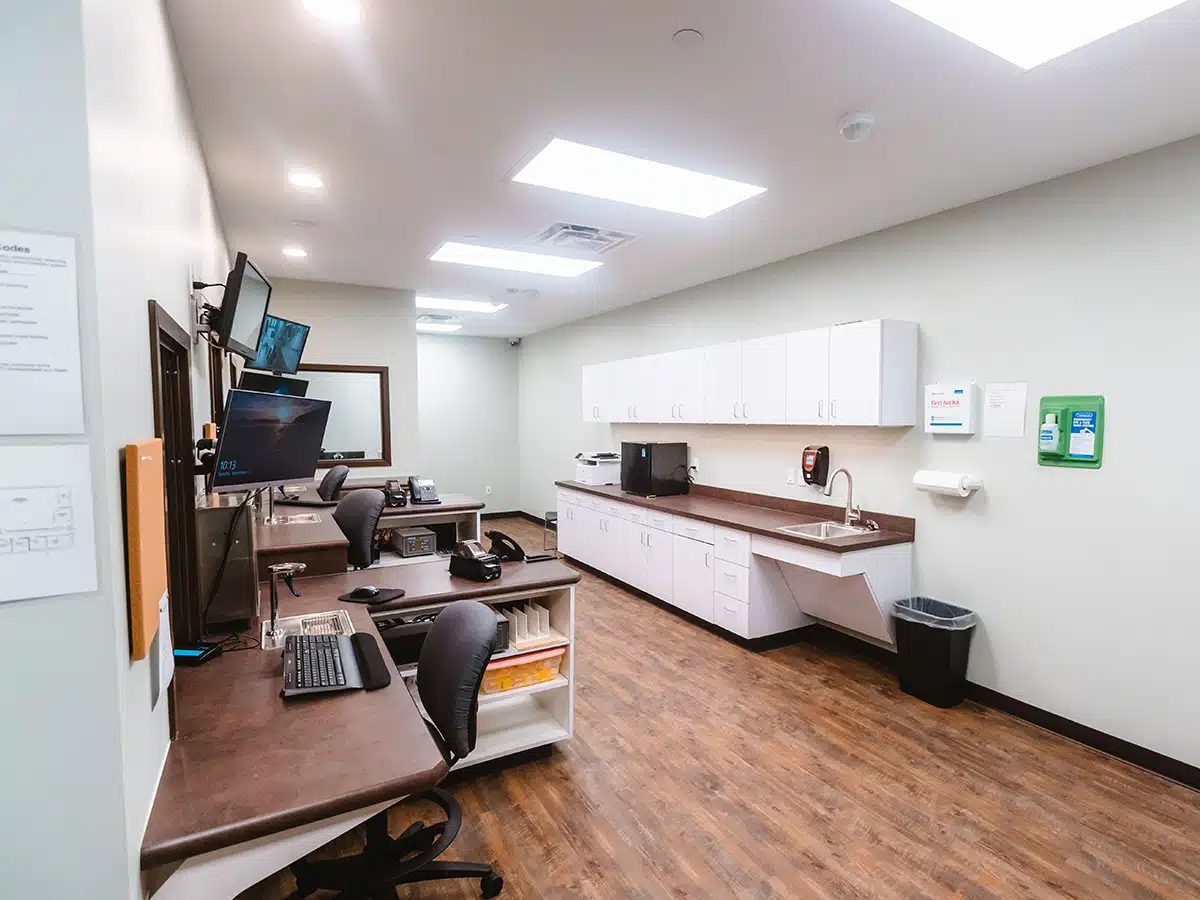
Community Support Services
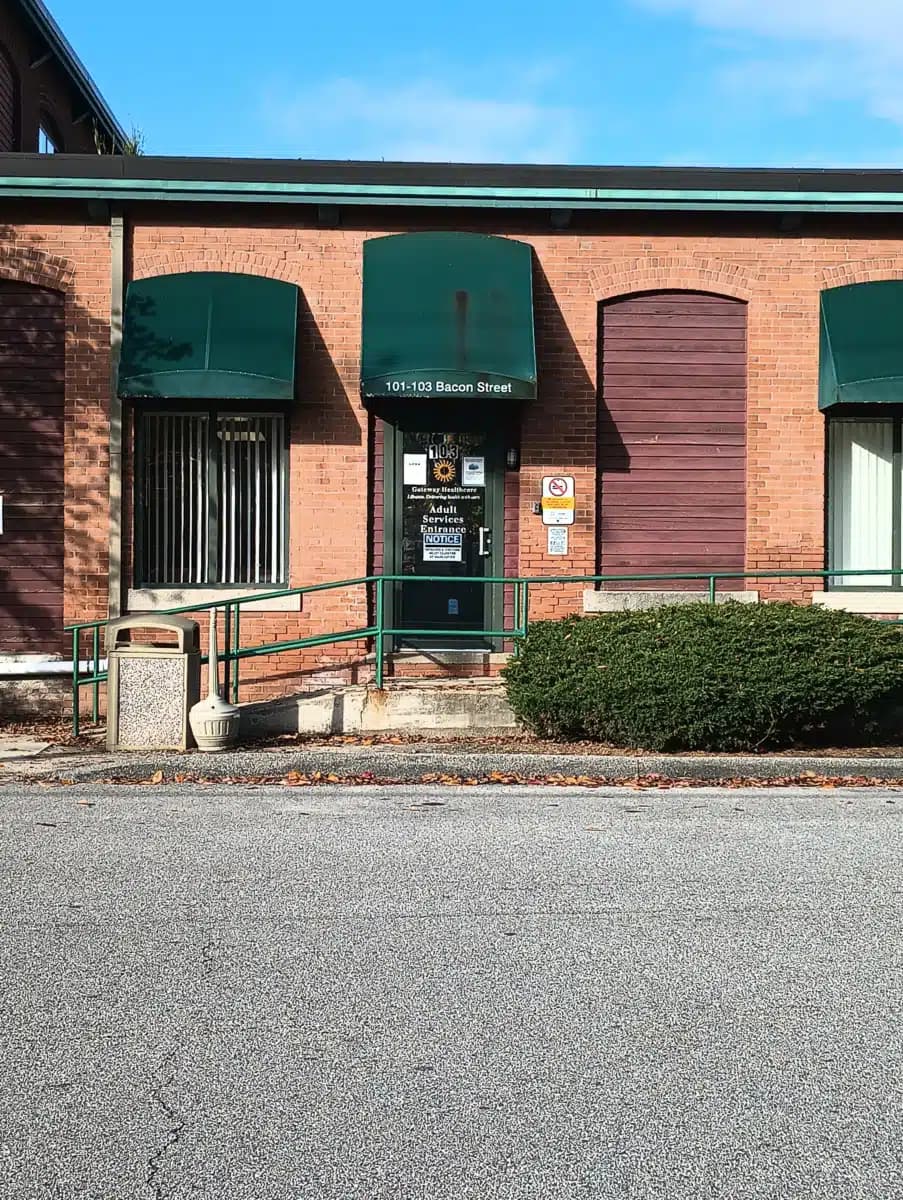
Central Street House
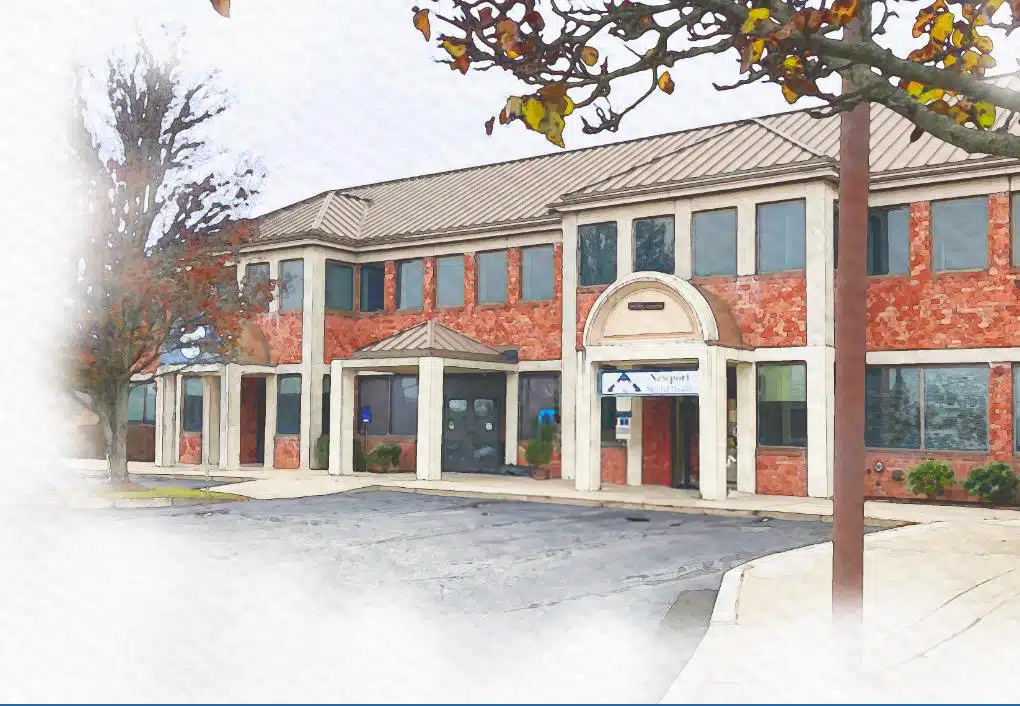

Roads to Recovery Program/Mens
Roads to Recovery Womens Program
CODAC South County
Substance Use Services
Treatment Highlights in Rhode Island
Popular Cities in Rhode Island
Providence
9 centers
Cranston
4 centers
Middletown
4 centers
Pawtucket
4 centers
Johnston
3 centers
Woonsocket
3 centers
East Providence
2 centers
Newport
2 centers
View all 18 cities in Rhode Island
Frequently Asked Questions About Treatment in Rhode Island
Sources
Medical Disclaimer
The information on this page is for educational purposes and is not a substitute for professional medical advice. If you or someone you know is experiencing a substance use crisis, call the SAMHSA National Helpline at 1-800-662-4357 (free, confidential, 24/7). For immediate danger, call 911 or the 988 Suicide & Crisis Lifeline by dialing 988.