
Drug & Alcohol Rehab Centers in Oregon
Oregon's addiction treatment landscape exists within one of the most dynamic drug policy environments in the United States. With roughly 400 licensed treatment facilities, the state provides services ranging from medical detoxification and residential treatment to intensive outpatient programs and telehealth-delivered recovery services. The Oregon Health Authority (OHA), Behavioral Health Division, oversees substance use disorder treatment licensing, funding, and quality standards. In 2020, Oregon voters passed Measure 110, making it the first state to decriminalize personal possession of small amounts of drugs — a landmark policy that was later partially reversed in 2024 as fentanyl devastated communities statewide.
Oregon faces a severe and evolving substance use crisis. In 2022, the state recorded approximately 1,100 drug overdose deaths, with fentanyl surpassing methamphetamine as the leading driver of drug fatalities for the first time. Meth has been Oregon's most persistent substance use challenge for decades, consistently ranking as the most common illicit drug in treatment admissions. The Portland metropolitan area has become a focal point for the national conversation on addiction and homelessness, with open-air drug markets and an unsheltered population that has drawn intense scrutiny to the state's treatment capacity and policy choices. Alcohol use disorder remains highly prevalent, particularly in rural communities and among Oregon's outdoor recreation culture.
Oregon's treatment infrastructure includes academic partnerships with Oregon Health & Science University (OHSU) in Portland, which operates a leading addiction medicine program, and Central City Concern, a nationally recognized nonprofit providing integrated health and housing services for people experiencing addiction and homelessness. Evidence-based modalities including medication-assisted treatment (MAT), cognitive behavioral therapy (CBT), dialectical behavior therapy (DBT), and motivational interviewing are core to Oregon's treatment programs, alongside harm reduction approaches that the state has embraced more fully than most.
Addiction Treatment Landscape in Oregon
Oregon's approach to substance use reflects a state that has historically prioritized progressive public health policy. The passage of Measure 110 in 2020 decriminalized personal possession of small quantities of drugs and redirected cannabis tax revenue to fund treatment services. However, implementation challenges — delays in standing up treatment infrastructure, difficulty connecting people to services through the new deflection model, and a concurrent explosion in fentanyl availability — led to widespread criticism and a legislative rollback in 2024 that recriminalized public drug use. OHA continues to distribute Measure 110 funding for treatment expansion while the state recalibrates its approach.
Key statistics:
- Approximately 1,100 drug overdose deaths in 2022 (Oregon Health Authority)
- Roughly 400 licensed substance use treatment facilities statewide (SAMHSA N-SSATS)
- Oregon has among the highest per-capita methamphetamine use rates in the nation
- Fentanyl-related deaths increased over 1,000% between 2018 and 2023
Methamphetamine has been Oregon's dominant illicit substance for over two decades, with use rates consistently among the highest nationally. The drug is deeply embedded in rural communities throughout eastern and southern Oregon, where limited employment, geographic isolation, and minimal treatment access compound the problem. Fentanyl arrived later than in many eastern states but has spread rapidly since 2020, particularly in Portland, where smoking fentanyl has become the primary route of administration.
The intersection of addiction and homelessness is nowhere more visible than in Portland, where an estimated 30-50% of the unsheltered population has a substance use disorder. Central City Concern, the Multnomah County Health Department, and OHSU's addiction medicine division work at the frontlines of this crisis. Oregon has also expanded harm reduction services including syringe exchange, naloxone distribution, and supervised consumption discussions — policy areas where the state continues to pioneer approaches that other states watch closely.
Types of Treatment Available in Oregon
Oregon offers all levels of addiction care recognized by the American Society of Addiction Medicine (ASAM), with a treatment culture that emphasizes harm reduction and meeting people where they are:
- Medical Detoxification: Hospital-based and standalone detox programs in Portland, Eugene, Salem, and Medford. OHSU in Portland operates a comprehensive addiction medicine detox service. Sobering centers provide short-term stabilization as an alternative to emergency departments.
- Residential Treatment: Programs range from 30-day to extended-stay options across the state. Central Oregon (Bend) and the Willamette Valley offer residential programs in natural settings. Portland has the highest concentration of residential beds, though demand significantly outstrips supply.
- Partial Hospitalization (PHP): Structured day programs providing intensive clinical treatment, primarily available in Portland, Eugene, and Salem metro areas through health system affiliates.
- Intensive Outpatient (IOP): Widely available 3-5 day per week programs that allow participants to maintain housing and employment. IOP is a critical bridge between residential care and independent recovery in Oregon's treatment continuum.
- Standard Outpatient: Weekly individual and group therapy for ongoing recovery, including specialized programming for dual-diagnosis, trauma, and culturally specific populations.
- Telehealth Services: Oregon has heavily invested in telehealth for behavioral health, essential for reaching rural communities east of the Cascades and along the southern coast where in-person providers are scarce.
Oregon strongly supports medication-assisted treatment (MAT), with OHSU's addiction medicine program training prescribers across the state. Harm reduction principles are more deeply integrated into Oregon's treatment philosophy than in most states. 12-step programs, SMART Recovery, and peer-delivered services through recovery mentor programs are widely available. Oregon also supports culturally specific treatment for Native American, Latino/a, and other communities.
Insurance & Oregon Health Plan (OHP) Coverage
Oregon's Medicaid program, the Oregon Health Plan (OHP), provides comprehensive coverage for substance use disorder treatment. Oregon expanded Medicaid under the ACA, and OHP covers adults earning up to 138% of the federal poverty level. Approximately 1.4 million Oregonians are enrolled in OHP, making it one of the most widely utilized Medicaid programs per capita in the nation. The state's innovative Coordinated Care Organization (CCO) model integrates physical, behavioral, and dental health under a single managed care structure.
- Outpatient substance use disorder treatment and counseling
- Intensive outpatient programs (IOP)
- Residential treatment (authorized through CCOs)
- Medically supervised detoxification and withdrawal management
- Medication-assisted treatment (MAT) including buprenorphine, naltrexone, and methadone
- Mental health services for co-occurring disorders
- Peer recovery support and recovery mentor services
- Harm reduction services including naloxone
OHP is delivered through 16 regional Coordinated Care Organizations (CCOs) that manage benefits locally. Private insurance in Oregon must comply with the federal Mental Health Parity and Addiction Equity Act (MHPAEA). Major insurers including Regence BlueCross BlueShield, Cigna, UnitedHealthcare, Providence Health Plan, and Moda Health operate in the state.
Measure 110 funding has added an additional layer of treatment resources, supporting the expansion of Behavioral Health Resource Networks (BHRNs) in every county. For uninsured individuals not yet enrolled in OHP, these networks and SAMHSA's National Helpline (1-800-662-4357) provide pathways to care regardless of insurance or immigration status.
Want us to find the perfect facility for you?
Call now - it's completely free!
Showing 20 of 182 results
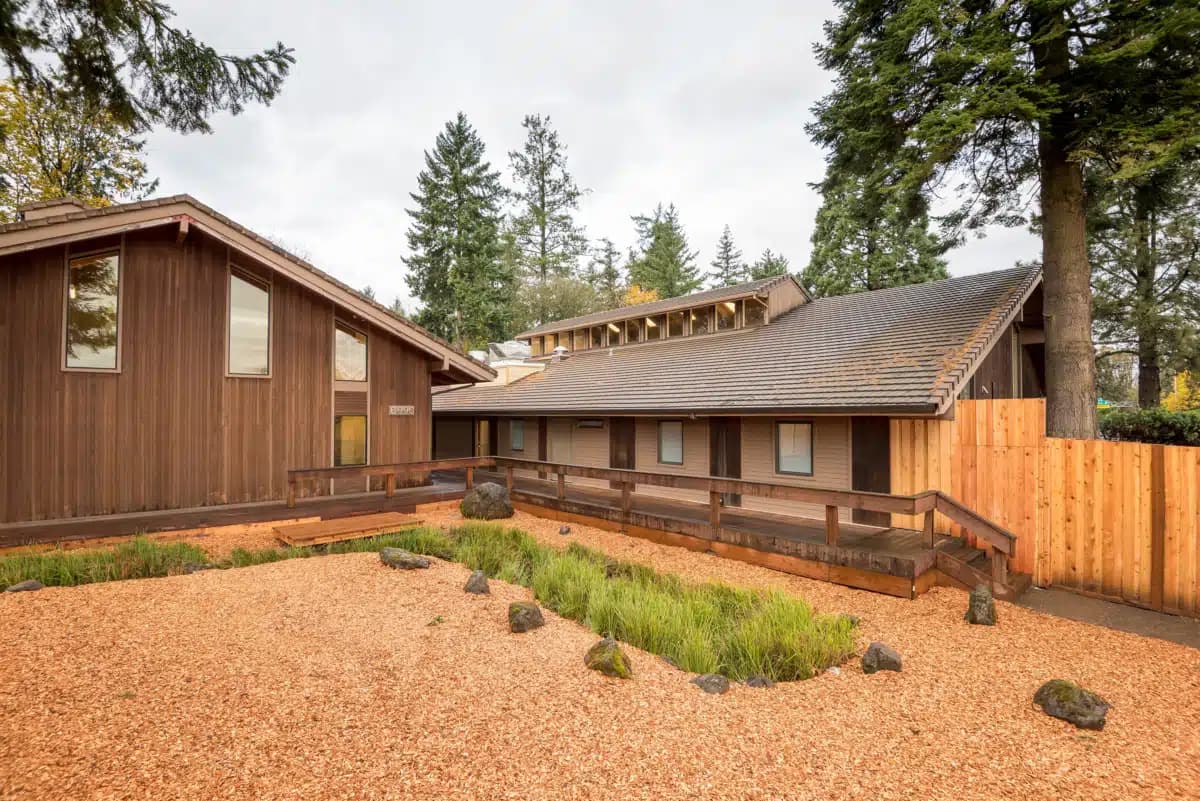

CRC Health Oregon LLC
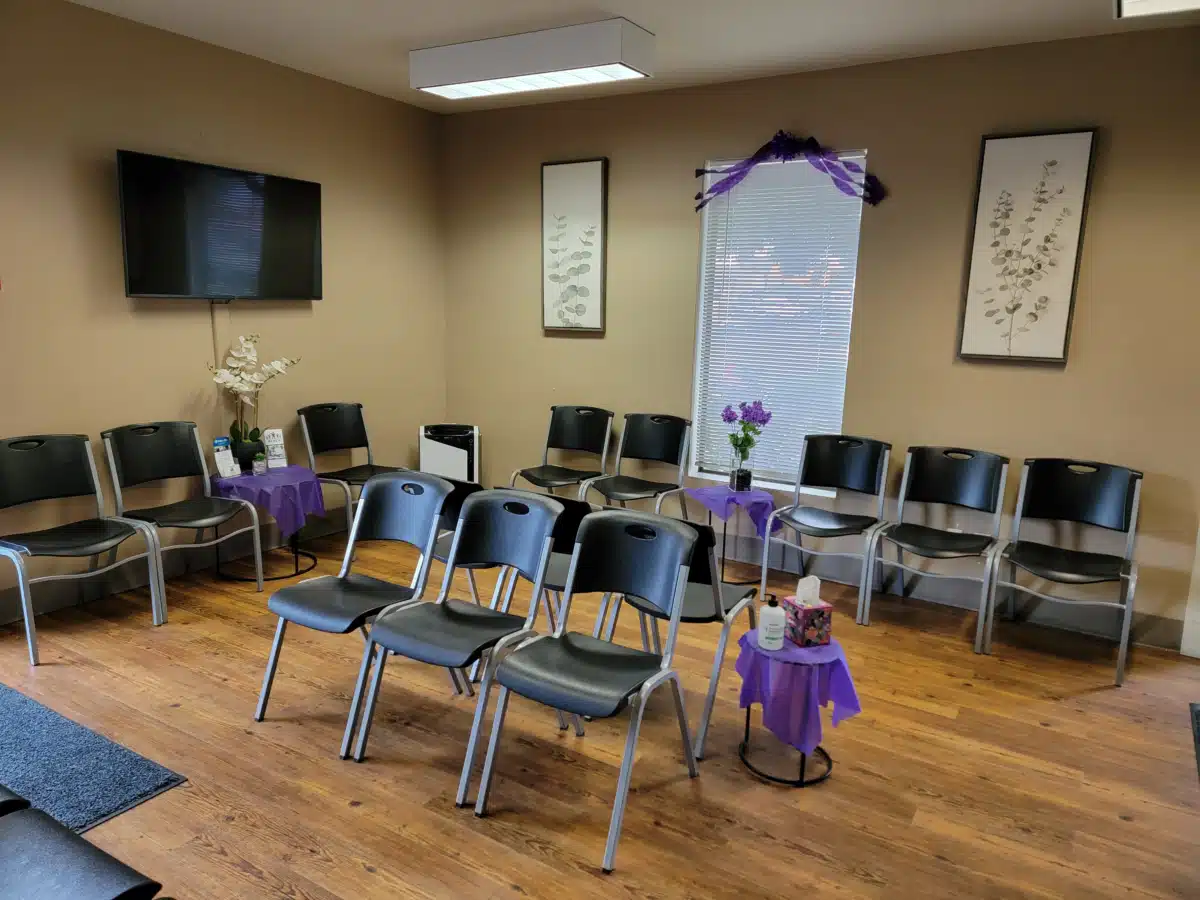
DBA Medford Treatment Center

Association of the Northwest Inc

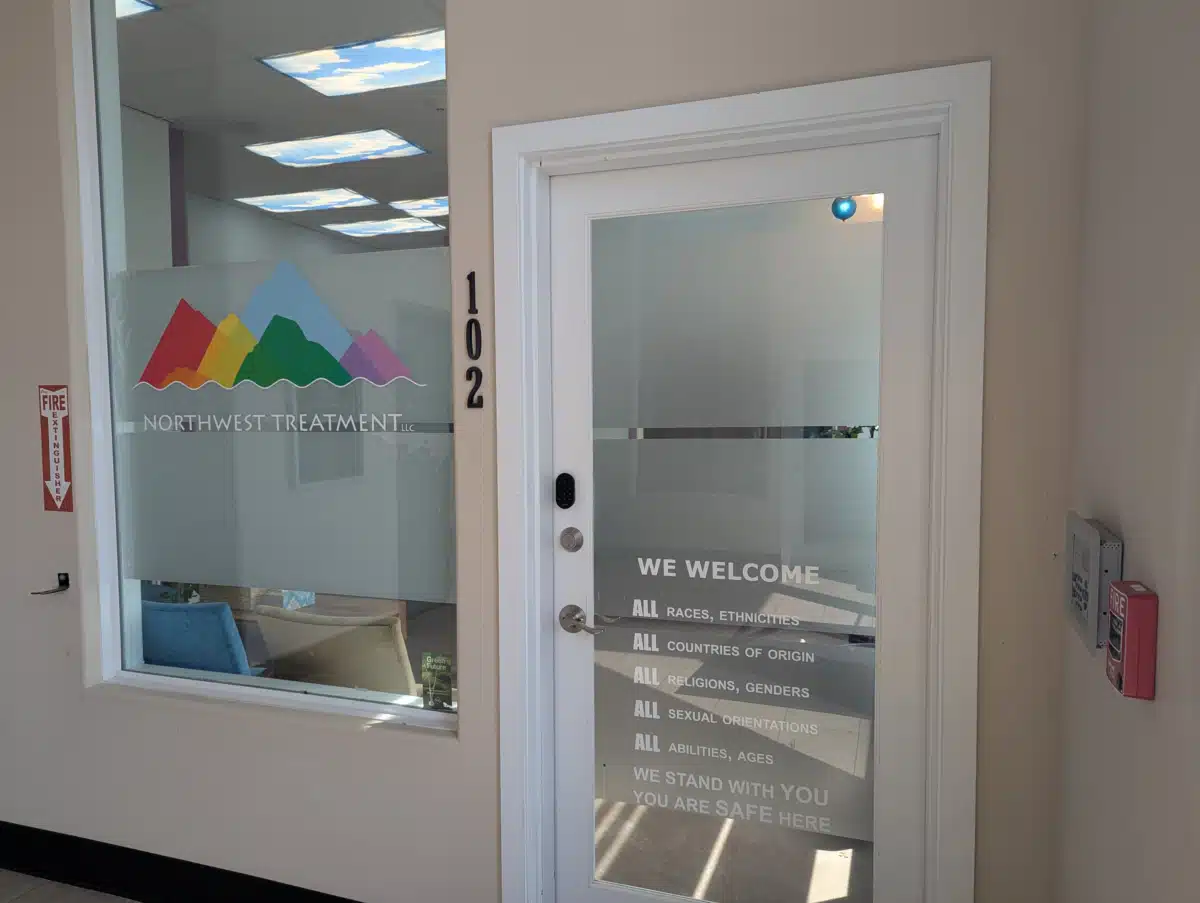
DBA Pendleton Treatment Center
DBA Springfield Treatment Center
Addiction Treatment Services Woodburn
DBA Bend Treatment Center

Fam Recov Prog/Womens Residential
Mahad Hassan
Addiction Treatment Services
Outpatient Program
DBA Grants Pass Treatment Center
Treatment Highlights in Oregon
Popular Cities in Oregon
Portland
41 centers
Eugene
13 centers
Medford
9 centers
Roseburg
9 centers
Pendleton
6 centers
Salem
6 centers
Beaverton
5 centers
Grants Pass
5 centers
View all 63 cities in Oregon
Frequently Asked Questions About Treatment in Oregon
Sources
Medical Disclaimer
The information on this page is for educational purposes and is not a substitute for professional medical advice. If you or someone you know is experiencing a substance use crisis, call the SAMHSA National Helpline at 1-800-662-4357 (free, confidential, 24/7). For immediate danger, call 911 or the 988 Suicide & Crisis Lifeline by dialing 988.