
Drug & Alcohol Rehab Centers in North Dakota
North Dakota's addiction treatment system serves a vast northern Plains state where oil boom economics, harsh climate, and sparse population create a distinctive substance use landscape. With approximately 80 licensed treatment facilities, the state provides services from medical detoxification and residential treatment to intensive outpatient programs and telehealth-based recovery support. The North Dakota Department of Human Services (DHS), Behavioral Health Division (BHD), licenses treatment programs, distributes state and federal funding, and coordinates behavioral health services across a state where population centers are separated by hours of open prairie.
Methamphetamine and alcohol are North Dakota's primary substance use challenges. Meth has become the dominant illicit drug in treatment admissions, fueled in part by cartel supply routes and the isolation of rural communities. Alcohol use disorder is deeply embedded in North Dakota's culture, with the state consistently ranking among the highest nationally for binge drinking and per-capita alcohol consumption. The Bakken oil boom brought an influx of transient workers to western North Dakota, creating elevated substance use patterns — particularly alcohol, meth, and opioid misuse — in communities like Williston and Dickinson that lacked the behavioral health infrastructure to respond.
North Dakota expanded Medicaid under the Affordable Care Act, which has been critical for treatment access in a state with thin private insurance markets. The state's five Native American reservations — Fort Berthold (MHA Nation), Standing Rock, Spirit Lake, Turtle Mountain, and Sisseton-Wahpeton — operate tribal behavioral health programs addressing disproportionately high substance use rates. Evidence-based treatment including medication-assisted treatment (MAT), cognitive behavioral therapy (CBT), and 12-step facilitation is available in Fargo, Bismarck, and other population centers, with telehealth expanding reach to isolated communities.
Addiction Treatment Landscape in North Dakota
North Dakota's substance use crisis reflects the unique pressures of a rural, resource-extraction economy. DHS Behavioral Health Division administers state and federal Substance Abuse Prevention and Treatment (SAPT) Block Grant funding through regional human service centers that provide behavioral health services across the state's 53 counties.
Key statistics:
- Approximately 130 drug overdose deaths in 2022 (North Dakota Department of Health)
- Roughly 80 licensed substance use treatment facilities statewide (SAMHSA N-SSATS)
- North Dakota ranks among the top 5 states nationally for binge drinking rates
- Methamphetamine is the most common illicit drug in treatment admissions statewide
The Bakken oil boom, centered in Williams and McKenzie counties in northwestern North Dakota, created a substance use crisis within a crisis. The rapid influx of workers — many young men living in temporary housing far from families — generated elevated rates of alcohol abuse, meth use, and opioid misuse. Communities like Williston grew faster than their behavioral health infrastructure could accommodate, creating treatment access gaps that persist even as the boom has moderated.
North Dakota's eight regional human service centers serve as the backbone of the public behavioral health system, providing substance use disorder treatment, mental health services, and developmental disability support in every region of the state. Native American communities face substance use disorder rates significantly higher than the state average. The MHA Nation (Fort Berthold), located in the heart of the Bakken, has been impacted by both historical trauma and the destabilizing effects of the oil boom. Tribal programs integrating traditional practices with evidence-based clinical care are an essential component of North Dakota's treatment landscape.
Types of Treatment Available in North Dakota
North Dakota offers addiction treatment across the levels of care recognized by the American Society of Addiction Medicine (ASAM), though availability is concentrated in the state's larger cities:
- Medical Detoxification: Hospital-based detox programs are available in Fargo, Bismarck, Grand Forks, and Minot. The Prairie St. John's facility in Fargo is one of the state's most comprehensive behavioral health providers offering medically managed withdrawal.
- Residential Treatment: Programs ranging from 28 to 90 days operate in Fargo, Bismarck, and other communities. The state operates the State Hospital in Jamestown, which provides residential behavioral health services including substance use disorder treatment.
- Partial Hospitalization (PHP): Structured day treatment programs are available in Fargo and Bismarck, with limited options in smaller communities.
- Intensive Outpatient (IOP): Programs meeting 3-5 days per week are available through regional human service centers and private providers in Fargo, Bismarck, Grand Forks, Minot, and Williston.
- Standard Outpatient: Weekly individual and group therapy available through regional human service centers statewide, providing the broadest geographic coverage of any treatment level.
- Telehealth Services: North Dakota has invested in telehealth to serve communities where no in-person behavioral health provider exists, enabling virtual counseling and MAT management for residents in the most remote areas.
Medication-assisted treatment (MAT) with buprenorphine and naltrexone is available in North Dakota's larger communities, though access is limited in western and rural parts of the state. Methadone access is restricted to a small number of opioid treatment programs. 12-step programs, faith-based recovery, peer support services, and culturally specific tribal programs complement clinical treatment. North Dakota's drug court system provides court-supervised treatment as an alternative to incarceration for eligible offenders.
Insurance & North Dakota Medicaid Coverage
North Dakota Medicaid provides coverage for substance use disorder treatment services. North Dakota expanded Medicaid under the Affordable Care Act, covering adults earning up to 138% of the federal poverty level. The expansion has been particularly important in a state with thin private insurance markets and a large population of workers in resource-extraction industries who may lack employer-sponsored coverage.
- Outpatient substance use disorder treatment and counseling
- Intensive outpatient programs (IOP)
- Residential treatment (with prior authorization)
- Medically supervised detoxification and withdrawal management
- Medication-assisted treatment (MAT) including buprenorphine and naltrexone
- Mental health services for co-occurring disorders
- Peer support services
North Dakota Medicaid is administered through managed care with Sanford Health Plan serving as a significant managed care entity. The state's regional human service centers accept Medicaid and provide sliding-fee services for uninsured individuals.
Private insurance plans in North Dakota must comply with the federal Mental Health Parity and Addiction Equity Act (MHPAEA). Major insurers including Blue Cross Blue Shield of North Dakota, UnitedHealthcare, Sanford Health Plan, and Medica operate in the state. For uninsured individuals, DHS funds treatment through regional human service centers and contracted providers using state and federal block grants. Indian Health Service (IHS) facilities serve enrolled tribal members. SAMHSA's National Helpline (1-800-662-4357) offers free referrals regardless of insurance status.
Want us to find the perfect facility for you?
Call now - it's completely free!
Showing 20 of 61 results
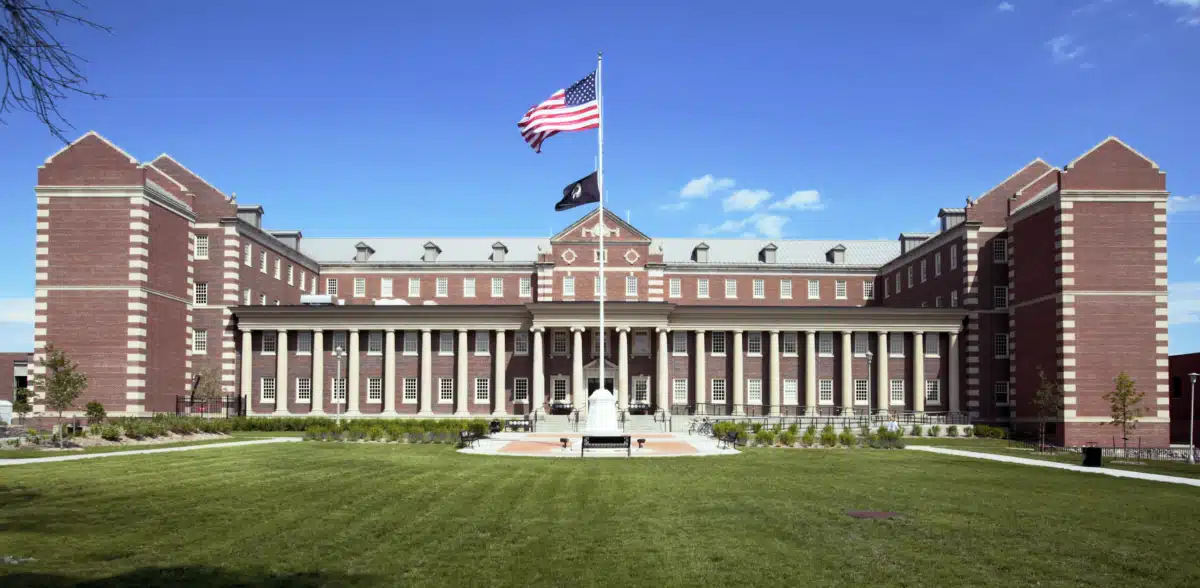
Substance Abuse Treatment Program
Cando

Lives Transformed ND
23rd Street
Lives Transformed ND


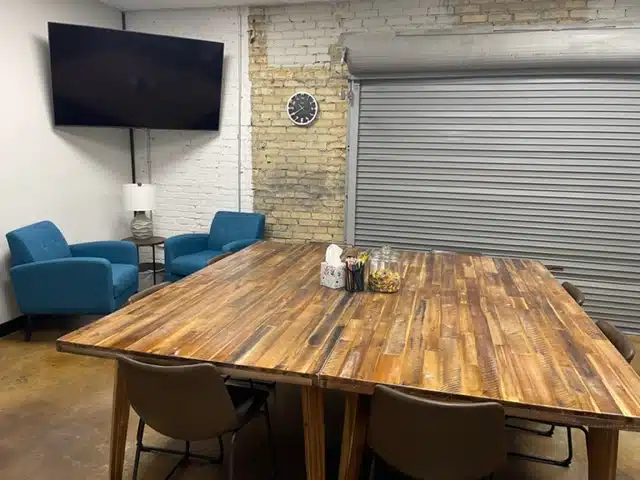

Children
Withdrawal Management Center
Counseling and Consulting Services
Drug Abuse Service Inc
Lives Transformed ND
Treatment Highlights in North Dakota
Popular Cities in North Dakota
Bismarck
13 centers
Fargo
13 centers
Grand Forks
7 centers
Minot
5 centers
Williston
5 centers
Devils Lake
4 centers
Dickinson
2 centers
Jamestown
2 centers
View all 17 cities in North Dakota
Frequently Asked Questions About Treatment in North Dakota
Sources
Medical Disclaimer
The information on this page is for educational purposes and is not a substitute for professional medical advice. If you or someone you know is experiencing a substance use crisis, call the SAMHSA National Helpline at 1-800-662-4357 (free, confidential, 24/7). For immediate danger, call 911 or the 988 Suicide & Crisis Lifeline by dialing 988.