
Drug & Alcohol Rehab Centers in Nebraska
Nebraska's addiction treatment system serves a sprawling state where vast agricultural landscapes and small-town communities define the geography of recovery. With roughly 200 licensed treatment facilities, the state provides services from medical detoxification and residential treatment to intensive outpatient programs and telehealth-delivered counseling. The Nebraska Department of Health and Human Services, Division of Behavioral Health (DBHR), licenses and oversees substance use disorder treatment programs statewide, administering state and federal funding through six behavioral health regions that coordinate services across all 93 counties.
Methamphetamine is the dominant illicit drug threat in Nebraska, driving more treatment admissions than any other substance except alcohol. The drug has penetrated communities from Omaha to the most remote Sandhills ranching towns, fueled by cartel distribution networks moving product along Interstate 80 and through smaller highways. Opioid use disorder is a growing concern, with fentanyl increasingly present in the drug supply and contributing to rising overdose deaths. Alcohol use disorder remains the most common substance use disorder in Nebraska, deeply embedded in the state's agricultural culture, where isolation, seasonal stress, and limited social outlets contribute to high rates of heavy and binge drinking.
Nebraska's treatment infrastructure benefits from strong telehealth adoption, a critical advantage in a state where the nearest in-person provider may be hours away. The University of Nebraska Medical Center (UNMC) in Omaha operates addiction medicine and psychiatry programs. Nebraska expanded Medicaid in 2020 after voters approved a ballot initiative, with Heritage Health managed care plans providing comprehensive substance use disorder coverage. Evidence-based modalities including medication-assisted treatment (MAT), cognitive behavioral therapy (CBT), motivational interviewing, and 12-step facilitation are available through behavioral health regions, community providers, and a growing telehealth network.
Addiction Treatment Landscape in Nebraska
Nebraska's treatment system is organized through six behavioral health regions that coordinate substance use disorder services across the state's vast geography. DBHR allocates state and federal funding to these regions, which contract with local providers to deliver treatment, prevention, and recovery support services. This regional model ensures administrative coverage of all 93 counties, though actual provider availability varies enormously between the Omaha-Lincoln corridor and western Nebraska.
Key statistics:
- Approximately 300 drug overdose deaths in 2022 (Nebraska DHHS)
- Roughly 200 licensed substance use treatment facilities statewide (SAMHSA N-SSATS)
- Methamphetamine is the primary illicit drug driving treatment admissions in Nebraska
- Medicaid expansion in 2020 (Heritage Health) added over 90,000 adults to coverage
The methamphetamine crisis in Nebraska is a defining challenge. Interstate 80 serves as a major drug trafficking corridor, and high-purity meth from Mexican cartels has become widely available in both urban and rural communities. The drug's impact on agricultural areas is particularly severe — farm and ranch families face compounding stressors of economic uncertainty, geographic isolation, and cultural reluctance to seek help. Fentanyl has emerged as a growing threat, with synthetic opioids increasingly detected in Nebraska's drug supply and contributing to a rising share of overdose fatalities.
Nebraska's 2020 Medicaid expansion was a watershed moment for addiction treatment access. Heritage Health managed care plans — administered by three MCOs — now cover over 90,000 previously uninsured adults, many of whom have substance use disorders. The state has also invested heavily in telehealth infrastructure, recognizing that in-person treatment is simply inaccessible for many Nebraskans in western and central parts of the state. UNMC's behavioral telehealth programs have become a national model for delivering addiction services to rural populations.
Types of Treatment Available in Nebraska
Nebraska offers addiction treatment across the levels of care defined by the American Society of Addiction Medicine (ASAM), with a strong emphasis on telehealth to bridge rural access gaps:
- Medical Detoxification: Hospital-based detox programs are available in Omaha, Lincoln, and Grand Island. UNMC in Omaha provides comprehensive withdrawal management services. Rural communities rely on local hospital emergency departments with telehealth consultation for acute withdrawal management.
- Residential Treatment: Programs ranging from 30 to 90 days are concentrated in the Omaha and Lincoln metro areas, with some programs in Grand Island and other regional centers. CenterPointe and other established Nebraska providers operate residential programs serving adults and adolescents.
- Partial Hospitalization (PHP): Structured day treatment programs providing intensive clinical services, primarily available in Omaha and Lincoln through health system affiliates and specialty behavioral health providers.
- Intensive Outpatient (IOP): Programs meeting 3-5 days per week are available through behavioral health region providers, private clinics, and hospital-based programs in communities across the state. IOP is increasingly offered via telehealth for rural participants.
- Standard Outpatient: Weekly individual and group therapy for ongoing recovery support, available through behavioral health region providers and community agencies statewide.
- Telehealth Services: Nebraska is a national leader in behavioral health telehealth. UNMC and community providers deliver virtual counseling, MAT management, and group therapy to patients in remote areas where in-person treatment is hours away.
Medication-assisted treatment (MAT) with buprenorphine, naltrexone, and methadone is available in Nebraska, though methadone access is limited to a small number of opioid treatment programs in urban areas. Telehealth has been instrumental in expanding buprenorphine prescribing to rural communities. 12-step programs, SMART Recovery, faith-based recovery programs, and peer support services complement clinical treatment across the state.
Insurance & Heritage Health (Medicaid) Coverage in Nebraska
Nebraska expanded Medicaid in 2020 following voter approval of a 2018 ballot initiative. The state's Medicaid managed care program, Heritage Health, now covers adults earning up to 138% of the federal poverty level through three managed care organizations. This expansion added over 90,000 previously uninsured adults to coverage, dramatically improving access to substance use disorder treatment for Nebraska's most vulnerable residents.
- Outpatient substance use disorder treatment and counseling
- Intensive outpatient programs (IOP)
- Residential treatment (with prior authorization)
- Medically supervised detoxification and withdrawal management
- Medication-assisted treatment (MAT) including buprenorphine, naltrexone, and methadone
- Mental health services for co-occurring disorders
- Peer recovery support services
- Telehealth-delivered treatment services
Heritage Health is administered through three managed care organizations: Nebraska Total Care (Centene), UnitedHealthcare Community Plan, and Healthy Blue (Anthem). Each MCO manages substance use disorder benefits and maintains provider networks across the state. Behavioral health regions supplement Medicaid by providing services on sliding-fee scales for individuals who remain uninsured or underinsured.
Private insurance in Nebraska must comply with the federal Mental Health Parity and Addiction Equity Act (MHPAEA). Major insurers including Blue Cross Blue Shield of Nebraska, UnitedHealthcare, Aetna, and Medica operate in the state. SAMHSA's National Helpline (1-800-662-4357) provides free referrals for anyone seeking treatment regardless of insurance status.
Want us to find the perfect facility for you?
Call now - it's completely free!
Showing 20 of 97 results
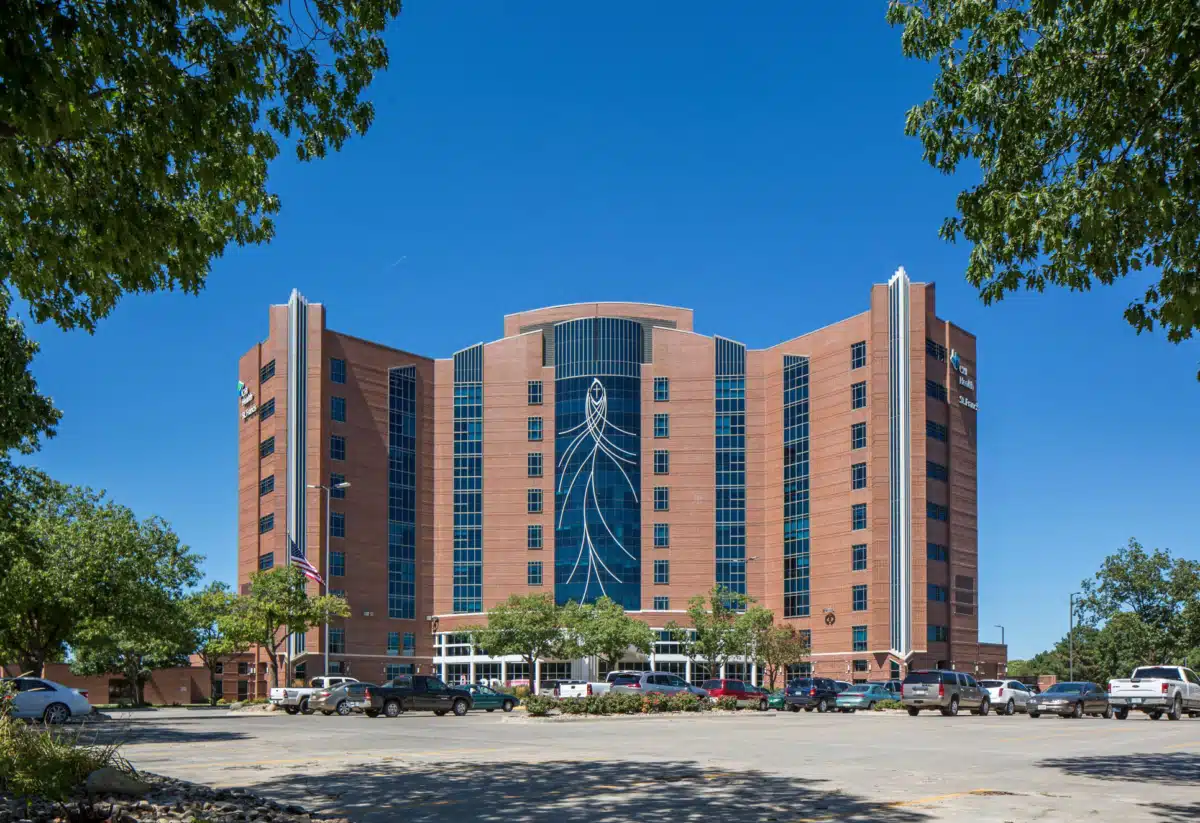
Saint Francis Alc and Drug Trt Center

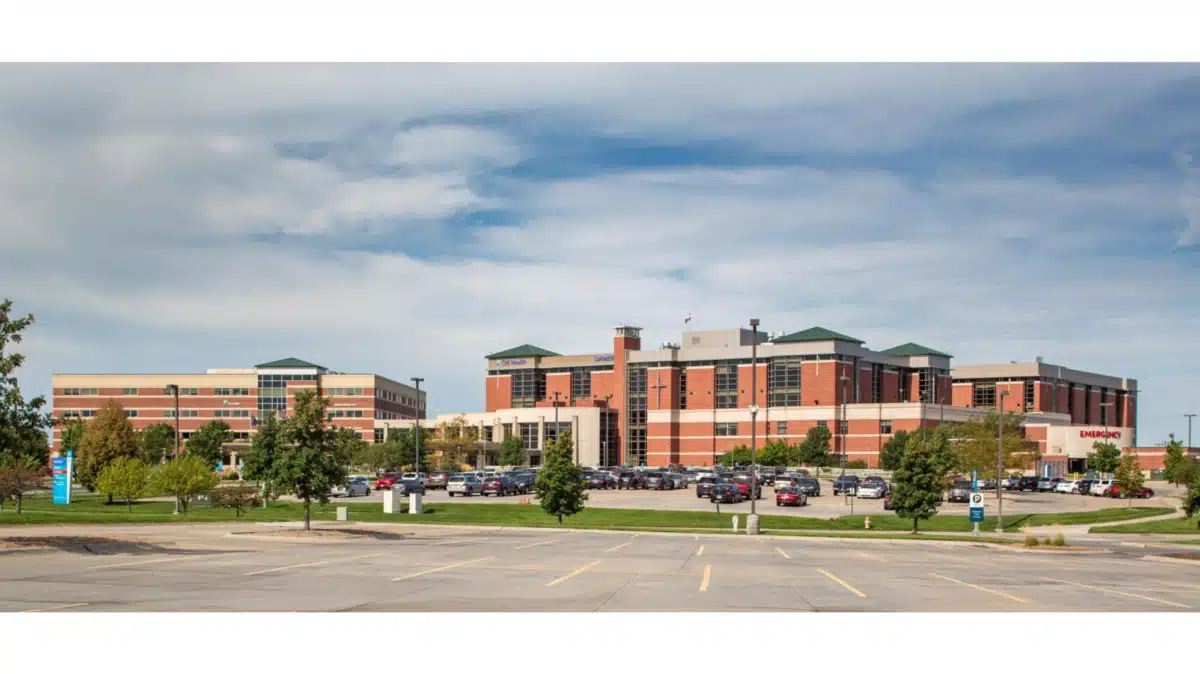

Independence Center

Campus for Hope

York Office
Campus for Health and WellBeing
Adult Long Term Residential Program

Wahoo Office
Mental Health Center
Treatment Highlights in Nebraska
Popular Cities in Nebraska
Omaha
21 centers
Lincoln
20 centers
Norfolk
9 centers
Grand Island
5 centers
North Platte
5 centers
Columbus
4 centers
Fremont
3 centers
Beatrice
2 centers
View all 31 cities in Nebraska
Frequently Asked Questions About Treatment in Nebraska
Sources
Medical Disclaimer
The information on this page is for educational purposes and is not a substitute for professional medical advice. If you or someone you know is experiencing a substance use crisis, call the SAMHSA National Helpline at 1-800-662-4357 (free, confidential, 24/7). For immediate danger, call 911 or the 988 Suicide & Crisis Lifeline by dialing 988.