
Drug & Alcohol Rehab Centers in Missouri
Missouri's addiction treatment system serves a population facing some of the nation's most pressing substance use challenges. With roughly 500 licensed treatment facilities, the state provides a range of services from medical detoxification and residential treatment to intensive outpatient programs and telehealth-based recovery support. The Missouri Department of Mental Health (DMH), Division of Behavioral Health, oversees substance use disorder treatment licensing, funding, and quality standards across all 114 counties and the independent city of St. Louis.
In 2022, Missouri recorded approximately 2,200 drug overdose deaths, with synthetic opioids — primarily fentanyl — responsible for the majority of fatalities. The St. Louis region has consistently ranked among the hardest-hit metropolitan areas in the country for opioid-related mortality. At the same time, Missouri faces one of the highest rates of methamphetamine use nationally, with meth-involved treatment admissions exceeding those for any other substance in many rural counties. Alcohol use disorder remains the most common overall reason for seeking treatment statewide.
Missouri's treatment infrastructure benefits from academic partnerships with Washington University School of Medicine in St. Louis and Saint Louis University (SLU), both of which operate addiction medicine programs and conduct nationally recognized research. The state also has a strong tradition of faith-based recovery programs, particularly in rural and southern Missouri communities. Evidence-based treatments including cognitive behavioral therapy (CBT), medication-assisted treatment (MAT), and dialectical behavior therapy (DBT) are widely available across Missouri's urban treatment centers, while 12-step programs and peer-support models remain foundational to the recovery community throughout the state.
Addiction Treatment Landscape in Missouri
Missouri's substance use crisis is shaped by two dominant forces: a methamphetamine epidemic that has persisted for over two decades and a rapidly escalating opioid crisis fueled by illicit fentanyl. The DMH Division of Behavioral Health administers state and federal funding for prevention, treatment, and recovery services, coordinating with 26 Certified Community Behavioral Health Clinics (CCBHCs) and hundreds of licensed providers.
Key statistics:
- Approximately 2,200 drug overdose deaths in 2022 (Missouri DHSS)
- Roughly 500 licensed substance use treatment facilities statewide (SAMHSA N-SSATS)
- Missouri ranks among the top states nationally for methamphetamine use rates
- St. Louis City has one of the highest per-capita opioid death rates among major U.S. cities
The opioid crisis in Missouri is heavily concentrated in the St. Louis metropolitan area, where fentanyl-laced heroin and counterfeit pills have driven a sharp rise in emergency department visits and fatalities. Rural Missouri faces compounding challenges: long distances to treatment facilities, limited public transportation, provider shortages, and persistent methamphetamine manufacturing and use. The state's central geographic location along major interstate corridors (I-70, I-44, I-55) has made it a transit point for drug trafficking.
Missouri has responded with expanded naloxone distribution, the development of regional treatment hubs, and increased investment in co-occurring disorder treatment. The state's Prescription Drug Monitoring Program (PDMP), established in 2017 after years of legislative debate, now helps providers identify patients at risk of opioid misuse. Faith-based and community recovery organizations supplement clinical treatment across much of rural Missouri.
Types of Treatment Available in Missouri
Missouri provides addiction treatment across all levels of care defined by the American Society of Addiction Medicine (ASAM):
- Medical Detoxification: Hospital-based and standalone detox programs are available in St. Louis, Kansas City, Springfield, and Columbia. Medically supervised withdrawal management addresses opioid, alcohol, and benzodiazepine dependence.
- Residential Treatment: Missouri offers 30-day to 90+ day residential programs in both urban and rural settings. Programs range from clinical evidence-based centers to faith-based long-term recovery homes.
- Partial Hospitalization (PHP): Day programs providing 5-7 days per week of structured clinical treatment, most commonly available in the St. Louis and Kansas City metro areas.
- Intensive Outpatient (IOP): Flexible programs meeting 3-5 days per week that allow individuals to maintain employment and family responsibilities while receiving comprehensive treatment.
- Standard Outpatient: Weekly therapy sessions including individual counseling, group therapy, and family programs for ongoing recovery maintenance.
- Telehealth Services: Virtual treatment options have expanded significantly in Missouri, helping bridge the gap for rural communities with limited in-person access to addiction specialists.
Missouri's treatment programs frequently incorporate medication-assisted treatment (MAT) using buprenorphine, naltrexone, and methadone for opioid use disorder. Washington University's addiction research programs have contributed to evidence-based practices adopted statewide. 12-step facilitation, SMART Recovery, and faith-based recovery models like Celebrate Recovery are widely available across the state.
Insurance & MO HealthNet Coverage in Missouri
Missouri's Medicaid program, MO HealthNet, provides coverage for substance use disorder treatment services. Following a voter-approved ballot initiative in 2020, Missouri expanded Medicaid under the Affordable Care Act in 2021, extending eligibility to adults earning up to 138% of the federal poverty level. This expansion brought coverage to an estimated 275,000 additional Missourians, many of whom now have access to addiction treatment for the first time.
- Outpatient substance use disorder treatment
- Intensive outpatient programs (IOP)
- Residential treatment (with prior authorization)
- Medically supervised detoxification
- Medication-assisted treatment (MAT) including buprenorphine and methadone
- Mental health services for co-occurring disorders
- Peer support specialist services
- Crisis intervention services
Private insurance plans in Missouri are subject to the federal Mental Health Parity and Addiction Equity Act (MHPAEA), requiring equivalent coverage for substance use disorder treatment and medical/surgical benefits. Major insurers including Blue Cross Blue Shield of Kansas City, Aetna, Cigna, and UnitedHealthcare operate in the Missouri marketplace.
For uninsured or underinsured individuals, Missouri's DMH Division of Behavioral Health funds treatment through state-contracted providers and federal block grants. The Access Crisis Intervention (ACI) system provides 24/7 crisis services in every county. SAMHSA's National Helpline (1-800-662-4357) offers free referrals to local treatment providers and support groups.
Want us to find the perfect facility for you?
Call now - it's completely free!
Showing 20 of 226 results

Main Office
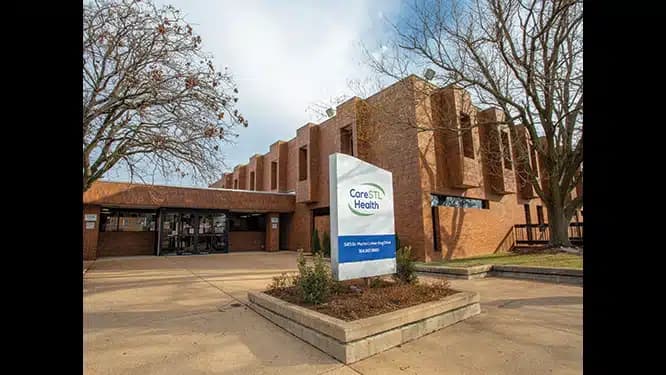
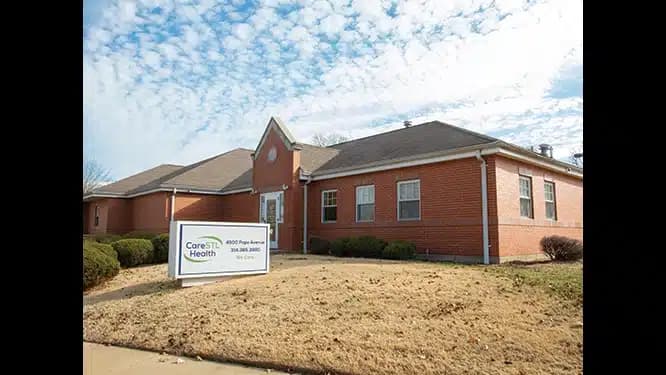
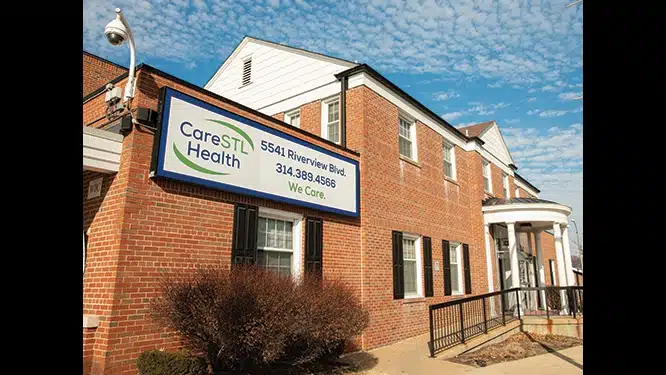
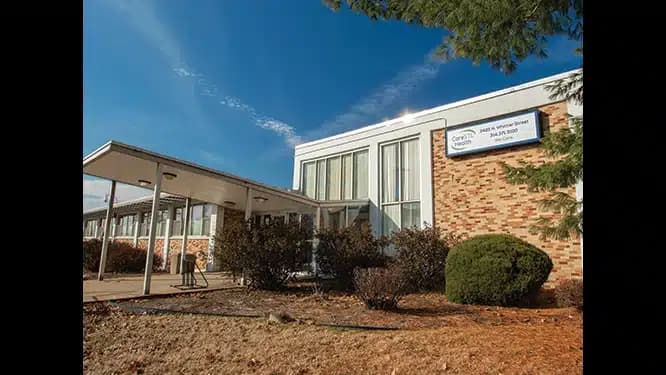
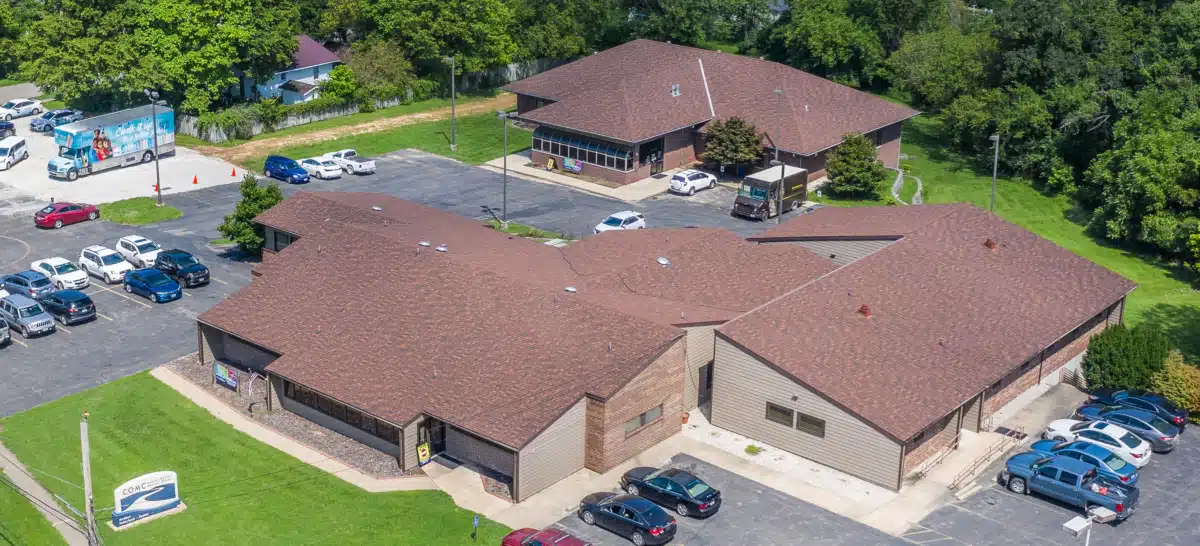
COMC Camdenton Facility
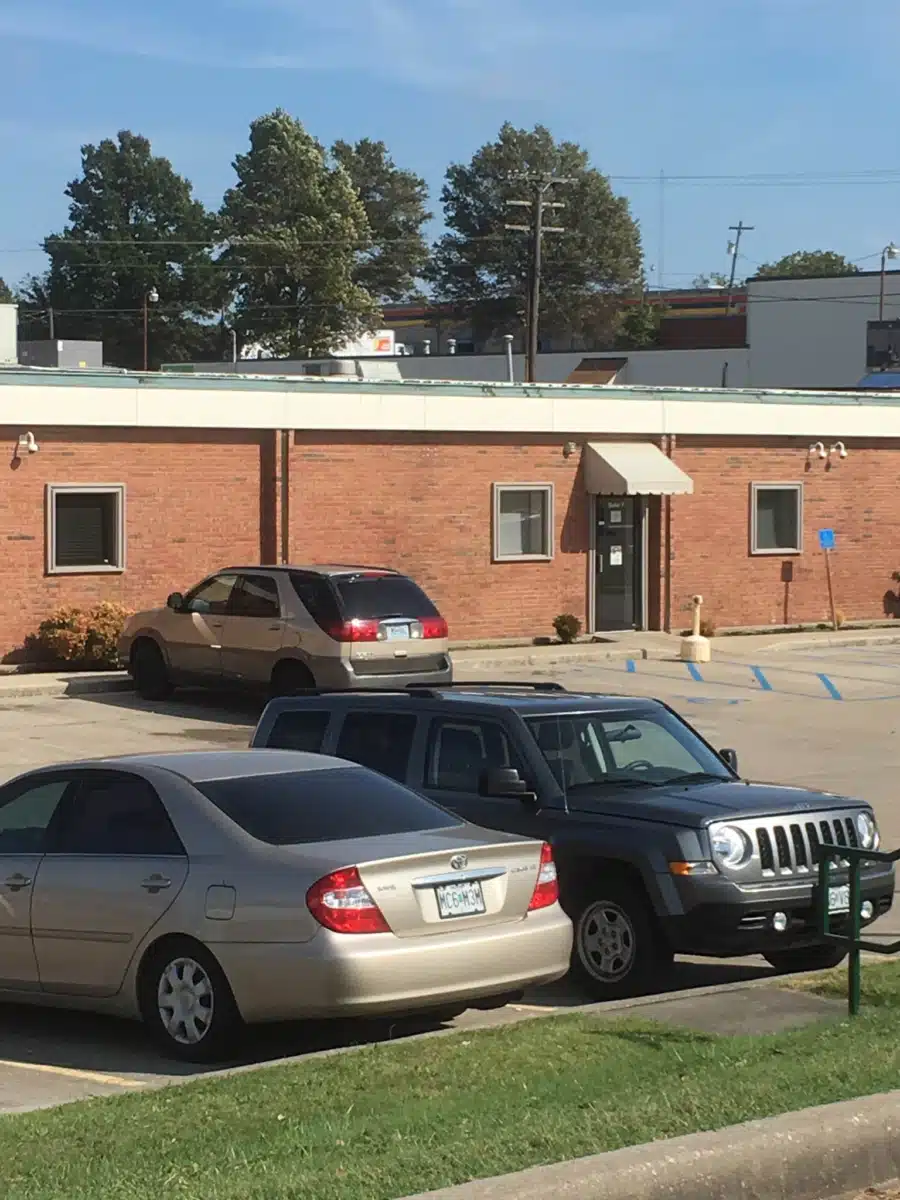
Metro Treatment of Missouri LP

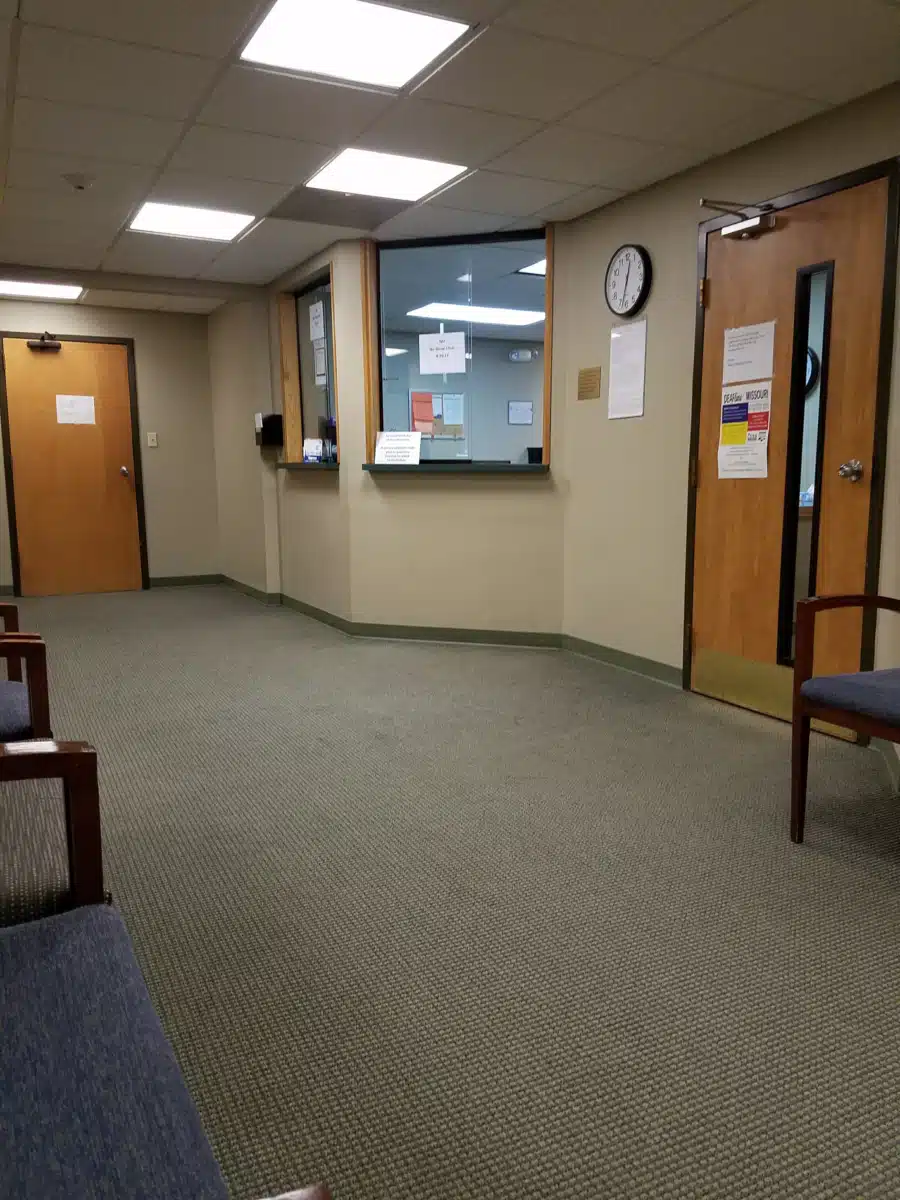
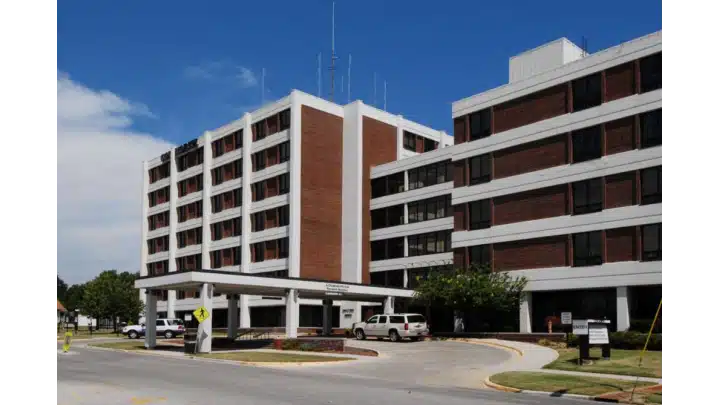
Cox Health

Fast Comprehensive Care
Cadue Blackwood
Counselors Obediently Preventing Subst
Treatment Highlights in Missouri
Popular Cities in Missouri
Saint Louis
27 centers
Kansas City
21 centers
Springfield
9 centers
Cape Girardeau
7 centers
Joplin
6 centers
Columbia
5 centers
Saint Charles
5 centers
Saint Joseph
5 centers
View all 100 cities in Missouri
Frequently Asked Questions About Treatment in Missouri
Sources
- Missouri Department of Mental Health — Division of Behavioral Health
- Missouri Department of Health and Senior Services — Opioid Overdose Data
- SAMHSA National Survey on Drug Use and Health (NSDUH) 2022
- MO HealthNet — Substance Use Disorder Services
- Washington University School of Medicine — Addiction Psychiatry
- SAMHSA National Helpline — 1-800-662-4357
Medical Disclaimer
The information on this page is for educational purposes and is not a substitute for professional medical advice. If you or someone you know is experiencing a substance use crisis, call the SAMHSA National Helpline at 1-800-662-4357 (free, confidential, 24/7). For immediate danger, call 911 or the 988 Suicide & Crisis Lifeline by dialing 988.