
Drug & Alcohol Rehab Centers in Minnesota
Minnesota holds a singular place in the history of American addiction treatment. The founding of Hazelden in Center City in 1949 introduced the "Minnesota Model" — a 28-day residential treatment approach combining professional clinical care with 12-step principles — which became the template for modern rehab programs nationwide. Today, approximately 500 licensed treatment facilities operate across the state, offering the full continuum from medical detoxification and residential treatment to intensive outpatient programs and telehealth services. The Minnesota Department of Human Services (DHS), Behavioral Health Division, licenses and oversees substance use disorder treatment programs statewide.
Despite this treatment heritage, Minnesota faces mounting substance use challenges. In 2022, the state recorded approximately 1,300 drug overdose deaths, a record driven overwhelmingly by synthetic opioids. Fentanyl has penetrated communities across the state, from Minneapolis and Saint Paul to smaller cities like Duluth and Rochester. Opioid use disorder has become the fastest-growing driver of treatment admissions, while alcohol use disorder remains the most prevalent substance use disorder overall, consistent with the state's northern European cultural heritage and cold-climate drinking patterns. Native American communities in Minnesota have been disproportionately affected by both the opioid crisis and alcohol-related harm, with overdose death rates among American Indians several times higher than the statewide average.
Minnesota's treatment system benefits from strong partnerships between state government, academic medicine, and the private treatment sector. The University of Minnesota Medical School operates an addiction medicine division, while Hazelden Betty Ford Foundation continues to set national standards for evidence-based treatment. Programs across the state integrate cognitive behavioral therapy (CBT), medication-assisted treatment (MAT), motivational interviewing, and culturally specific programming for Native American, Somali, Hmong, and other communities that reflect the state's diverse population.
Addiction Treatment Landscape in Minnesota
Minnesota's treatment infrastructure reflects decades of investment in evidence-based addiction care. The DHS Behavioral Health Division licenses all substance use disorder treatment programs and administers the Consolidated Chemical Dependency Treatment Fund (CCDTF), which provides state-funded treatment for individuals who lack adequate insurance coverage. This fund, unique among states, ensures that financial barriers do not prevent Minnesotans from accessing care.
Key statistics:
- Approximately 1,300 drug overdose deaths in 2022 (Minnesota DHS)
- Roughly 500 licensed substance use treatment facilities statewide (SAMHSA N-SSATS)
- Native American overdose death rates are 5-7 times the statewide average
- Minnesota ranks among the top 5 states nationally for per-capita treatment capacity
The opioid crisis in Minnesota has accelerated sharply since 2020, with fentanyl accounting for more than 75% of all opioid-related deaths. The Twin Cities metro area records the highest absolute number of overdose fatalities, but per-capita rates in northern Minnesota — particularly in communities on and near tribal reservations — are among the worst in the nation. Governor Walz's Opioid Epidemic Response initiative has directed funding toward naloxone distribution, expanded MAT access in rural and tribal communities, and supported recovery community organizations.
Minnesota's Native American communities face compounding substance use challenges. The 11 tribal nations in the state operate sovereign behavioral health programs, many integrating traditional healing practices with clinical treatment. The state's African-born communities — particularly Somali and East African populations in the Twin Cities — have also been increasingly affected by opioid use, prompting the development of culturally responsive treatment programs that account for language, religion, and stigma considerations.
Types of Treatment Available in Minnesota
Minnesota offers every level of addiction care defined by the American Society of Addiction Medicine (ASAM), with treatment quality benchmarks that reflect the state's legacy as the origin of modern residential treatment:
- Medical Detoxification: Hospital-based and freestanding detox programs in Minneapolis, Saint Paul, Rochester, and Duluth. The Hennepin County Medical Center (HCMC) in Minneapolis operates one of the largest public detox units in the Upper Midwest.
- Residential Treatment: Minnesota invented the 28-day residential model. Today, programs range from the Hazelden Betty Ford Foundation's Center City campus to urban clinical programs and culturally specific residential options for Native American and immigrant communities.
- Partial Hospitalization (PHP): Structured day programs providing 5-7 days per week of intensive treatment, available through health systems including Fairview, Allina Health, and HealthPartners in the Twin Cities metro.
- Intensive Outpatient (IOP): Widely available programs meeting 3-5 days per week. IOP is the most common entry point for treatment in Minnesota and is offered by providers in virtually every county.
- Standard Outpatient: Weekly therapy including individual counseling, group sessions, and family programming for sustained recovery support.
- Telehealth Services: Minnesota has been a leader in telehealth adoption for behavioral health. Virtual treatment is particularly important for rural areas in northern and western Minnesota, where in-person providers may be hours away.
Medication-assisted treatment (MAT) with buprenorphine, naltrexone, and methadone is widely available across Minnesota. The Hazelden Betty Ford Foundation's integration of MAT into its historically abstinence-focused model marked a significant national shift in treatment philosophy. Minnesota also supports 12-step programs, SMART Recovery, culturally grounded healing practices for indigenous communities, and specialized programming for the LGBTQ+ population through organizations like Pride Institute.
Insurance & Medical Assistance / MinnesotaCare Coverage
Minnesota operates two publicly funded health care programs that cover substance use disorder treatment: Medical Assistance (MA), the state's Medicaid program, and MinnesotaCare, a subsidized program for low-income residents who earn too much for MA but cannot afford private insurance. Minnesota expanded Medicaid under the ACA, covering adults earning up to 138% of the federal poverty level through Medical Assistance. MinnesotaCare extends coverage up to 200% of the poverty level.
- Outpatient substance use disorder treatment and counseling
- Intensive outpatient programs (IOP)
- Residential treatment (with authorization through managed care)
- Medically supervised detoxification and withdrawal management
- Medication-assisted treatment (MAT) including buprenorphine, naltrexone, and methadone
- Mental health services for co-occurring disorders
- Peer recovery support services
- Culturally specific treatment programming
The Consolidated Chemical Dependency Treatment Fund (CCDTF) provides an additional safety net, covering treatment costs for individuals whose insurance is inadequate or who are uninsured. This state-funded resource, administered by DHS, is uncommon nationally and reflects Minnesota's commitment to accessible treatment.
Private insurance in Minnesota must comply with the federal Mental Health Parity and Addiction Equity Act (MHPAEA). Major insurers including Blue Cross Blue Shield of Minnesota, UnitedHealthcare, HealthPartners, Medica, and Cigna operate in the state. SAMHSA's National Helpline (1-800-662-4357) provides free referrals for anyone seeking treatment, regardless of insurance status.
Want us to find the perfect facility for you?
Call now - it's completely free!
Showing 20 of 330 results

Little Falls Outpatient Office
Wadena Outpatient Office
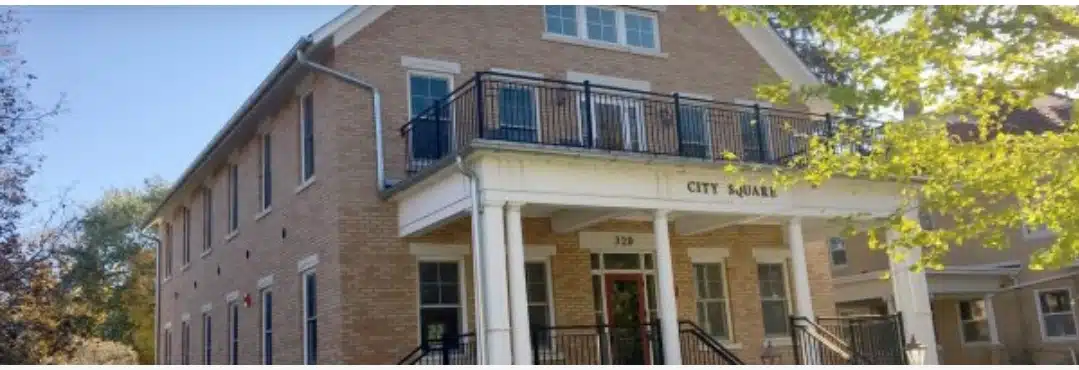
Co-Occurring Disorders Program
Aitkin Outpatient Office

Maple Street Office
Co-Occurring Disorders Program
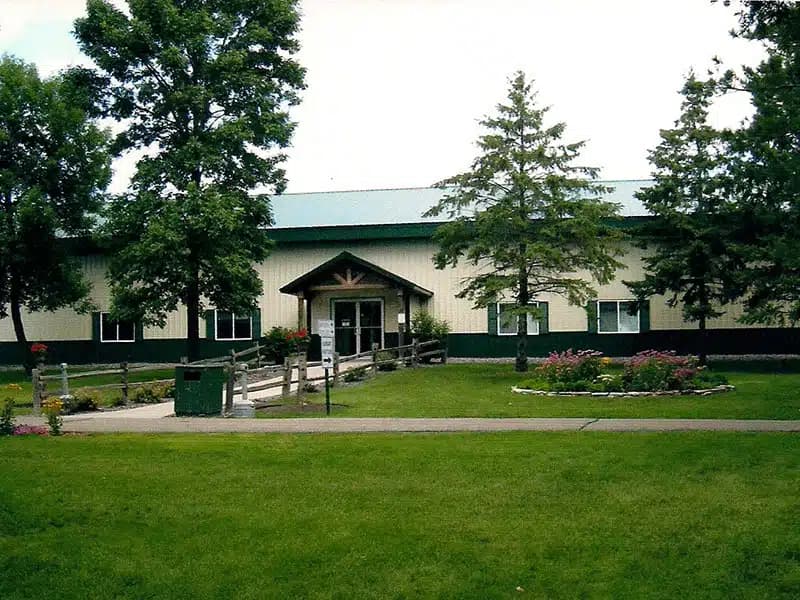

Saint Cloud
Water Street

Womens Center
Womens Unit North/Med Intensity
Substance Abuse Services
Fergus Falls
Treatment Highlights in Minnesota
Popular Cities in Minnesota
Minneapolis
63 centers
Saint Paul
44 centers
Duluth
15 centers
Rochester
15 centers
Saint Cloud
12 centers
Grand Rapids
7 centers
Bemidji
6 centers
Burnsville
6 centers
View all 99 cities in Minnesota
Frequently Asked Questions About Treatment in Minnesota
Sources
Medical Disclaimer
The information on this page is for educational purposes and is not a substitute for professional medical advice. If you or someone you know is experiencing a substance use crisis, call the SAMHSA National Helpline at 1-800-662-4357 (free, confidential, 24/7). For immediate danger, call 911 or the 988 Suicide & Crisis Lifeline by dialing 988.