
Drug & Alcohol Rehab Centers in Louisiana
Louisiana's addiction treatment system serves one of the most vulnerable populations in the nation, operating within a state that ranks consistently among the highest for poverty, chronic disease, and health disparities. Approximately 350 licensed treatment facilities offer services across the care continuum, from medical detoxification and residential treatment to intensive outpatient programs and telehealth-based counseling. The Louisiana Department of Health, Office of Behavioral Health (OBH), oversees substance use disorder treatment licensing, prevention, and recovery services statewide.
Louisiana faces escalating substance use challenges. In 2022, the state recorded approximately 2,400 drug overdose deaths — one of the highest per-capita rates nationally — driven by fentanyl and an increasingly dangerous combination of opioids and stimulants. Opioid use disorder is the fastest-growing treatment driver, while cocaine remains more prevalent in Louisiana than in most states, particularly in the New Orleans metro area. Methamphetamine has also increased substantially in northern and rural parishes. Alcohol use disorder is deeply embedded in Louisiana's culture — a state famous for its festivals, open-container laws, and a social landscape where drinking is woven into daily life from New Orleans to Shreveport.
Louisiana's treatment infrastructure includes partnerships with Tulane University School of Medicine and LSU Health Sciences Center, both of which operate addiction psychiatry programs in New Orleans and Shreveport. The state's recovery community has a uniquely vibrant character, influenced by New Orleans' tradition of mutual aid societies, second-line culture, and grassroots peer support networks. Evidence-based modalities including medication-assisted treatment (MAT), cognitive behavioral therapy (CBT), and 12-step programs are complemented by culturally responsive approaches that reflect Louisiana's diverse Creole, Cajun, and African American communities.
Addiction Treatment Landscape in Louisiana
Louisiana's substance use crisis unfolds against a backdrop of structural health challenges. The state has one of the highest poverty rates in the nation, limited rural health infrastructure, and historical underinvestment in behavioral health. OBH administers state and federal funding for substance use disorder services, coordinating with regional Local Governing Entities (LGEs) that manage community-based treatment delivery across Louisiana's 64 parishes.
Key statistics:
- Approximately 2,400 drug overdose deaths in 2022 (Louisiana LDH)
- Roughly 350 licensed substance use treatment facilities statewide (SAMHSA N-SSATS)
- Louisiana's per-capita overdose death rate exceeds the national average by approximately 30%
- The state has seen a sharp rise in combined opioid-stimulant overdose deaths since 2020
The opioid crisis in Louisiana has been compounded by the prevalence of polysubstance use — particularly the combination of fentanyl with cocaine or methamphetamine, which has driven a new wave of unpredictable overdose deaths. New Orleans, Baton Rouge, and Shreveport have the highest overdose rates, while rural parishes across north and central Louisiana face critical treatment access gaps. Post-Hurricane Katrina and post-Hurricane Ida disruptions continue to reverberate through the behavioral health system, with some communities still lacking fully rebuilt treatment infrastructure.
Louisiana's 2016 Medicaid expansion under the ACA was a watershed moment for addiction treatment access, bringing coverage to over 500,000 previously uninsured adults. This expansion dramatically increased the number of people able to access MAT, counseling, and residential treatment through the Healthy Louisiana managed care system. The state has also invested in recovery-oriented systems of care, peer support specialist certification, and drug court programs that divert individuals from incarceration into treatment.
Types of Treatment Available in Louisiana
Louisiana offers addiction treatment across the levels of care defined by the American Society of Addiction Medicine (ASAM):
- Medical Detoxification: Hospital-based and standalone detox programs are available in New Orleans, Baton Rouge, Shreveport, and Lafayette. University-affiliated programs at Tulane and LSU Health provide specialized withdrawal management for opioid, alcohol, and benzodiazepine dependence.
- Residential Treatment: Louisiana offers 30-day to 90+ day residential programs in both clinical and faith-based settings. The greater New Orleans area and Baton Rouge region have the highest concentration of residential treatment beds.
- Partial Hospitalization (PHP): Structured day treatment programs providing 5-7 days per week of intensive clinical services, available primarily in metro New Orleans, Baton Rouge, and Shreveport.
- Intensive Outpatient (IOP): Programs meeting 3-5 days per week are the most accessible level of care across Louisiana, offered through OBH-contracted providers and private facilities in most metro areas and many smaller communities.
- Standard Outpatient: Weekly therapy sessions including individual counseling, group therapy, and family programming for sustained recovery and co-occurring disorder management.
- Telehealth Services: Virtual treatment is critical in Louisiana, where rural parishes often lack any local behavioral health providers. The state has maintained expanded telehealth flexibilities to serve these underserved areas.
Medication-assisted treatment (MAT) availability has expanded significantly since Medicaid expansion, with buprenorphine, naltrexone, and methadone now accessible through certified providers and opioid treatment programs across the state. Louisiana's drug court system is one of the largest in the nation, offering court-supervised treatment as an alternative to incarceration. 12-step programs, faith-based recovery homes, and culturally grounded peer support networks are deeply embedded in Louisiana's recovery culture.
Insurance & Louisiana Medicaid Coverage
Louisiana Medicaid, administered through the Healthy Louisiana managed care system, covers substance use disorder treatment for eligible residents. Louisiana expanded Medicaid under the ACA in 2016 under Governor John Bel Edwards, extending coverage to adults earning up to 138% of the federal poverty level. This expansion enrolled over 500,000 previously uninsured Louisianans and was widely credited with transforming access to addiction treatment across the state.
- Outpatient substance use disorder treatment and counseling
- Intensive outpatient programs (IOP)
- Residential treatment (with prior authorization through managed care)
- Medically supervised detoxification and withdrawal management
- Medication-assisted treatment (MAT) including buprenorphine, naltrexone, and methadone
- Mental health services for co-occurring disorders
- Peer recovery support specialist services
- Crisis intervention and stabilization
Healthy Louisiana is administered through five managed care organizations: Aetna Better Health, AmeriHealth Caritas, Healthy Blue, Louisiana Healthcare Connections (Centene), and UnitedHealthcare Community Plan. Private insurance plans must comply with the federal Mental Health Parity and Addiction Equity Act (MHPAEA). Major commercial insurers including Blue Cross Blue Shield of Louisiana, Cigna, UnitedHealthcare, and Aetna operate in the state marketplace.
For uninsured individuals, OBH funds treatment through Local Governing Entities and contracted community providers using state and federal block grant funding. Louisiana's 211 helpline connects residents to local treatment and social services. SAMHSA's National Helpline (1-800-662-4357) provides additional free referrals regardless of insurance status.
Want us to find the perfect facility for you?
Call now - it's completely free!
Showing 20 of 157 results

Louisiana Inc

Bossier Treatment Center

Baton Rouge Behavioral Health
Capital Area Recovery Program
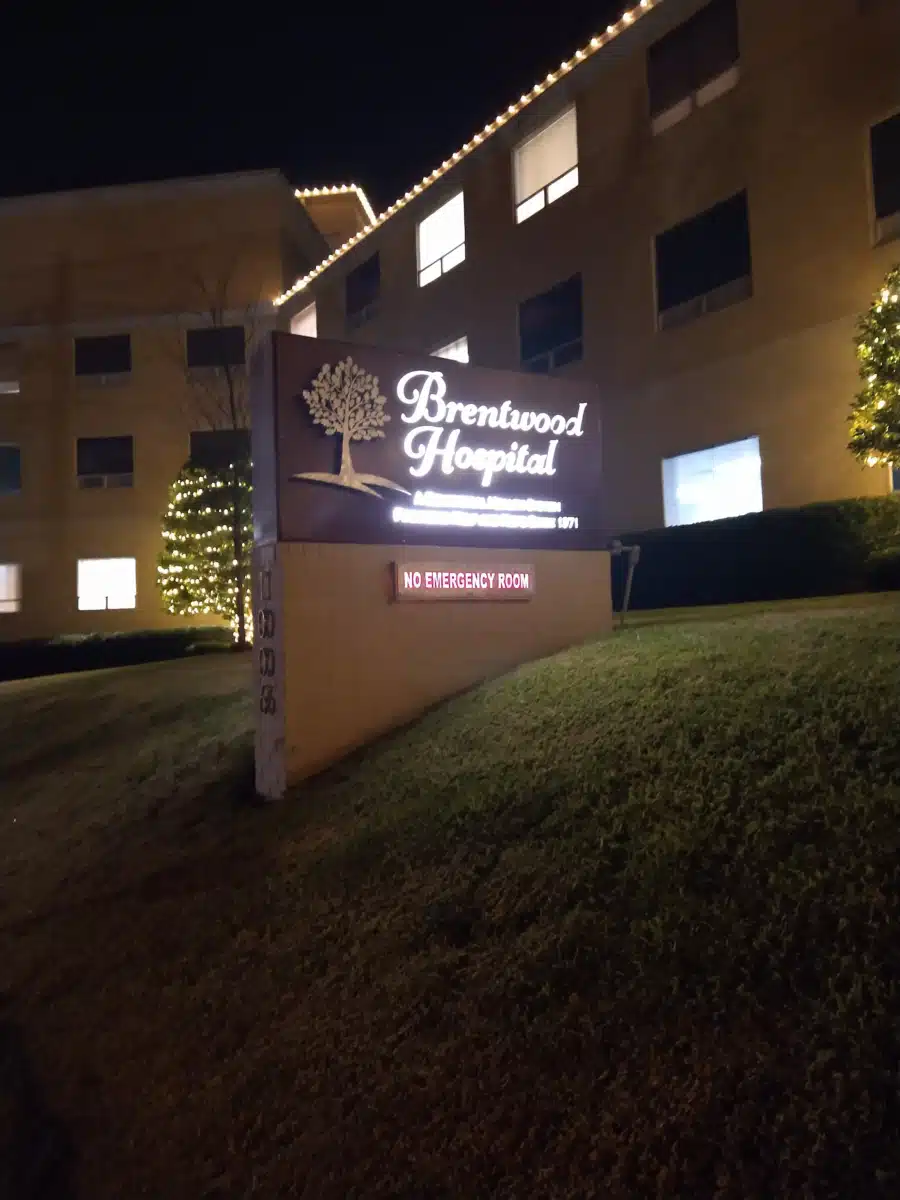

Central LA Human Service District
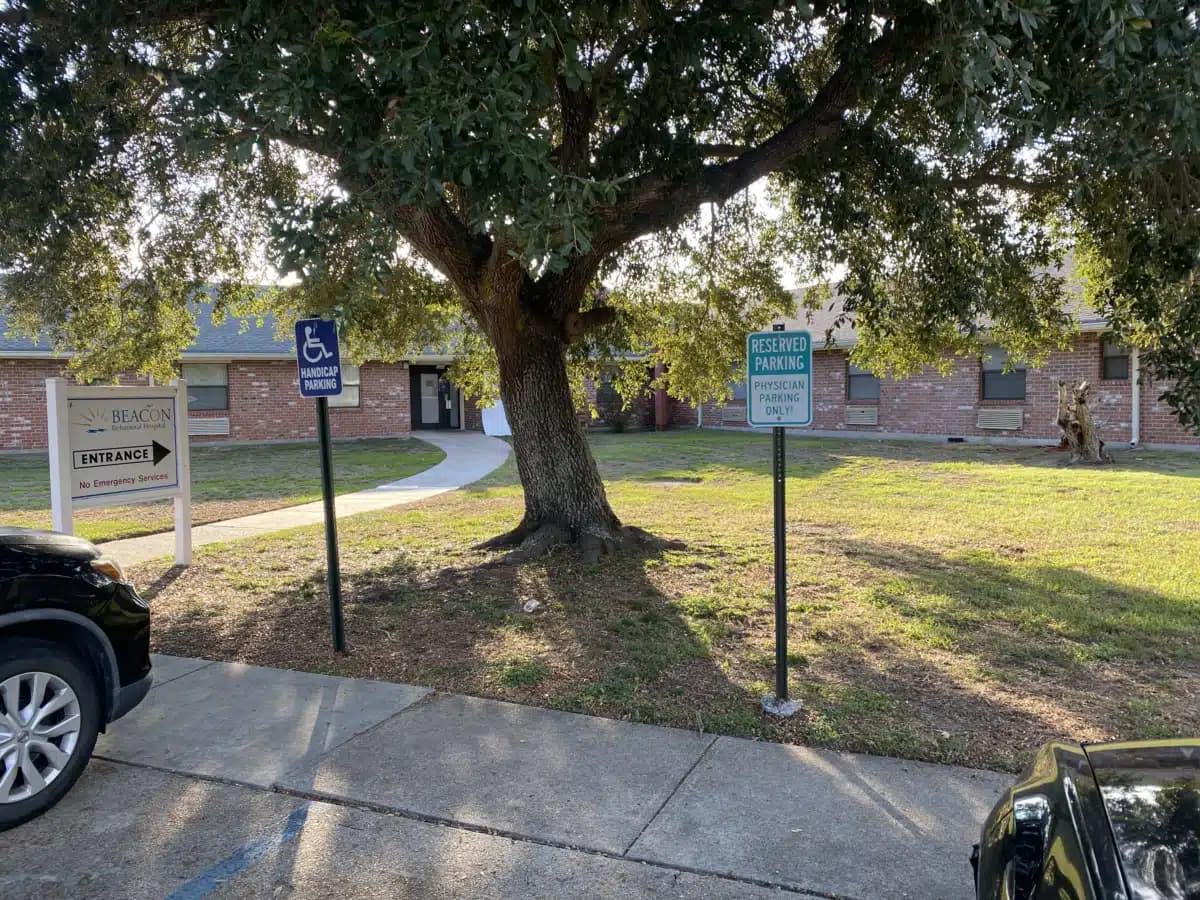
New Orleans
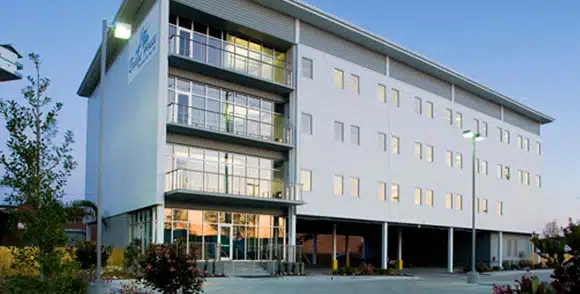
Prevention and Recovery Center
Adult Treatment Center

Central LA Human Service District
Phoenix Family Life Centers
Lake Charles
Treatment Highlights in Louisiana
Popular Cities in Louisiana
New Orleans
16 centers
Baton Rouge
13 centers
Shreveport
13 centers
Lafayette
9 centers
Monroe
8 centers
Mandeville
6 centers
Metairie
6 centers
Covington
5 centers
View all 54 cities in Louisiana
Frequently Asked Questions About Treatment in Louisiana
Sources
Medical Disclaimer
The information on this page is for educational purposes and is not a substitute for professional medical advice. If you or someone you know is experiencing a substance use crisis, call the SAMHSA National Helpline at 1-800-662-4357 (free, confidential, 24/7). For immediate danger, call 911 or the 988 Suicide & Crisis Lifeline by dialing 988.