
Drug & Alcohol Rehab Centers in Kansas
Kansas's addiction treatment system serves a geographically vast state where wide-open plains and tight-knit agricultural communities define the landscape of recovery. With roughly 250 licensed treatment facilities, the state offers services from medical detoxification and residential treatment to intensive outpatient programs and telehealth-delivered counseling. The Kansas Department for Aging and Disability Services (KDADS), Behavioral Health Services Commission, licenses and oversees substance use disorder treatment providers statewide, coordinating with community mental health centers that serve as the backbone of behavioral health delivery in rural Kansas.
Methamphetamine is the primary illicit drug threat in Kansas, fueling treatment admissions across the state from Wichita to the smallest western Kansas communities. Meth has entrenched itself in rural and semi-rural areas where economic stagnation, geographic isolation, and limited law enforcement resources create conditions for widespread use. Opioid use disorder is a growing concern, with fentanyl increasingly appearing in Kansas drug supplies and driving a rising share of overdose fatalities. Alcohol use disorder remains the most common substance use disorder overall, deeply rooted in the state's social and agricultural culture, where isolation and seasonal work patterns contribute to problematic drinking.
Kansas's treatment infrastructure benefits from partnerships with the University of Kansas Medical Center (KUMC) in Kansas City, which operates addiction medicine and psychiatry programs. Evidence-based modalities including medication-assisted treatment (MAT), cognitive behavioral therapy (CBT), motivational interviewing, and 12-step facilitation are available through community mental health centers and private providers. However, rural access remains a defining challenge — many western Kansas counties lack any in-person substance use disorder provider, making telehealth and mobile services critical to closing treatment gaps.
Addiction Treatment Landscape in Kansas
Kansas's treatment system operates in a state that has not expanded Medicaid under the ACA, creating one of the most significant barriers to treatment access in the region. KDADS administers state and federal funding for substance use disorder services, working through a network of 26 community mental health centers (CMHCs) that provide behavioral health coverage across all 105 Kansas counties. These CMHCs serve as the primary treatment infrastructure in rural areas where private providers are scarce or nonexistent.
Key statistics:
- Approximately 500 drug overdose deaths in 2022 (Kansas Department of Health and Environment)
- Roughly 250 licensed substance use treatment facilities statewide (SAMHSA N-SSATS)
- Methamphetamine is the most common illicit drug in treatment admissions across Kansas
- Kansas has not expanded Medicaid, leaving an estimated 150,000 adults in the coverage gap
The methamphetamine crisis in Kansas is deeply intertwined with the state's rural character. While large-scale meth production has shifted to Mexican cartels supplying high-purity product through interstate corridors, the drug's impact on Kansas communities — particularly in the western two-thirds of the state — remains devastating. Fentanyl has emerged as a growing threat, with overdose deaths involving synthetic opioids rising sharply since 2020. The Kansas City metro area on the eastern border records the highest absolute number of overdose fatalities, while per-capita rates in some rural counties rival urban figures.
Kansas has invested in its community mental health center infrastructure, drug courts, and peer support specialist certification to address treatment needs. The state's Substance Use Disorder Task Force has recommended Medicaid expansion as the single most impactful policy change for improving treatment access, though legislative action has remained stalled. Opioid settlement funds are being directed toward expanding MAT access, naloxone distribution, and recovery housing across the state.
Types of Treatment Available in Kansas
Kansas offers addiction treatment across the levels of care defined by the American Society of Addiction Medicine (ASAM), though availability varies significantly between urban eastern Kansas and the rural western part of the state:
- Medical Detoxification: Hospital-based and standalone detox programs are available in Wichita, Kansas City metro, Topeka, and Lawrence. Rural communities typically rely on hospital emergency departments for acute withdrawal management, with transfer to urban detox facilities when clinically indicated.
- Residential Treatment: Programs ranging from 30 to 90 days are concentrated in the Wichita metro, Kansas City area, and Topeka. Mirror Inc. and other established Kansas providers operate residential programs serving adults and adolescents.
- Partial Hospitalization (PHP): Structured day treatment programs providing 5-7 days per week of intensive services, primarily available in Wichita and the Kansas City metro area through health system affiliates.
- Intensive Outpatient (IOP): Programs meeting 3-5 days per week are the most widely available level of care in Kansas, offered through CMHCs, private clinics, and hospital-based programs across the state.
- Standard Outpatient: Weekly individual and group therapy sessions for ongoing recovery support, available through CMHCs in every county and private providers in metropolitan areas.
- Telehealth Services: Kansas has expanded telehealth for behavioral health to address rural access barriers, with CMHCs increasingly offering virtual counseling and MAT management to patients in remote communities.
Medication-assisted treatment (MAT) with buprenorphine, naltrexone, and methadone is available in Kansas, though methadone access is limited to a small number of opioid treatment programs concentrated in urban areas. The University of Kansas Medical Center trains addiction medicine specialists and supports buprenorphine prescriber education. 12-step programs, SMART Recovery, faith-based recovery programs, and peer support services complement clinical treatment across the state.
Insurance & KanCare (Medicaid) Coverage in Kansas
Kansas's Medicaid program, KanCare, provides managed care coverage for eligible populations including low-income children, pregnant women, seniors, and people with disabilities. However, Kansas has not expanded Medicaid under the Affordable Care Act, leaving an estimated 150,000 low-income adults — many of whom have substance use disorders — without Medicaid eligibility. This coverage gap is one of the most significant barriers to addiction treatment access in the state.
- Outpatient substance use disorder treatment and counseling
- Intensive outpatient programs (IOP)
- Residential treatment (with prior authorization)
- Medically supervised detoxification and withdrawal management
- Medication-assisted treatment (MAT) including buprenorphine and naltrexone
- Mental health services for co-occurring disorders
- Peer support services
For those who do qualify for KanCare, substance use disorder treatment is a covered benefit administered through three managed care organizations: Aetna Better Health, Sunflower Health Plan, and UnitedHealthcare Community Plan. Community mental health centers accept KanCare and often provide services on a sliding-fee scale for uninsured individuals using state and federal block grant funding.
Private insurance in Kansas must comply with the federal Mental Health Parity and Addiction Equity Act (MHPAEA). Major insurers including Blue Cross Blue Shield of Kansas, UnitedHealthcare, Aetna, and Cigna operate in the state. SAMHSA's National Helpline (1-800-662-4357) provides free referrals for anyone seeking treatment regardless of insurance status.
Want us to find the perfect facility for you?
Call now - it's completely free!
Showing 13 of 133 results
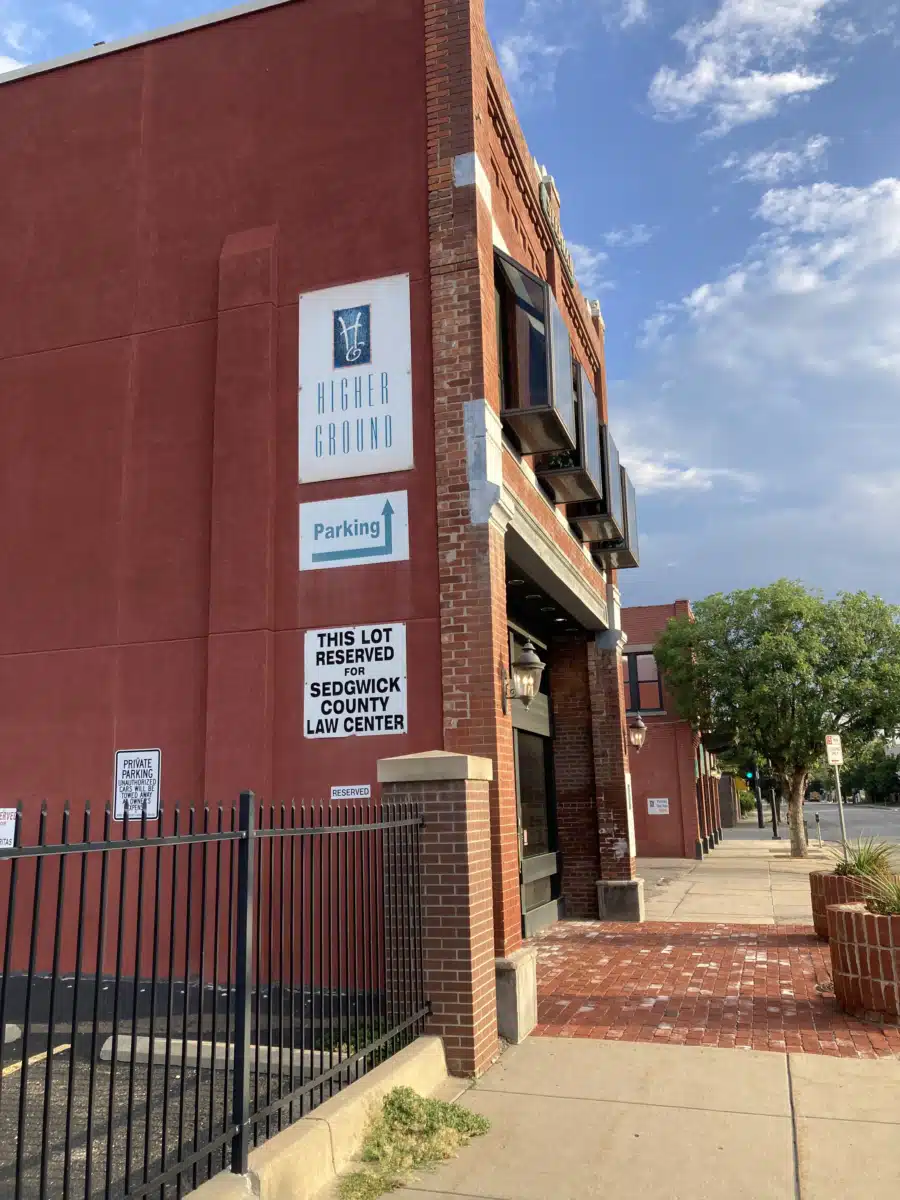
DBA Higher Ground

Substance Use Disorder Clinic



Emporia
Alcohol and Drug Education/DOT SAP
Treatment Highlights in Kansas
Popular Cities in Kansas
Wichita
21 centers
Overland Park
9 centers
Olathe
7 centers
Kansas City
4 centers
Pittsburg
4 centers
Salina
4 centers
Topeka
4 centers
Hays
3 centers
View all 65 cities in Kansas
Frequently Asked Questions About Treatment in Kansas
Sources
Medical Disclaimer
The information on this page is for educational purposes and is not a substitute for professional medical advice. If you or someone you know is experiencing a substance use crisis, call the SAMHSA National Helpline at 1-800-662-4357 (free, confidential, 24/7). For immediate danger, call 911 or the 988 Suicide & Crisis Lifeline by dialing 988.