
Drug & Alcohol Rehab Centers in Iowa
Iowa's addiction treatment system encompasses roughly 300 licensed facilities offering services across the full continuum of care, from medical detoxification and residential treatment to intensive outpatient programs and telehealth-based recovery support. The Iowa Department of Public Health (IDPH), Division of Behavioral Health, serves as the state authority overseeing substance use disorder prevention, treatment, and recovery services. Iowa's treatment system operates through a community-based model, with services delivered by a network of licensed treatment programs coordinated through the state's system of care.
Iowa's substance use challenges are dominated by methamphetamine, which has been the state's primary illicit drug threat for decades. Meth consistently accounts for the largest share of illicit drug treatment admissions across Iowa, fueled by both domestic production in rural areas and imported supply from Mexican cartels. The opioid crisis has reached Iowa more gradually than coastal states, but fentanyl has driven a sharp increase in overdose deaths — the state recorded approximately 500 drug overdose fatalities in 2022, a significant number for Iowa's population. Alcohol use disorder remains the most prevalent substance use condition overall, embedded in Iowa's farming and small-town social culture where drinking patterns often go unaddressed. Agricultural community stress — including economic volatility, social isolation, and mental health challenges among farmers and rural workers — contributes to substance use across the state.
Iowa's treatment infrastructure relies on a strong community-based model where local providers serve as the backbone of care delivery. The University of Iowa Hospitals and Clinics operates the state's most comprehensive addiction medicine program, with the Iowa Consortium for Substance Abuse Research and Evaluation providing data-driven guidance to state treatment policy. Des Moines and Cedar Rapids serve as the primary treatment hubs, while smaller cities and rural providers utilize telehealth to extend their reach. Evidence-based treatments including medication-assisted treatment (MAT), cognitive behavioral therapy (CBT), motivational interviewing, and 12-step facilitation are available statewide, though access varies significantly between urban and rural areas.
Addiction Treatment Landscape in Iowa
Iowa's substance use crisis reflects the challenges facing agricultural Midwestern states: entrenched methamphetamine use, growing opioid-fentanyl threats, high rates of alcohol misuse, and significant rural treatment access barriers. IDPH's Division of Behavioral Health coordinates treatment delivery and distributes state appropriations, federal Substance Abuse Prevention and Treatment (SAPT) Block Grant funds, and opioid settlement proceeds to support services across the state's 99 counties.
Key statistics:
- Approximately 500 drug overdose deaths in 2022 (Iowa Department of Public Health)
- Roughly 300 licensed substance use treatment facilities statewide (SAMHSA N-SSATS)
- Methamphetamine is the most common illicit drug in treatment admissions
- Iowa ranks among the top states nationally for per-capita alcohol consumption and binge drinking rates
The methamphetamine crisis has deep roots in Iowa. The state was an early epicenter of domestic meth production in the 1990s and 2000s, when clandestine labs proliferated in rural farmlands. While domestic production has declined following precursor chemical restrictions, imported meth from Mexico now supplies the market at lower cost and higher potency. Meth remains the primary illicit drug in treatment admissions statewide, with rural western and southern Iowa counties reporting it as the dominant substance use challenge.
The opioid crisis reached Iowa later than many states but has intensified rapidly. Fentanyl now drives the majority of opioid-related overdose deaths, and polysubstance use — particularly meth combined with fentanyl — has emerged as a lethal pattern. Agricultural community stress compounds substance use challenges in rural Iowa. Economic pressures from volatile commodity prices, extreme weather events, farm debt, and the isolation inherent in agricultural work contribute to both alcohol misuse and drug use. Programs like Iowa Concern — a hotline for farm families — address the intersection of financial stress, mental health, and substance use that affects Iowa's agricultural communities.
Types of Treatment Available in Iowa
Iowa offers addiction treatment across all levels of care recognized by the American Society of Addiction Medicine (ASAM):
- Medical Detoxification: Hospital-based detox programs in Des Moines, Cedar Rapids, Iowa City, and Davenport provide medically supervised withdrawal management for opioid, alcohol, and benzodiazepine dependence. The University of Iowa Hospitals and Clinics offers the state's most comprehensive detox and stabilization services.
- Residential Treatment: Programs ranging from 30-day to 90+ day stays operate across the state. Iowa's residential programs often emphasize community reintegration and workforce development, reflecting the state's practical, community-oriented culture.
- Partial Hospitalization (PHP): Structured day treatment programs providing 5-7 days per week of intensive clinical services, primarily available in Des Moines, Cedar Rapids, and Iowa City.
- Intensive Outpatient (IOP): Programs meeting 3-5 days per week are the most widely available level of structured treatment in Iowa, offered by community-based providers in most regions and representing the primary treatment modality accessible in rural areas.
- Standard Outpatient: Weekly individual and group therapy sessions for ongoing recovery maintenance, relapse prevention, and co-occurring disorder management through community-based providers statewide.
- Telehealth Services: Virtual treatment is critical in rural Iowa, where the nearest in-person substance use disorder provider may be 45 minutes or more away. IDPH has supported telehealth expansion through community-based providers to reach agricultural communities and small towns across all 99 counties.
Iowa's community-based treatment model emphasizes accessible, locally delivered care. Medication-assisted treatment (MAT) with buprenorphine, naltrexone, and methadone is available in Iowa's urban centers, though rural MAT access remains a significant gap — many rural counties lack a single waivered buprenorphine prescriber. The state supports 12-step programs, SMART Recovery, faith-based recovery communities, and peer recovery coaching. The Iowa Consortium for Substance Abuse Research and Evaluation at the University of Iowa helps guide treatment policy with evidence-based analysis.
Insurance & Iowa Health Link (Iowa Medicaid) Coverage
Iowa Health Link is Iowa's Medicaid managed care program, providing coverage for substance use disorder treatment services. Iowa expanded Medicaid under the Affordable Care Act through the Iowa Health and Wellness Plan, covering adults earning up to 138% of the federal poverty level. In 2016, Iowa transitioned the majority of its Medicaid population to managed care through Iowa Health Link, with two managed care organizations (MCOs) administering benefits.
- Outpatient substance use disorder treatment and counseling
- Intensive outpatient programs (IOP)
- Residential treatment (with prior authorization through MCOs)
- Medically supervised detoxification
- Medication-assisted treatment (MAT) including buprenorphine, naltrexone, and methadone
- Mental health services for co-occurring disorders
- Peer recovery support services
- Crisis intervention and stabilization services
Iowa Health Link is administered through managed care organizations including Amerigroup Iowa and Iowa Total Care (a Centene subsidiary). These MCOs manage benefits, authorize services, and maintain provider networks. The transition to managed care has created some challenges for substance use disorder providers, including prior authorization delays and network adequacy issues in rural areas, which IDPH and the Iowa Department of Human Services work to address.
Private insurance plans in Iowa must comply with the federal Mental Health Parity and Addiction Equity Act (MHPAEA), requiring equivalent coverage for substance use disorder and medical/surgical benefits. Major insurers including Wellmark Blue Cross Blue Shield (Iowa's largest private insurer), UnitedHealthcare, Cigna, and Aetna operate in the state marketplace. For uninsured individuals, IDPH funds treatment through community-based providers on a sliding-fee basis using state and federal block grant funding. SAMHSA's National Helpline (1-800-662-4357) offers free referrals regardless of insurance status.
Want us to find the perfect facility for you?
Call now - it's completely free!
Showing 20 of 184 results
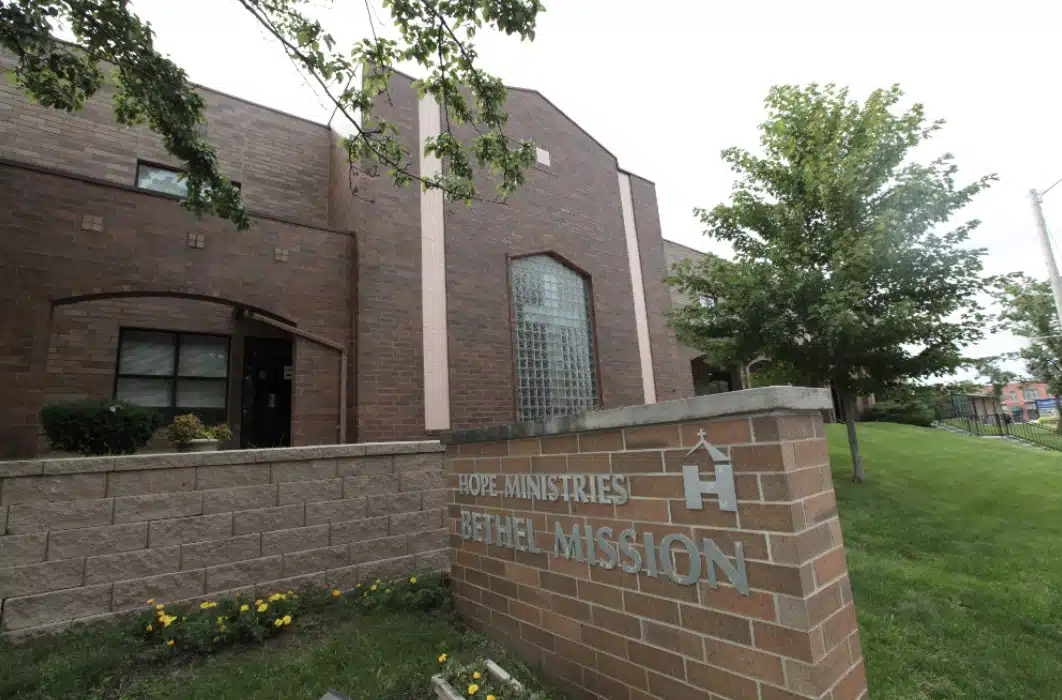
Des Moines/Bethel Mission

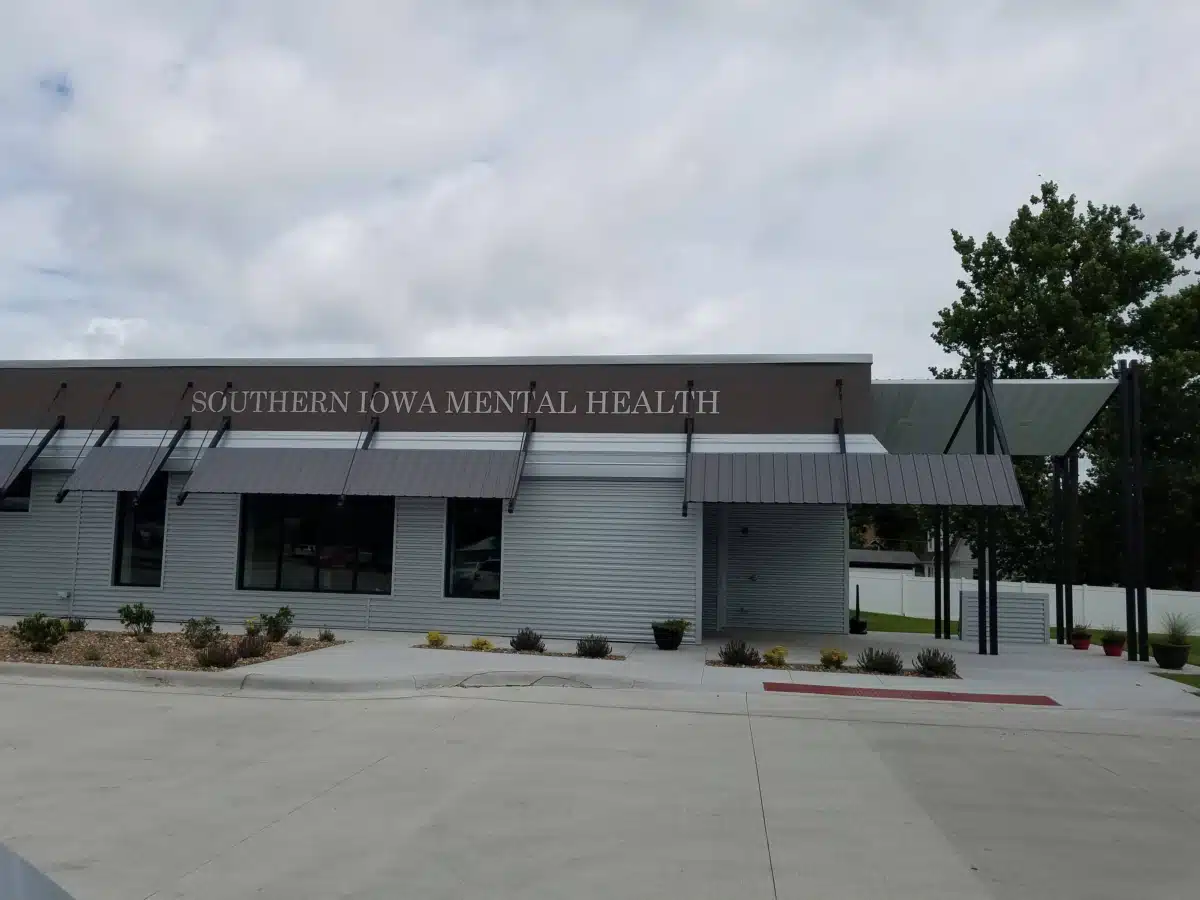
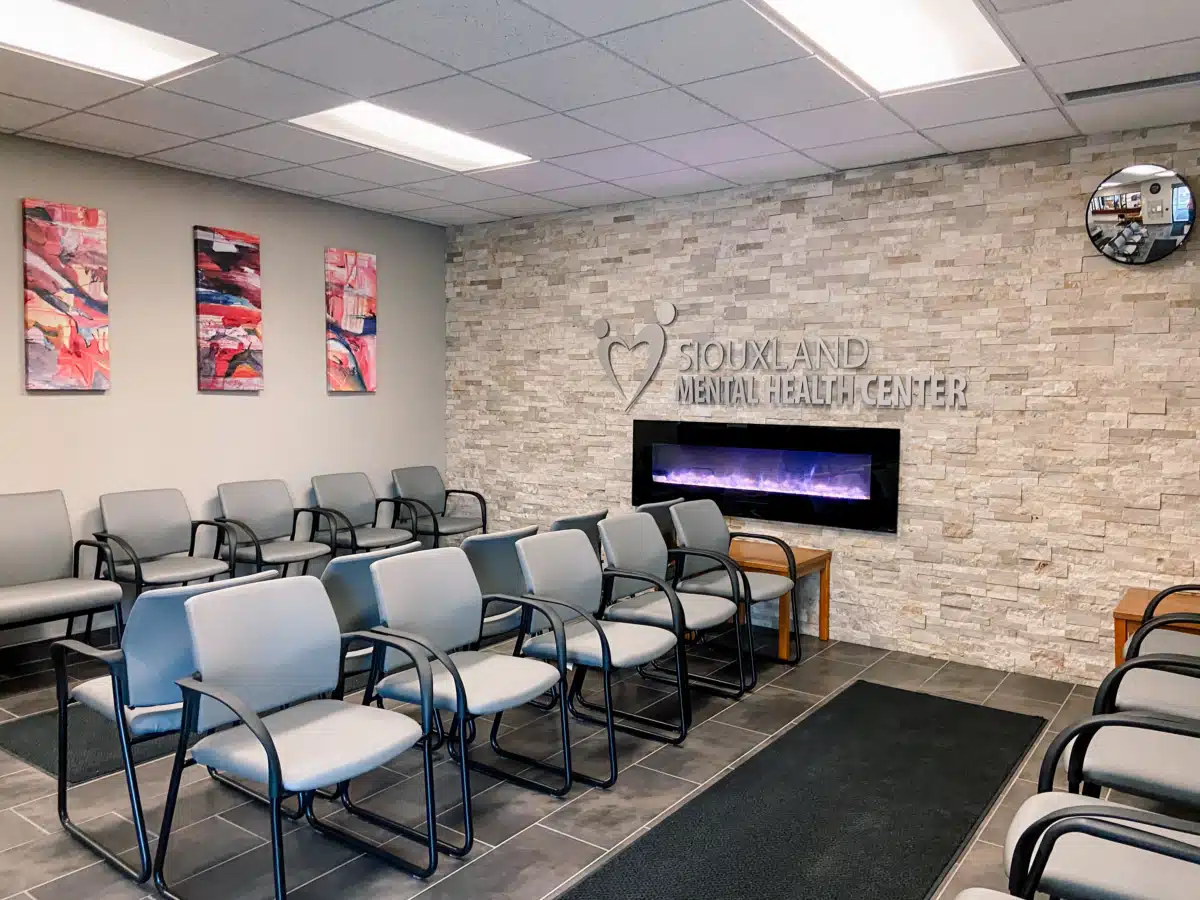
Community Support/IHH Services

(SEIDA)/Behav Health and Trt Services



Des Moines
Clay County Satellite Office
Frances Building
(SEIDA)/Behav Health and Trt Services
(SEIDA)/Behav Health and Trt Services
(SEIDA)/Behav Health and Trt Services
(SEIDA)/Behav Health and Trt Services
(SEIDA)/Behav Health and Trt Services
(SEIDA)/Behav Health and Trt Services
(SEIDA)/Behav Health and Trt Services
Treatment Highlights in Iowa
Popular Cities in Iowa
Des Moines
13 centers
Cedar Rapids
12 centers
Sioux City
12 centers
Fort Dodge
6 centers
Ottumwa
6 centers
Waterloo
6 centers
Ames
5 centers
Clinton
5 centers
View all 89 cities in Iowa
Frequently Asked Questions About Treatment in Iowa
Sources
Medical Disclaimer
The information on this page is for educational purposes and is not a substitute for professional medical advice. If you or someone you know is experiencing a substance use crisis, call the SAMHSA National Helpline at 1-800-662-4357 (free, confidential, 24/7). For immediate danger, call 911 or the 988 Suicide & Crisis Lifeline by dialing 988.