
Drug & Alcohol Rehab Centers in Delaware
Delaware's addiction treatment system serves a small but densely populated Mid-Atlantic state where a high per-capita overdose rate has driven urgent investment in treatment infrastructure. With approximately 100 licensed treatment facilities, the state provides services from medical detoxification and residential treatment to intensive outpatient programs and telehealth-based recovery support. The Delaware Division of Substance Abuse and Mental Health (DSAMH), within the Department of Health and Social Services, licenses treatment programs, manages state-funded treatment capacity, and coordinates the behavioral health system across Delaware's three counties.
Delaware has been severely affected by the opioid epidemic. The state recorded approximately 520 drug overdose deaths in 2022, translating to one of the highest per-capita overdose mortality rates east of the Mississippi. Fentanyl dominates overdose fatalities, infiltrating heroin, cocaine, and counterfeit pill supplies throughout the state. The I-95 corridor connecting Philadelphia and Baltimore runs through Wilmington, making Delaware's largest city a transit point for illicit drug distribution. Alcohol use disorder remains prevalent statewide, and cocaine use persists as a significant concern, particularly in New Castle County.
Delaware's compact size offers a strategic advantage in treatment coordination. No resident is more than two hours from any treatment facility in the state. Christiana Care Health System, the state's largest healthcare provider, operates comprehensive addiction medicine programs including medication-assisted treatment (MAT), dual-diagnosis care, and community-based recovery services. Delaware's treatment approach integrates evidence-based modalities including cognitive behavioral therapy (CBT), dialectical behavior therapy (DBT), motivational interviewing, and 12-step facilitation across the treatment continuum.
Addiction Treatment Landscape in Delaware
Delaware's substance use crisis reflects its position along the I-95 corridor between Philadelphia and Baltimore — two major drug distribution hubs. DSAMH administers state and federal Substance Abuse Prevention and Treatment (SAPT) Block Grant funding through a network of contracted treatment providers spanning the state's three counties: New Castle, Kent, and Sussex.
Key statistics:
- Approximately 520 drug overdose deaths in 2022 (Delaware Division of Public Health)
- Roughly 100 licensed substance use treatment facilities statewide (SAMHSA N-SSATS)
- Delaware ranks among the top 10 states for per-capita overdose mortality
- Fentanyl is involved in the majority of opioid-related deaths statewide
Delaware expanded Medicaid under the Affordable Care Act, which has been instrumental in expanding treatment access. The expansion brought tens of thousands of previously uninsured Delawareans into coverage, enabling access to MAT, residential treatment, and outpatient services that would otherwise be financially out of reach.
The state's Behavioral Health Consortium coordinates treatment strategy across agencies, and Delaware has invested opioid settlement funds in expanding treatment capacity, naloxone distribution, and recovery housing. Christiana Care's addiction programs — based in Wilmington — serve as the clinical anchor of the state's treatment infrastructure, providing everything from emergency department-initiated buprenorphine to long-term outpatient dual-diagnosis treatment. Southern Delaware (Sussex County) faces its own challenges with a more rural landscape, seasonal population fluctuations, and fewer treatment providers compared to urbanized New Castle County.
Types of Treatment Available in Delaware
Delaware offers addiction treatment across the levels of care recognized by the American Society of Addiction Medicine (ASAM), with the strongest concentration in the Wilmington metropolitan area:
- Medical Detoxification: Hospital-based and standalone detox programs are available in Wilmington, Dover, and surrounding communities. Christiana Care Health System provides the most comprehensive medically managed withdrawal services for opioid, alcohol, and benzodiazepine dependence.
- Residential Treatment: Programs ranging from 30 to 90 days operate in New Castle County and Kent County. Gaudenzia, Brandywine Counseling, and other established Delaware providers operate residential programs for adults and specialized populations.
- Partial Hospitalization (PHP): Structured day treatment programs available primarily in the Wilmington area and Dover, offering intensive daily programming while patients reside at home or in recovery housing.
- Intensive Outpatient (IOP): Programs meeting 3-5 days per week are widely available across all three Delaware counties through hospital-affiliated, community-based, and private providers.
- Standard Outpatient: Weekly individual and group therapy sessions available through community behavioral health providers statewide, including in Sussex County's more rural communities.
- Telehealth Services: Delaware expanded telehealth for substance use disorder treatment during COVID-19 and has maintained this flexibility, particularly benefiting residents in southern Delaware with fewer in-person options.
Medication-assisted treatment (MAT) is a priority in Delaware's treatment system. Christiana Care leads emergency department-initiated buprenorphine programs, connecting overdose survivors directly to treatment. Brandywine Counseling and Community Services operates opioid treatment programs providing methadone and buprenorphine. 12-step programs, SMART Recovery, recovery community organizations, and peer support services complement clinical treatment across the state.
Insurance & Delaware Medicaid Coverage
Delaware Medicaid provides comprehensive coverage for substance use disorder treatment services. Delaware expanded Medicaid under the Affordable Care Act, covering adults earning up to 138% of the federal poverty level. This expansion significantly increased treatment access, connecting previously uninsured individuals to MAT, counseling, and residential services.
- Outpatient substance use disorder treatment and counseling
- Intensive outpatient programs (IOP)
- Residential treatment (with prior authorization)
- Medically supervised detoxification and withdrawal management
- Medication-assisted treatment (MAT) including buprenorphine, methadone, and naltrexone
- Mental health services for co-occurring disorders
- Peer recovery support services
- Crisis intervention services
Delaware Medicaid managed care is administered through Highmark Health Options and AmeriHealth Caritas Delaware. These plans coordinate substance use disorder benefits and network with DSAMH-licensed treatment providers across all three counties.
Private insurance plans in Delaware must comply with the federal Mental Health Parity and Addiction Equity Act (MHPAEA). Major insurers including Highmark Blue Cross Blue Shield, UnitedHealthcare, Aetna, and Cigna operate in the state. For uninsured individuals, DSAMH funds treatment through contracted providers using state appropriations and federal block grants. SAMHSA's National Helpline (1-800-662-4357) offers free referrals regardless of insurance status.
Want us to find the perfect facility for you?
Call now - it's completely free!
Showing 20 of 38 results

Community Services Inc (BCCS)
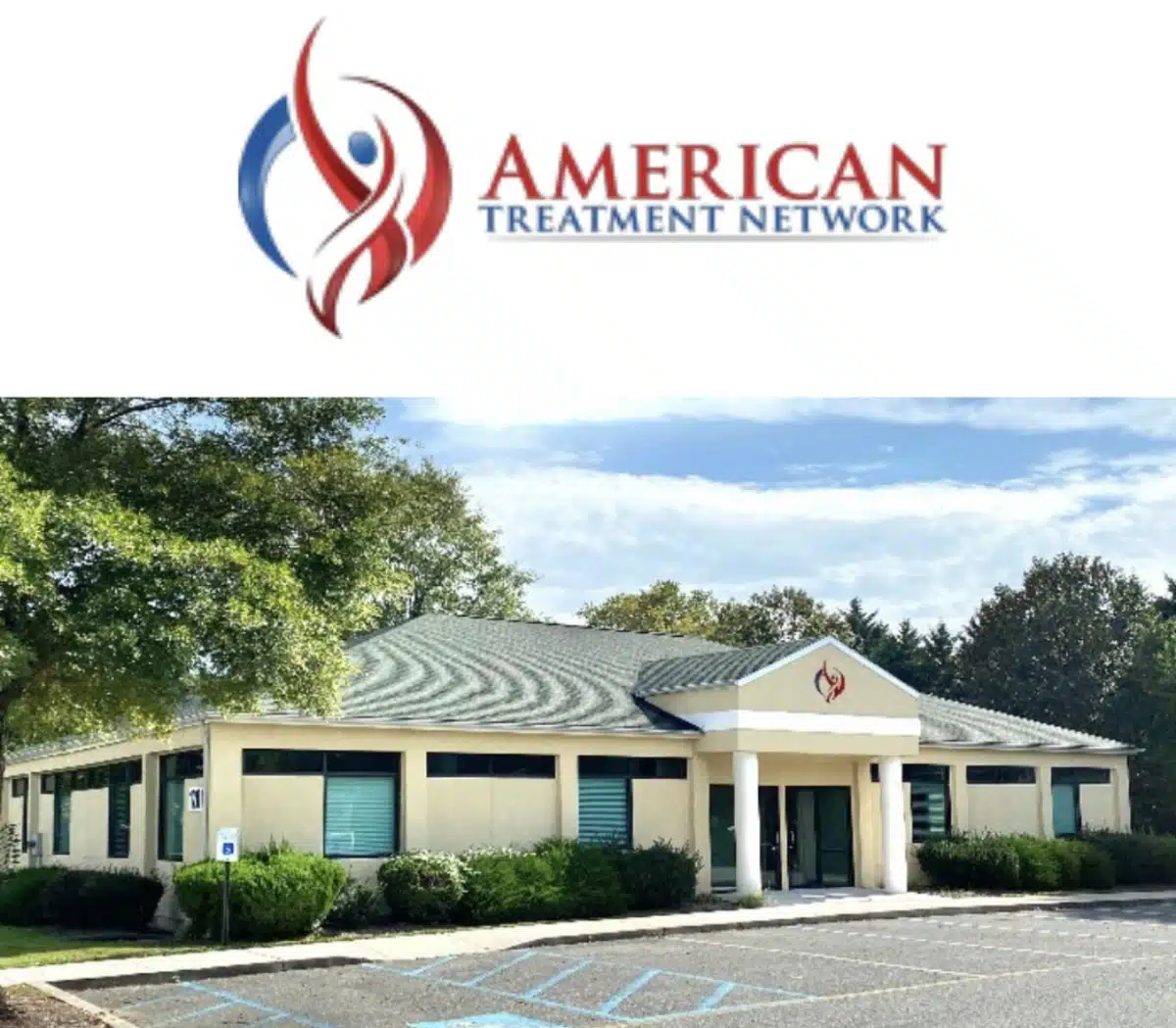
ATS of Delaware LLC


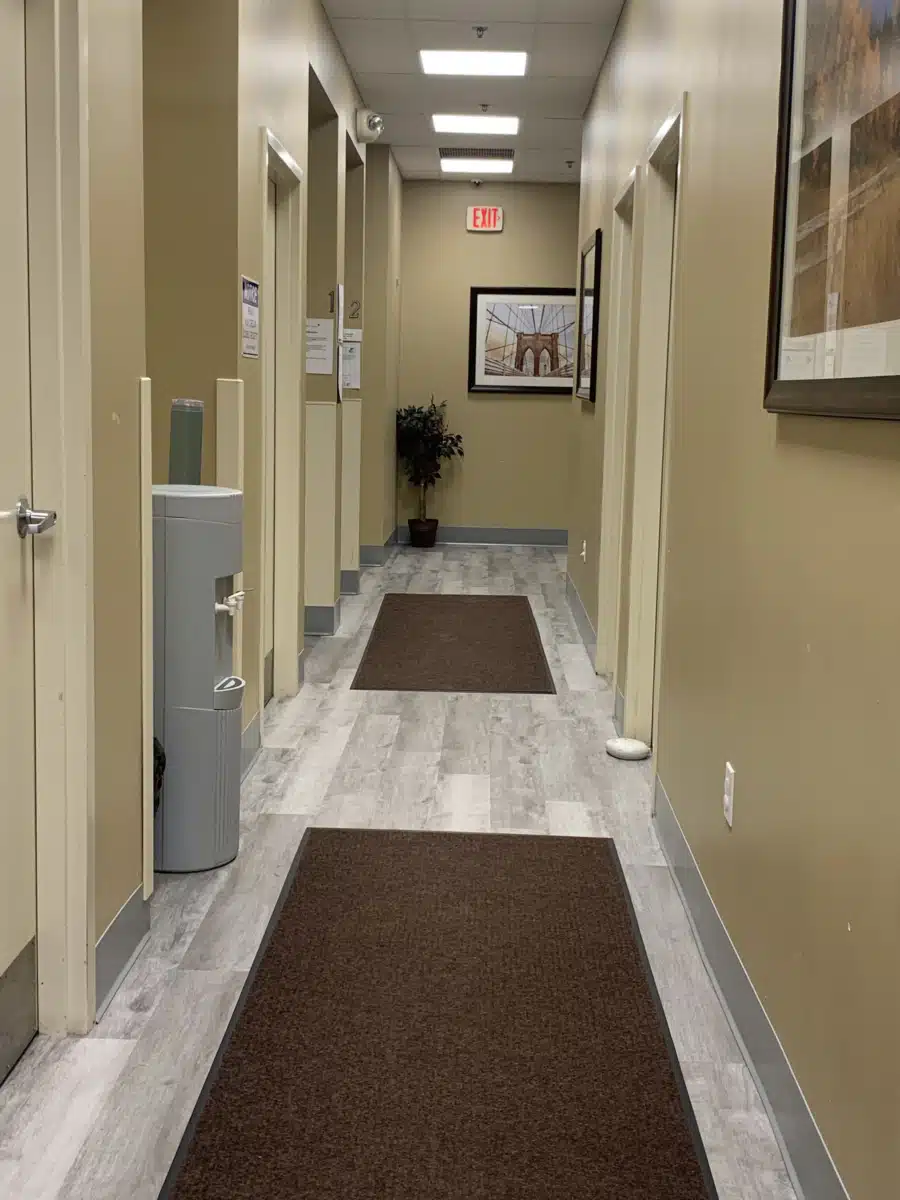
Dover OTP

South Chapel
Community Services


Millsboro
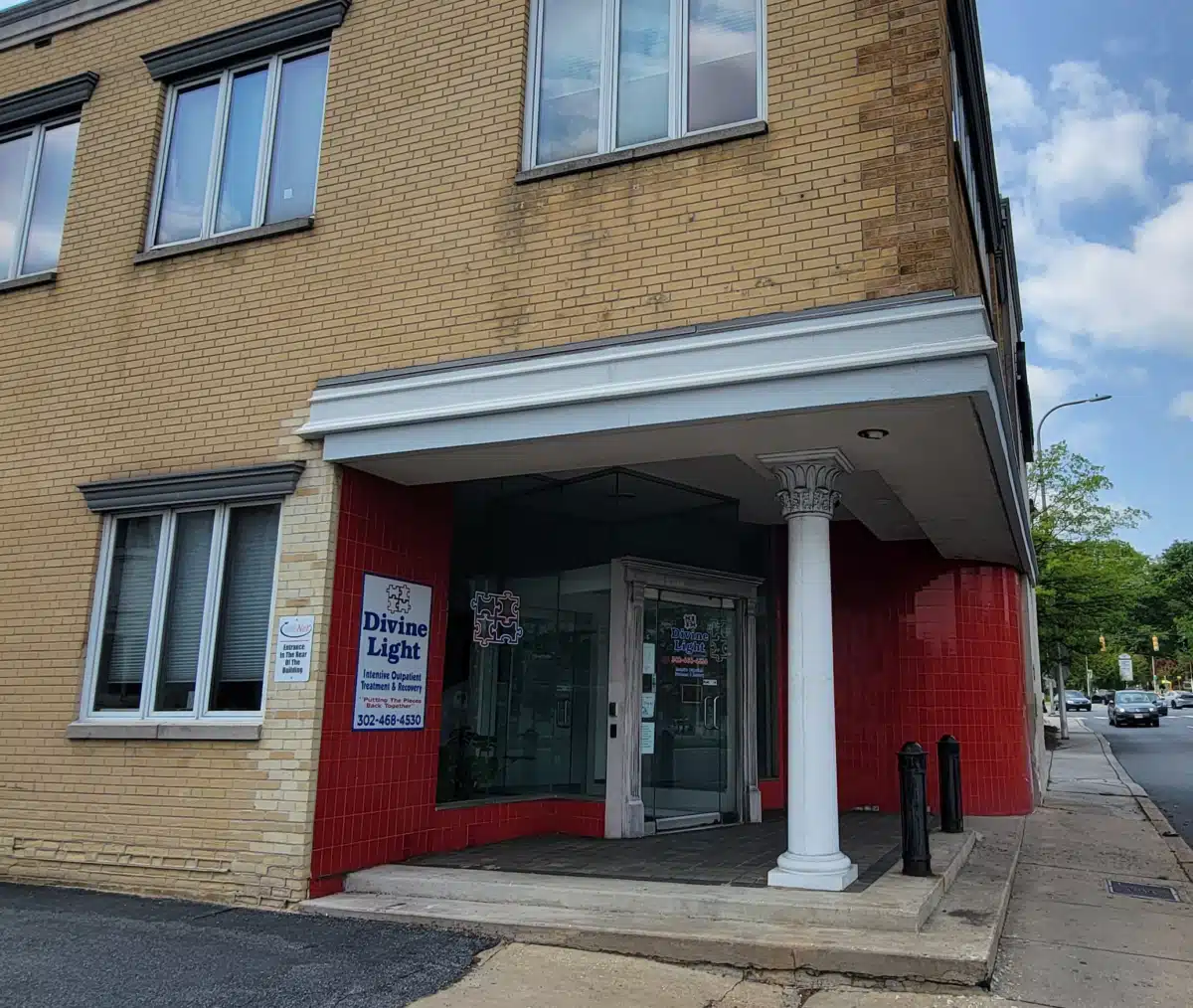


Smallwood House
Community Services Inc (BCCS)
Treatment Highlights in Delaware
Popular Cities in Delaware
Frequently Asked Questions About Treatment in Delaware
Sources
Medical Disclaimer
The information on this page is for educational purposes and is not a substitute for professional medical advice. If you or someone you know is experiencing a substance use crisis, call the SAMHSA National Helpline at 1-800-662-4357 (free, confidential, 24/7). For immediate danger, call 911 or the 988 Suicide & Crisis Lifeline by dialing 988.