
PTSD Rehab Centers
Post-Traumatic Stress Disorder (PTSD) and substance use disorders are closely linked—studies show that up to 75% of people who experience trauma develop problems with alcohol or drugs. Specialized treatment programs offer trauma-informed care using evidence-based therapies like EMDR (Eye Movement Desensitization and Reprocessing), Prolonged Exposure therapy, and Cognitive Processing Therapy. These programs create safe environments where individuals can process trauma while receiving support for addiction recovery, addressing both conditions as interconnected parts of a whole.
Found 1,912 rehab centers specializing in ptsd across the United States.
Want us to find the perfect facility for you?
Call now - it's completely free!
Showing 20 of 1912 ptsd rehab centers
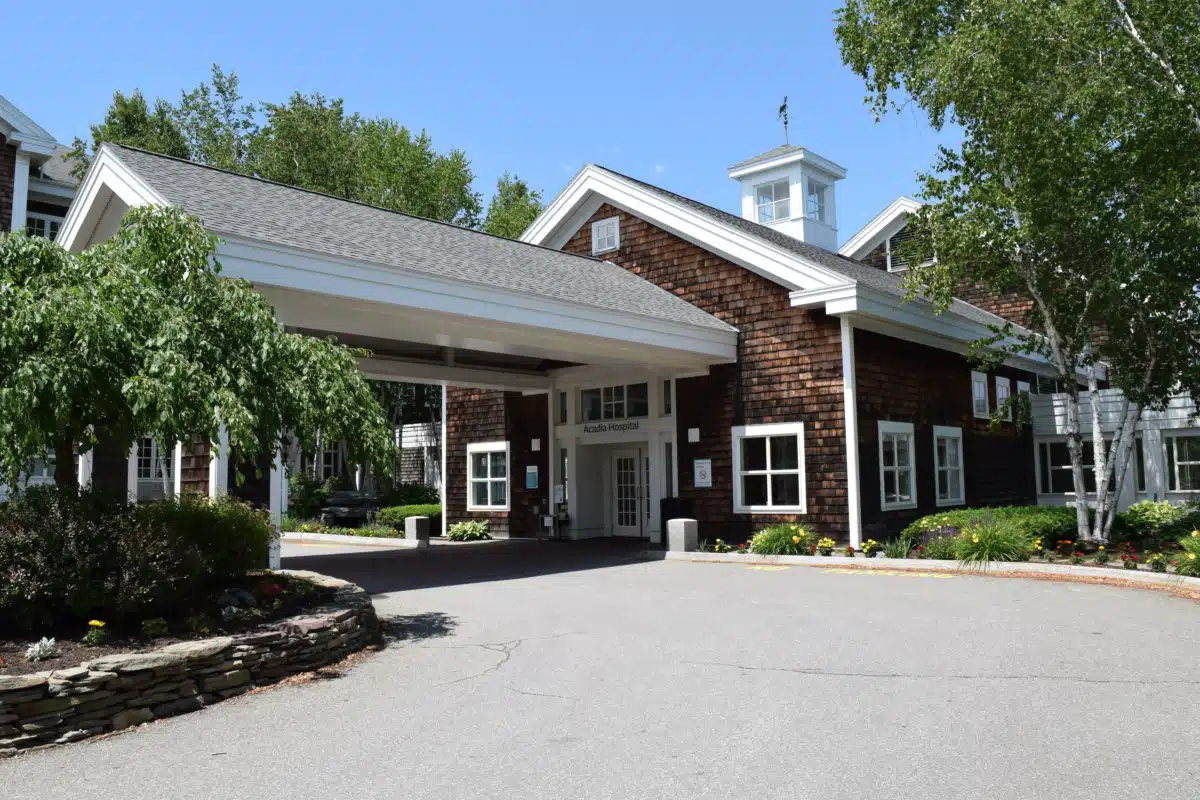
Located in Bangor, Maine, Acadia Hospital stands out for its dedicated rehabilitation services geared towards those struggling with substance use and co-occurring mental health challenges. This facility offers both intensive outpatient and outpatient programs designed specifically for adults who are facing serious emotional disturbances or mental health conditions. At Acadia, the treatment approaches are diverse and tailored to each individual's needs. Programs include anger management, cognitive behavioral therapy, and utilize the Matrix Model—an evidence-based treatment framework that has proven effective for many. The center recognizes that different individuals have unique experiences and, as such, has developed special programs for adult men and women, as well as for those who have encountered trauma. Focusing on both adults and young adults, Acadia provides gender-specific care to ensure that each person receives the support that is most appropriate for them. With a commitment to quality care, the hospital emphasizes personalized treatment plans, all aimed at guiding individuals along their recovery journeys and fostering a supportive environment conducive to healing.
View Details
Access Recovery Solutions, located in Delray Beach, FL, provides specialized outpatient treatment for both adults and young adults struggling with substance use issues. Their comprehensive services include outpatient treatment options such as methadone or buprenorphine, as well as naltrexone therapies. In addition, they offer regular outpatient services and tailored programs specifically designed for clients who have encountered trauma in their lives. This center stands out for its commitment to a variety of therapeutic approaches, placing a strong emphasis on 12-step facilitation, anger management, and brief interventions. Access Recovery Solutions proudly serves both male and female clients, ensuring that everyone receives the care and support they need. With a dedicated focus on individualized treatment plans, the facility aims to prioritize quality care, assisting individuals on their personal paths to recovery from addiction.
View Details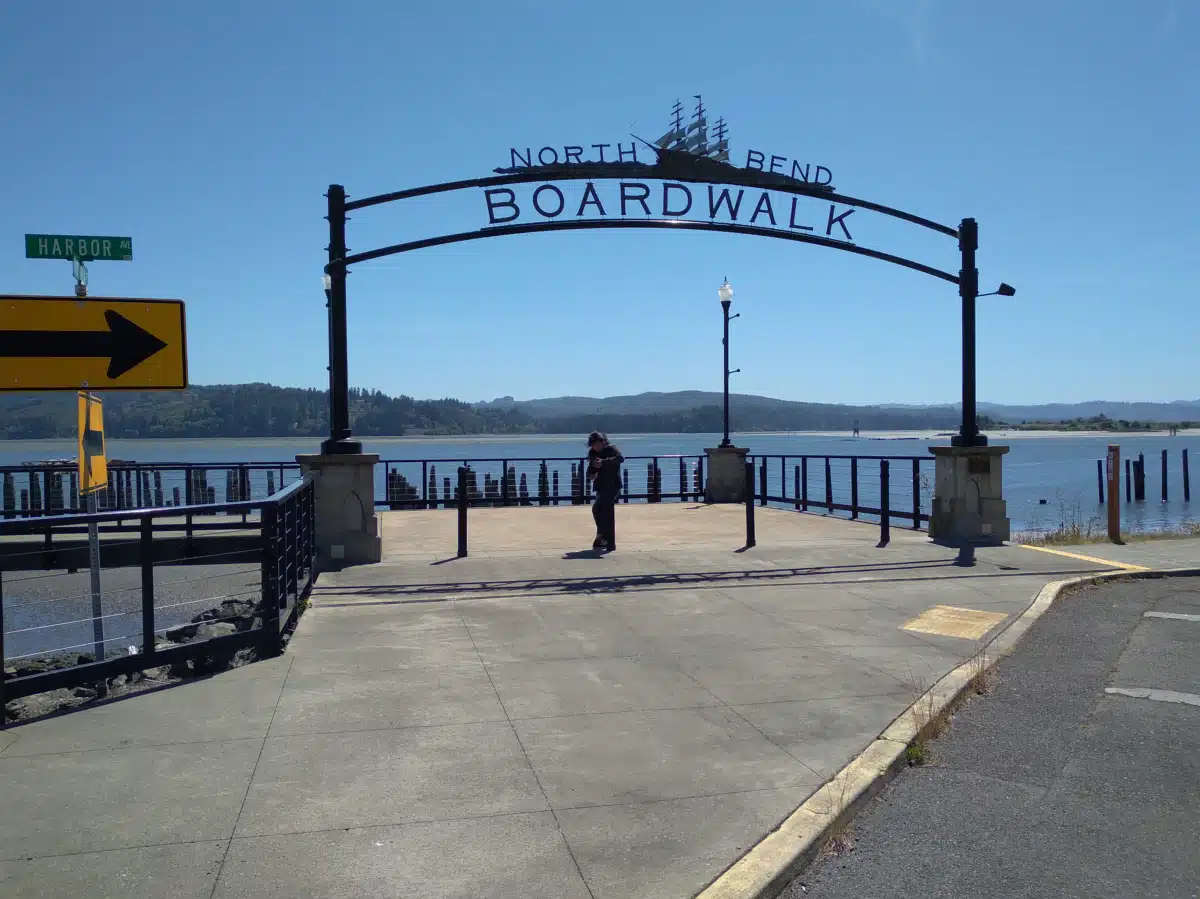
Located in North Bend, OR, Adapt Integrated Healthcare is dedicated to providing outpatient substance use treatment that is thoughtfully customized to meet the unique needs of each individual. The facility recognizes the varied experiences of its clients, offering specialized programs for adult men and women, as well as for individuals who have encountered trauma. This approach ensures that everyone who walks through their doors finds a welcoming and supportive space conducive to recovery. The center employs a range of effective therapeutic techniques, including cognitive behavioral therapy, motivational interviewing, and contingency management. These evidence-based practices are designed to promote comprehensive care, supporting clients in their journey toward sobriety. Adapt Integrated Healthcare serves both adults and young adults alike, ensuring that both male and female clients have access to the resources they need. With its strong commitment to delivering high-quality, personalized treatment, Adapt Integrated Healthcare stands out as a significant resource for those in quest of effective addiction treatment options in the North Bend community.
View Details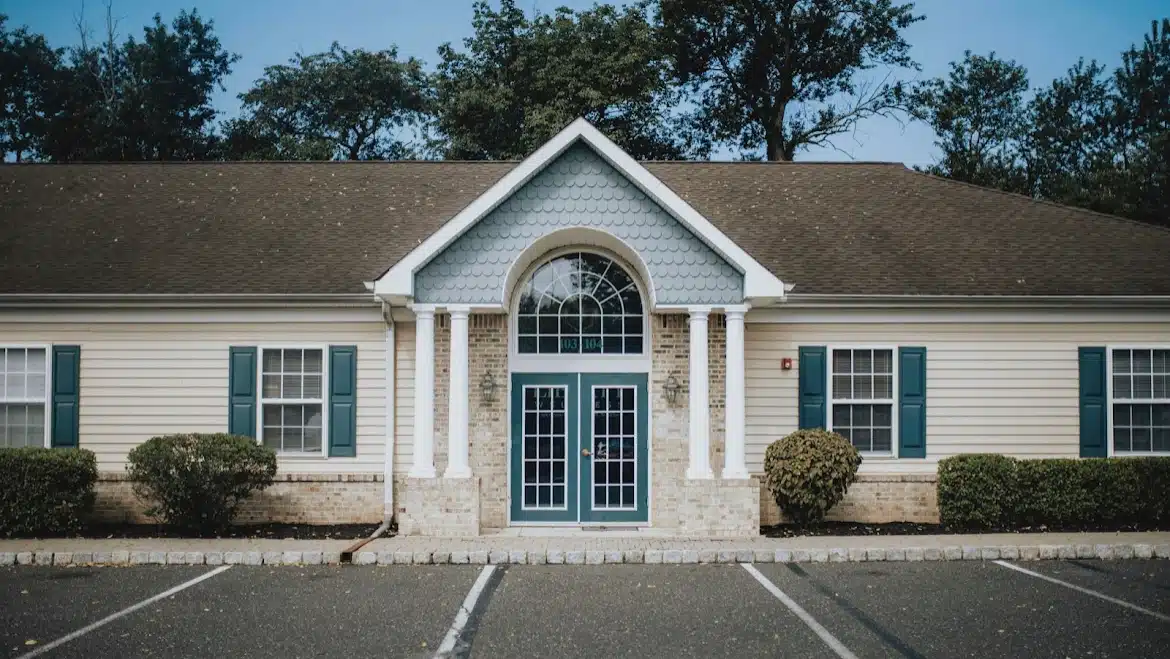
Situated in Berlin, New Jersey, Addiction Recovery Consultants is dedicated to helping individuals overcome substance use disorders and co-occurring mental health issues through a variety of evidence-based treatment programs. This facility offers several options, including intensive outpatient programs, long-term residential care, and standard outpatient services, making it accessible to both adults and young adults of all genders. What sets Addiction Recovery Consultants apart is its specialization in different therapeutic approaches. They focus on 12-step facilitation, anger management, and brief intervention strategies to best meet the diverse needs of their clients. Additionally, the center recognizes the complexities that can arise for those with a history of trauma or sexual abuse, offering targeted support for these individuals as well. At Addiction Recovery Consultants, clients can look forward to receiving comprehensive and personalized care. The team is committed to creating a nurturing environment that fosters healing and recovery, catering to each individual's unique journey.
View Details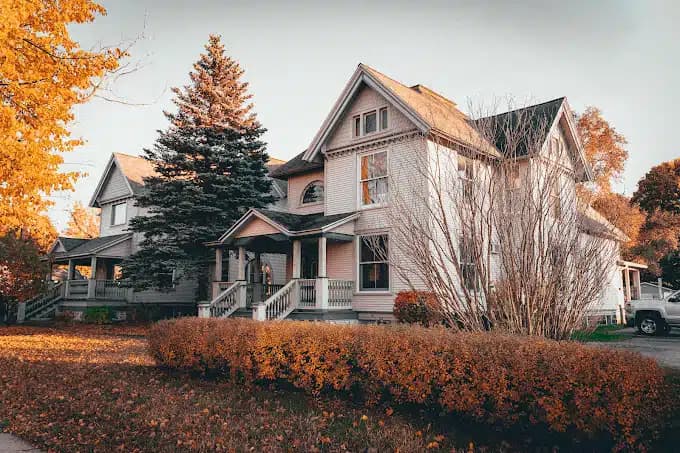
In Traverse City, MI, addiction treatment services are designed to meet the diverse needs of individuals struggling with substance use disorders. This facility offers a full spectrum of specialized programs that cater to various demographics, including long-term residential, short-term residential, and transitional housing options specifically for adult women on their recovery journey. Central to their approach is a commitment to holistic treatment, which integrates elements such as 12-step facilitation, anger management, and brief intervention strategies. These are aimed at fostering healing and personal growth. Notably, the center recognizes that many clients face unique challenges, so they offer innovative programs that specifically target the complexities of co-occurring substance use and severe mental health conditions among adults, as well as emotional disturbances in children. Moreover, the facility acknowledges the profound impact of experiences like intimate partner violence and provides tailored support for clients who have faced such trauma. It proudly serves a wide range of individuals, including adults, seniors, and young adults, emphasizing quality care and personalized treatment plans. For women seeking a nurturing environment to facilitate their rehabilitation, this center is dedicated to creating a supportive space that enhances their path to recovery.
View Details
Nestled in the heart of Clifton Springs, NY, the Addictions Crisis Center specializes in providing a wide range of detoxification services tailored specifically for adults and young adults grappling with addiction. This center stands out for its commitment to 12-step facilitation, anger management techniques, and brief intervention strategies, all designed to address the unique needs of its clients. The facility offers specialized programs for various groups, including adult men, adult women, and individuals who have faced trauma. With a focus on creating a supportive environment, the Addictions Crisis Center provides not only residential detoxification but also around-the-clock residential care. This ensures that both male and female clients receive the attention and support they need at all hours. Renowned for its high standard of care, the center is dedicated to developing individualized treatment plans that reflect the specific circumstances and challenges of each person. As a result, the Addictions Crisis Center has become a leading choice for those in search of effective and personalized services for addiction recovery.
View Details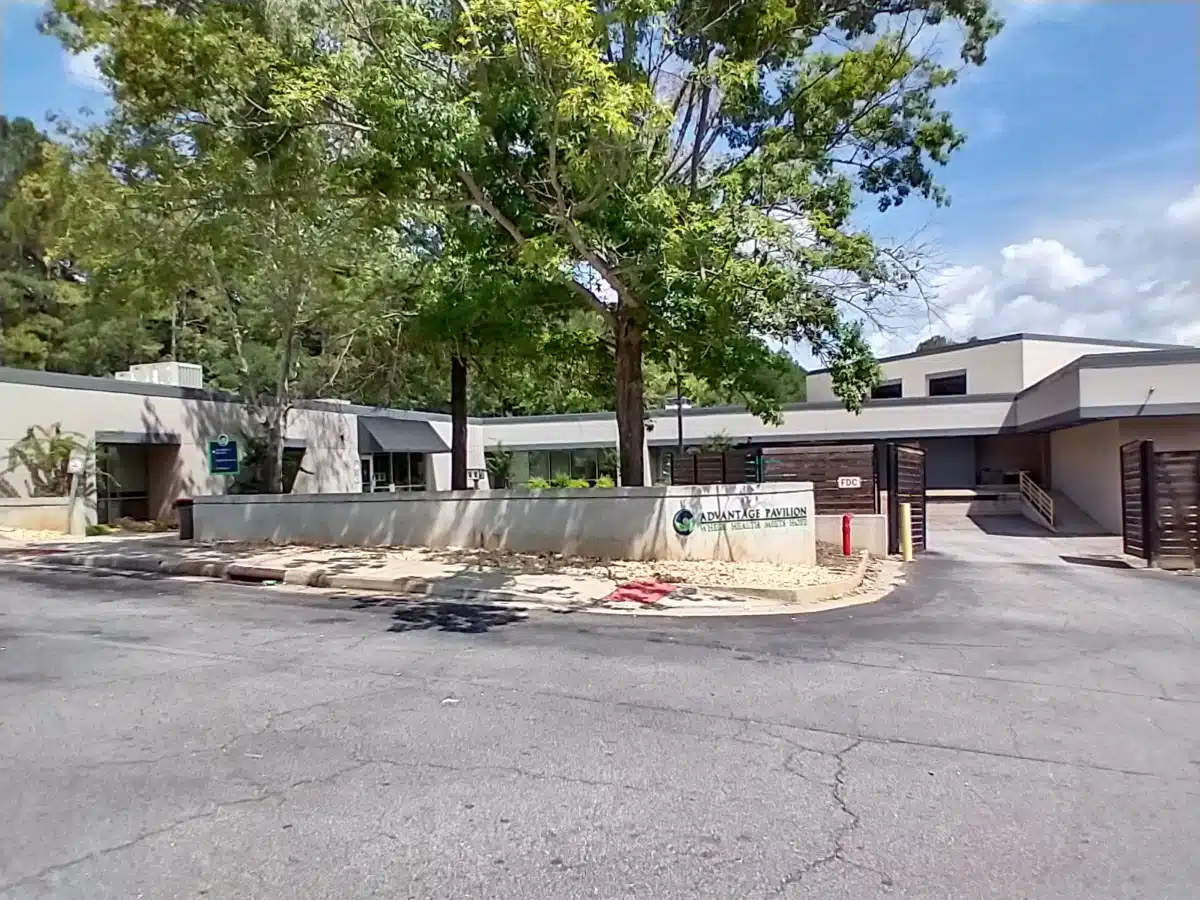
Advantage Behavioral Health Systems, located in Athens, GA, is dedicated to providing a wide array of addiction treatment services tailored to meet various needs. Their offerings include detoxification, substance use treatment, transitional housing, and sober living accommodations, ensuring that individuals find the right support at every stage of their recovery journey. One of the standout features of this facility is its commitment to serving a variety of populations, including specialized programs designed for adult men, adult women, and clients who have experienced trauma. This diversity in programming speaks to their understanding that recovery is not a one-size-fits-all process, and they strive to address the unique challenges faced by each individual. In terms of treatment formats, Advantage Behavioral Health Systems provides several options, such as intensive outpatient programs, standard outpatient care, and partial hospitalization. This flexibility allows clients to choose a level of care that fits their specific circumstances and schedules, enhancing their chances for a successful recovery. Moreover, the facility employs a comprehensive therapeutic approach that includes anger management, brief interventions, and cognitive behavioral therapy. By integrating these methods, they address not just the addiction itself but also the underlying emotional and psychological issues that may contribute to substance use. Importantly, Advantage Behavioral Health Systems serves a broad age range, offering care for both adults and children or adolescents. This inclusive approach ensures that all clients receive personalized attention that reflects their particular developmental and personal needs. With its focus on delivering high-quality, individualized treatment, Advantage Behavioral Health Systems has established itself as a trustworthy option for anyone seeking effective rehabilitation services. Whether you're just beginning your recovery journey or are looking for ongoing support, this center is prepared to help you every step of the way.
View Details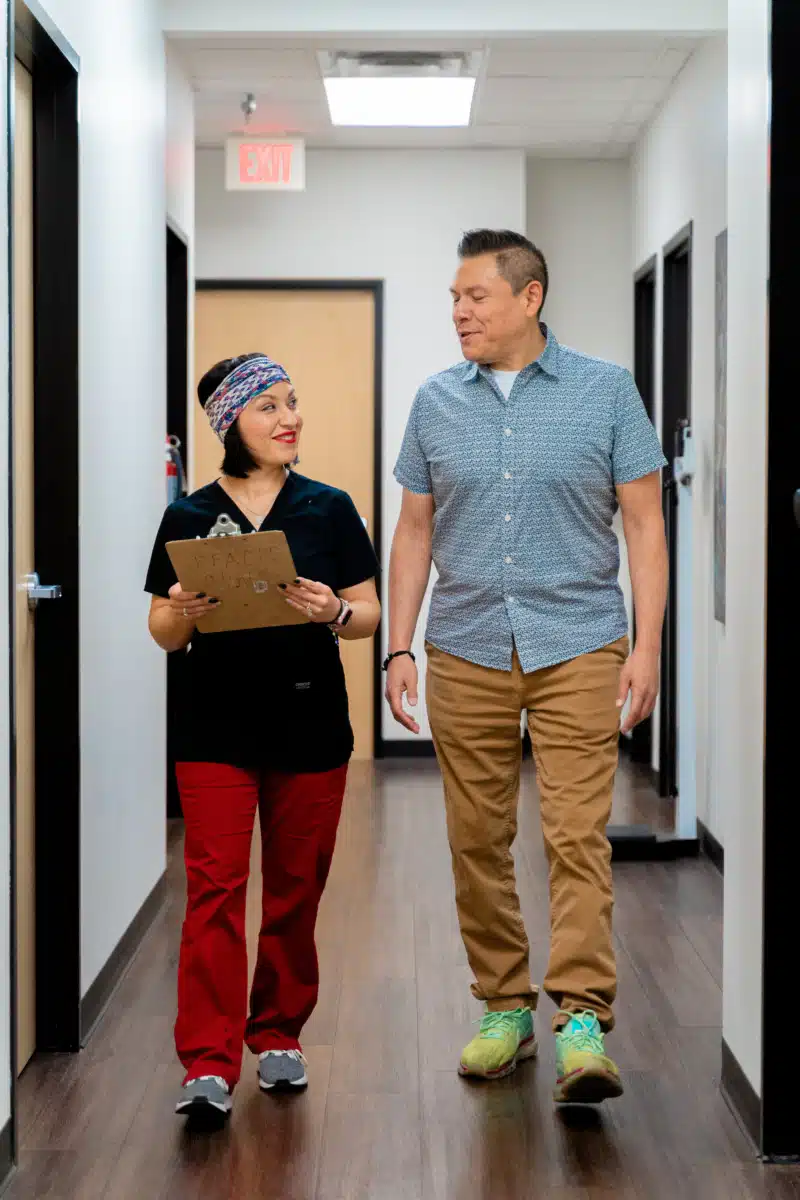
Located in San Antonio, TX, the Alamo Area Resource Center Inc is dedicated to providing outpatient treatment for individuals facing substance use challenges, as well as co-occurring mental health issues. This facility caters to both adults and children, offering a compassionate and nurturing environment for those in need. At the heart of their approach are various therapeutic strategies, including anger management, brief intervention, and cognitive behavioral therapy. These methods are designed to address the unique needs of clients who may have endured traumatic experiences, such as intimate partner violence, domestic violence, sexual abuse, or those living with HIV or AIDS. Emphasizing the importance of tailored care, the center serves a diverse population of adults and seniors from all gender identities. They are committed to prioritizing high-quality care and creating individualized treatment plans that truly support clients on their journey toward recovery. With a focus on holistic healing and empowerment, the Alamo Area Resource Center Inc stands as a vital resource for those seeking help.
View DetailsNestled in the heart of Roseburg, Oregon, Adapt Integrated Healthcare is dedicated to supporting adolescents who are grappling with addiction through its long-term and 24-hour residential treatment programs. This facility stands out for its commitment to employing effective strategies such as 12-step facilitation, brief intervention techniques, and contingency management with motivational incentives, all designed to engage young individuals on their journey to recovery. What really sets Adapt apart are its tailored programs that specifically address the needs of clients who have endured trauma, as well as those battling co-occurring mental health and substance use disorders. These specialized treatment options ensure that every individual receives the targeted care they require. By providing a nurturing environment for both male and female clients, Adapt Integrated Healthcare emphasizes a holistic approach to recovery, fostering a strong support system for young people as they navigate the path toward healing and renewal. If you or someone you know might benefit from this kind of dedicated care, Adapt is committed to delivering comprehensive support with a focus on quality treatment.
View DetailsAdvantage Behavioral Health Systems, located in Jefferson, GA, provides an extensive array of addiction treatment services designed to support individuals on their recovery journey. Their offerings encompass a variety of essential programs, including detoxification to help manage withdrawal symptoms, comprehensive substance use treatment, and transitional housing options, such as halfway houses and sober living environments. For those seeking more flexible treatment options, the facility also provides several outpatient services, including intensive outpatient treatment, outpatient day treatment, and partial hospitalization programs. These services ensure that individuals receive the care they need while still having the opportunity to maintain their daily activities. The center's approach to treatment is holistic and addresses various aspects of recovery, with an emphasis on anger management, brief interventions, and cognitive-behavioral therapy. This makes it ideal for adult men and women, as well as those who have faced traumatic experiences. Advantage Behavioral Health Systems is committed to accommodating a wide range of clients, offering specialized care tailored to meet the unique needs of each individual. They proudly serve both adults and younger populations, including children and adolescents, ensuring that all who seek help have access to high-quality, effective rehabilitation services. With their dedicated and compassionate approach, Advantage Behavioral Health Systems is focused on providing the support necessary for lasting recovery.
View Details
Nestled in the heart of Medford, Oregon, the Addictions Recovery Center stands as a beacon of hope for both adults and young adults grappling with substance use issues. This facility is dedicated to treating individuals facing not just addiction, but also co-occurring mental health challenges or emotional disturbances, appealing to a diverse clientele of both men and women. One of the center's key strengths lies in its focus on intensive outpatient and outpatient care, designed to meet the unique needs of its clients. They offer tailored programs particularly for those who have encountered intimate partner violence, acknowledging the complex interplay between trauma and addiction. At the Addictions Recovery Center, a variety of evidence-based approaches are employed to facilitate recovery. These include anger management techniques, cognitive behavioral therapy (CBT), and brief intervention strategies. Each of these methods is thoughtfully integrated into the care provided, ensuring that individuals receive the quality support they need on their journey to recovery from addiction. By fostering a compassionate and structured environment, the center empowers its clients to reclaim their lives and pursue lasting healing.
View Details
Located in Hot Springs, SD, the Addiction Recovery Centers of the offers a wide range of comprehensive treatment options for individuals struggling with substance use disorders. Their programs include intensive outpatient, outpatient, and regular outpatient formats, ensuring that they can meet the unique needs of each individual who seeks help. This center stands out for its focus on several well-regarded therapeutic approaches. Clients can benefit from 12-step facilitation, which provides a structured framework for recovery, as well as cognitive behavioral therapy that helps individuals understand and change their thought patterns related to substance use. Additionally, they employ contingency management and motivational incentives to encourage positive behavior change. Recognizing that recovery is not one-size-fits-all, the center offers specialized programs designed for various demographics, including adult men and women, as well as clients who have faced trauma. This tailored approach helps to create a supportive environment that addresses the specific challenges and experiences of each group served. The center doesn't just cater to adults; it also extends its services to children and adolescents, ensuring that younger clients receive appropriate and effective care. For both male and female clients, the facility provides gender-specific programs, which have been shown to enhance comfort and engagement in the recovery process. Throughout the treatment journey, the experienced and compassionate staff prioritize quality care and work closely with clients to develop individualized treatment plans. Their dedication to creating a supportive and effective recovery environment makes Addiction Recovery Centers of the in Hot Springs a top choice for anyone seeking meaningful and lasting recovery from addiction.
View Details
The Acute Stabilization Unit, located in Providence, RI, offers dedicated and specialized care for both adults and children dealing with substance use issues and co-occurring mental health disorders. This facility provides a range of programs, including both residential and short-term residential treatment options. Its approach encompasses an array of therapeutic methods, such as brief interventions, cognitive behavioral therapy (CBT), and effective relapse prevention strategies. Recognizing that each individual's journey is unique, the unit offers tailored programs designed specifically for adult men, women, and individuals who have faced trauma. Notably, the center emphasizes gender-specific care, ensuring that both males and females receive support that aligns with their unique experiences and needs. With a mission centered on providing high-quality, personalized treatment, the Acute Stabilization Unit is committed to fostering recovery and enhancing overall well-being in a supportive environment. Whether you are seeking help for yourself or a loved one, this facility's focus on individualized care makes it a valuable resource in the community.
View DetailsAdapt Integrated Healthcare, situated in the heart of Roseburg, Oregon, specializes in delivering a wide range of substance use treatment options designed to address the unique needs of each individual. Their outpatient services include treatments such as methadone, buprenorphine, or naltrexone, ensuring that clients receive care that is both effective and adaptable to their specific situations. In addition to these medication-assisted treatments, the center offers a regular outpatient program that leverages evidence-based methods. Among these are cognitive behavioral therapy, which helps individuals identify and change negative thought patterns, contingency management and motivational incentives to encourage positive behavior changes, and motivational interviewing to support clients in setting and achieving their recovery goals. Adapt Integrated Healthcare also recognizes that different groups may have distinct needs. That's why they have special programs tailored specifically for adult men, adult women, and individuals who have experienced trauma. This focus ensures that all clients, whether adults or young adults and regardless of gender, receive compassionate and comprehensive care in an environment that prioritizes inclusivity and understanding. For anyone seeking addiction treatment in Roseburg, this center strives to provide the support and resources necessary for a successful recovery journey.
View DetailsAt Addiction Recovery Care (ARC) located in Tampa, FL, individuals seeking help can access a thorough range of treatment options designed to address substance use disorders and co-occurring serious mental health issues. The center offers diverse outpatient services, featuring both intensive outpatient programs and standard outpatient care, ensuring that there’s a suitable option for everyone. ARC places a strong emphasis on personalized treatment approaches, incorporating methods such as anger management, cognitive behavioral therapy, and relapse prevention techniques. Understanding that each individual’s journey is unique, they adapt their strategies to meet the specific needs and circumstances of every client. Furthermore, the center provides specialized programs to support various populations, including those who have faced trauma, individuals involved in the criminal justice system, and veterans navigating their recovery. By addressing these unique experiences, ARC aims to create a more tailored and effective recovery process. Catering to a wide demographic, ARC serves both adults and younger clients, including children and adolescents. Importantly, they offer specialized services that recognize the distinct experiences and challenges faced by both male and female clients. With a strong commitment to quality care and evidence-based practices, Addiction Recovery Care is dedicated to supporting individuals on their path toward a healthier, substance-free life.
View DetailsNestled in Rapid City, SD, the Addiction Recovery Centers provide an extensive array of substance use treatment programs designed specifically for both adults and young adults. Whether you're looking for intensive outpatient treatment or standard outpatient options, this facility has you covered. The center employs a variety of evidence-based methods to facilitate recovery, including popular approaches like 12-step facilitation, cognitive behavioral therapy, and contingency management with motivational incentives. This ensures that clients—both men and women who may have faced different types of trauma—receive the best possible care tailored to their unique needs. To further enhance the support system, the center offers specialized programs that cater to different genders and age groups, promoting personalized treatment experiences. If you or someone you know is seeking to overcome addiction, the Addiction Recovery Centers are dedicated to providing the guidance and assistance necessary for a successful recovery journey.
View DetailsAdvantage Behavioral Health Systems, located in Monroe, GA, offers a wide array of addiction treatment services tailored for individuals of all ages—men, women, children, and adolescents alike. This facility stands out by providing a supportive environment that addresses various needs, including detoxification and substance use treatment. They also offer valuable transitional housing and options such as halfway houses and sober living homes, ensuring ongoing support for those on their recovery journey. Their treatment formats are diverse, featuring intensive outpatient programs, traditional outpatient services, and outpatient day treatment, allowing clients to choose the option that best fits their lifestyle and recovery goals. The center specializes in several therapeutic approaches, including anger management, brief interventions, and cognitive behavioral therapy. This focus ensures that they cater to the unique needs of adult men and women, as well as clients who have faced trauma. Advantage Behavioral Health Systems prioritizes individualized care, employing evidence-based practices to deliver high-quality treatment that supports each person in their quest for recovery from addiction. Here, clients can find the understanding and tools they need to reclaim their lives and move toward a healthier future.
View DetailsNestled in Anchorage, Alaska, Akeela Inc. provides a broad range of substance use treatment and transitional housing services designed to meet diverse needs. The center features several types of treatment programs, including intensive outpatient care, standard outpatient services, and regular outpatient options. Akeela Inc. employs a variety of therapeutic methods to support their clients, including anger management, brief intervention techniques, and cognitive behavioral therapy. They serve a wide demographic, focusing on adult men and women, as well as those who have experienced trauma. The facility is particularly adept at treating both adults and young adults, offering specialized, gender-specific care to ensure that the unique challenges faced by males and females are addressed effectively. Dedicated to high-quality, individualized treatment, Akeela Inc. strives to foster an environment that supports clients on their journey to recovery, providing the tools and resources necessary for sustained progress. Whether you or someone you know is seeking help, Akeela Inc. is committed to guiding individuals toward a healthier and more fulfilling life.
View DetailsAkeela Inc., nestled in Anchorage, AK, is dedicated to providing a wide array of substance use treatment services tailored to meet diverse needs. Their offerings include long-term and short-term residential programs, as well as transitional housing options—each designed to support individuals at varying stages of their recovery journey. What sets Akeela Inc. apart is its emphasis on specialized therapies. The facility has developed unique programs that focus on anger management, brief interventions, and cognitive behavioral therapy, ensuring clients receive the effective support they require. Importantly, they cater to various demographics, offering specific programs for adult men and women, as well as individuals who have faced trauma. The center is committed to serving both adults and young adults, carefully providing separate programming for males and females. By focusing on individualized care within a nurturing environment, Akeela Inc. stands out as a trusted ally for anyone seeking meaningful rehabilitation services. Their dedication to quality and personalized treatment makes them a reliable choice for those ready to take the crucial steps toward recovery.
View DetailsAkeela Inc, situated in the scenic town of Ketchikan, AK, is dedicated to providing a wide array of substance use treatment services. This facility stands out by offering various living arrangements, including transitional housing, a halfway house, and sober living homes, all designed to support individuals in their recovery journey. The programs at Akeela cater to both adults and young adults, addressing not only substance use but also tackling co-occurring serious mental health disorders. This holistic approach is particularly beneficial for those who have experienced trauma, a specialized focus that sets Akeela apart. Committed to delivering high-quality care, the center offers several treatment formats such as intensive outpatient, outpatient, and regular outpatient programs. Their therapeutic methodologies encompass 12-step facilitation, anger management, and brief intervention therapies, ensuring that clients receive a well-rounded treatment experience. Recognizing the unique needs of their clientele, Akeela Inc provides tailored programs for adult men and women, as well as for those dealing with the effects of trauma. This thoughtful approach makes Akeela Inc a vital resource for anyone seeking effective and compassionate rehabilitation services in the Ketchikan community.
View DetailsAbout PTSD Treatment
Post-Traumatic Stress Disorder and substance use disorders are among the most frequently co-occurring conditions in behavioral health. The U.S. Department of Veterans Affairs reports that up to 75% of individuals who survive traumatic events develop problematic alcohol or drug use. PTSD develops when the brain's stress response system remains in a heightened state after trauma — combat exposure, sexual assault, accidents, or childhood abuse. Substances temporarily suppress hyperarousal and intrusive memories, reinforcing a cycle of dependence. Evidence-based therapies such as EMDR, Prolonged Exposure, and Cognitive Processing Therapy have strong research support for treating both conditions concurrently.
Understanding PTSD and Addiction
Post-Traumatic Stress Disorder (PTSD) develops after experiencing or witnessing traumatic events. The relationship between PTSD and substance use is powerful—studies show that up to 75% of people who experience violent or abusive trauma develop alcohol or drug problems.
Types of trauma that can lead to PTSD:
- Military combat and war experiences
- Physical or sexual assault
- Childhood abuse or neglect
- Serious accidents or natural disasters
- Witnessing violence or death
- Medical trauma or life-threatening illness
- First responder trauma
Recognizing PTSD Symptoms
PTSD symptoms typically fall into four categories:
- Re-experiencing: Flashbacks, nightmares, intrusive memories
- Avoidance: Staying away from trauma reminders, emotional numbing
- Negative changes in thoughts/mood: Guilt, shame, feeling detached
- Hyperarousal: Being easily startled, difficulty sleeping, hypervigilance
Why Substances and Trauma Are Connected
People with PTSD often turn to substances to cope with overwhelming symptoms. Alcohol may help numb painful emotions, stimulants might combat fatigue from poor sleep, and opioids can provide temporary relief from emotional pain. However, this self-medication ultimately worsens both conditions.
Trauma-Informed Treatment Approaches
Effective treatment for PTSD and addiction requires specialized trauma-informed care that feels safe and empowering.
Evidence-Based Trauma Therapies
- EMDR (Eye Movement Desensitization and Reprocessing): Helps process traumatic memories
- Cognitive Processing Therapy (CPT): Addresses stuck points and negative beliefs from trauma
- Prolonged Exposure Therapy: Gradually facing trauma memories and reminders
- Seeking Safety: An integrated approach specifically for PTSD and addiction
- Trauma-Focused CBT: Addresses trauma-related thoughts and behaviors
Holistic Healing Approaches
- Mindfulness and meditation for nervous system regulation
- Yoga and somatic therapies
- Art and music therapy for processing emotions
- Equine therapy for building trust and connection
What to Expect in PTSD & Addiction Treatment
Trauma-informed treatment follows a phased approach that prioritizes safety before deep trauma processing.
- Phase 1 — Safety & Stabilization (Weeks 1–4): Substance detox if needed, establishing physical and emotional safety, developing coping skills for managing triggers and flashbacks, and building therapeutic trust. No trauma processing occurs in this phase
- Phase 2 — Trauma Processing (Weeks 4–16): When clinically ready, evidence-based trauma therapies are introduced — EMDR (typically 6–12 sessions), Prolonged Exposure (8–15 sessions), or Cognitive Processing Therapy (12 sessions). Substance use monitoring continues alongside
- Phase 3 — Integration & Reconnection (Weeks 12+): Applying new skills to daily life, rebuilding relationships, vocational support, and developing a sustainable recovery lifestyle. Step-down from residential to IOP or outpatient
- Ongoing: PTSD is manageable but may require periodic treatment re-engagement, especially during stressful life transitions. Relapse prevention planning addresses both trauma triggers and substance use triggers
Treatment Outcomes
Research from the National Center for PTSD shows that 53% of individuals with PTSD who complete evidence-based trauma therapy no longer meet diagnostic criteria for PTSD at follow-up. The "Seeking Safety" model — designed specifically for co-occurring PTSD and substance use — demonstrates improvements in both PTSD symptoms and substance use across multiple randomized controlled trials. Integrated treatment consistently outperforms sequential approaches.
Authoritative resources for PTSD and co-occurring addiction:
- National Center for PTSD
- NIMH - PTSD
- Veterans Crisis Line: Call 988, then press 1
Insurance & Payment for PTSD Treatment
Most health insurance plans are required to cover addiction and mental health treatment under the Mental Health Parity and Addiction Equity Act (MHPAEA) and the Affordable Care Act (ACA). This means treatment for ptsd is typically covered at the same level as other medical conditions.
Common insurance coverage for ptsd treatment includes:
- Medical detoxification services
- Inpatient/residential treatment programs
- Intensive outpatient programs (IOP)
- Outpatient therapy and counseling
- Psychiatric medication management
Coverage specifics vary by plan and provider. Contact your insurance company directly or call the treatment center to verify benefits before enrolling. Many facilities offer free insurance verification.
For those without insurance, options include state-funded programs through SAMHSA, Medicaid (eligibility varies by state), sliding-scale payment programs, and nonprofit treatment centers. Learn more about insurance coverage for addiction treatment.
Related Conditions & Treatments
Understanding the connections between conditions, treatment methods, and levels of care can help you make more informed decisions about recovery.
Treatment Methods
Levels of Care
Related Conditions
Medical Disclaimer
The information on this page is intended for educational purposes only and should not replace professional medical advice, diagnosis, or treatment. Always consult a qualified healthcare provider before making decisions about addiction treatment. If you or someone you know is in crisis, call the 988 Suicide & Crisis Lifeline or the SAMHSA National Helpline (1-800-662-4357).