
Marijuana Dependence Rehab Centers
While often perceived as less harmful than other substances, cannabis use disorder is a recognized condition that can significantly impact daily functioning, mental health, and quality of life. Research shows that approximately 9% of marijuana users develop dependence, with higher rates among those who start young or use daily. Treatment for marijuana dependence focuses on evidence-based behavioral therapies such as Motivational Enhancement Therapy (MET) and Cognitive Behavioral Therapy, addressing underlying issues like anxiety, depression, or trauma that may contribute to use. Programs help individuals develop healthy coping mechanisms, rebuild relationships, and establish fulfilling lives without cannabis dependence.
Found 379 rehab centers specializing in marijuana dependence across the United States.
Want us to find the perfect facility for you?
Call now - it's completely free!
Showing 20 of 379 marijuana dependence rehab centers
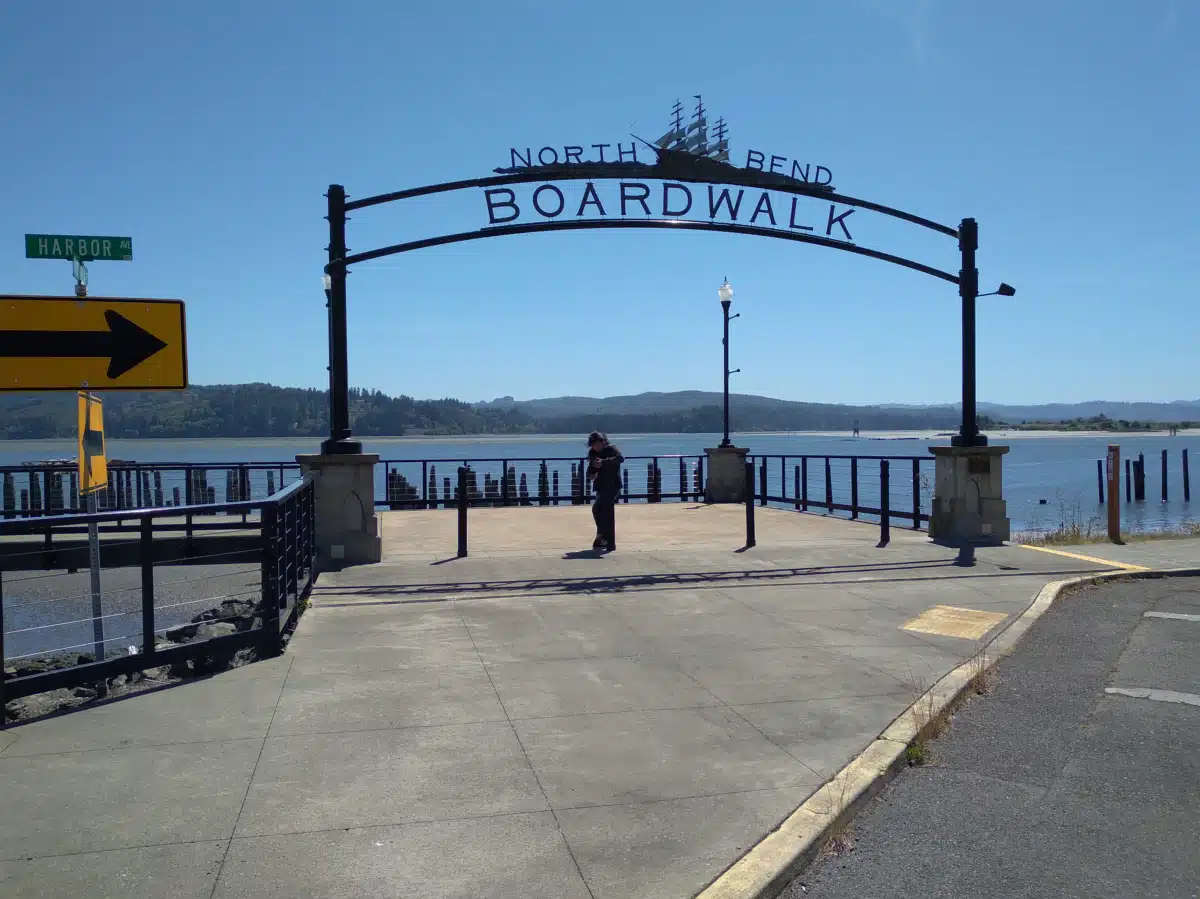
Located in North Bend, OR, Adapt Integrated Healthcare is dedicated to providing outpatient substance use treatment that is thoughtfully customized to meet the unique needs of each individual. The facility recognizes the varied experiences of its clients, offering specialized programs for adult men and women, as well as for individuals who have encountered trauma. This approach ensures that everyone who walks through their doors finds a welcoming and supportive space conducive to recovery. The center employs a range of effective therapeutic techniques, including cognitive behavioral therapy, motivational interviewing, and contingency management. These evidence-based practices are designed to promote comprehensive care, supporting clients in their journey toward sobriety. Adapt Integrated Healthcare serves both adults and young adults alike, ensuring that both male and female clients have access to the resources they need. With its strong commitment to delivering high-quality, personalized treatment, Adapt Integrated Healthcare stands out as a significant resource for those in quest of effective addiction treatment options in the North Bend community.
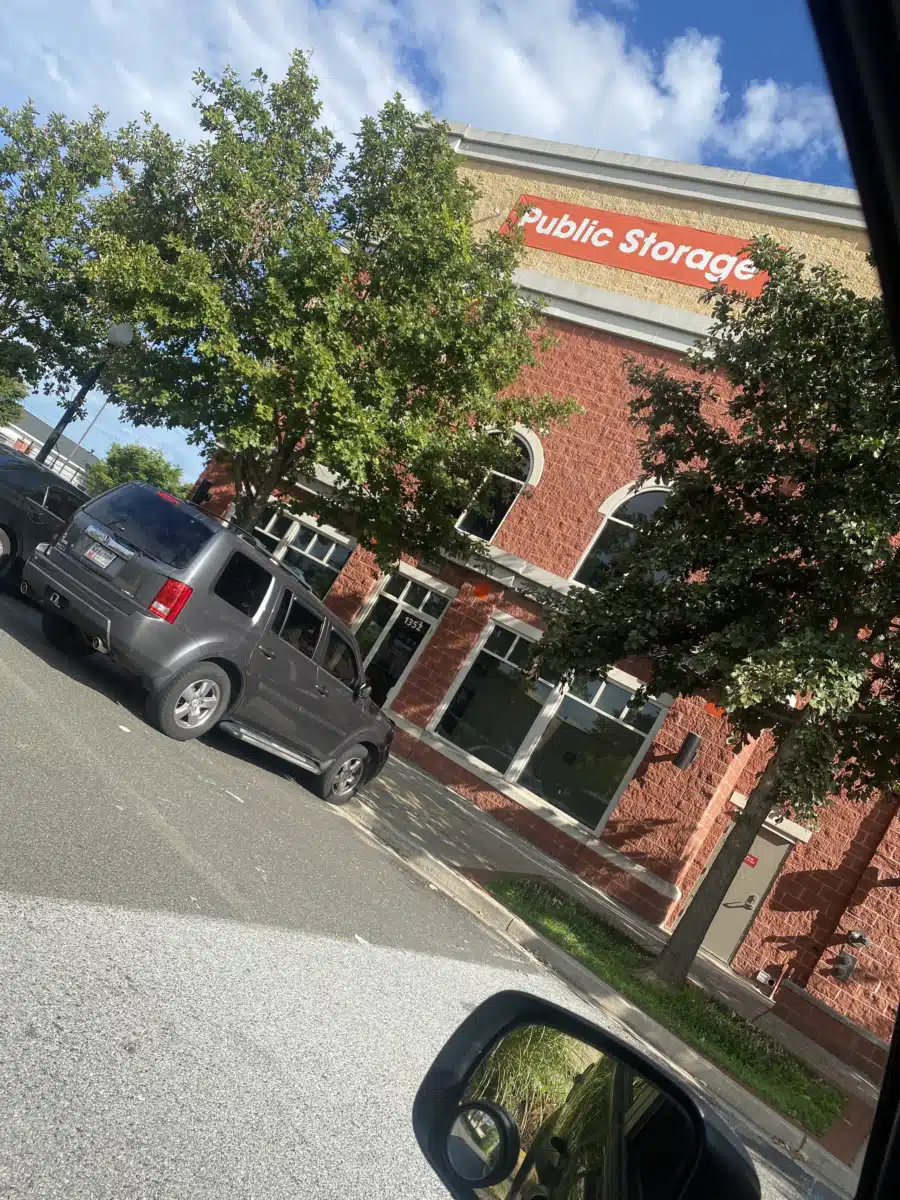
Nestled in the heart of Takoma Park, MD, Another Way Inc is a compassionate healthcare facility committed to aiding those struggling with substance use. They provide a range of essential services, including outpatient detoxification and tailored substance use treatment, as well as outpatient care options that utilize either methadone, buprenorphine, or naltrexone. Their treatment methodologies are grounded in evidence-based practices, and they employ techniques such as brief interventions, cognitive behavioral therapy, and motivational interviewing to address each individual's unique needs. This center takes pride in its ability to cater specifically to adult men and women, as well as clients facing the dual challenges of mental health issues alongside substance use disorders. Another Way Inc serves both adults and young adults, regardless of gender, and emphasizes a personalized approach to care. Their commitment to providing quality support with a genuine touch ensures that individuals have the resources they need to navigate their recovery journeys. With a strong focus on fostering lasting sobriety and overall wellness, this facility aims to empower individuals as they take vital steps towards a healthier future.
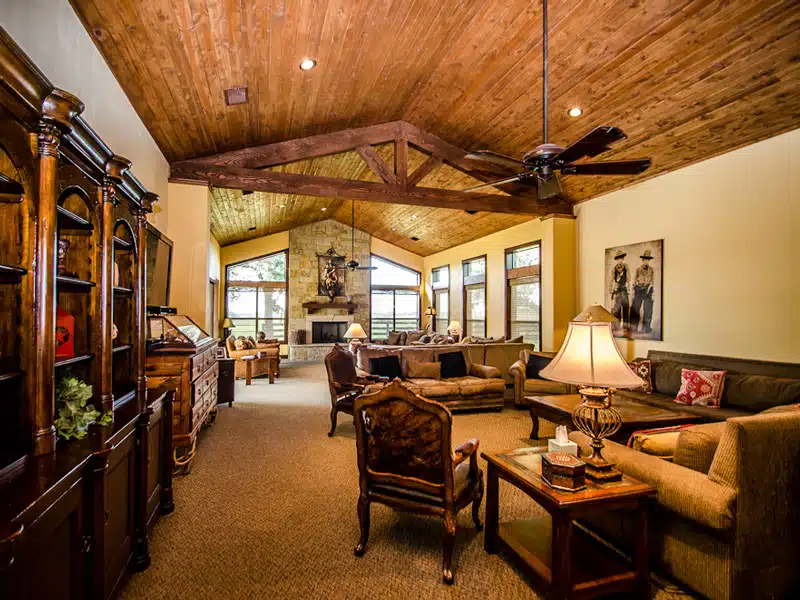
Located in Georgetown, TX, Arbor Behavioral Healthcare is dedicated to providing specialized treatment for both substance use disorders and co-occurring mental health conditions in individuals of all ages, including children and adults. The center understands that every person's journey is unique, which is why they offer a range of programs designed to meet diverse needs. Among their services, you’ll find hospital inpatient care, round-the-clock inpatient services, and long-term residential treatment options. This variety ensures that clients can find the right level of support for their specific circumstances. Arbor Behavioral Healthcare employs a thoughtful blend of therapeutic approaches, including 12-step facilitation, anger management, and brief interventions, all aimed at fostering comprehensive care and promoting lasting recovery. Additionally, the facility features specialized programs tailored to different groups, such as adult men and women, as well as those struggling with both mental health and substance use disorders. By serving both adults and young adults across genders, Arbor Behavioral Healthcare is committed to delivering high-quality, individualized treatment that truly prioritizes each client’s path to recovery.
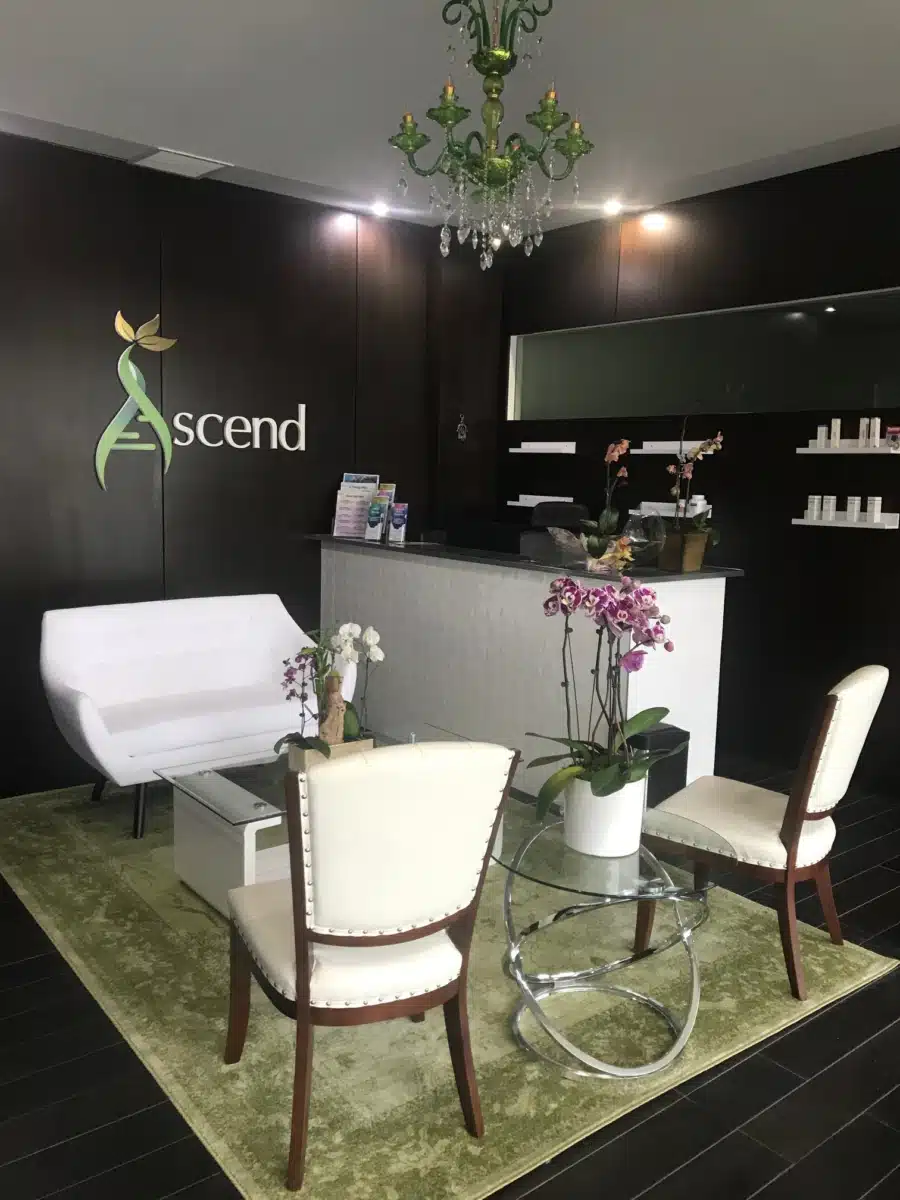
Located in Encino, CA, Ascend Healthcare is dedicated to providing specialized rehabilitation services aimed at helping adults overcome substance use issues and cope with co-occurring mental health disorders, as well as addressing emotional disturbances in children. Their offerings include a range of care options from hospital inpatient treatment to 24-hour care and long-term residential programs, ensuring that patients receive the support they need at every stage of their recovery journey. The treatment at Ascend Healthcare is notably tailored to individual needs, employing approaches such as 12-step facilitation, anger management, and brief interventions. One of the things that truly sets Ascend Healthcare apart is its commitment to serving various vulnerable groups. They offer programs specifically designed for adolescents, survivors of intimate partner violence, and those who have experienced sexual abuse, demonstrating a deep understanding of the unique challenges these individuals face. With a focus on providing comprehensive and compassionate care, Ascend Healthcare serves both male and female clients, including children and teenagers. This inclusive approach ensures that every person seeking help can find a supportive environment conducive to recovery from addiction and mental health issues. At Ascend, the goal is not just treatment but fostering a pathway toward holistic healing and resilience.
Nestled in the heart of Roseburg, Oregon, Adapt Integrated Healthcare is dedicated to supporting adolescents who are grappling with addiction through its long-term and 24-hour residential treatment programs. This facility stands out for its commitment to employing effective strategies such as 12-step facilitation, brief intervention techniques, and contingency management with motivational incentives, all designed to engage young individuals on their journey to recovery. What really sets Adapt apart are its tailored programs that specifically address the needs of clients who have endured trauma, as well as those battling co-occurring mental health and substance use disorders. These specialized treatment options ensure that every individual receives the targeted care they require. By providing a nurturing environment for both male and female clients, Adapt Integrated Healthcare emphasizes a holistic approach to recovery, fostering a strong support system for young people as they navigate the path toward healing and renewal. If you or someone you know might benefit from this kind of dedicated care, Adapt is committed to delivering comprehensive support with a focus on quality treatment.
Nestled in the heart of Roseburg, Oregon, Adapt Integrated Healthcare stands out as a beacon of hope for those seeking assistance with substance use issues and co-occurring disorders, catering to both adults and children. With a commitment to utilizing evidence-based treatment programs, the center is dedicated to making a meaningful difference in the lives of its clients. Adapt Integrated Healthcare offers a variety of services designed to meet the diverse needs of its clientele. Among these are intensive outpatient programs and outpatient services that include specialized treatment options such as methadone and buprenorphine therapies. These services are tailored not only for individuals grappling with substance use but also for those who have faced the complexities of intimate partner violence. The center places a strong emphasis on several therapeutic approaches, such as cognitive behavioral therapy, anger management, and brief interventions. These methods are thoughtfully designed to empower both men and women as they navigate their recovery journeys. Importantly, Adapt Integrated Healthcare welcomes individuals of all genders and ages, ensuring a comprehensive support system in an environment that fosters healing and growth. In summary, if you or someone you know is in need of compassionate and effective treatment options in Roseburg, Adapt Integrated Healthcare is well-equipped to provide the care and resources necessary for a successful recovery.
Nestled in the heart of Roseburg, Oregon, Adapt Integrated Healthcare stands as a beacon of hope for those seeking help with detoxification and substance use challenges. The center provides a range of effective programs, including hospital inpatient detoxification, which gives clients the 24-hour care they need, whether they are adults or young adults. One of the standout features of Adapt Integrated Healthcare is its commitment to addressing the unique needs of various groups. For example, they offer specialized programs tailored specifically for active duty military members, as well as targeted treatments for adult men and women. This thoughtful approach ensures that everyone who comes through their doors can find support and understanding. At the facility, clients can expect a comprehensive and personalized treatment experience. The staff employs a variety of evidence-based methods, including 12-step facilitation, anger management, and brief interventions, all designed to cater to individual circumstances. This dedication to high-quality care is evident as Adapt Integrated Healthcare works tirelessly to guide both men and women on their paths to recovery, helping them regain control of their lives and embrace a healthier future.

Affinity Healthcare Group Cherry Hill, located in Cherry Hill, NJ, is a dedicated facility that provides a range of outpatient services aimed at helping individuals tackle substance use disorders. Among the services offered are outpatient detoxification and specialized treatments involving methadone, buprenorphine, and naltrexone, designed for both adults and young adults seeking recovery. This center places a strong emphasis on personalized care, particularly focusing on the unique challenges faced by adult women. It offers customized programs that are tailored to address the specific needs of its clients. In addition to these female-centered initiatives, Affinity Healthcare Group Cherry Hill also serves male clients, ensuring that their approach to addiction treatment is inclusive and comprehensive. Furthermore, the center incorporates essential therapeutic practices into its treatment model, including anger management, brief intervention, and cognitive behavioral therapy. This well-rounded approach ensures that individuals receive the kind of support they need on their path to recovery. At Affinity Healthcare Group Cherry Hill, the commitment to delivering high-quality care shines through, making it a valuable resource for those determined to overcome the hurdles of substance use.
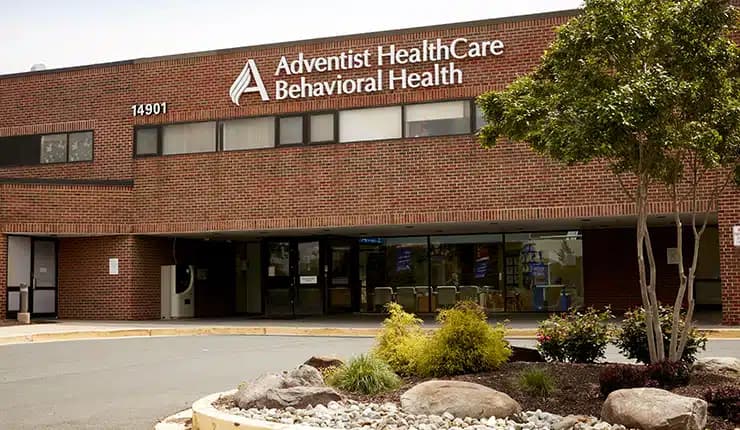
Adventist Behavioral Healthcare, located in Rockville, MD, is dedicated to providing specialized treatment for adults grappling with substance use issues and concurrent serious mental health conditions, as well as for children facing significant emotional disturbances. The center offers a range of treatment options, including intensive outpatient programs, standard outpatient services, and regular outpatient care. What sets Adventist apart is its personalized approach to healing, where care is customized to meet the unique needs of each individual. Treatment methods include effective techniques such as 12-step facilitation, brief intervention strategies, and cognitive behavioral therapy (CBT). There are also tailored programs designed for both adults and young adults across all genders, ensuring that every client receives comprehensive support tailored to their specific circumstances. This facility's unwavering commitment to crafting individualized treatment plans and employing evidence-based practices reflects its mission to provide high-quality care. Adventist Behavioral Healthcare is here for those seeking to navigate the challenging journey of recovery from addiction and mental health issues, offering them the compassionate guidance and expert support needed for effective healing.
Nestled in Anchorage, Alaska, the Alaska VA Healthcare System stands out as a vital resource for those navigating the complexities of recovery from substance use and mental health issues. This facility provides an extensive array of services designed to meet the diverse needs of its clients. Among the offerings are intensive outpatient programs, long-term residential care, and traditional outpatient treatment options. The center employs a variety of therapeutic approaches, including 12-step facilitation, anger management techniques, and brief interventions, all geared toward fostering a supportive environment for healing. Notably, special programs are tailored specifically for adult men and women, as well as for individuals who have faced intimate partner violence and domestic violence survivors. With its inclusive focus on adults and young adults from all walks of life, the Alaska VA Healthcare System is committed to delivering high-quality care. Every treatment plan is thoughtfully crafted to resonate with the unique circumstances of each individual, ensuring that they receive the support they need as they embark on their journey toward recovery and a healthier future.
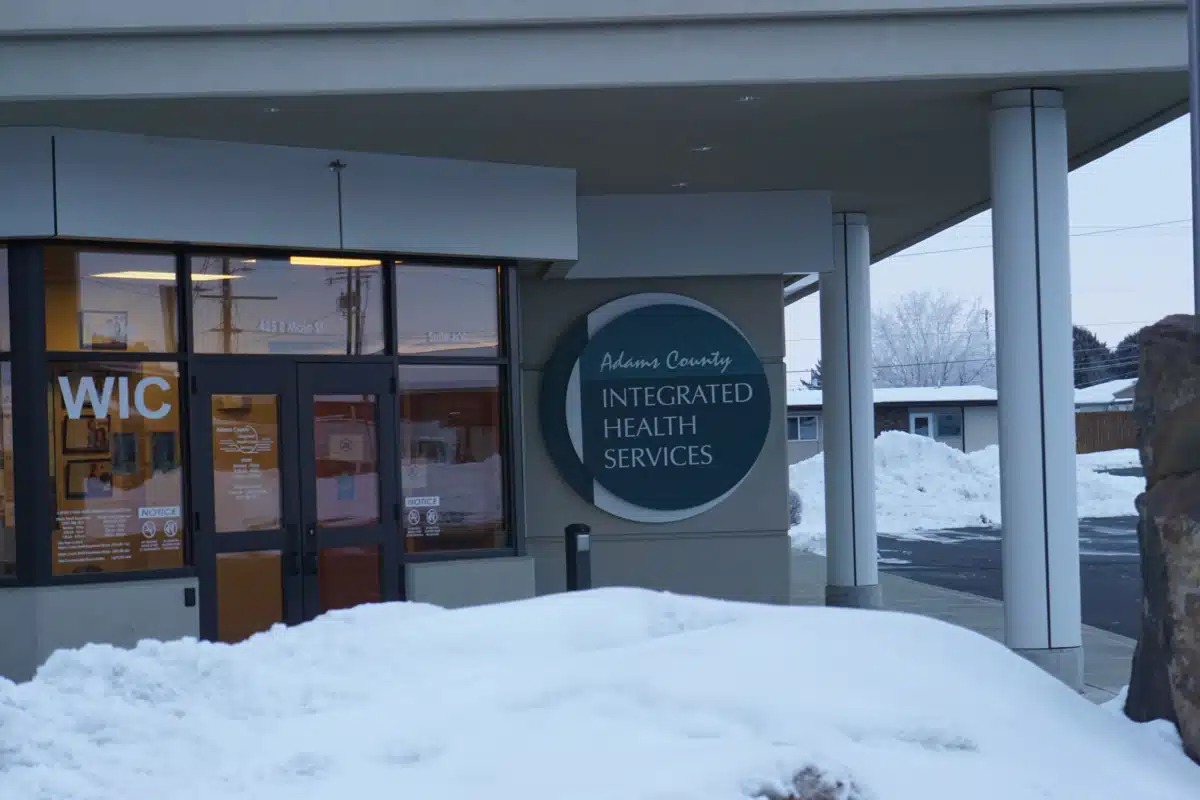
Adams County Integrated Healthcare Services, located in Othello, WA, provides a broad spectrum of substance use treatment programs designed to meet the unique needs of each individual. Whether you're looking for intensive outpatient care, outpatient treatment, or regular outpatient options, this center has you covered. Central to their approach are techniques such as 12-step facilitation, brief interventions, and cognitive behavioral therapy, which they adapt to fit the specific circumstances and preferences of each client. What truly sets this facility apart is its commitment to diversity in care; they offer specialized programs tailored for adolescents, adult men, and adult women, ensuring that everyone can find the support they need. Adams County Integrated Healthcare Services is dedicated to fostering a welcoming and supportive atmosphere for all. They serve adults and seniors of all genders, creating an inclusive space where individuals can work toward lasting recovery. Their unwavering focus on providing high-quality care underscores their mission to help people achieve and maintain sobriety.
Located in Roseburg, OR, Adapt Integrated Healthcare provides specialized outpatient treatment for individuals facing substance use challenges. Their approach is built around effective methods, including 12-step facilitation, brief intervention, and motivational interviewing. This facility is particularly committed to helping adolescents and young adults, offering programs that cater to both male and female clients. Adapt Integrated Healthcare stands out by providing a wide range of services for different age groups, ensuring that adults, children, adolescents, and young adults all receive the support they need in their recovery journeys. The center emphasizes a holistic and comprehensive approach, recognizing that each individual’s path to recovery is unique. The team at Adapt Integrated Healthcare is dedicated to delivering high-quality care, ready to guide individuals seeking assistance with substance use disorders. Their commitment to providing compassionate support fosters an environment where clients can feel understood and empowered during their recovery process.
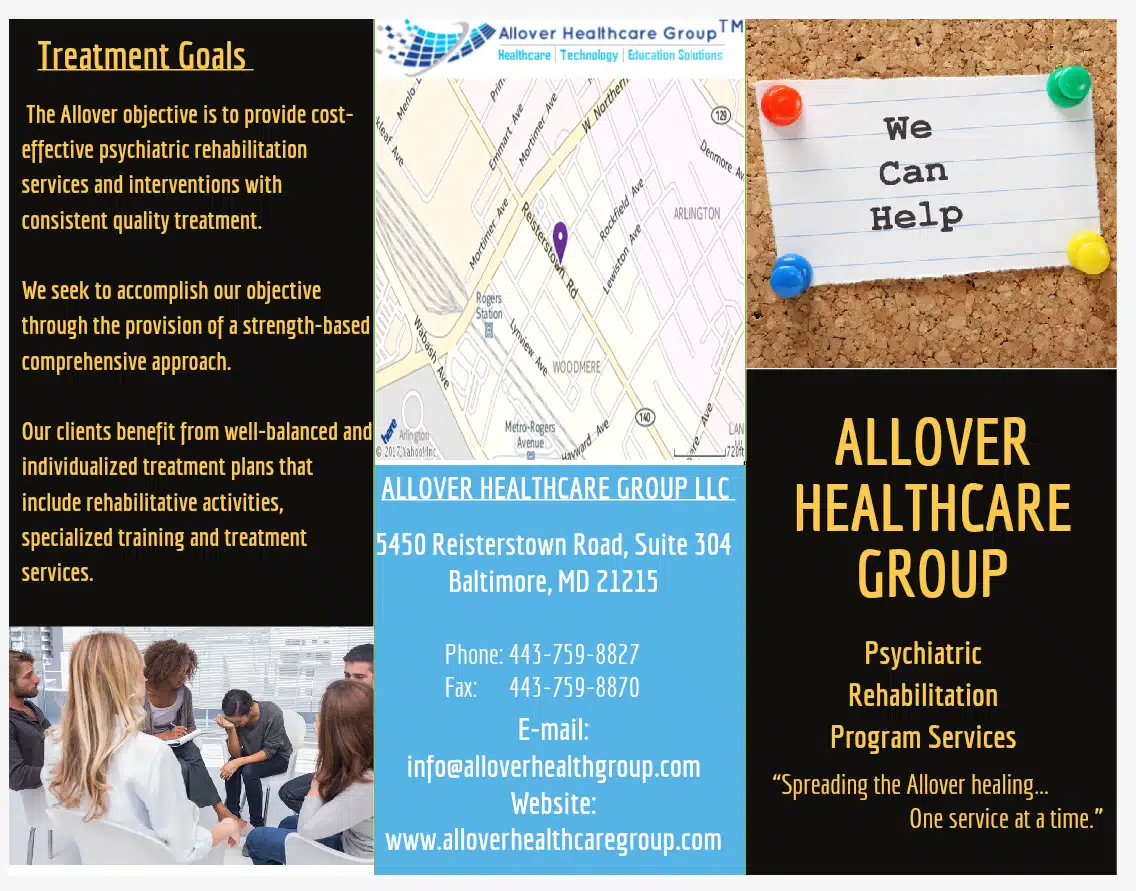
Allover Healthcare Group, located in Baltimore, MD, stands out for its extensive selection of rehabilitation services designed for individuals facing challenges with substance use disorders and co-occurring mental health issues. At this center, you'll find a variety of treatment options tailored to meet diverse needs. They offer intensive outpatient treatment, outpatient day treatment, and partial hospitalization programs, each incorporating evidence-based methods like anger management, cognitive behavioral therapy, and brief interventions aimed at fostering recovery. Recognizing that one size doesn't fit all, Allover Healthcare Group has developed specialized programs catering to unique populations, including active duty military personnel, adolescents, and adult men. This commitment to inclusivity ensures that individuals from all walks of life can find the support and care they need. In addition to their clinical services, the center also provides transitional housing and sober living arrangements, emphasizing a holistic approach to recovery that encompasses not just treatment, but ongoing support. Their strong emphasis on quality care and the development of personalized treatment plans positions Allover Healthcare Group as a trusted resource for both adults and children embarking on their journey to recovery.
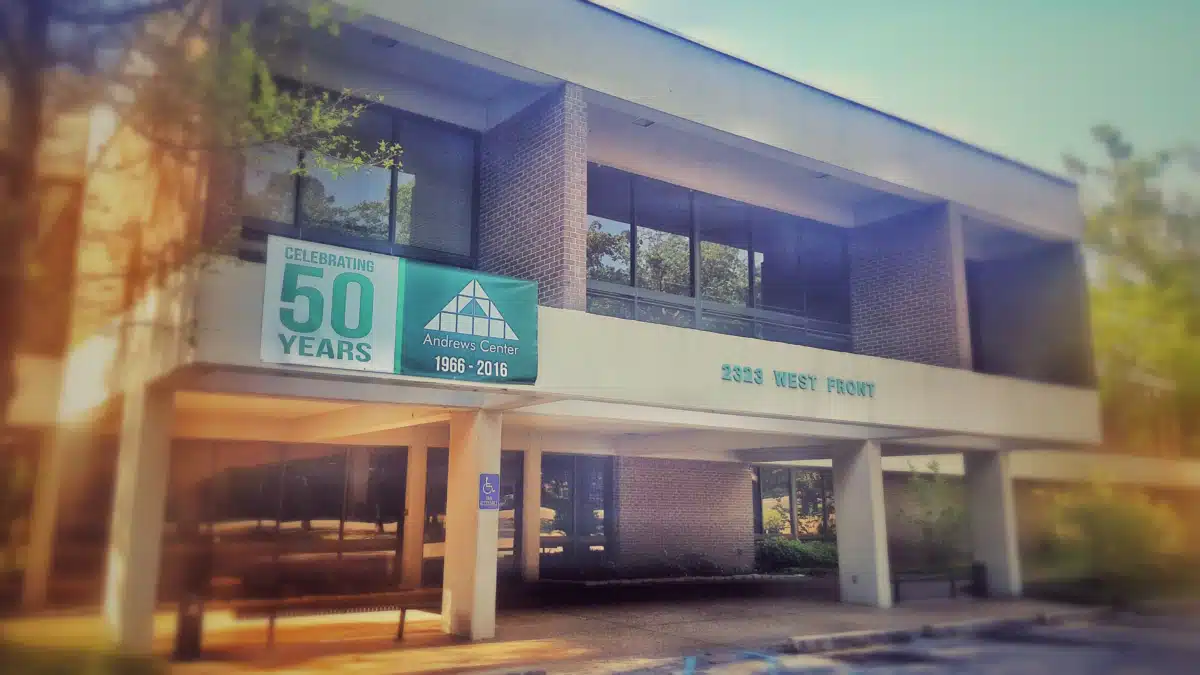
Situated in Tyler, Texas, Andrews Center Behavioral Healthcare specializes in outpatient services for individuals dealing with substance use challenges. What sets this center apart is its commitment to addressing not just substance use, but also the co-occurring mental health issues in adults, as well as emotional difficulties faced by children. The team here employs a variety of therapeutic approaches, placing a particular emphasis on anger management, brief interventions, and cognitive behavioral therapy. This approach allows them to create customized treatment plans that meet the specific needs of different groups, whether it’s active duty military personnel, adolescents navigating their formative years, or adult men looking for support. Andrews Center prides itself on providing high-quality, gender-specific care, ensuring that all clients—regardless of gender—receive the attention and support they deserve. With a strong focus on creating a nurturing and supportive environment, if you’re looking for comprehensive and individualized treatment options to aid you in your recovery journey, Andrews Center Behavioral Healthcare is dedicated to guiding you every step of the way.
Adapt Integrated Healthcare, situated in the heart of Roseburg, Oregon, specializes in delivering a wide range of substance use treatment options designed to address the unique needs of each individual. Their outpatient services include treatments such as methadone, buprenorphine, or naltrexone, ensuring that clients receive care that is both effective and adaptable to their specific situations. In addition to these medication-assisted treatments, the center offers a regular outpatient program that leverages evidence-based methods. Among these are cognitive behavioral therapy, which helps individuals identify and change negative thought patterns, contingency management and motivational incentives to encourage positive behavior changes, and motivational interviewing to support clients in setting and achieving their recovery goals. Adapt Integrated Healthcare also recognizes that different groups may have distinct needs. That's why they have special programs tailored specifically for adult men, adult women, and individuals who have experienced trauma. This focus ensures that all clients, whether adults or young adults and regardless of gender, receive compassionate and comprehensive care in an environment that prioritizes inclusivity and understanding. For anyone seeking addiction treatment in Roseburg, this center strives to provide the support and resources necessary for a successful recovery journey.
Adapt Integrated Healthcare, located in the picturesque town of Gold Beach, Oregon, specializes in providing outpatient services for individuals struggling with substance use. What truly sets this center apart is its commitment to offering personalized care tailored to each person's unique circumstances. At Adapt Integrated Healthcare, you'll find a range of treatment options grounded in tried-and-true, evidence-based methods. They utilize techniques such as brief interventions, cognitive behavioral therapy, and contingency management alongside motivational incentives, all aimed at helping individuals on their path to recovery. The center understands that every client is different, which is why it features specialized programs designed to cater to the needs of adults, children, and adolescents of all genders. This inclusivity ensures that each individual receives the comprehensive support necessary for their journey toward healing and sobriety. By prioritizing a customized treatment approach, Adapt Integrated Healthcare strives to provide high-quality care that addresses the specific challenges each client may face. For anyone seeking effective addiction treatment services, this facility stands out as a significant and supportive resource.
Nestled in the heart of Brookings, Oregon, Adapt Integrated Healthcare provides essential outpatient substance use treatment services for both adults and children, including adolescents. This facility embraces a holistic approach to care, utilizing a variety of effective techniques such as brief intervention, cognitive behavioral therapy, and contingency management with motivational incentives. At Adapt Integrated Healthcare, the emphasis is on personalized treatment, ensuring that each program is designed with the unique needs of every individual in mind. This commitment to individualized care means that regardless of gender, clients can anticipate receiving high-quality, evidence-based strategies tailored just for them. If you or someone you care about is on the lookout for a supportive and welcoming environment for comprehensive addiction treatment, look no further. Adapt Integrated Healthcare stands ready to assist you or your loved one on the journey to recovery, offering guidance and support every step of the way.
Adapt Integrated Healthcare, situated in the charming town of Port Orford, Oregon, specializes in delivering comprehensive treatment for substance use disorders through its outpatient services. The center emphasizes evidence-based methods, including brief interventions, cognitive behavioral therapy, and contingency management combined with motivational incentives. What truly distinguishes Adapt Integrated Healthcare is its commitment to providing tailored support, accommodating individuals of all ages and genders, from adults to children and adolescents. By focusing on personalized care, the facility strives to ensure each individual receives the highest quality treatment, fostering a nurturing atmosphere that promotes recovery. If you’re on the search for effective addiction treatment in a compassionate and encouraging setting, you’ll find that Adapt Integrated Healthcare is dedicated to guiding you on your path to lasting sobriety. Their team is ready to support you every step of the way as you embark on this essential journey towards wellness.
Nestled in the heart of Grants Pass, Oregon, Adapt Integrated Healthcare stands out as a premier provider of substance use treatment, offering a diverse array of therapeutic options. The facility employs methods such as anger management techniques, brief intervention strategies, and cognitive behavioral therapy to address the unique needs of its clients. Adapt Integrated Healthcare prides itself on being inclusive, welcoming adult men and women, as well as individuals who have faced intimate partner violence and domestic violence. Their commitment to comprehensive care is reflected in their range of treatment programs, which include intensive outpatient services, standard outpatient options, and regular outpatient therapy. This center is dedicated not only to adults but also to children and adolescents of all genders, ensuring that support is accessible for families navigating the challenges of substance use. With an unwavering emphasis on personalized care and evidence-based practices, Adapt Integrated Healthcare has earned a reputation as a trusted resource for individuals seeking effective and thorough rehabilitation services.
Located in Baltimore, MD, AKT Healthcare Inc specializes in providing a wide range of rehabilitation services tailored for adults and seniors who are facing challenges related to substance use alongside mental health issues. The facility is dedicated to offering long-term residential care, which includes medical detoxification and around-the-clock support to ensure that clients receive constant attention during their recovery journey. At AKT Healthcare, treatment is grounded in evidence-based practices, incorporating techniques such as 12-step facilitation and anger management to help individuals regain control over their lives. The center also recognizes the unique needs of different populations; therefore, it features specialized programs designed specifically for adolescents and for those who have experienced intimate partner violence, domestic violence, or sexual abuse. With a strong commitment to personalized care, the team at AKT Healthcare Inc develops individualized treatment plans that cater to the specific requirements of each client, whether male or female. Here, compassionate and effective treatment is not just a goal; it’s part of the everyday experience at this respected rehabilitation center.
About Marijuana Dependence Treatment
Cannabis Use Disorder (CUD) is a clinically recognized condition in the DSM-5 that affects an estimated 16 million Americans. Research published in JAMA Psychiatry shows that approximately 3 in 10 people who use marijuana develop some degree of cannabis use disorder, with rates significantly higher among those who begin using before age 18. As cannabis potency has increased — average THC content rose from about 4% in 1995 to over 15% today — treatment admissions for cannabis-related problems have also risen substantially.
Understanding Cannabis Use Disorder
Despite common perceptions that marijuana is harmless, Cannabis Use Disorder is recognized in the Diagnostic and Statistical Manual of Mental Disorders (DSM-5) as a legitimate condition. Research indicates that approximately 9% of marijuana users develop dependence, with rates increasing to 17% for those who start using in adolescence.
Factors that increase risk of dependence:
- Early age of first use (before age 18)
- Daily or near-daily use patterns
- Using high-potency cannabis products
- Co-occurring mental health conditions
- Family history of substance use disorders
Signs of Marijuana Dependence
Cannabis use disorder may be present when you experience:
- Using more marijuana than intended or for longer periods
- Unsuccessful attempts to cut down or quit
- Spending significant time obtaining, using, or recovering from cannabis
- Strong cravings or urges to use marijuana
- Continued use despite negative effects on relationships, work, or school
- Giving up important activities due to marijuana use
- Needing more marijuana to achieve the same effects (tolerance)
- Withdrawal symptoms when stopping (irritability, sleep problems, decreased appetite)
Effective Treatment Approaches
While there are no FDA-approved medications for cannabis dependence, behavioral therapies have proven highly effective:
Evidence-Based Therapies
- Cognitive Behavioral Therapy (CBT): Helps identify triggers and develop healthy coping strategies
- Motivational Enhancement Therapy (MET): Builds internal motivation for change
- Contingency Management: Uses positive reinforcement to encourage abstinence
- Combined Approaches: Research shows that combining CBT with MET is particularly effective
Addressing Underlying Issues
Many people use marijuana to cope with underlying issues. Effective treatment addresses:
- Anxiety disorders
- Depression
- Sleep disorders
- Chronic stress
- Social difficulties
Treatment Settings
Marijuana dependence treatment is typically offered in outpatient settings:
- Standard Outpatient - Weekly individual and group therapy sessions
- Intensive Outpatient (IOP) - More frequent sessions for those needing additional support
- Residential Treatment - For severe cases or when co-occurring conditions require intensive care
What to Expect in Cannabis Treatment
Cannabis use disorder treatment is typically shorter and less intensive than treatment for other substance use disorders, though duration varies based on severity and co-occurring conditions.
- Assessment (Week 1): Evaluation of cannabis use patterns, dependence severity, and screening for co-occurring anxiety, depression, or other conditions
- Withdrawal Management (Weeks 1–2): Cannabis withdrawal is not medically dangerous but can include irritability, insomnia, decreased appetite, anxiety, and cravings — typically peaking within the first week and resolving within 2–3 weeks
- Active Therapy (Weeks 2–12): Structured sessions combining CBT and Motivational Enhancement Therapy — typically 6–12 weekly sessions. Focus on identifying triggers, building coping skills, and developing alternative activities
- Ongoing Support: Periodic check-ins, relapse prevention strategies, and addressing lifestyle changes. Many patients continue with monthly outpatient sessions for 3–6 months
Treatment Outcomes
A meta-analysis in Clinical Psychology Review found that CBT combined with Motivational Enhancement Therapy produces the most consistent improvements in cannabis use disorder. While abstinence rates at follow-up are moderate (20–40%), the majority of participants achieve significant reductions in use frequency, dependence symptoms, and cannabis-related problems.
Authoritative resources on cannabis use disorder:
Insurance & Payment for Marijuana Dependence Treatment
Most health insurance plans are required to cover addiction and mental health treatment under the Mental Health Parity and Addiction Equity Act (MHPAEA) and the Affordable Care Act (ACA). This means treatment for marijuana dependence is typically covered at the same level as other medical conditions.
Common insurance coverage for marijuana dependence treatment includes:
- Medical detoxification services
- Inpatient/residential treatment programs
- Intensive outpatient programs (IOP)
- Outpatient therapy and counseling
- Psychiatric medication management
Coverage specifics vary by plan and provider. Contact your insurance company directly or call the treatment center to verify benefits before enrolling. Many facilities offer free insurance verification.
For those without insurance, options include state-funded programs through SAMHSA, Medicaid (eligibility varies by state), sliding-scale payment programs, and nonprofit treatment centers. Learn more about insurance coverage for addiction treatment.
Related Conditions & Treatments
Understanding the connections between conditions, treatment methods, and levels of care can help you make more informed decisions about recovery.
Treatment Methods
Levels of Care
Related Conditions
Medical Disclaimer
The information on this page is intended for educational purposes only and should not replace professional medical advice, diagnosis, or treatment. Always consult a qualified healthcare provider before making decisions about addiction treatment. If you or someone you know is in crisis, call the 988 Suicide & Crisis Lifeline or the SAMHSA National Helpline (1-800-662-4357).