
Drug & Alcohol Rehab Centers in Alabama
Alabama's addiction treatment system serves a population facing some of the Deep South's most acute substance use challenges. With approximately 300 licensed treatment facilities, the state provides services from medical detoxification and residential treatment to intensive outpatient programs and telehealth-based recovery support. The Alabama Department of Mental Health (ADMH), Division of Mental Health and Substance Abuse Services, licenses treatment programs, distributes state and federal funding, and coordinates the public treatment system through a network of community mental health centers operating in every county.
Alabama has been among the states hardest hit by the opioid epidemic. In 2022, the state recorded approximately 1,100 drug overdose deaths, with fentanyl driving a steep increase in fatalities over the prior three years. Rural Alabama communities — spanning the Black Belt, Appalachian foothills, and Wiregrass regions — face disproportionately high opioid prescribing rates, overdose mortality, and treatment access barriers. Alabama historically ranked among the top states nationally for per-capita opioid prescriptions, a legacy of overprescribing that seeded widespread addiction across the state. Methamphetamine use has surged in recent years, becoming the most common illicit drug in treatment admissions in many rural counties. Alcohol use disorder remains prevalent statewide, though Alabama's patchwork of dry and wet counties creates a unique regulatory landscape around alcohol availability.
Birmingham anchors Alabama's treatment infrastructure, home to the University of Alabama at Birmingham (UAB) which operates the state's most comprehensive addiction medicine program. UAB's Department of Psychiatry conducts nationally recognized research on medication-assisted treatment (MAT) and co-occurring disorders. Faith-based recovery programs play a more prominent role in Alabama than in most states, with church-affiliated treatment homes, recovery ministries, and programs like Celebrate Recovery and Teen Challenge operating in virtually every community. Evidence-based modalities including cognitive behavioral therapy (CBT), 12-step facilitation, and dialectical behavior therapy (DBT) are available through clinical treatment centers, predominantly in urban areas.
Addiction Treatment Landscape in Alabama
Alabama's substance use crisis is shaped by the intersection of rural poverty, historical opioid overprescribing, and limited treatment infrastructure outside of Birmingham and a handful of other urban centers. ADMH administers state appropriations and federal Substance Abuse Prevention and Treatment (SAPT) Block Grant funding through 19 community mental health centers (310 Boards) that serve as the backbone of the public behavioral health system in every Alabama county.
Key statistics:
- Approximately 1,100 drug overdose deaths in 2022 (Alabama Department of Public Health)
- Roughly 300 licensed substance use treatment facilities statewide (SAMHSA N-SSATS)
- Alabama historically ranked in the top 5 states for per-capita opioid prescriptions
- Methamphetamine is the most common illicit drug in treatment admissions in most rural counties
The opioid epidemic in Alabama has deep roots. For years the state had among the highest opioid prescribing rates in the country, with some rural counties recording more prescriptions than residents. The Alabama Opioid Overdose and Addiction Council coordinates the state's response, which includes prescription drug monitoring, naloxone distribution, and expanded MAT access through hub-and-spoke models. Opioid settlement funds are now being deployed to expand treatment capacity and prevention programs.
Methamphetamine has emerged as an equally devastating crisis. Rural north Alabama and the Wiregrass region have experienced dramatic increases in meth-involved hospitalizations, treatment admissions, and child welfare cases. Unlike opioid use disorder, meth addiction lacks FDA-approved pharmacological treatments, placing heavy reliance on behavioral interventions. Faith-based recovery programs fill critical gaps in rural communities where clinical treatment providers are absent, offering long-term residential care, peer support, and community reintegration at low or no cost.
Types of Treatment Available in Alabama
Alabama offers addiction treatment across the levels of care recognized by the American Society of Addiction Medicine (ASAM), though availability varies significantly between urban and rural areas:
- Medical Detoxification: Hospital-based detox programs in Birmingham, Huntsville, Montgomery, and Mobile. UAB Hospital in Birmingham provides the most comprehensive medically managed withdrawal services for opioid, alcohol, and benzodiazepine dependence.
- Residential Treatment: Programs ranging from clinical 30-day to extended-stay facilities operate across the state. Birmingham has the highest concentration of residential beds. Faith-based long-term recovery homes are particularly prevalent in Alabama, many offering 6-12 month programs.
- Partial Hospitalization (PHP): Structured day treatment programs available primarily in Birmingham, Huntsville, and Montgomery. Access is limited in rural areas.
- Intensive Outpatient (IOP): Programs meeting 3-5 days per week are available in most metro areas and through several community mental health centers serving smaller cities and towns.
- Standard Outpatient: Weekly individual and group therapy available through community mental health centers statewide, offering the broadest geographic coverage of any treatment level.
- Telehealth Services: Virtual treatment has become essential in Alabama for reaching the many rural communities with no local substance use disorder providers. ADMH has supported telehealth expansion through community mental health center networks.
Alabama's treatment system emphasizes medication-assisted treatment (MAT) for opioid use disorder, with UAB leading statewide training initiatives for buprenorphine prescribers. The state supports 12-step programs, Celebrate Recovery, Teen Challenge, and a wide range of faith-based recovery ministries. CBT, motivational interviewing, and contingency management are used in clinical settings, while peer support specialists certified through ADMH provide recovery coaching across the state.
Insurance & Alabama Medicaid Coverage
Alabama Medicaid provides limited coverage for substance use disorder treatment services. Alabama has not expanded Medicaid under the Affordable Care Act, meaning eligibility remains restricted primarily to children, pregnant women, very low-income parents/caretakers, the elderly, and individuals with disabilities. This leaves a substantial coverage gap for low-income adults without dependent children, many of whom cannot access Medicaid-funded addiction treatment despite significant need.
- Outpatient substance use disorder treatment and counseling
- Intensive outpatient programs (IOP) with prior authorization
- Limited residential treatment coverage
- Medically supervised detoxification (hospital-based)
- Medication-assisted treatment (MAT) including buprenorphine and methadone
- Mental health services for co-occurring disorders
- Crisis stabilization services
Private insurance plans in Alabama must comply with the federal Mental Health Parity and Addiction Equity Act (MHPAEA). Major insurers including Blue Cross Blue Shield of Alabama (the dominant insurer in the state), UnitedHealthcare, Aetna, and Cigna offer plans with addiction treatment benefits.
For uninsured and underinsured individuals, ADMH funds treatment through the 19 community mental health centers (310 Boards) using state appropriations, federal block grants, and opioid settlement funding. These centers provide substance use disorder services on a sliding-fee basis in every Alabama county. Faith-based programs often operate at no cost, providing an alternative pathway to recovery for those without insurance. SAMHSA's National Helpline (1-800-662-4357) offers free referrals to local treatment providers regardless of insurance status.
Want us to find the perfect facility for you?
Call now - it's completely free!
Showing 20 of 124 results
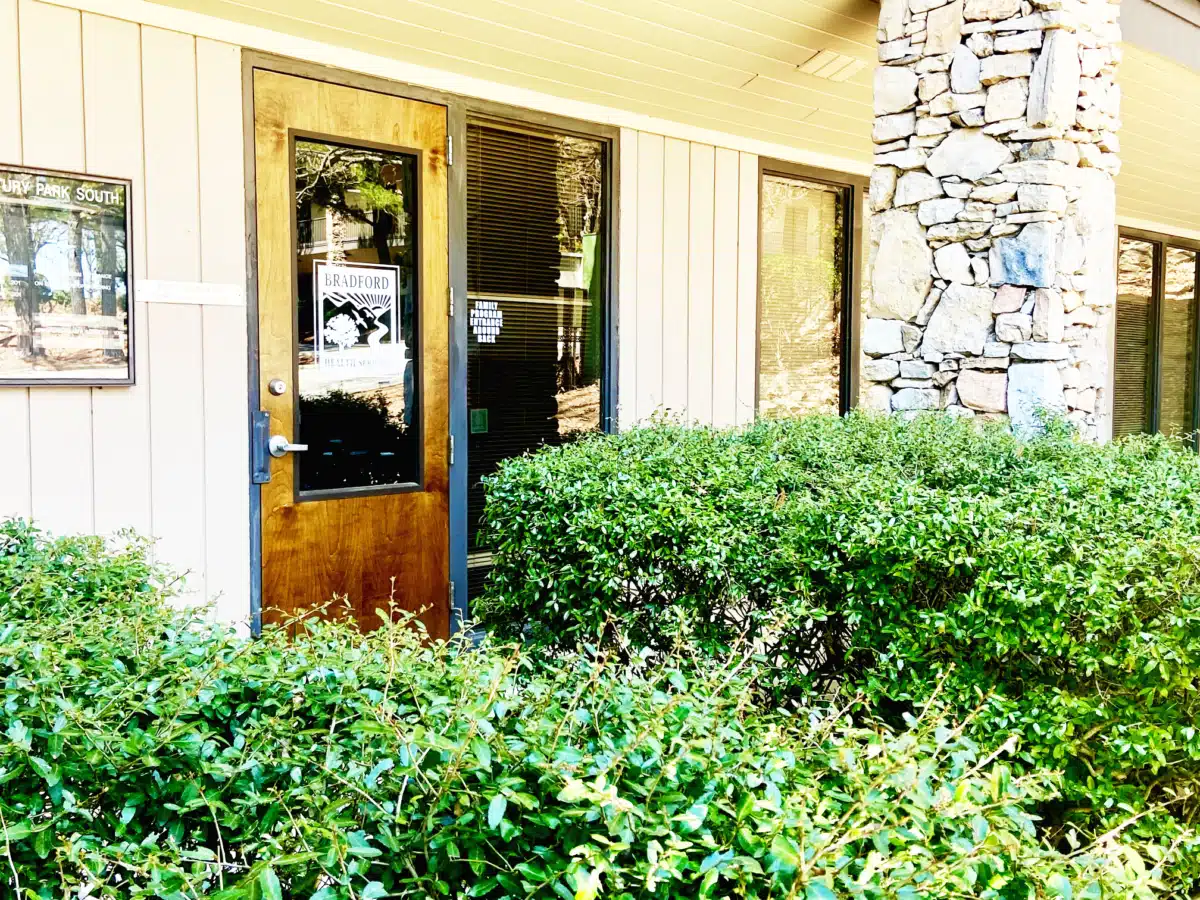
Madison Residential Facility
Warrior
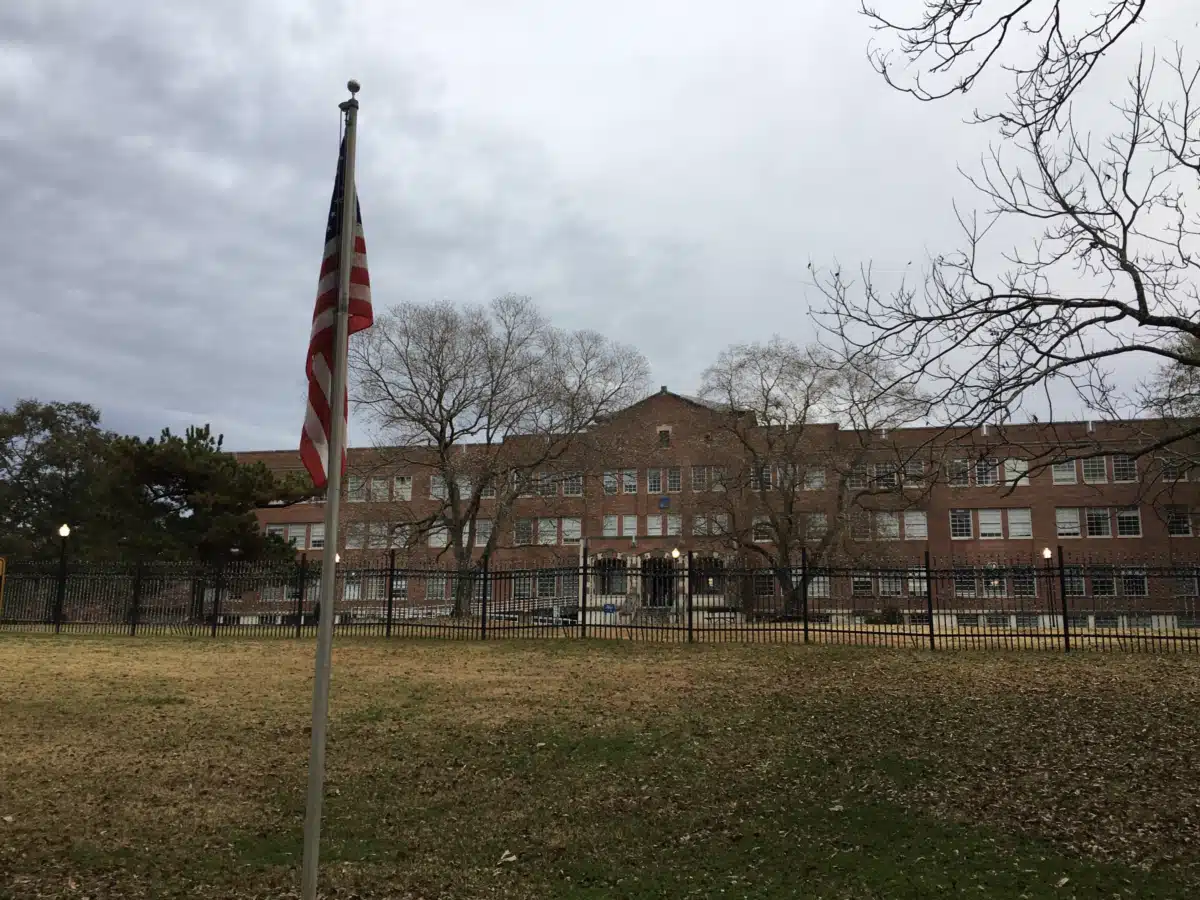
East Campus

Fort Payne Addiction Treatment Ctr
Huntsville Regional Office
Mobile Regional Facility
Montgomery Regional Office


Recovery Center for Teens/Cullman
Northwood Addiction Treatment Center
Mobile Addictions Treatment Center
Recovery Ctr for Teens/Tuscaloosa
RightStep Recovery Center for Teens
A Program of MLBHC
Etowah County Office
Cherokee County Office
Treatment Highlights in Alabama
Popular Cities in Alabama
Birmingham
15 centers
Huntsville
10 centers
Mobile
10 centers
Gadsden
5 centers
Jasper
5 centers
Tuscaloosa
5 centers
Cullman
4 centers
Montgomery
4 centers
View all 57 cities in Alabama
Frequently Asked Questions About Treatment in Alabama
Sources
Medical Disclaimer
The information on this page is for educational purposes and is not a substitute for professional medical advice. If you or someone you know is experiencing a substance use crisis, call the SAMHSA National Helpline at 1-800-662-4357 (free, confidential, 24/7). For immediate danger, call 911 or the 988 Suicide & Crisis Lifeline by dialing 988.