
Bipolar Disorder Rehab Centers
Bipolar disorder and substance use disorders commonly co-occur, with studies indicating that over 40% of individuals with bipolar disorder also have a substance use disorder. The combination presents unique treatment challenges, as substances can trigger mood episodes and interfere with medication effectiveness. Specialized dual diagnosis programs provide integrated psychiatric care, mood stabilization through medication management, and targeted therapy for addiction. Treatment helps individuals understand how mood episodes and substance use interact while building skills for managing both conditions long-term.
Found 20 rehab centers specializing in bipolar disorder across the United States.
Want us to find the perfect facility for you?
Call now - it's completely free!
Showing 20 of 20 bipolar disorder rehab centers
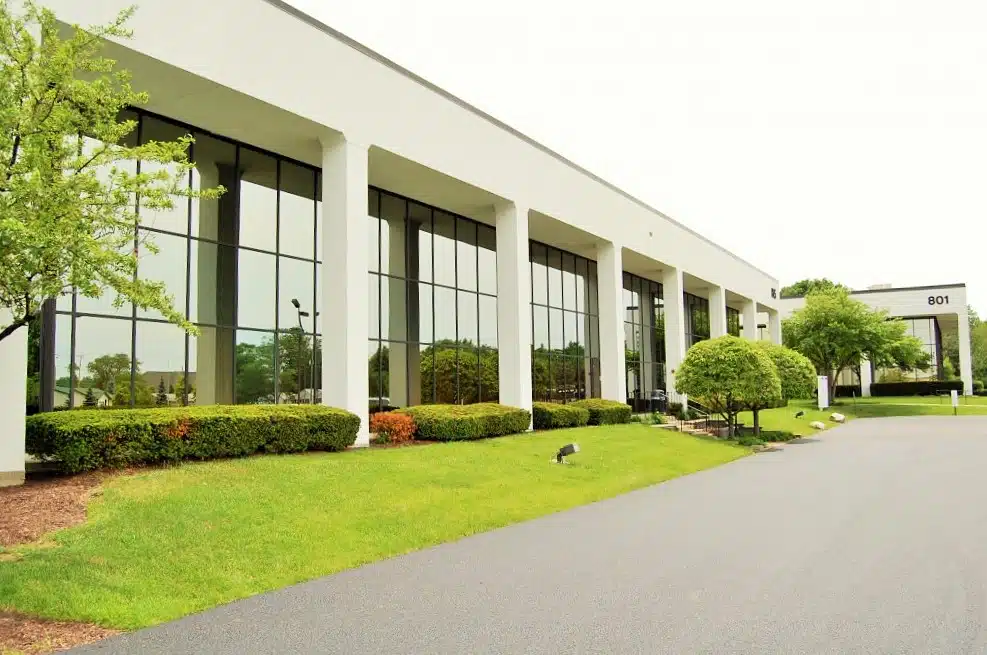
Located in Joliet, IL, Paramos Counseling Center is dedicated to providing specialized treatment for substance use disorders through a variety of programs tailored to fit individual needs. Whether you require intensive outpatient services, standard outpatient care, or just regular outpatient treatment, this facility has options designed for every level of care. At Paramos Counseling Center, the focus is on evidence-based practices that have proven effective. They utilize techniques such as brief interventions, cognitive behavioral therapy, and motivational interviewing to help clients navigate their recovery journey. Understanding that each person's path is unique, the center offers specific programs aimed at supporting both adult men and women, along with young adults, ensuring that everyone receives the attention and care they deserve. Clients can look forward to receiving high-quality treatment in a nurturing environment. The team of experienced professionals is committed to fostering a supportive atmosphere that encourages lasting recovery, making it clear that at Paramos Counseling Center, you are not just another case — you are valued and cared for on your way to healing.
View Details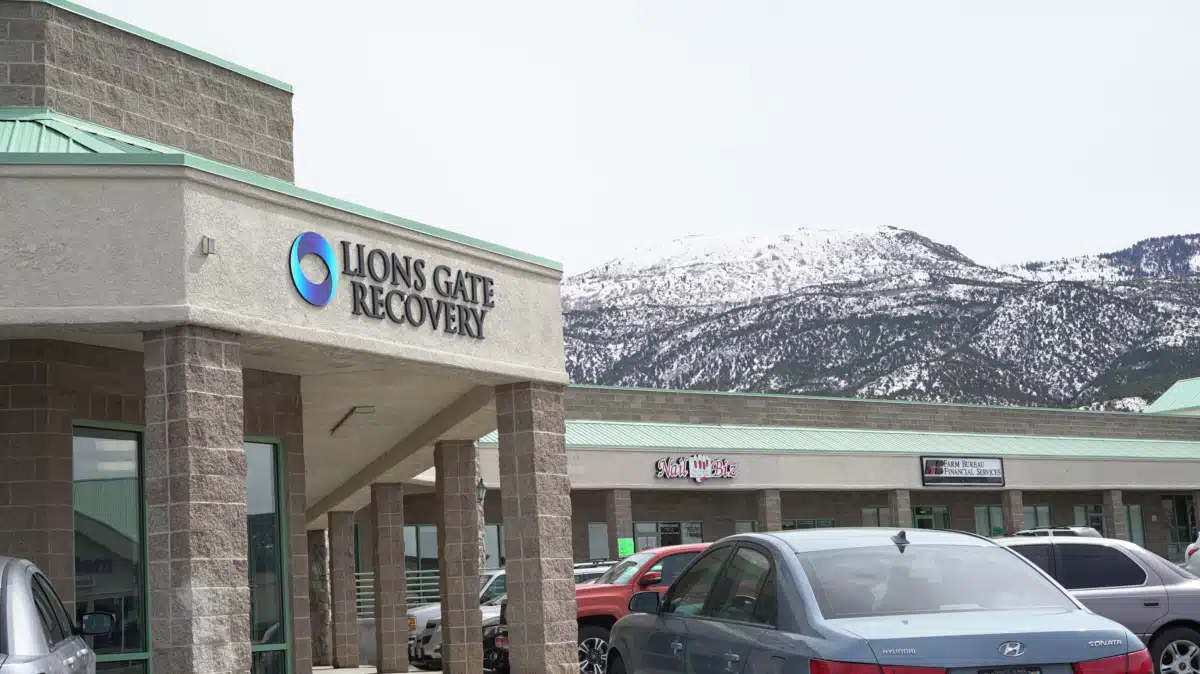
Nestled in the heart of Saint George, UT, Lions Gate Recovery is dedicated to providing a wide range of substance use treatment programs specifically designed for both adults and young adults. Understanding that each person’s journey to recovery is unique, the facility has created specialized pathways for active duty military members, adult men, and adult women, ensuring that everyone receives the care best suited to their needs. At Lions Gate Recovery, you can choose from various treatment options, including intensive outpatient treatment, standard outpatient programs, and outpatient day treatment. What sets this facility apart is its commitment to individualized care through a mix of effective therapeutic approaches. Utilizing methods such as 12-step facilitation, anger management, and brief intervention, the staff crafts personalized treatment plans aimed at fostering lasting recovery. The programs at Lions Gate are built on evidence-based practices, ensuring that both male and female clients benefit from proven strategies in a nurturing and supportive environment. If you’re looking for a compassionate and effective approach to addiction treatment, Lions Gate Recovery stands ready to guide you on your path toward sobriety, offering the support you need to achieve a healthier, more fulfilling life.
View Details
Health Solutions, situated in Pueblo, CO, provides an extensive array of outpatient treatment programs aimed at adults and young adults grappling with substance use issues. What sets Health Solutions apart is its expertise in addressing co-occurring disorders—those situations where individuals face both substance use challenges and serious mental health conditions, or where children deal with significant emotional disturbances. To ensure that clients receive the support they need, the center employs a combination of effective therapeutic approaches, including cognitive behavioral therapy (CBT), motivational interviewing, and relapse prevention techniques. This multifaceted approach helps to create an environment conducive to healing and recovery. In addition to their general treatment offerings, Health Solutions has designed specialized programs targeting specific groups. They provide tailored support for adult men and women, as well as for clients who have endured intimate partner violence or domestic violence. This tailored care ensures that clients receive the most relevant and impactful support for their unique circumstances. With a strong commitment to quality care, Health Solutions is dedicated to crafting individualized treatment plans that empower clients on their journey to long-term recovery. The focus here is on building a supportive foundation that enables each person to thrive, making it a valuable resource for those seeking help in the Pueblo community.
View Details
Nestled in the heart of Philadelphia, PA, the Asociacion Puertorriquenos en Marcha center stands as a vital resource for individuals seeking support in their journeys toward recovery. This center specializes in outpatient detoxification, as well as comprehensive treatment for substance use disorders. It also offers specialized programs to address co-occurring substance use and significant mental health challenges for adults, in addition to providing support for emotional disturbances in children. With a focus on evidence-based practices, the facility employs techniques such as 12-step facilitation and anger management, along with brief intervention strategies, to deliver tailored care. The center serves a diverse population, catering to active-duty military personnel, adolescents, and adult men, ensuring that each individual receives the specific support they need. Importantly, the programs are designed to be inclusive, offering services to children and adolescents of all genders as well as to adults. The commitment of Asociacion Puertorriquenos en Marcha to high-quality care shines through in its comprehensive and personalized treatment approach. This center truly serves as a beacon of hope for those seeking to overcome addiction and find a path toward healing.
View Details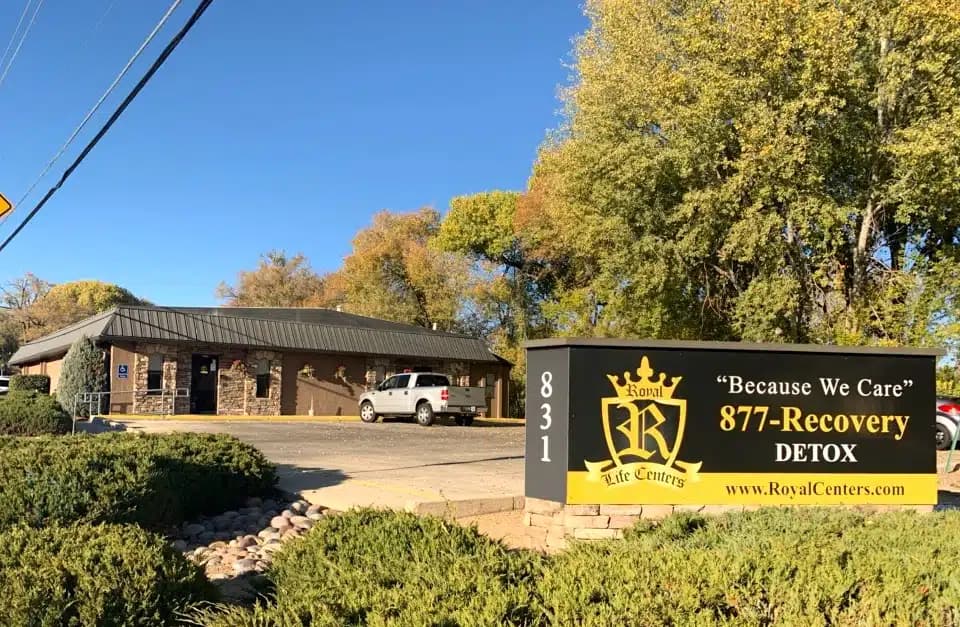
Nestled in the peaceful surroundings of Prescott, AZ, Royal Life Centers stands out as a premier destination for substance use treatment. This facility creates a calm and nurturing environment, allowing individuals to focus on their recovery journey. At Royal Life Centers, the approach to addiction therapy includes proven methods such as 12-step facilitation, anger management, and brief intervention strategies. By utilizing these techniques, the center effectively addresses the complexities of addiction while fostering a supportive atmosphere for healing. Recognizing the diverse needs of its clients, Royal Life Centers offers specialized programs designed specifically for active duty military personnel, adult men, and individuals who have faced intimate partner violence. This targeted support helps ensure that everyone receives the assistance they need for their unique circumstances. Catering to adults, seniors, and young adults alike, this facility particularly emphasizes care for male clients in search of comprehensive rehabilitation solutions. At Royal Life Centers, patients can expect not only high-quality care but also personalized treatment plans tailored to support their path toward effective recovery and lasting sobriety. Explore how Royal Life Centers can help you or a loved one embark on this transformative journey.
View Details
Oakland Psychological Clinic PC, located in Lake Orion, MI, specializes in outpatient treatment for substance use, placing a strong emphasis on personalized care. The clinic offers regular outpatient sessions that incorporate a variety of therapeutic techniques—including anger management, cognitive behavioral therapy, and motivational interviewing. What sets this facility apart is its dedication to crafting treatment plans that are tailored specifically for adults and seniors of all genders. This individualized approach allows clients to navigate their recovery journey in a supportive environment, effectively addressing their distinct needs and challenges. At Oakland Psychological Clinic PC, a committed team of skilled professionals works diligently to provide high-quality care for individuals looking to overcome substance use difficulties. This focus on client-centered strategies ensures that everyone receives the support they need to make meaningful progress.
View Details
In the heart of Chicago, IL, Uptown DUI Services stands out as a supportive resource for adults and young adults grappling with substance use challenges. The center offers a range of treatment options tailored to meet different needs, including intensive outpatient programs as well as standard outpatient care. What sets Uptown DUI Services apart is its commitment to personalized approaches in therapy. Their methods include anger management, brief interventions, and cognitive behavioral therapy, designed to provide clients with effective tools for recovery. The center also recognizes the importance of specialized support, offering dedicated programs for active duty military personnel, as well as distinct tracks for adult men and women. By providing focused care for both male and female clients, Uptown DUI Services strives to facilitate meaningful rehabilitation. They understand the complexities of addiction and work diligently to guide individuals on their journey to recovery, ensuring each person receives the quality care they deserve.
View Details
Scottsdale Recovery II LLC, located in the picturesque Paradise Valley, AZ, provides essential hospital inpatient detoxification services tailored for both adults and young adults who are ready to take the crucial first step towards recovery from substance use disorders. This facility is dedicated to offering round-the-clock hospital inpatient care, ensuring that each client receives the attention and support they need at any hour. At Scottsdale Recovery II LLC, the treatment methodology emphasizes a combination of 12-step facilitation, brief interventions, and cognitive behavioral therapy. This dynamic approach not only addresses substance use but also supports clients in developing healthier coping mechanisms and strategies for long-term recovery. Understanding the complex nature of addiction, the center also specializes in programs designed specifically for individuals facing the dual challenges of mental health and substance use disorders. Catering to both men and women, Scottsdale Recovery II LLC recognizes that each journey to recovery is unique, and they are committed to creating tailored treatment plans that meet the specific needs of their clients. With a strong focus on quality care, Scottsdale Recovery II LLC stands out as a vital resource for those seeking a new beginning on their journey to sobriety. Whether you’re looking for support for yourself or a loved one, this center is equipped to guide you through the recovery process with compassion and expertise.
View Details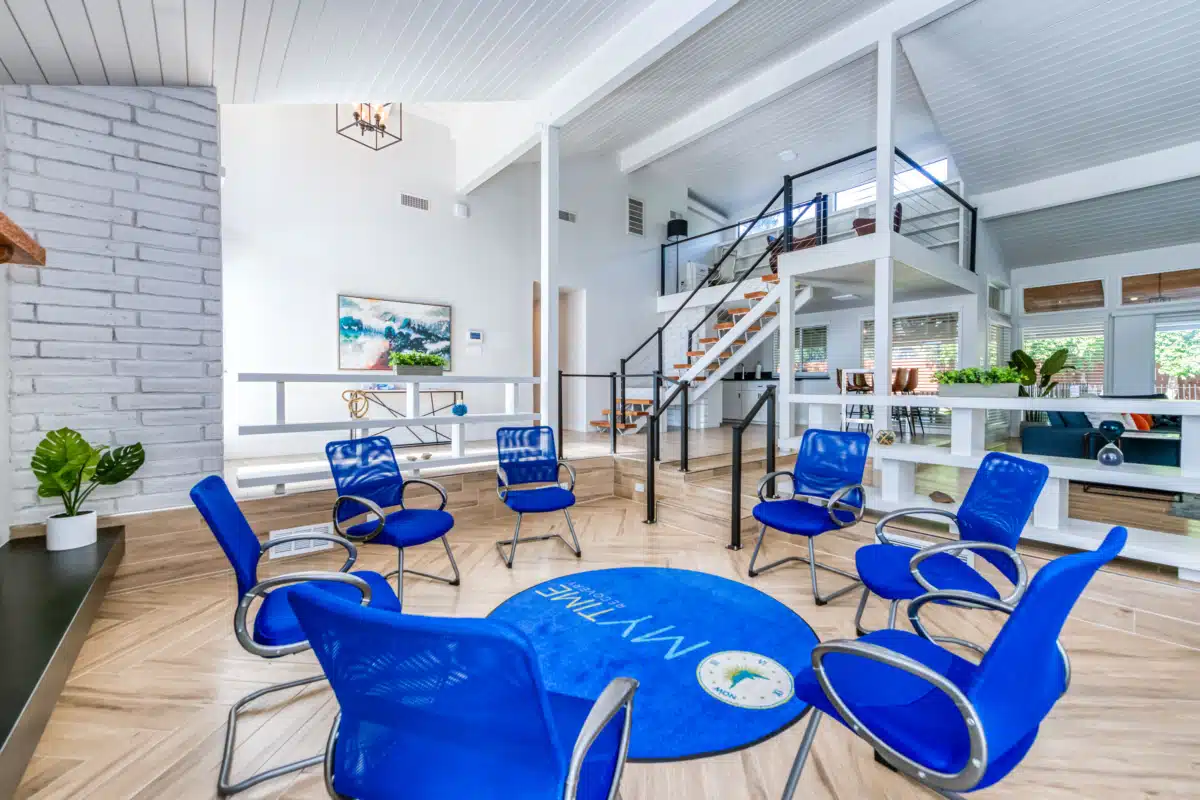
Located in Fresno, CA, Central California Recovery Inc specializes in a wide range of substance use treatment options catered specifically to both adults and young adults. The center provides an array of services, including intensive outpatient programs, standard outpatient treatment, and regular outpatient services, all grounded in evidence-based methodologies. Key approaches like cognitive behavioral therapy and contingency management are utilized to offer clients effective support on their path to recovery. What sets Central California Recovery Inc apart is its dedication to individualized care. The team understands that every person's journey with addiction is unique, and they take the time to customize treatment plans to address the specific needs and circumstances of each client. This attention to detail helps ensure that everyone receives the most appropriate support for their situation. The facility is inclusive, welcoming both male and female clients in a nurturing environment where everyone feels comfortable and supported. If you or a loved one are seeking quality addiction treatment that prioritizes a personalized approach, Central California Recovery Inc is committed to aiding individuals in achieving lasting recovery. Their compassionate team is eager to work with you on this transformative journey.
View Details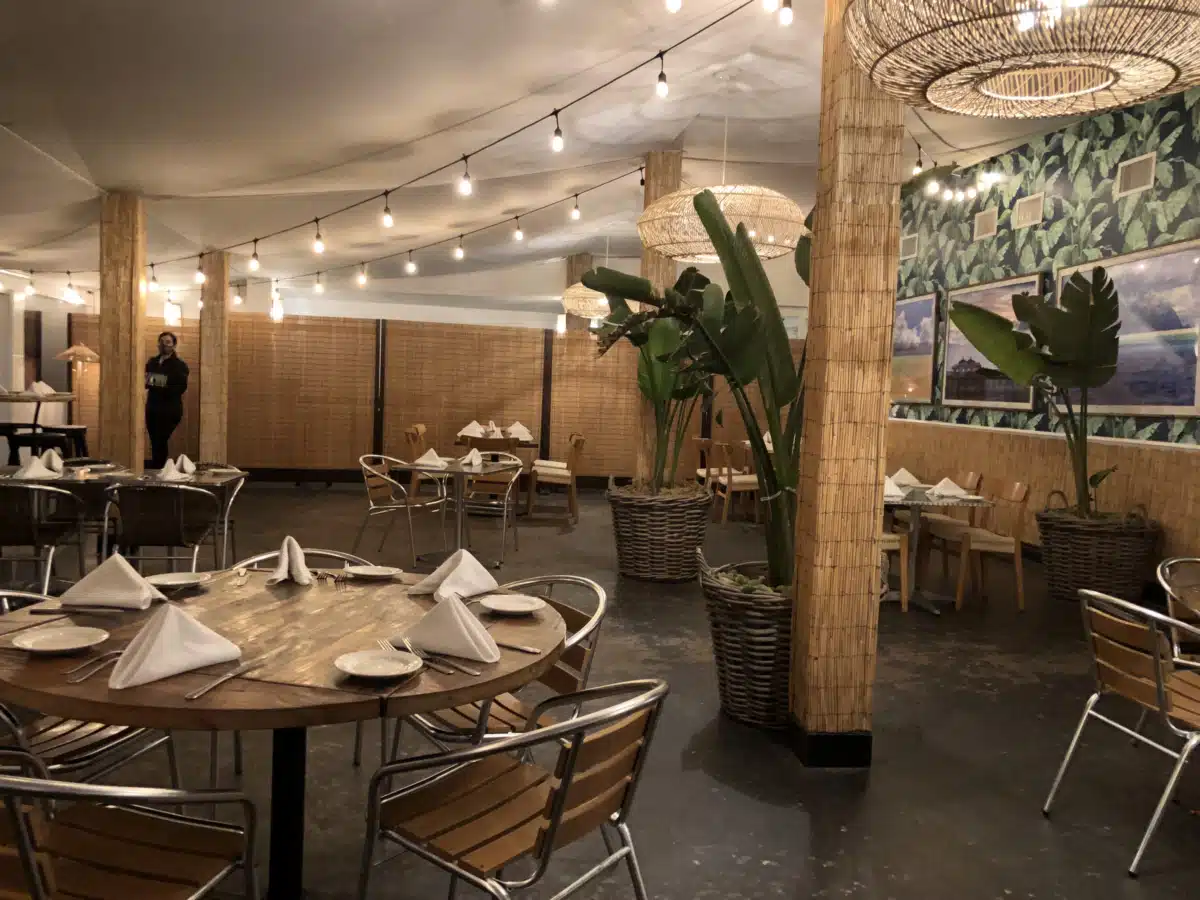
Nestled in the picturesque surroundings of Malibu, California, Sunset Malibu stands out as a premier facility offering a wide range of rehabilitation services tailored for adults and young adults struggling with substance use disorders, as well as co-occurring mental health challenges. At Sunset Malibu, clients benefit from the comprehensive inpatient detoxification and treatment programs that emphasize not only recovery from addiction but also the healing of underlying emotional wounds. For individuals who have faced the trauma of intimate partner violence, specialized programs are available, ensuring that their unique experiences are taken into account in the recovery process. The center employs a well-rounded approach to treatment, with a strong emphasis on 12-step facilitation, anger management, and brief interventions. This structured yet adaptable methodology allows the staff to customize care plans that resonate with the distinct needs and circumstances of each client. Sunset Malibu creates a supportive and gender-specific environment, welcoming adult men and women, thus fostering a community where everyone can feel safe and understood as they embark on their journey to recovery. With a deep commitment to delivering high-quality care, this center has earned an excellent reputation for providing both effective and compassionate addiction treatment, making it a leading option for those seeking a path toward healing.
View Details
Cypress Lakes Lodge, situated in the heart of Woodville, TX, is dedicated to providing a wide range of rehabilitation services designed for both adults and young adults grappling with substance use issues as well as co-occurring mental health disorders. The facility features a hospital inpatient detoxification program alongside comprehensive treatment options that include 12-step facilitation, anger management, and brief intervention strategies. One of the distinguishing aspects of Cypress Lakes Lodge is its commitment to serving various demographics. They offer specialized programs tailored specifically for active-duty military personnel, as well as adult men and women, ensuring that the unique needs of each group are addressed effectively. Cypress Lakes Lodge places a strong emphasis on delivering high-quality care and crafting individualized treatment plans. This personalized approach not only enhances the rehabilitation experience but also helps to foster a supportive environment, making it an excellent choice for anyone in search of focused and effective solutions for addiction treatment.
View Details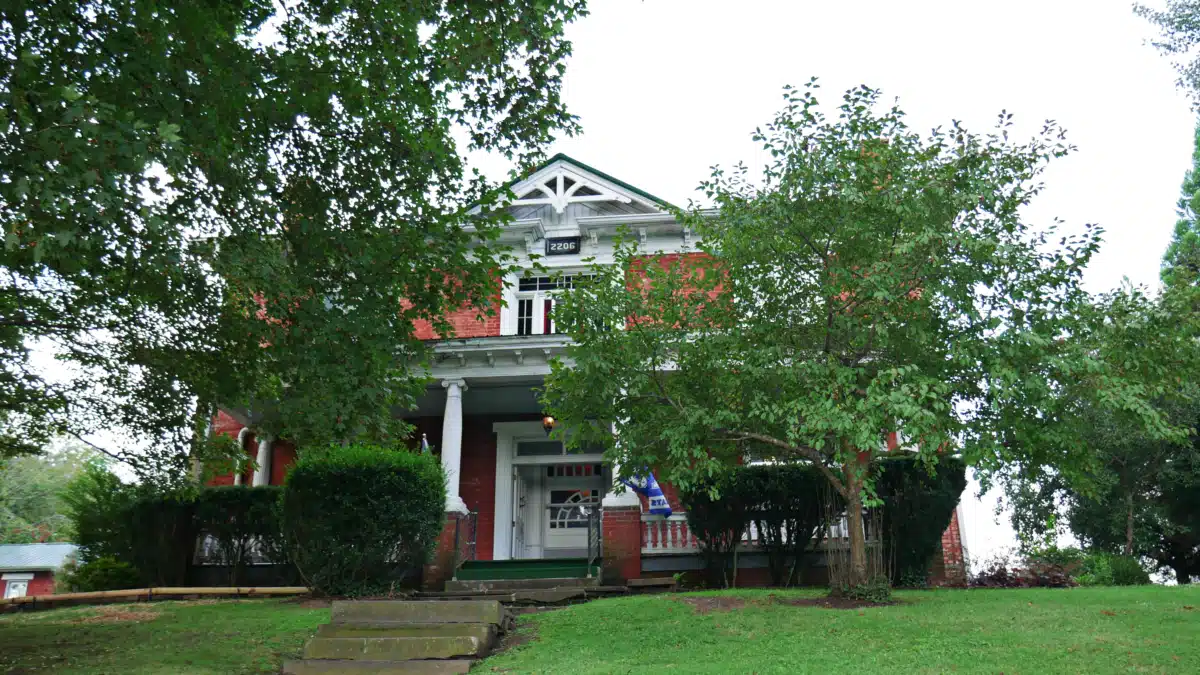
Nestled in Louisa, KY, Addiction Recovery Care (ARC) is dedicated to offering a wide array of substance use treatment services specifically designed for adult women. This center is known for its holistic approach, providing various treatment options that include intensive outpatient programs, long-term residential stays, and outpatient services. At ARC, the treatment methodologies are diverse and tailored to meet the unique needs of each individual. These methods encompass 12-step facilitation, anger management sessions, and brief interventions, all aimed at helping clients navigate their recovery journey effectively. What sets ARC apart is its commitment to personalized care, ensuring that each adult, senior, and young adult receives quality support tailored to their specific circumstances. Moreover, ARC truly excels in offering specialized programs that foster a nurturing and supportive environment for recovery. If you or someone you know is in search of effective addiction treatment with a focus on individual needs, Addiction Recovery Care stands ready to assist you on the path to lasting recovery. Their dedicated team aims to empower clients, guiding them toward healthier, fulfilling lives.
View Details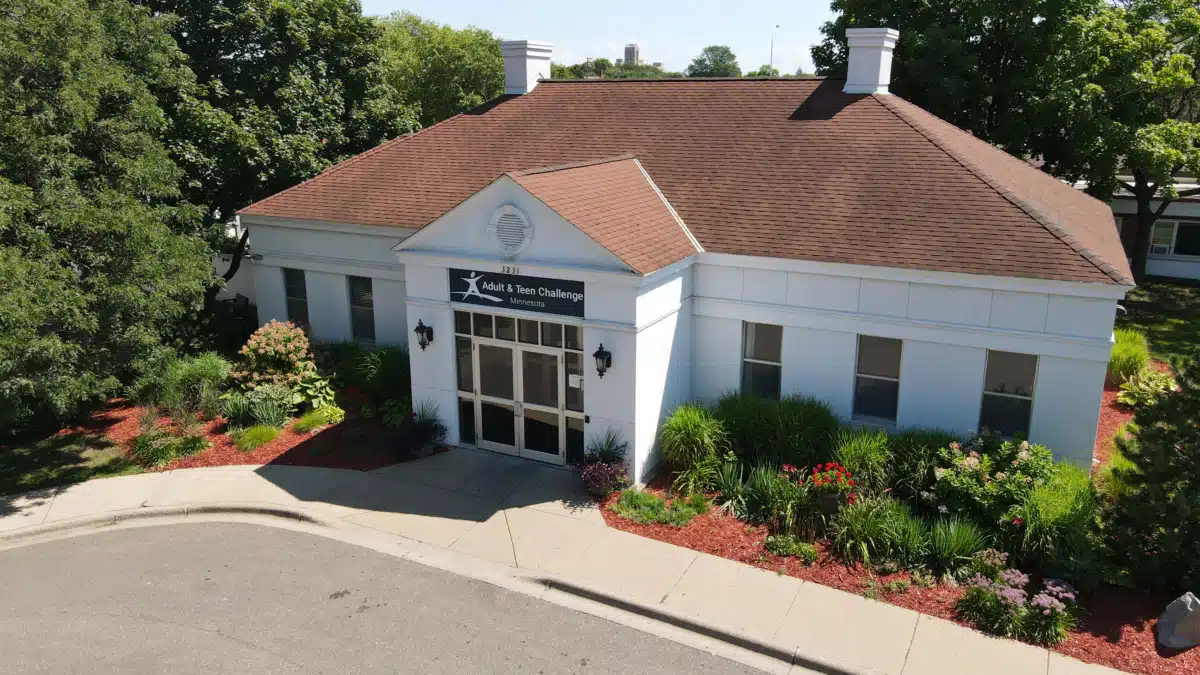
Located in Minneapolis, MN, Minnesota Adult and Teen Challenge is dedicated to providing a wide array of addiction treatment services tailored to meet the diverse needs of its clients. Whether you're seeking detoxification or ongoing substance use treatment, the center is equipped to support individuals struggling with addiction. One of the standout features of this facility is its commitment to addressing not just substance use issues but also co-occurring serious mental health conditions in adults and emotional disturbances in children. This comprehensive approach ensures that every aspect of a person’s well-being is considered during their recovery journey. The center offers residential detoxification options, 24-hour care, and short-term residential programs, all designed to fit the specific requirements of each individual. By employing various therapeutic methods like 12-step facilitation, anger management, and cognitive behavioral therapy, they create a holistic recovery experience that goes beyond mere abstinence from substances. Additionally, Minnesota Adult and Teen Challenge recognizes that different populations have unique challenges. Therefore, they offer specialized programs for adolescents, adult men, and adult women, ensuring that quality care is accessible to all age groups and genders. By prioritizing individualized treatment planning, this facility commits to effectively guiding each person through their path to recovery with the respect and understanding they deserve.
View Details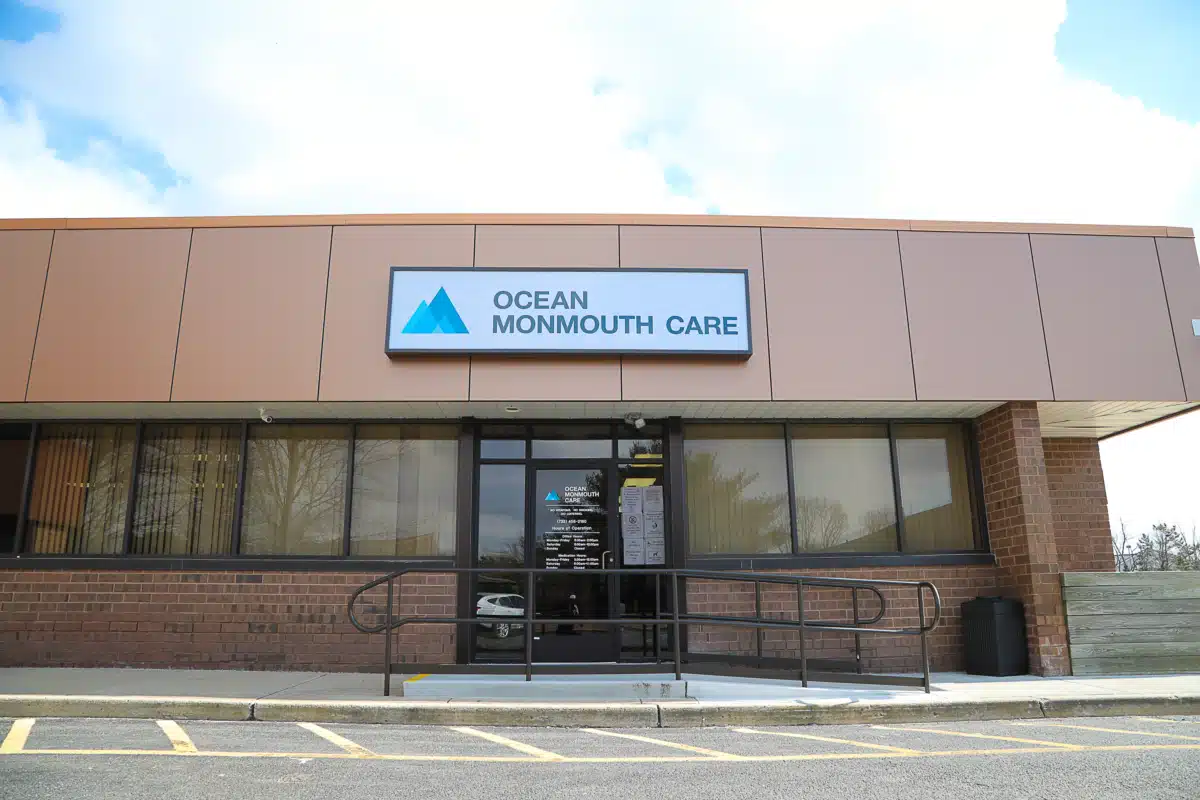
Ocean Monmouth Care LLC, located in Brick, NJ, specializes in providing tailored substance use treatment programs aimed at both adults and young adults. This facility places a strong emphasis on intensive outpatient and outpatient services, utilizing evidence-based strategies like brief intervention, cognitive behavioral therapy, and contingency management to support recovery. Recognizing that everyone’s journey is unique, Ocean Monmouth Care offers specialized programs tailored for diverse populations, including active duty military personnel, adult men, and women. Additionally, the center provides outpatient options for those needing methadone, buprenorphine, or naltrexone treatment, ensuring that clients receive comprehensive support throughout their recovery process. Dedicated to delivering high-quality and personalized care, Ocean Monmouth Care LLC fosters a nurturing and supportive atmosphere where both male and female clients can find the encouragement they need to overcome substance use disorders. Whether you’re just starting your recovery journey or looking for continued support, this center is equipped to help you every step of the way.
View Details
Nestled in the heart of Flagstaff, Arizona, Native Americans for Community Action is dedicated to providing a comprehensive range of substance use treatment options alongside specialized care for those grappling with co-occurring mental health issues. This welcoming facility offers a variety of programs designed to meet diverse needs, including intensive outpatient, outpatient, and regular outpatient treatments, specifically tailored for both adults and children/adolescents. Understanding that every individual is unique, the center employs a variety of therapeutic techniques to facilitate healing. These methods include anger management, brief interventions, and cognitive behavioral therapy, all aimed at addressing the specific needs of each client. With a strong emphasis on supporting individuals who face both mental health and substance use challenges, this facility is committed to providing customized care for men and women alike. You can rely on Native Americans for Community Action to deliver high-quality, effective treatment, helping you or your loved one navigate the path toward recovery with confidence.
View Details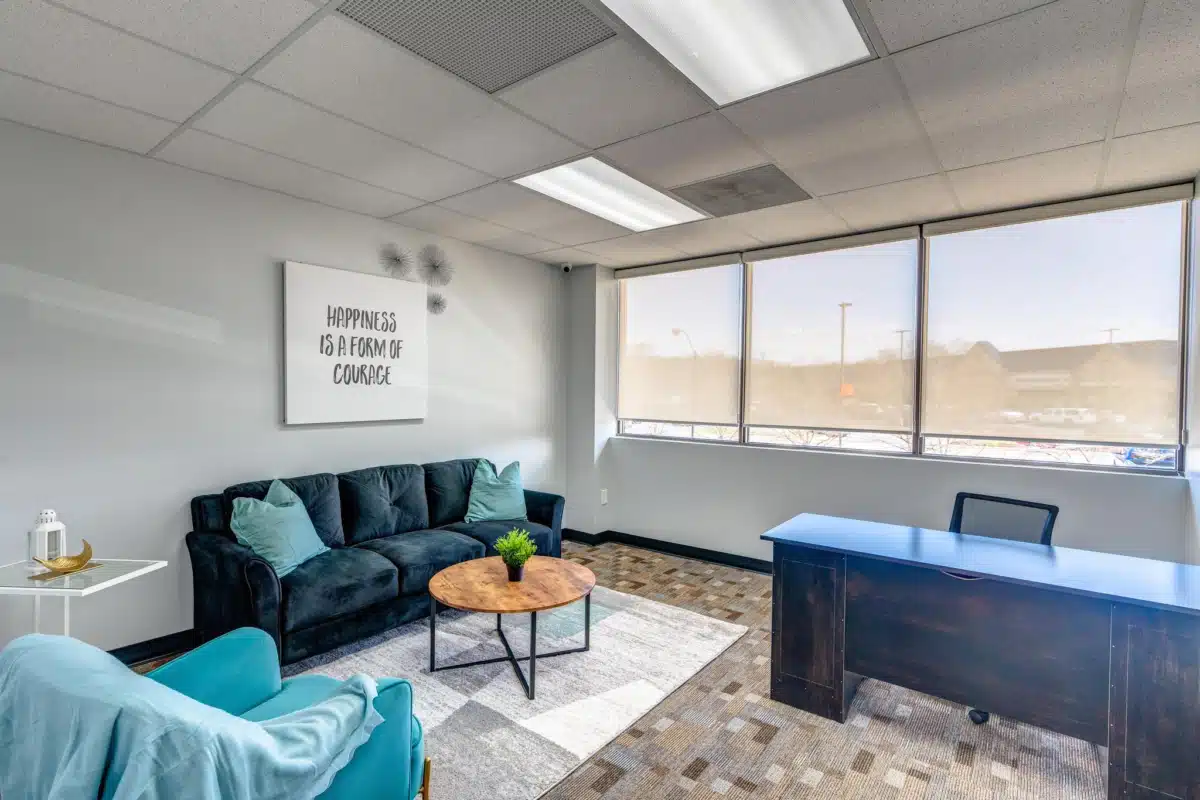
Evolve Residential LLC, located in Millersville, MD, is dedicated to providing a thorough range of substance use treatment options specifically designed for adult men. The center offers several programs, including intensive outpatient services, long-term residential care, and traditional outpatient therapy. Each of these options is geared towards crucial aspects of recovery, such as relapse prevention, counseling for substance use disorders, and accessing support through telemedicine and telehealth services. Evolve Residential LLC is particularly skilled at addressing the complex needs of individuals facing both substance use issues and serious mental health challenges. This includes tailored support not just for adults but also for seniors and young adults, recognizing that recovery can look different at various stages of life. A key feature of Evolve Residential's approach is its emphasis on a male-specific model of care. This enables the team to create customized treatment plans that reflect the unique experiences and needs of their clients. By focusing on quality, individualized care, Evolve Residential LLC strives to foster an environment that promotes recovery, resilience, and overall well-being for everyone who walks through their doors.
View Details
Icarus Behavioral Health, located in Rio Rancho, NM, is committed to providing a well-rounded treatment experience for individuals grappling with substance use challenges, as well as those facing serious mental health issues concurrently. They offer a variety of programs, including long-term, short-term, and residential options, all designed to foster a supportive atmosphere conducive to recovery. Recognizing that every individual has unique needs, Icarus utilizes a range of tailored treatment methods. Among these are anger management sessions, cognitive behavioral therapy, and brief intervention strategies. This personalized approach ensures that clients receive care that is specifically suited to their situations and goals. The facility also emphasizes inclusivity with specialized programs aimed at adult men and women, as well as tailored care for clients dealing with co-occurring disorders. This diversity in offerings reflects their dedication to addressing the different journeys that adults and young adults of all genders experience on the path to sobriety and improved mental health. By prioritizing quality care and individualized treatment plans, Icarus Behavioral Health plays a vital role in supporting individuals as they work towards recovery and reclaiming their lives.
View Details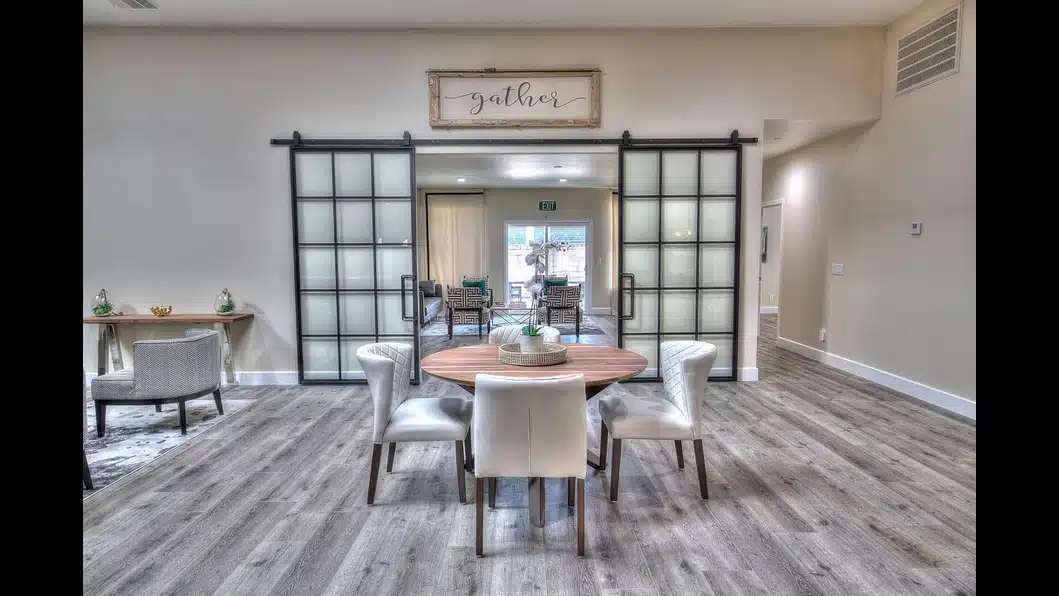
Diamond House Detox, located in Elk Grove, CA, provides a thorough and compassionate residential detoxification experience for both adults and young adults struggling with substance use issues. What sets this facility apart is its expertise in addressing co-occurring mental health disorders, ensuring that clients receive comprehensive, round-the-clock care in a nurturing environment. At Diamond House Detox, the treatment approach is diverse, incorporating methodologies such as 12-step facilitation and anger management, allowing for a personalized experience that adapts to each individual's specific needs. The emphasis on quality care is evident through their specialized programs tailored for clients dealing with dual diagnoses, underscoring their commitment to holistic healing. Furthermore, the facility ensures that both male and female clients have access to customized treatment plans. This focus on individualized care is designed to empower individuals on their recovery journey, helping them to achieve long-lasting change and a healthier, more fulfilling life.
View Details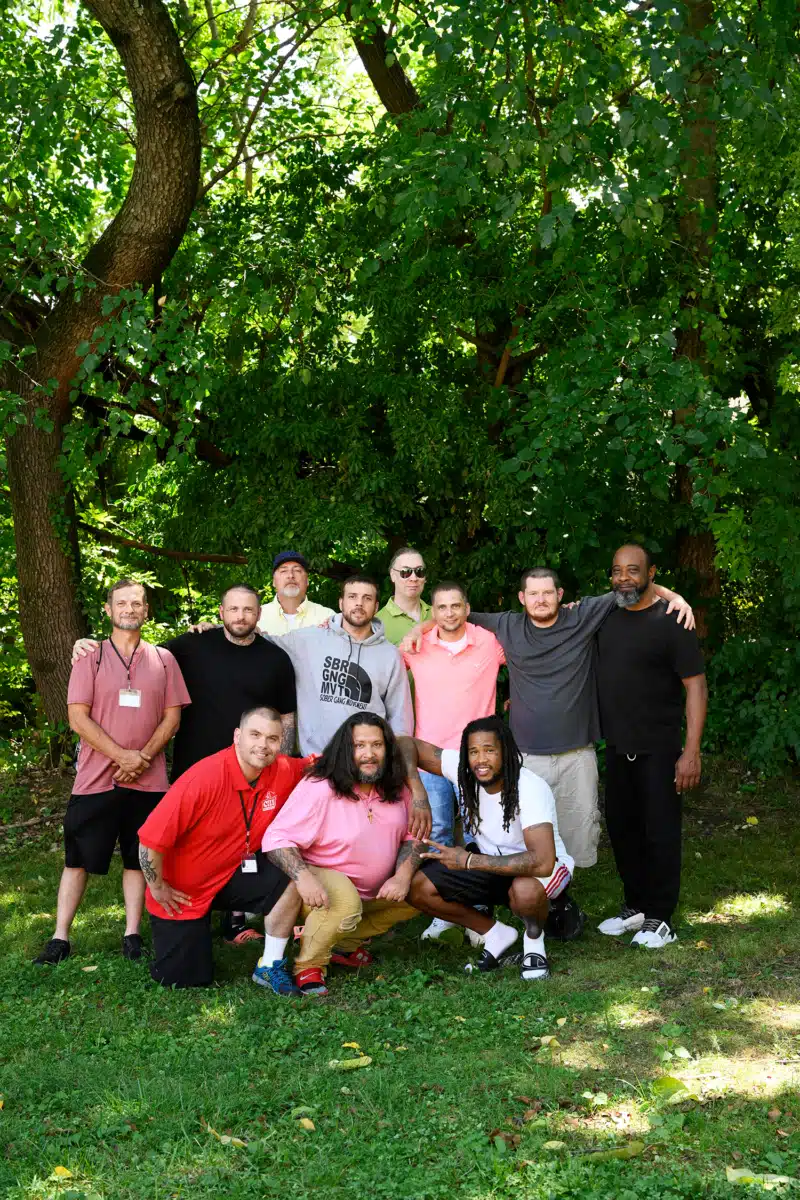
Nestled in the heart of Louisville, KY, VOA Recovery stands out as a pillar of support for adult men facing challenges related to substance use. This facility is dedicated to addressing both substance use disorders and serious mental health issues, particularly when they occur together, which is often referred to as co-occurring disorders. Additionally, they extend their compassionate care to children dealing with severe emotional disturbances. VOA Recovery offers a range of programs, including both long-term and short-term residential options, all designed with a foundation in evidence-based practices. Their approach includes tried-and-true methods such as 12-step facilitation, cognitive behavioral therapy, and the Matrix Model. Each program is thoughtfully crafted to meet the unique needs of their clients, which specifically includes adult men and those who may have experienced intimate partner violence, domestic abuse, or sexual trauma. Catering to a diverse client base that encompasses adults, seniors, and young adults, VOA Recovery is committed to delivering high-quality, individualized care. By focusing on the specific circumstances and challenges faced by male clients, they ensure that the treatment experience is both effective and supportive.
View Details
The Fairfax Methadone Treatment Center, located in Annandale, VA, provides a range of outpatient services designed specifically for individuals battling addiction. They offer treatment options that include methadone, buprenorphine, and naltrexone, as well as regular outpatient programs tailored to meet the diverse needs of both adults and young adults. Understanding that each person's journey to recovery is unique, the center employs an individualized approach, offering various therapeutic modalities such as anger management, brief intervention, and cognitive behavioral therapy. This flexibility allows clients to receive care that aligns closely with their specific circumstances and goals. Moreover, the facility is dedicated to catering to the unique requirements of both male and female clients through specialized programs. By ensuring that everyone receives the support they need, the Fairfax Methadone Treatment Center stands out as a trusted option for those seeking compassionate and effective addiction treatment services in the Annandale area. Their unwavering commitment to delivering quality care makes them a preferred choice for many on the path to recovery.
View DetailsAbout Bipolar Disorder Treatment
Bipolar disorder affects approximately 4.4% of U.S. adults at some point in their lives, according to NIMH, and its co-occurrence with substance use disorder is among the highest of any psychiatric condition — over 40% of individuals with bipolar I disorder also meet criteria for a substance use disorder. During manic episodes, impulsivity and risk-taking often drive substance use, while depressive episodes may lead to self-medication with alcohol or drugs. Effective treatment requires integrated dual diagnosis care that stabilizes mood through medication management while simultaneously addressing addiction with behavioral therapies.
Understanding Bipolar Disorder and Addiction
Bipolar disorder is a mood disorder characterized by episodes of mania or hypomania and depression. The co-occurrence of bipolar disorder and substance use disorders is remarkably high—studies suggest that over 40% of people with bipolar I disorder and about 20% of those with bipolar II disorder will develop a substance use disorder.
Why bipolar disorder and addiction often occur together:
- Self-medication to manage mood symptoms
- Impulsivity during manic episodes increases risk-taking
- Seeking substances to extend the "high" of mania
- Using alcohol or drugs to escape depression
- Shared genetic and neurobiological factors
Types of Bipolar Disorder
- Bipolar I Disorder: Manic episodes lasting at least 7 days, often with depressive episodes
- Bipolar II Disorder: Pattern of hypomanic and depressive episodes (less severe mania)
- Cyclothymic Disorder: Chronic fluctuating moods with hypomanic and depressive symptoms
Challenges of Dual Diagnosis
Treating bipolar disorder and addiction together presents unique challenges that require specialized care:
- Substances can trigger mood episodes and interfere with medications
- Mood stabilizers require careful monitoring during addiction treatment
- Withdrawal symptoms can mimic or worsen bipolar symptoms
- Treatment must address both conditions simultaneously for success
Integrated Treatment Approach
Medication Management
Proper medication is essential for managing bipolar disorder. Treatment centers work with psychiatrists to find mood stabilizers and other medications that are effective and safe for individuals in recovery. Common medications include lithium, valproate, and atypical antipsychotics.
Evidence-Based Therapies
- Cognitive Behavioral Therapy (CBT): Addresses thought patterns and behaviors
- Dialectical Behavior Therapy (DBT): Teaches emotional regulation and distress tolerance
- Interpersonal and Social Rhythm Therapy: Focuses on stabilizing daily routines and relationships
- Family-Focused Therapy: Educates and involves family in recovery
- Integrated Group Therapy: Specifically designed for bipolar and substance use disorders
Lifestyle Management
- Regular sleep schedules (disrupted sleep can trigger episodes)
- Stress management and relaxation techniques
- Mood tracking and early warning sign recognition
- Building healthy routines and structure
Choosing the Right Treatment Center
Look for programs that offer:
- Specialized dual diagnosis treatment for bipolar and addiction
- On-site psychiatric care for medication management
- Understanding of how mood episodes and substance use interact
- Long-term planning for ongoing psychiatric care
- Family education and support
What to Expect in Bipolar & Addiction Treatment
Bipolar disorder requires careful treatment sequencing, as mood destabilization and substance withdrawal can interact unpredictably.
- Acute Stabilization (Weeks 1–2): Medical detox if needed, psychiatric assessment, initiation of mood stabilizers (lithium, valproate, or atypical antipsychotics). Close monitoring for mood episodes triggered by substance withdrawal
- Medication Optimization (Weeks 2–8): Finding the right mood stabilizer regimen — this process is iterative. Medications with abuse potential (benzodiazepines) are avoided. Blood levels may need monitoring (lithium, valproate)
- Active Dual Treatment (Weeks 4–16): Integrated Group Therapy (designed specifically for bipolar + substance use), CBT, Interpersonal and Social Rhythm Therapy for stabilizing daily routines, and psychoeducation about the interaction between mood episodes and substance use
- Relapse Prevention: Learning to recognize early warning signs of both manic/depressive episodes and substance cravings. Developing action plans for each scenario — who to call, when to adjust medications, how to manage triggers
- Long-Term Management: Bipolar disorder is a lifelong condition requiring ongoing psychiatric care. Step-down to outpatient with regular psychiatric follow-ups, medication adherence support, and peer support groups
Treatment Outcomes & Long-Term Management
Research published in the American Journal of Psychiatry shows that integrated treatment addressing both bipolar disorder and substance use simultaneously leads to longer periods of mood stability and reduced substance use compared to sequential treatment. Consistent medication adherence, ongoing therapy, and engagement with support communities are key predictors of sustained recovery. Most individuals require long-term management of bipolar symptoms through psychiatric care even after completing addiction treatment.
Authoritative resources for bipolar disorder and co-occurring addiction:
Insurance & Payment for Bipolar Disorder Treatment
Most health insurance plans are required to cover addiction and mental health treatment under the Mental Health Parity and Addiction Equity Act (MHPAEA) and the Affordable Care Act (ACA). This means treatment for bipolar disorder is typically covered at the same level as other medical conditions.
Common insurance coverage for bipolar disorder treatment includes:
- Medical detoxification services
- Inpatient/residential treatment programs
- Intensive outpatient programs (IOP)
- Outpatient therapy and counseling
- Psychiatric medication management
Coverage specifics vary by plan and provider. Contact your insurance company directly or call the treatment center to verify benefits before enrolling. Many facilities offer free insurance verification.
For those without insurance, options include state-funded programs through SAMHSA, Medicaid (eligibility varies by state), sliding-scale payment programs, and nonprofit treatment centers. Learn more about insurance coverage for addiction treatment.
Related Conditions & Treatments
Understanding the connections between conditions, treatment methods, and levels of care can help you make more informed decisions about recovery.
Treatment Methods
Levels of Care
Related Conditions
Medical Disclaimer
The information on this page is intended for educational purposes only and should not replace professional medical advice, diagnosis, or treatment. Always consult a qualified healthcare provider before making decisions about addiction treatment. If you or someone you know is in crisis, call the 988 Suicide & Crisis Lifeline or the SAMHSA National Helpline (1-800-662-4357).